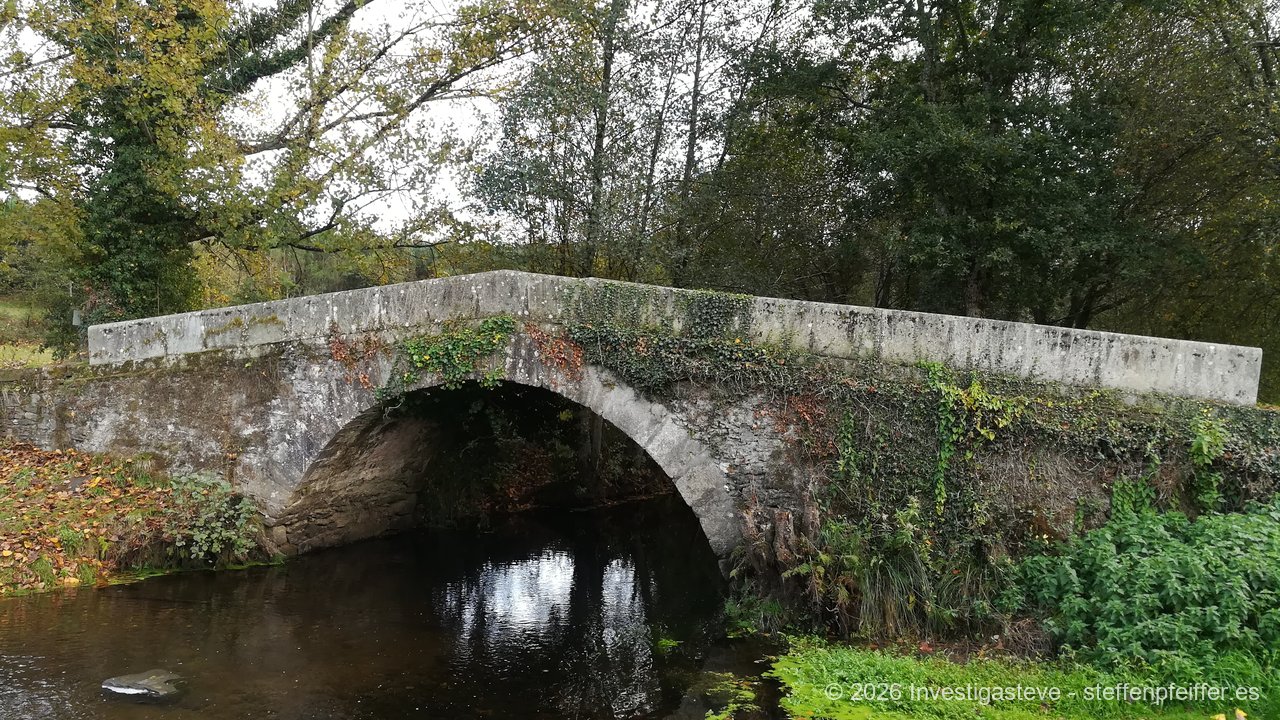
A new stage day – entering the stage
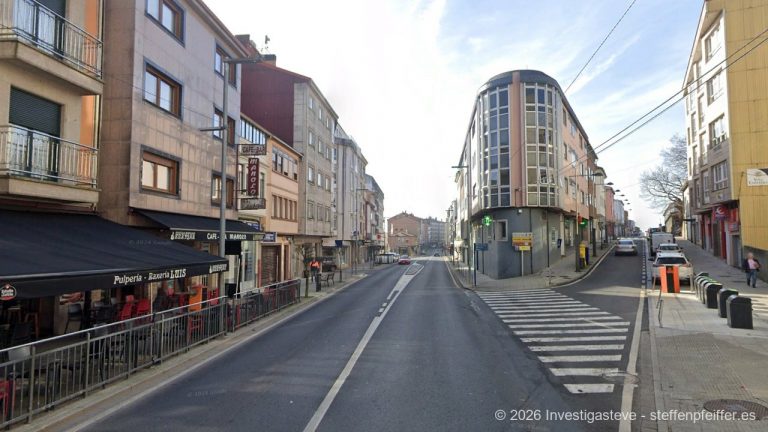
The morning in Palas de Rei awakens with an almost solemn weight. When you step out of the hostel, the cool, saturated air of Galicia envelops you, settling on your skin like an invisible, damp mantle. It is that moment when the world is still bathed in a deep indigo and the outlines of the granite houses blur against the dawning horizon. You feel the fatigue of the past weeks in your joints, a dull throbbing, yet it is overlaid by an electrifying certainty: the goal of Santiago de Compostela is drawing within reach. The smell of damp stone, mixed with the first aroma of freshly brewed coffee from the awakening bars of the Rúa Amor Meilán, forms the olfactory signature of this departure. It is a stage of transitions, a day on which the province of Lugo remains behind you and you enter the land of A Coruña – that region where the paths converge and the energy of the Camino finds its final, unstoppable rhythm.
Psychologically, this departure is a test of constancy. The euphoria of setting out in the Pyrenees has long since given way to a deep, meditative endurance. As you take the first steps through the sleeping alleys, you hear the distant, irregular echo of other pilgrims also venturing into the darkness. It is not a loud bustle, but a silent agreement, a ritual stepping out into a land traversed by the deep hollow ways of history. The ground beneath your feet, often covered with a layer of dew and fine dust, offers a haptic resistance that reminds you with every step that you are still a wanderer between worlds. In this moment of silence, before the sun dissolves the banks of mist in the valleys, you feel the immense power of the 1200-year-old tradition that pulls you westward like an invisible current.
Route and elevation profile
Distance: 28.5 km
Elevation gain: ↑ 420 m / ↓ 550 m
Difficulty: Hard. The challenge does not result from extreme peaks, but from the incessant “Rompepiernas” (leg-breaker) profile and the considerable distance that, at the end of the journey, taps into the reserves.
Special features: The meeting with the Camino Primitivo in Melide, the crossing of the medieval bridge of Furelos, and the passage through the idyllic river valley of the Rio Iso in Ribadiso.
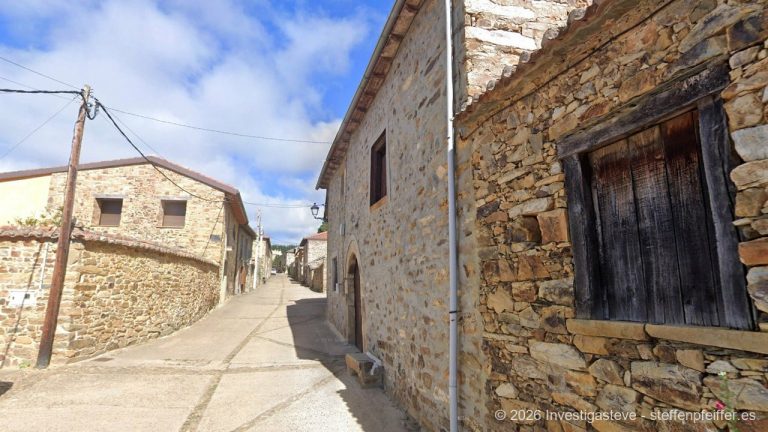
Today’s route is the prime example of the Galician hill country, a topographical labyrinth that forces the pilgrim into a constant up and down. There are hardly any notable flat sections; the path winds in an untiring rhythm through deep eucalyptus groves, dense oak forests, and small hamlets that lie like stone-carved islands in the green landscape. The ground frequently alternates between narrow, root-covered forest paths, coarse gravel, and asphalted side roads. The descents especially require concentration, as the knees, after the many kilometers of previous weeks, react sensitively to the constant vibrations.
The psychological and physical highlight is Melide, located almost exactly in the middle of the stage. Here, the dynamics of the path change abruptly when the pilgrims of the Camino Primitivo meet the Francés and the group of walkers noticeably grows. After Melide follows another, energy-sapping section via Boente and Castañeda, which challenges the mind through its constant changes in direction and elevation. The descent to the Rio Iso in Ribadiso de Baixo offers a short, picturesque breather before the final, punishing ascent to Arzúa mobilizes the last reserves. It is a day of endurance, reconciling the physical harshness of Galicia with its incomparable atmospheric density.
Variants and small detours
Today’s stage offers few official variants, as the historical path is largely predetermined by the geography of the river valleys and hill ranges. Nevertheless, there are nuances in the route for the mindful pilgrim. A small detour offers itself in the area of San Xulián do Camiño. While the main route leads directly through the hamlet, one can use narrower side paths for a few hundred meters that lead even deeper into the dense forests and avoid the hard surface of the access roads. These paths are often damper and shadier but offer a more intense immersion into the archaic forest world of Galicia.
In Melide itself, there is no significant bypass, as the town acts as a strategic hub. However, those seeking solitude can try, after visiting the chapel of San Roque, to leave the busier main streets more quickly and follow the paths towards Santa María de Melide. Here, a brief moment of silence offers itself in a Romanesque church before rejoining the stream of pilgrims. Another, more logistical decision concerns the end of the stage: many pilgrims choose the historic hospital of Ribadiso as a place to stay, postponing the final ascent to Arzúa to the next morning – a variant that shortens today’s distance but changes the emotional dynamics of arrival in the “cheese capital.”
Description of the path – with all senses
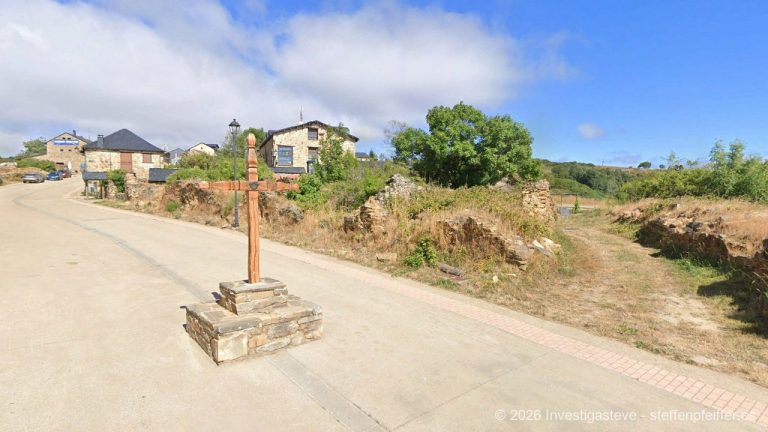
The departure from Palas de Rei first leads you into a tunnel of green. The ground beneath your feet here is often soft, a carpet of decomposed leaves and damp earth that cushions every step and lets you sink deep into nature. You hear the awakening of the landscape: the soft rustling of wind turbines on the distant ridges, lying like mechanical breathing over the silence, and the distant ringing of the church bells of San Xulián. The scent is intoxicating – a mixture of the essential oils of the eucalyptus groves and the heavy, earthy note of ferns and moss. You feel the coolness of the damp air on your skin, settling like a fine film on your clothes, while your lungs greedily absorb the oxygen-rich forest air. The historical dimension is tangible here; you walk on paths already described in the Codex Calixtinus as part of the tenth stage, a timeless connection to the millions of souls before you.
Behind Casanova, the terrain becomes more open and rougher. You pass the border between the provinces of Lugo and A Coruña, marked by an unassuming stone that, however, carries enormous psychological significance. You feel the change in the ground – the soft forest floor gives way to a hard, stony path that challenges the soles of the feet. The smell of damp granite and dry broom hangs in the air. You hear the rhythmic sound of your own steps, a monotonous pounding that puts you into a trance-like calm. Arriving in Leboreiro, the sight of the Romanesque church of Santa María greets you. You run your hand over the rough, lichen-covered stone of the portal and feel the cool constancy of the Middle Ages. The contrast between the infinite expanse of the Galician hills and the protective enclosure of these ancient houses of God is a haptic and visual experience of rare intensity.
The descent to Furelos is an exercise in mindfulness. The path leads steeply down, and you feel the resistance in your knees with every braking maneuver. But then the view opens up to the medieval bridge over the Rio Furelos. The mighty stone arches have defied the current for centuries, and when you step across it, you hear the powerful gurgling of the water beneath you. It is a deep, calming sound that washes away the restlessness of the morning. The air here by the river is cooler, saturated with the smell of algae and wet slate. You enter Melide through the Rúa Principal, and suddenly the atmosphere changes. The silence of the forest is replaced by the bustling activity of a small town. You hear the murmur of voices in the bars, the clatter of dishes, and the characteristic sound of knives slicing the famous octopus on wooden plates.
Melide is an olfactory shock in the best sense. The pungent scent of boiled octopus, olive oil, and spicy paprika wafts from the pulperías and mixes with the aroma of freshly baked bread. Psychologically, this place is a turning point. Here, the pilgrims of the Camino Primitivo arrive, recognizable by their often still more exhausted faces and the wild energy they have brought from the mountains of Asturias. You feel the increase in energy in the pilgrim stream; it becomes livelier, more international. When you sit in one of the traditional establishments like “Ezequiel,” you feel the warmth of the community. The haptic contact with the smooth, warm wood of the tables and the weight of the red wine glass in your hand ground you after the kilometers of solitude. You are again part of a larger whole, a link in the infinite chain of the Jacobean society.
The path out of Melide leads you steeply up to the church of Santa María. Up here, the air is purer again, the noise of the town fades quickly. You traverse dense oak forests, the “Fragas,” where the light reaches the ground only in narrow lances. It is a play of light and shadow that challenges the senses. You hear the cracking of branches under your steps and the distant call of a cuckoo. The ground here is often crossed by deep furrows, testimonies of centuries of use by carts and herds. You feel the historical causality in every unevenness of the path. Arriving in Boente, the path leads directly past the church of Santiago. The smell of incense and old wood emanates from the open portal, a brief, spiritual refreshment before the next ascent to Castañeda demands your physical strength.
Castañeda is a place of historical weight. Here, in the Middle Ages, were the lime kilns where the pilgrims burned the stones they had carried from the mountains of Triacastela – a collective construction effort for the Cathedral of Santiago. As you walk through the hamlet, you almost think you can still feel the heat of the old kilns. The smell of burnt wood and dry earth seems to sit deeper in the walls here than elsewhere. The descent from Castañeda to the Rio Iso is one of the most beautiful sections of the day. You descend into a deep, green valley where the light is filtered emerald green. You hear the rushing of the river long before you see it. Arriving in Ribadiso de Baixo, you feel the moisture of the water, hanging in the air like a cool promise.
In Ribadiso, time seems to stand still. The medieval Hospital, now serving as a hostel, lies directly on the riverbank. You go to the water, take off your shoes, and dip your burning feet into the ice-cold Rio Iso. The haptic sensation is overwhelming – a sharp, icy pain that immediately transforms into a deep, pleasant relaxation. You hear the steady splashing of the water against the stones and the laughter of other pilgrims performing the same ritual. The smell of wet stones and fresh grass is so intense here that it almost acts like medicine. Psychologically, this is the moment of catharsis; the dust and pain of the last 25 kilometers are washed away. You feel the rough texture of the granite steps on which you sit and realize that the path not only challenges you but also heals you.
The final ascent to Arzúa is a test of your will. The legs are heavy, the sun is low and often burns unpleasantly on your back. The path leads over asphalted ramps and dusty field tracks that show no mercy. You hear the distant traffic of the main road, an acoustic sign of the approaching town. The smell changes again: the earthy aroma of the valley gives way to the sweetish, mild scent of cheese, for which Arzúa is world-famous. You feel the resistance of the asphalt in your joints; every step is now a conscious decision. Yet the anticipation of the stage’s end gives you one last, stubborn energy. You pass the first houses of Arzúa, feel the vibration of the town under your soles, and recognize the emotional metamorphosis of the day: from the solitary forest silence of the morning to the busy, warm security of the “cheese capital.”
Arriving in Arzúa, the path leads you through the Rúa Cima do Lugar directly into the heart of the town. You hear the bustling activity on the Plaza de la Iglesia, the clinking of glasses, and the polyphonic murmur of pilgrims from all over the world. The smell of fresh Arzúa-Ulloa cheese is ubiquitous – a buttery, slightly acidic aroma promising comfort and satiety. You feel the rough facade of the church of Santa María beneath your fingers, a final historical greeting of a long day. Psychologically, this evening is characterized by a deep, full exhaustion paired with unbridled pride. You have mastered the 28.5 kilometers of the “leg-breaker stage.” When you finally set down your backpack in the hostel, you feel the sudden lightness of your body, an almost weightless sensation reminding you that the burdens of the path are only temporary, but its experiences remain forever.
The evening reflection in Arzúa often takes place with a glass of local wine and a piece of cheese. You watch the arriving pilgrims, their faces marked by dust and sweat, but with a gleam in their eyes that only the path can produce. You hear the distant ringing of the evening bells, an acoustic conclusion to a day full of contrasts. The smell of rain, often present in the Galician evenings, promises cooling for the next stage. In your mind, the images of the Furelos bridge merge with the ice-cold water of the Rio Iso into a feeling of deep unity. You are now closer to Santiago than ever before, and the realization that you have passed this challenge physically and mentally fills you with a calm that sits deeper than any physical fatigue.
The night in Arzúa is characterized by the deep, dream-rich sleep of the righteous. You feel the soft texture of your sheet, a haptic luxury after the hardness of the ground. In the darkness, you hear the distant rustling of rain against the windowpanes, a soothing soundtrack sealing the day’s experiences in your soul. You remember the feeling when, in the conversations of fellow pilgrims in Melide, Santiago became truly real for the first time. The historical causality of your own journey concentrates here: every village, every stone, and every drop of sweat has led you here. You are now ready for the penultimate stage, carried by the strength of Galicia and the certainty that the path leads you as long as you are willing to open your senses to it.
Dining, accommodation & supplies
The supply situation on this long stage can be described as excellent, reflecting the significance of this section. Almost every four to six kilometers, there are refreshment stops, with Melide forming the undisputed gastronomic center. It is almost a pilgrim’s duty to stop in one of the pulperías here to gather the necessary carbohydrates and proteins for the second, hilly part of the day. Boente and Ribadiso also offer strategically important rest stops with good infrastructure. Especially in Ribadiso, you should take the opportunity to refill water supplies, as the subsequent ascent to Arzúa is often underestimated.
Regarding accommodation, Arzúa offers an immense selection, ranging from the large public hostel at the town entrance to modern private albergues and hotels. Since the Camino Primitivo and the Camino Francés merge here, bed capacity is high, but often still fully booked in high season. A reservation is advisable for pilgrims who value security. Those who prefer it more authentic and quieter should try to stay in the historic hostel of Ribadiso de Baixo, even if this means the day is somewhat shorter and the next morning begins with an ascent.
Gastronomy: Pulpería Ezequiel or Pulpería Garnacha in Melide are the cult addresses for octopus. In Arzúa, the local cheese (Queso Arzúa-Ulloa) is a must.
Accommodation: Albergue de Ribadiso (historic, directly on the river) is an atmospheric highlight. In Arzúa, the Albergue Via Lactea offers modern standards for pilgrim groups.
Public facilities: As a regional center, Arzúa offers all necessary facilities: pharmacies, banks, post offices, and large supermarkets for preparing for the last two stages to Santiago.
The special thing today
The outstanding feature of this day is the culinary and social fusion in Melide. It is the place where the “lonely” spirit of the Camino Primitivo meets the international dynamic of the Francés. This encounter creates a unique atmosphere of curiosity and exchange. The shared meal of Pulpo á feira at long wooden tables is more than just food intake; it is a ritual act of community. Here, different experiences of the past weeks merge into a collective consciousness of “almost being there.” The town breathes this tradition, and as a pilgrim, you feel that you are part of a living, breathing organism.
Another special element is the historical continuity of the infrastructure. In Leboreiro, you see the remains of an old pilgrim Hospital opposite the church; in Furelos, you step over a bridge that already stood in the 12th century; and in Ribadiso, you rest in buildings that have been dedicated to the protection of walkers since the Middle Ages. This haptic proximity to history is particularly dense on this stage. You do not just walk through a landscape, but through a temporal causality in which the needs of the pilgrim – protection, water, community – have shaped the architecture and culture of the region over a thousand years.
Finally, the natural experience of the Galician “Fragas” (mixed forests) deserves mention. The oak and eucalyptus forests on the way to Arzúa form a green labyrinth that shields the pilgrim from the modern world. The acoustic isolation in these deep hollow ways, interrupted only by the sounds of the forest and your own breath, enables a deep psychological contemplation. In these moments of immersion, the path becomes a spiritual space in which physical exertion and natural beauty merge into a unity that goes far beyond mere hiking. It is the essence of Galicia, revealing itself to the pilgrim here in all its rough, green splendor.
Reflection at the end of the stage
When you take off your hiking boots in Arzúa in the evening and look at the traces of the day, a deep melancholy sets in, yet carried by an unshakeable pride. The 28.5 kilometers were a journey through the physical hardship and culinary joy of Galicia. The reflection of the day shows you that the “leg-breaker path” has not broken you, but strengthened you. You recognize that the encounters in Melide and the silence in Ribadiso are two sides of the same coin: the Camino is both a journey to others and a journey to yourself.
You feel that the goal of Santiago is no longer an abstract idea but an immediate reality. The historical causality of your entire journey concentrates in this moment of rest. You have left the mountains, the Meseta, and the valleys behind you. Arzúa is the last major station before arrival at Monte do Gozo. In the silence of your room, accompanied by the distant rustling of leaves in the wind, you know: you are ready for the finale. The path has shaped you, and Galicia has received you with its rough beauty, ready to carry you to the tomb of the apostle.
Camino of the Stars
This stage lies on the Camino Francés, on the stage from Palas de Rei to Arzúa. The sequence of places is:
| Stage | Start | Destination | Distance (km) | Elevation gain | Difficulty | Intermediate places |
|---|---|---|---|---|---|---|
| 30 | Palas de Rei | Arzúa | 28.5 | ↑ 420 / ↓ 550 | hard | San Xulián → Ponte Campana → Casanova → Leboreiro → Furelos → Melide → Boente → Castañeda → Ribadiso |
Did you feel the moment in Ribadiso when the ice-cold water of the Rio Iso simply washed away your exhaustion? Was the octopus in Melide a culinary feast for you or the social turning point of your journey? Share your story of the “leg-breaker path” through Galicia with us – your words are the stars that light the way for other pilgrims through the green labyrinth.
About the Author

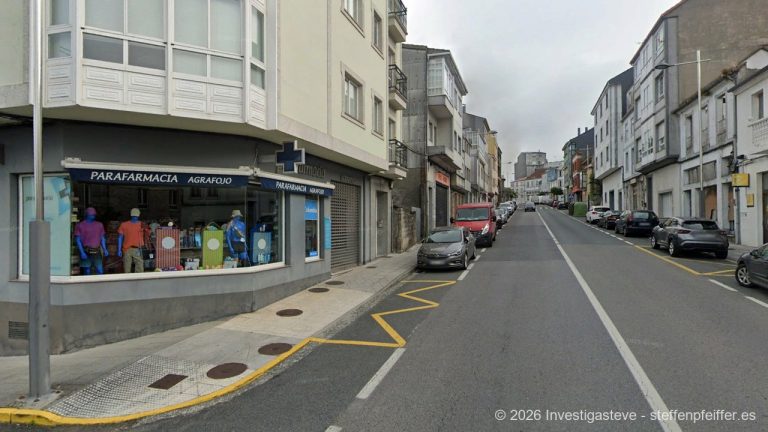
Palas de Rei – The Royal Threshold between Granite and Green
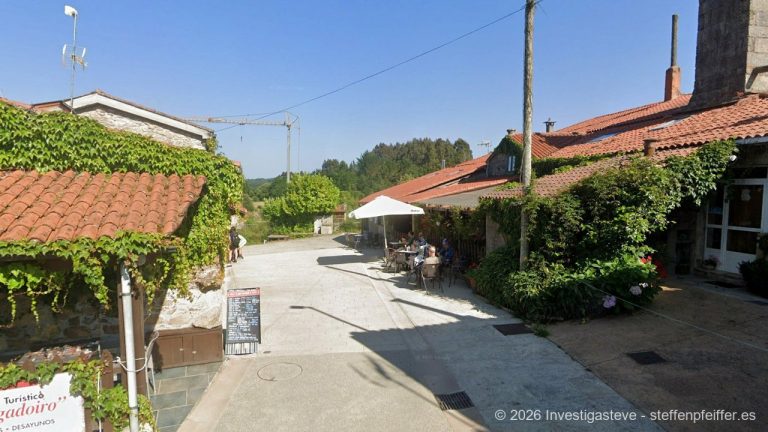
San Xulián – The Sacred Gate in the Forest of Souls
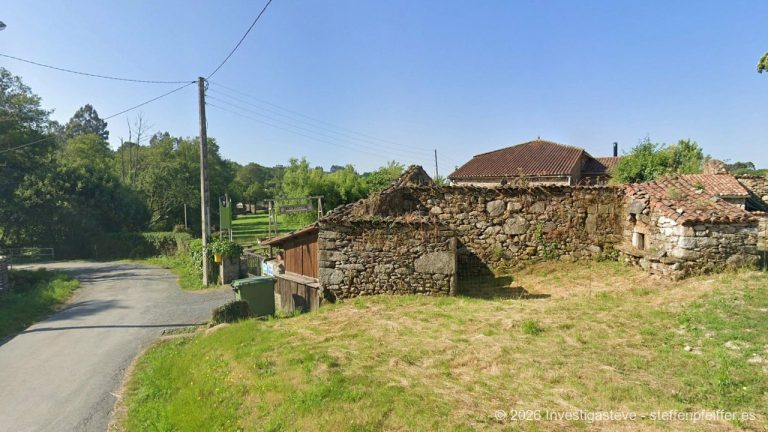
Pontecampaña – The Stone Echo of the Water in the Green Heart of the Ulloa
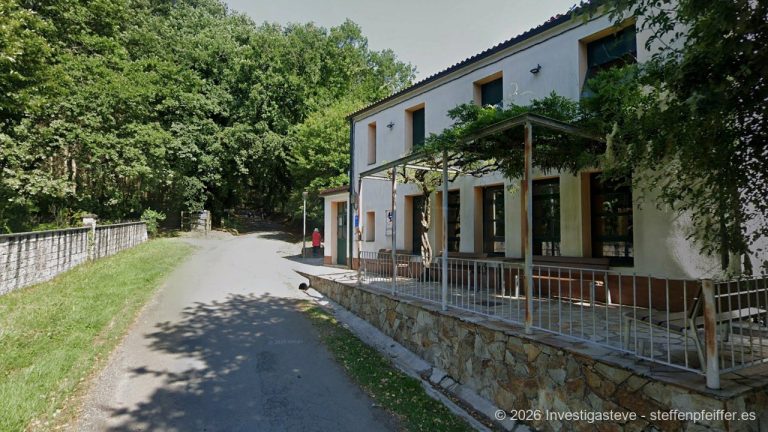
Casanova – The Stone Silence in the Green Corridor of the Ulloa
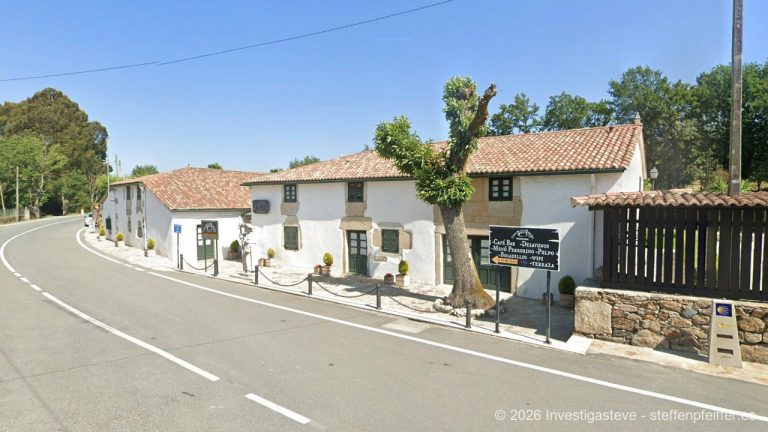
O Coto – The Threshold of Promise at the Gate to the Province of A Coruña
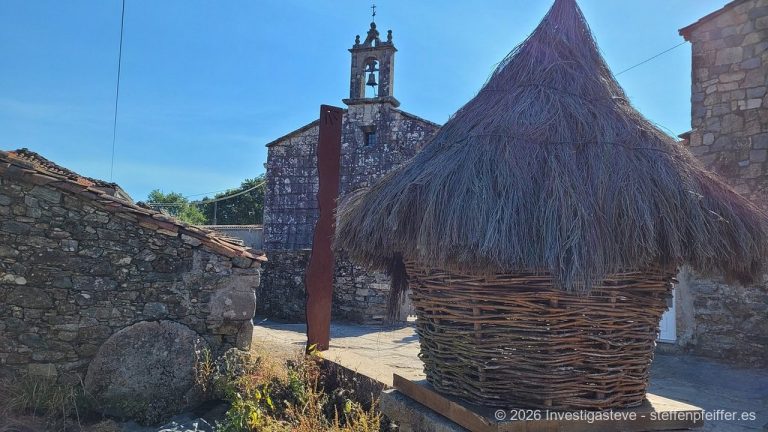
Leboreiro – The Stone Memory at Campus Leporarius
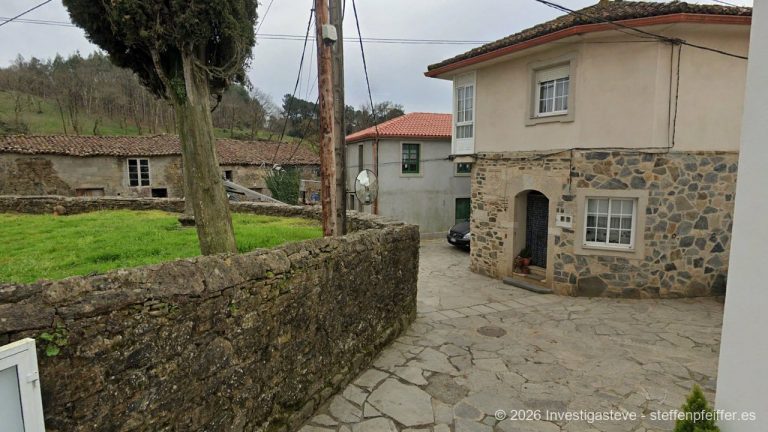
Furelos – The Stone Gateway to Fulfilment
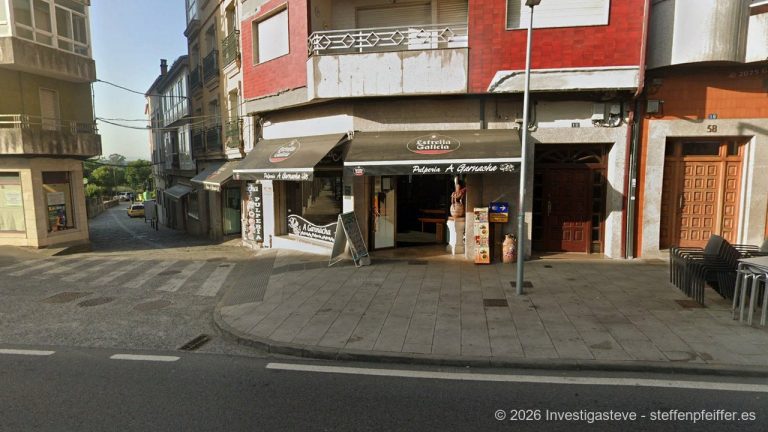
Melide – Where the Paths of Pilgrims' Hearts Merge
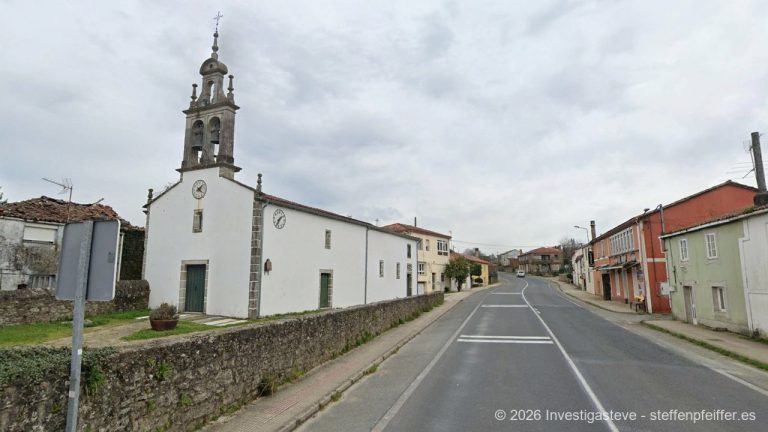
Boente – The Spiritual Healing Spring on the Way to Santiago
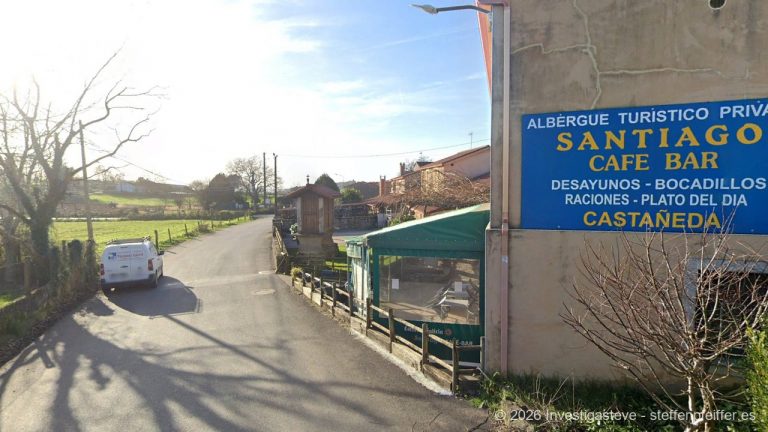
Castañeda – The Stone Heart of the Cathedral in the Chestnut Forest
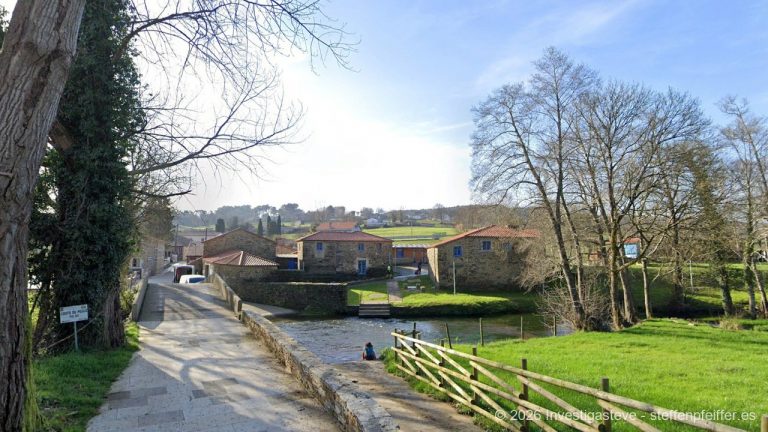
Ribadiso – The Stone Refuge on the Bank of Time