A First Glance – Introduction & Atmosphere
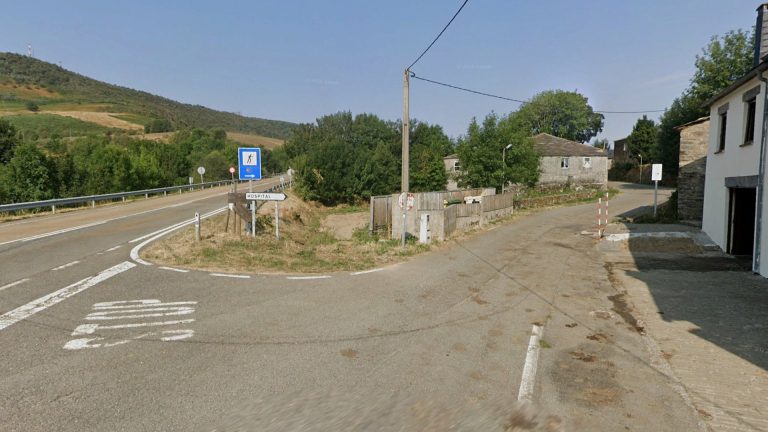
When you leave the bustling activity of Saint-Jean-Pied-de-Port behind, cross the historic bridge over the Nive, and face the relentless gradient of the Route Napoléon, a journey begins that will take you far beyond your physical limits. After only a few kilometres, with blood pounding in your temples and your lungs greedily gasping for the increasingly cool mountain air, a small ensemble of massive stone buildings appears as if from nowhere: Honto. Or Hunto, as it is called in the primal language of the Basques. It is not a village in the conventional sense, but a hamlet, a “Lieu-dit,” nestling like a defiant guardian against the mountain flank. Here, at an altitude of around 500 metres, you are welcomed by an atmosphere both raw and infinitely sheltered. The first glance back reveals the roofs of Saint-Jean, already sinking like toy houses in the depths, while before you the mighty silhouette of the Pyrenees rears up.
The air in Honto carries its own distinct signature. It is saturated with the scent of damp mountain grass, wild mint, and the tart, almost sharp aroma of the nearby sheep herds foraging on the steep slopes. You feel the texture of the moment in every fibre of your body. The wind, sweeping unobstructed over the ridges, tugs at your clothing and dries the sweat on your forehead to a salty crust in a fraction of a second. It is a feeling of absolute freedom, immediately mingled with humility before the sheer monumentality of the landscape. In this moment, the first euphoria of the start gives way to a deep, almost reverent calm. You hear nothing but the distant, metallic ringing of sheep bells, echoing like a natural carillon through the valley, and the dull, steady thud of your own poles on the firm, centuries-old ground.
Visually, Honto offers a stage that leaves you speechless. The massive facades of the Ferme Ithurburia, the heart of the hamlet, glow in a pale grey that stands in contrast to the lush, almost unreal green of the surrounding pastures. When the mist – that notorious white veil of the Pyrenees – drifts through the gorges, the contours disappear, and the world shrinks to a radius of a few metres. Then it smells of wet earth and the cool breath of the mountain. Honto is the place where you realise you have definitively left civilisation behind. It is the first caesura, the first milestone of a transformation that has only just begun. The weight of your backpack seems to take on a different meaning up here; it becomes part of your identity as you settle on the rough wooden benches and absorb the panorama of the Basque pre-Pyrenees.
What This Place Tells
The history of Honto is not recorded in great libraries, but in the massive foundations of its houses and the ancient route itself. This place is a product of the historical causality that has shaped the Way of St. James for over a millennium. It lies directly on the Via Agrippa, that ancient Roman road that once connected Bordeaux with Astorga. As you walk along the path, you move in the footsteps of legionaries, merchants, and later the troops of Emperor Napoleon Bonaparte, whose name this ascent bears today. Every stone, coloured silvery-grey by the lichens of centuries, seems to carry an echo of the past. For generations, Honto was the last safe haven for the shepherds of Lower Navarre before they moved with their animals into the inhospitable highlands.
The architecture of the hamlet is a lesson in Basque resilience. The buildings are not built for splendour, but to withstand the violent storms and snow masses of winter. The Ferme Ithurburia, which today welcomes pilgrims, was originally a farm deeply rooted in the subsistence economy of the valley. The massive stone walls, often over a metre thick, store the coolness of the mountain in summer and the warmth of the fire in winter. Here you feel the tangible weight of an existence that must submit to the rhythms of nature. The historical metamorphosis from a shepherd’s shelter to the first saving station for modern pilgrims tells of the indestructible attraction of this path. Honto is a palimpsest, upon which the traces of millions of wanderers have been inscribed over the centuries.
In the stories of the locals, Honto remains a mystical place. It is said that up here, the boundaries between the world of humans and the spirits of the mountains blur when the full moon bathes the rocks in a pale light. It is the home of Basque myths, of Basajaun and Mari, who are said to dwell in the nearby caves and forests. This spiritual dimension is often more tangible for the pilgrim than any date. The simple presence of the buildings amidst the rugged wilderness acts like a moral anchor point. Here you grasp that constancy is not created by volume, but by the patient endurance of time. Honto tells you of the necessity of simplicity and prepares you for the fact that true wealth on the Camino lies in the absence of the superfluous.
Addresses & tips in Honto
Camino Distances
In Honto, you have passed the first serious test of your equipment and your will. The distances are short, but every metre is hard-won.
| Previous Place | Distance (km) | Next Place | Distance (km) |
|---|---|---|---|
| Saint-Jean-Pied-de-Port | approx. 5.3 km | Refuge Orisson | approx. 2.6 km |
Sleeping & Arriving
Arriving in Honto is an experience of almost ritual intensity. After the countless steep hairpins from Saint-Jean-Pied-de-Port, where every step was a conscious decision against gravity, you reach the hamlet often with a feeling of complete physical depletion. The first thing you do is let your backpack slide from your shoulders. The sudden lightness of your body almost makes you stagger, while the sweat on your back freezes into a tingling shiver in the cool mountain air. In this moment, the Ferme Ithurburia becomes your entire universe. There is no longer any before or after, only the here and now on this small terrace hanging like a balcony over the abyss.
Checking in inside the house is marked by a busy but warm routine. The rooms smell of a mixture of old wood, damp hiking gear, and the tempting scent of freshly brewed coffee. The floorboards under your feet tell a story with every creak of the weight of the steps they carry throughout the day. The dormitories are functional and clean, but they radiate a very special cosiness. You feel the texture of the thin mattresses and the heavy blankets that will protect you at night from the cold that can strike relentlessly up here even in high summer. It is a place of reduction, where a pillow and a dry sheet become the greatest treasures. The water from the fountain in front of the door is ice-cold and tastes metallic and pure – a true drink of the gods for a dusty walker.
A central element of arriving is lingering on the forecourt. Here, pilgrims from all over the world sit, faces reddened by the sun, eyes still widened by the impressions of the ascent. Few words are exchanged, for the view does the speaking. You hear the rhythmic splashing of water from the washbasins, a sound that sounds like a promise. When you hold the first cool drink in your hands, you feel the spirits slowly returning. The tension in your calves gives way to a pleasant heaviness as you watch the shadows of the beeches in the valleys grow longer. It is a phase of inner consolidation, where the first euphoria of the start yields to a deep, serious determination. Staying overnight in Honto means adapting to the rhythm of the mountains – retiring early and setting off again with the first light of morning.
The emotional state of those arriving often shifts here from concern for endurance to appreciation of the moment. The awareness that you have already covered the first critical metres of altitude acts like a balm on the soul. In the security of the hamlet, the mind finds the peace it needs to process the monumental images of the landscape. You are no longer the tourist undertaking a hike; you become the pilgrim who has found their first firm foothold in the wilderness. The night in Honto is of a stillness almost physically tangible. Far from urban noise, you hear only the occasional rustling of the wind and the distant ringing of the herds. It is a collective rest before the next big step towards Orisson.
When dusk finally falls and the lights in the valley of Saint-Jean-Pied-de-Port far below begin to sparkle like tiny diamonds, an almost monastic atmosphere settles over the house. You step outside once more, feel the icy breeze on your face, and breathe deeply the pure, unused air. Arriving in Honto is not a mere stop; it is the initiation into life on the Camino. Here you realise that you are part of a long chain of people who have all sought the same thing: protection at altitude and the strength for the next morning. Exhaustion is not felt here as a burden, but as a deserved state, paving the way for a restful night. Honto does not give you much, but it gives you exactly what you need: a place to breathe.
Eating & Drinking
The food in Honto is as honest and powerful as the location demands. Here, cooking is not for fleeting effect, but for the substance a body needs when pitted against the mountains. When you sit down in the evening at one of the heavy wooden tables in the Ferme, the first thing served is often a hearty vegetable soup. It smells intensely of leek, potatoes, and good olive oil – an aroma that immediately awakens the spirits and dispels inner cold. The taste is salty, earthy, and immensely nourishing. You break the fresh, crusty bread with your hands and feel the firmness of the dough, ideal for soaking up the last trace of the spicy soup. It is a simple meal, but it possesses a dignity often sought in vain in star-rated restaurants.
An absolute must for every pilgrim stopping here is the local sheep’s cheese, often coming directly from the surrounding farms. The Ossau-Iraty is a tactile and gustatory experience of the highest order. It breaks brittlely under the knife and unfolds a complex aroma of nuts, wild herbs, and a fine, smoky note in the mouth. It is often accompanied by black cherry jam, whose sweetness perfectly balances the cheese’s tartness. In the warmth of the dining room, the smell of the cheese mingles with the scent of roasted coffee and the heavy, dark wine from the Navarre region, gleaming deep red in the glasses. The first sip of the wine settles like a warming fur over your palate and lets the fatigue fade from your limbs. You taste the Spanish sun and the coolness of the Pyrenees in every drop.
To finish a meal, a piece of “Gâteau Basque” must not be missing. This crumbly cake, often filled with a fine cream or cherries, is the culinary soul of the Basque Country. The scent of fresh butter and vanilla fills the room when the cake is served. The first bite is a revelation: the firmness of the pastry harmonises perfectly with the creamy filling. It is a taste that immediately makes you forget the day’s exertions. Drinking in Honto is an act of community; you toast to the successful start and the uncertainty of the next day. In the warmth of the room, surrounded by the laughter of fellow pilgrims, eating becomes a form of communication that goes far beyond words. You leave the table not only satiated but with the feeling of being part of a large, hungry, and hopeful family.
Supplies & Logistics
Logistically, Honto is a place of absolute concentration on the necessary. Up here, there are no supermarkets, no pharmacies, and no ATMs. That makes the preparation for this section so crucial. Honto is a functional base that forgives no mistakes but impresses with its clarity. Everything needed here must be laboriously brought up via the narrow road from the valley, lending the place an aura of exclusivity.
Shopping: There is no shop in the classic sense in Honto. Pilgrims must ensure they have brought sufficient supplies from Saint-Jean-Pied-de-Port. In the Ferme Ithurburia, you can only purchase small snacks and water for the onward ascent. The smell in the small sales area is a mixture of plastic packaging and the metallic aroma of chilled drinks.
Gastronomy: Catering is limited to the hostel’s guests. There is a fixed dinner menu and a hearty breakfast that gives pilgrims the necessary energy for the path to the Refuge Orisson. The strong café au lait in the morning is often the only signal that rouses the hamlet from its sleep.
Accommodation: Capacity is very limited. The Ferme Ithurburia offers places in dormitories and a few private rooms. Due to the strategic location, early reservation is absolutely essential, as Honto is the first natural catchment area for those who have underestimated the ascent.
Public Facilities: Apart from the public fountain, whose water is ice-cold and of excellent quality, there are no official facilities. There are rest points with benches, positioned so you can enjoy the view over the valley while refilling your water bottles.
Supply at Honto is characterised by a warm directness. The people here are used to pilgrims but still treat them with genuine Basque hospitality. Should you have a technical problem with your equipment, you will often be helped with a calm, matter-of-fact ease. The logistical strength of the place lies in its compactness. You don’t have to walk far to replenish your supplies or find a place to sleep. Everything is concentrated on this one building complex, which is an invaluable advantage for the weary pilgrim. Honto is your first logistical safety line on the mountain, a place that proves you can get very far with very little.
Don’t Miss
Although Honto is small, there are details with deep symbolic power that you should definitely not overlook.
1. The Table d’orientation: A short distance above the hamlet, this orientation table offers a fantastic overview of the surrounding peaks and valleys. It is the perfect place to grasp the dimensions of your path.
2. The sunset over the Nive valley: Watch how the light bathes the roofs of Saint-Jean-Pied-de-Port in a deep gold, while the shadows in Honto are already turning violet. A moment of absolute silence.
3. The portal of the Ferme Ithurburia: Admire the massive stone arches and the heavy wooden gates. They tell of the defensibility and long tradition of this house.
4. The public fountain: Take a deep drink from the central fountain. The water is a direct connection to the mountain massif and cools you to the marrow.
5. The ringing of sheep bells at dawn: When the hamlet is still shrouded in mist, this sound is the acoustic signature of the Pyrenees and marks the beginning of a new pilgrim day.
Insider Tips and Hidden Places
Beyond the marked pilgrim path, Honto hides corners that radiate an almost eerie beauty. If you follow the narrow paths behind the Ferme that lead east through the low broom bushes, you soon reach a group of flat stone slabs protruding from the slope like a natural altar. Here, away from the voices of fellow pilgrims, you are alone with the wind. You feel the cool dampness of the stone beneath you and smell the sharp, spicy scent of the thyme growing in the cracks. It is a place of absolute isolation, ideal for meditation or simply to feel your own existence in this immense landscape. Up here, time seems to stand completely still, and the world’s hustle is light-years away.
Another hidden place is a small natural depression below the hamlet, where water from a tiny spring collects. It is a green emerald amidst the grey rock. Here, rare alpine flowers grow, whose colours glow almost unreal in the clear light of the altitude. The soft splashing of the water is the only sound breaking the silence. It is an ideal spot to cool your feet, away from the eyes of others. The cold of the water is a sensation that instantly washes the fatigue from your limbs and reconnects you with the elemental power of nature. The ground here is soft and mossy, a rare luxury in this otherwise so rocky environment.
Also look for the old remains of an original Borda, located a little away from today’s main building. These stones tell of the hard work of the shepherds who lived here for centuries under the simplest conditions. When you place your hand on the rough, lichen-covered rock, you feel the continuity of history. These ruins are silent witnesses to a time when life in the mountains was still a constant struggle. They lend the modern comfort of the hostel a deeper, more serious dimension. In these hidden details lies the true magic of Honto – it is a place that gives its secrets only to those willing to leave the beaten path for a moment.
When the mist rolls over the hamlet like a white blanket early in the morning, you should step outside for a few minutes. The world is then shrunk to the radius of your arm’s length. You hear only your own breath and the distant dripping of dew from the fence wires. In this absolute reduction of the senses, a spiritual metamorphosis takes place. You feel small and vulnerable, but simultaneously completely one with the mountains. These moments of total presence make Honto an unforgettable part of your journey. It is the discovery of slowness in a place that tolerates no haste. These undiscovered corners are the true treasures of the altitude, teaching you to walk the path not just with your legs, but with your heart.
Moment of Reflection
Honto marks for the pilgrim the moment of the great inner shedding. Here, at the end of the first strenuous ascent, the chaff begins to separate from the wheat. You realise that the path is not a walk in the park but a serious confrontation with your own limits. The euphoria of the start has given way to the reality of gravity. In the silence of the ridge, a spiritual metamorphosis takes place: the worries of your old life begin to fade in the vastness of the valleys, while the elemental questions of your existence emerge more clearly in the thin air. Why am I here? What am I really leaving behind? The massive presence of the mountains forces you into an honesty often lost in everyday life.
In the security of the stone house, surrounded by people who have all undertaken the same adventure, a deep reflection on the value of community often arises. You recognise that despite your individual journey, you are reliant on the help and presence of others. The historical weight of the place, the memory of Napoleon’s legions and the pilgrims of the centuries, gives your own actions a deeper meaning. You are part of an endless procession of seekers. This realisation is strangely comforting. Your own exhaustion is ennobled here by the tradition of the Way. In Honto, you learn to endure silence and understand it as space for inner growth. You leave this place not as the same person who entered it – you have now definitively become part of the Camino.
Camino of the Stars
This place lies on the Camino Francés (Route Napoléon), on the stage from Saint-Jean-Pied-de-Port to Roncesvalles. The sequence of places is:
Saint-Jean-Pied-de-Port → Honto → Refuge Orisson → Auberge Borda → Roncesvalles
Did you also feel that moment of perfect peace in Honto while gazing over the Nive valley? Was it the warm welcome at the Ferme Ithurburia or the ice-cold water of the fountain that gave you new strength? Share your experiences at this first stone guardian of the Pyrenees with us! Every story enriches the community of pilgrims and helps others find the courage for the first ascent. We look forward to your very personal story from Honto!
About the Author