First Glance – Introduction & Atmosphere
When you begin the gentle descent from the seemingly endless vineyards of the Bierzo and the valley widens before you, where the Río Burbia and the Río Valcarce flow together like two silver ribbons, you feel it immediately: Villafranca del Bierzo is no ordinary place. It is as if time here takes on a dense, almost tangible consistency. The first step onto the historic pavement of the city feels like entering a living archive of pilgrimage. You hear the steady rush of water sweeping under the stone arches of the medieval bridges, mingling with the distant, melancholic sound of church bells setting the rhythm of a life that has hardly changed for centuries. The air up here is spicy; it carries the tart scent of damp slate, the sweetish hint of fermenting grapes, and the heavy aroma of fireplace smoke rising from the chimneys of the coat-of-arms-adorned palaces.
Villafranca welcomes you with a majesty that involuntarily makes you pause. It is the “Little Compostela,” a place where the promise of the destination becomes physically tangible. As you walk along Calle del Agua, you feel the coolness of the massive granite walls on your fingertips and see the light breaking in the smooth stones polished by millions of feet. It is a haptic experience of permanence. Psychologically, this place marks a caesura: behind you lies the heat of the Meseta and the hills of the Bierzo; ahead of you, the mountain mass of O Cebreiro looms threateningly and majestically. Villafranca is a place to catch your breath, a refuge of mercy where the exhaustion of past weeks turns into awe-filled anticipation. Here, the pilgrim becomes the chronicler of his own journey as he passes under the stony eyes of margraves and saints.
What This Place Tells
Villafranca del Bierzo is a place of miracles and legal grace, deeply rooted in the spiritual DNA of the Way of St. James. The city owes its origin in the 11th century directly to the pilgrim stream. Founded as “Villa Francorum,” the village of the Franks, it was a cosmopolitan melting pot from the start. But the most important story whispered by these walls is that of the Iglesia de Santiago and its legendary “Puerta del Perdón,” the Gate of Forgiveness. Since the 12th century, this Romanesque portal has held a unique authority: pilgrims who could no longer continue the way over the mountains to Santiago de Compostela due to illness or complete exhaustion received here – provided they passed through this gate – the same indulgences and the same spiritual forgiveness as at the tomb of the apostle. It is a place of ultimate empathy, a testament that the way always valued the heart of the pilgrim more than mere physical endurance.
The Calle del Agua, the main artery of the old town, tells a more worldly, but no less impressive story of power and wealth. As you walk past the Baroque facades of the palaces of the Marquises of Villafranca, you see stone coats of arms so large and detailed that they almost dominate the entire facade. Here resided the administrators of the Bierzo, who protected the pilgrim stream and at the same time profited from it. Every building, such as the Palacio de Torquemada or the Casa Morisca, is a haptic monument to the city’s heyday in the 16th and 17th centuries. You feel the historical causality in every joint: without the Way of St. James, this wealth of art and architecture would not exist. Villafranca was the cultural bulwark before the rugged Galician mountains, a place where Jesuits, Franciscans, and Benedictines built their monasteries like spiritual fortresses into the rock.
But Villafranca also tells of literary depth and tragic heroes. The poet Enrique Gil y Carrasco, the voice of Spanish Romanticism, found his inspiration here, and his spirit still seems to blow through the gardens of the Alameda. It is this mixture of courtly splendor, monastic austerity, and the harsh nature of the mountains that makes Villafranca so unique. When you stand before the massive Colegiata de Santa María, whose construction spanned centuries, you grasp the slowness and perseverance that shape this valley. Here, history is not served as dry dates, but as a living atmosphere that envelops you like the mist rising from the Burbia River in the morning, letting the contours of the margraves’ castle disappear into mystical gray.
Addresses & tips in Villafranca del Bierzo
Camino Distances
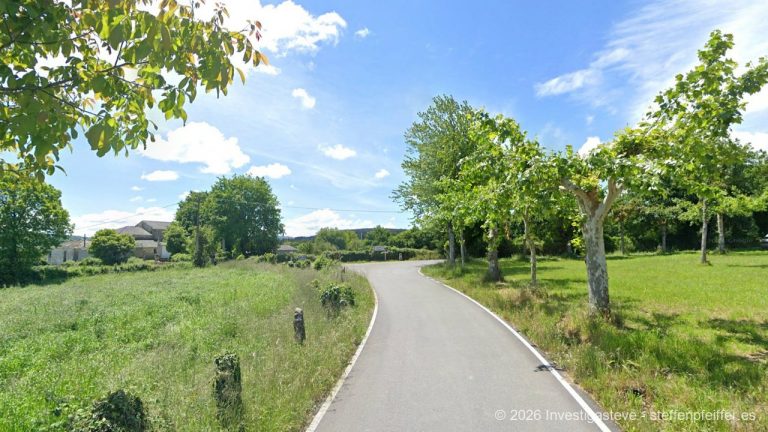
After about five kilometers of steady walking through the fertile wine-growing areas, past the last outposts of Pieros, the valley opens and presents the majestic panorama of Villafranca del Bierzo.
Sleeping & Arriving
Arriving in Villafranca del Bierzo is a ritual act of relief, reflected in the haptic experience of setting down your load. When the backpack slides from your shoulders and the sudden feeling of weightlessness floods your back, the psychological regeneration begins. The city offers a range of accommodations as diverse as the pilgrims themselves. The Albergue de la Piedra, located directly on the Camino, welcomes you with thick stone walls that keep out the heat of the day and radiate a cool, almost monastic calm. Here you hear the soft creaking of the wooden bunk beds and the gentle rustle of sleeping bags – a sound that takes on special meaning in Villafranca, as many pilgrims have to make a decision here about their onward path.
For those seeking a touch of luxury after the asceticism of recent days, the Parador de Villafranca offers a completely different haptic experience. The feeling of fresh, heavy cotton sheets on your skin and the view from the high windows onto the vineyard slopes of the Bierzo make you forget the hardships of the kilometers. Here, the smell of floor wax and old leather mingles with the scent of the hotel’s own gardens. Arriving in Villafranca is often characterized by emotional ambivalence: on one hand, the comfort of the city beckons; on the other, you feel the psychological pressure of the impending O Cebreiro. In the private hostels like Albergue Leo or Micro-Hostal La Puerta del Perdón, you feel the familial warmth of the hospitaleros, who have often walked the way themselves and know exactly when a pilgrim needs a hug or just a glass of cool water.
In the evenings, the squares, especially the Plaza Mayor, fill with a colorful community. You sit there, perhaps with your burning feet dipped in the cool fountain or just stretched out, and watch the hustle and bustle. It is a cacophony of languages – German, English, Spanish, Galician – that dissipates in the gentle evening wind. Arriving in Villafranca means being part of a centuries-old chain. You feel the metamorphosis from wanderer to pilgrim most clearly in that moment when you stand before the Iglesia de Santiago and realize that you have arrived at a place of absolute grace. Here, the bed becomes a holy resting place and the shower becomes a ritual washing before the last great obstacle of the journey.
Eating & Drinking
The culinary world of Villafranca del Bierzo is a powerful explosion of earthy tones and Atlantic freshness. Here, in the “garden of León,” Botillo reigns – an almost archaic-looking meat specialty whose scent of smoked paprika, garlic, and heavy meat wafts through the alleys as early as noon. When you taste the first bite of this hearty dish, you feel the energy of the region rising within you. Botillo is not a snack; it is a haptic experience celebrated with robust country bread and your fingers. The texture is coarse, honest, and deeply satisfying, exactly what your body craves after twenty kilometers. It is accompanied by Empanada Berciana, which differs from its Galician sister by the addition of potatoes to the dough – a culinary symbol of the city’s border location.
In the wine bars of Calle del Agua or at the tables of Mesón Don Nacho, wine takes center stage. Mencía, the king grape of the Bierzo, sparkles in the glass like liquid velvet. Its aroma of wild berries, cherries, and a fine slate minerality is the essence of the soil over which you have just walked. It is a sensory revelation: you drink the landscape. The contrast between the cool dampness of the cellar and the warmth of the wine in your throat creates a deep feeling of security. For those who prefer something lighter, Godello white wine offers a zesty, floral note that pairs perfectly with a portion of Pimientos del Bierzo (roasted peppers), which are so sweet and tender in Villafranca that they practically melt on your tongue.
Eating in Villafranca in the evening means embracing a slow, almost meditative pace. You hear the clatter of plates, the laughter of the locals, and the hiss of beer taps. A special experience is a visit to Vina Femita, where modern cuisine meets old tradition, and the taste of fresh octopus or regional veal reminds you of the approaching border to Galicia. The food here is preparation for the mountains – rich in calories and even richer in stories. When you finish with a small shot of Aguardiente de Hierbas (herbal liqueur), you feel the warmth glide down your esophagus, giving you the certainty: this place nourishes not only your body but also your soul for everything yet to come.
Supplies & Logistics
Logistically, Villafranca del Bierzo is the last major “base camp” before the wilderness of the Galician mountains. Here, the pilgrim calibrates his gear one final time. The city offers full supplies that will not be available in this density for the next 30 kilometers over the mountain mass. When you step into the Farmacia on Avenida Paradaseca, it smells of disinfectants and essential oils. Here you stock up on Compeed blister plasters, magnesium, and sunscreen. The pharmacists here are often also psychologists: a quick glance at your gait is enough for them to know exactly what your feet need for the ascent to O Cebreiro. It is a logistics of care that gives you back the confidence to conquer the mountain.
The supply of food in Villafranca is excellent, even though the town does not have a huge modern hypermarket in the center. The small tiendas and bakeries offer everything necessary: solid bread that won’t go hard by the next day, local cheese that fits into your backpack compartment, and the famous apples of the Bierzo, bursting with juice. A visit to the Carnicería Pedro on Plaza Mayor provides you with air-dried ham, the perfect hiking provisions. The city has several ATMs, which is essential since in the small mountain villages like La Faba or Laguna de Castilla, cash is the only accepted currency. Here you replenish not only your backpack but also your store of courage.
Shopping: Several small supermarkets, bakeries (open from 6:30 AM), and specialized butcher shops for regional delicacies.
Gastronomy: An enormous density of bars, restaurants, and cafés covering everything from a quick breakfast to an upscale dinner.
Accommodation: Over 15 different options, from the municipal hostel to church-run houses to the 4-star Parador.
Public Facilities: Tourist office (excellent maps), health center (Centro de Salud), post office, and regular bus connections (ALSA) to Ponferrada or Lugo.
In summary: anyone who leaves Villafranca del Bierzo without checking their supplies and gear is acting negligently. The city is the logistical lock into a new chapter of the way. It is also advisable to do laundry here (there are several lavanderías), as drying options in the often foggy Galician mountains are uncertain. Here, daily life is perfectly organized so that you can have a clear head in the mountains for what truly matters.
Don’t Miss
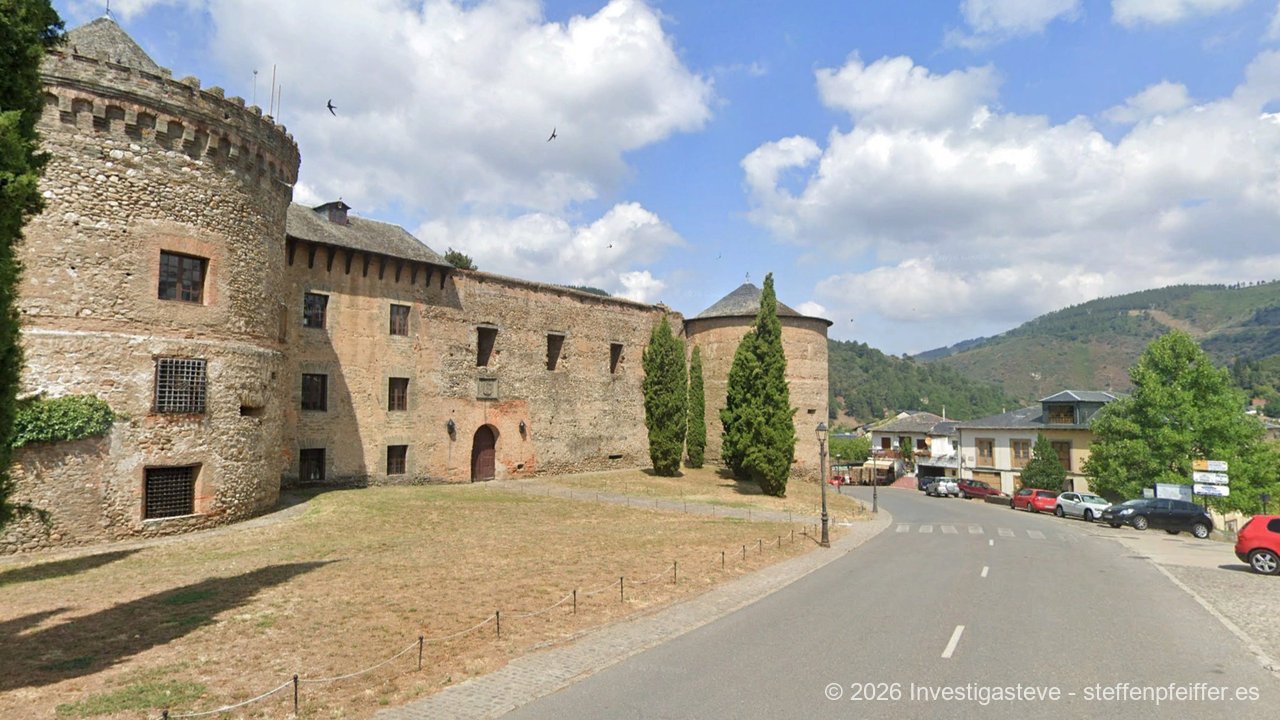
– Iglesia de Santiago & Puerta del Perdón: An absolute must. Stand before the Romanesque north portal and feel the spiritual force of this place. It is the only gate outside of Santiago that grants forgiveness of sins. – Calle del Agua (Water Street): Stroll through this street, which feels like an open-air museum of Baroque architecture. Pay attention to the coats of arms above the doors – each tells a proud family history. – Castillo de los Marqueses de Villafranca: The massive round towers of this 16th-century fortress dominate the upper town. Even though it is privately owned, the view from outside is a must for every castle enthusiast. – Colegiata de Santa María: An immense building with an impressive dome. The acoustics inside are phenomenal, inviting you to pause. – Convento de San Francisco: Admire the Mudéjar wooden ceiling – a masterpiece of Moorish craftsmanship in the Christian north. – La Alameda: The central city garden. A perfect spot for a siesta under shady trees, letting your feet relax in the grass. – Plaza Mayor: The beating heart. Here you drink your first wine and watch the arrival of other pilgrims. – The view from the Burbia Bridge: Look down at the river and see the trout standing in the clear water – an image of peace. – Museo de Ciencias Naturales: Hidden in the Convento de San Nicolás, it offers a quirky and fascinating collection on the flora and fauna of the region.
Insider Tips & Hidden Places
Off the beaten pilgrim paths, Villafranca del Bierzo reveals its most intimate secrets. One of these places is the small path that leads along the bank of the Río Burbia, far from the main road. Here, where the willow thicket is so dense that it swallows the sounds of the city, you find small natural swimming spots. The water is ice-cold and clear; it is a haptic miracle for swollen pilgrim feet. In the midday silence, you hear only the hum of dragonflies and the gurgle of the current. It smells of mint and wet stone – a place to shed the identity of “kilometer-eater” for a moment and simply be human.
Another hidden treasure is the Convento de San Juan de la Penitencia. Pilgrims often walk past its plain exterior carelessly, but inside hides an altarpiece of rare beauty and a silence that feels almost sacred. Here you can hear the nuns singing if you come at the right time – an auditory experience that goes straight to the heart. Those who dare the ascent to the castle and then take the narrow path further toward the vineyards of “Viña Femita” will be rewarded with a view that no postcard photographer could capture: Villafranca lies at your feet, framed by the distant peaks of the Ancares, while the evening sun turns the slate roofs into pure gold.
On Calle del Agua, the “Casa Morisca,” the oldest house in the city, is also hidden. Its facade is unassuming, but if you look at the details, you recognize the architectural causality of the Jewish and Moorish history of Villafranca. Another tip is the small bar “El Bendito,” where the wine list is not printed paper but the passionate stories of the owner about his Mencía grapes. Here, the wine tastes of the dust of the surrounding hills. These hidden corners challenge you not just to pass through Villafranca, but to inhale it. The sparkle of quartz in the stone walls at sunset is a haptic-visual gift for those who walk slowly.
Moment of Reflection
Villafranca del Bierzo is the place of great decision and silent metamorphosis. Here you stand psychologically at a crossroads. You look back on the flat land that demanded so much of you, and simultaneously feel respect for the mountains. The existence of the “Puerta del Perdón” poses an almost philosophical question: Do you accept your limits, or do you challenge your fate further? It is a place that teaches you that mercy is often more important than stubbornly reaching a goal. In the silence of the night in Villafranca, when the wind sweeps through the arcades of the Plaza Mayor, you reflect on your own resilience.
Do you feel the change within you? The person who set out weeks ago from the Pyrenees hardly exists anymore in Villafranca. You have become a being of longing and calluses, your senses sharpened for the essential. The historical depth of this place gives you the necessary grounding. You are not the first to doubt here, nor the first to gather new courage here. The metamorphosis takes place among the old palaces and the rushing rivers: you learn that the way leads you, not you the way. Villafranca gives you forgiveness for your mistakes and the strength for the ascent. It is the moment when you recognize that every step is a form of prayer, whether you are a believer or not. The mountain calls, but the city holds you one last time to bless you.
Camino of the Stars
This place lies on the Camino Francés, on the stage from Ponferrada to Villafranca del Bierzo (or the continuation to O Cebreiro). The sequence of locations is:
Ponferrada → Columbrianos → Fuentesnuevas → Camponaraya → Cacabelos → Pieros → Villafranca del Bierzo → Pereje → Trabadelo → Ambasmestas → Vega de Valcarce → Ruitelán → Las Herrerías → La Faba → Laguna de Castilla → O Cebreiro
Did you feel the grace of the Puerta del Perdón or lose yourself in the Baroque alleys of Calle del Agua? Perhaps a glass of Mencía in a hidden bar gave you back the courage for O Cebreiro? Share your story of Villafranca with us – in English, Spanish, French, or Galician. Your experiences bring this path to life for fellow pilgrims.
About the Author