First Glance – Introduction & Atmosphere
When you leave Villafranca del Bierzo behind, that monumental place that already exudes the breath of the destination with its “Puerta del Perdón,” the path leads you into the deep, green heart of the Valcarce Valley. Pereje is the first herald of a landscape metamorphosis that challenges the pilgrim physically and psychologically. It is a place of thresholds. You feel here how the ground beneath your boots becomes softer, saturated by the humidity of the nearby river, whose murmur accompanies you like a constant, deep bass. The air smells different here than on the plain – it is heavier, cooler, impregnated with the tart aroma of the ancient chestnut groves and the damp scent of moss that lies like a velvety fur over the gray slate walls. It is the olfactory signature of the transition from Castilian harshness to Galician mysticism.
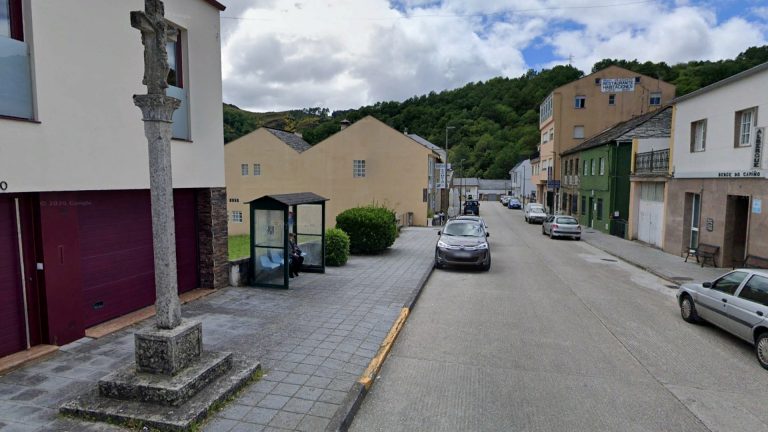
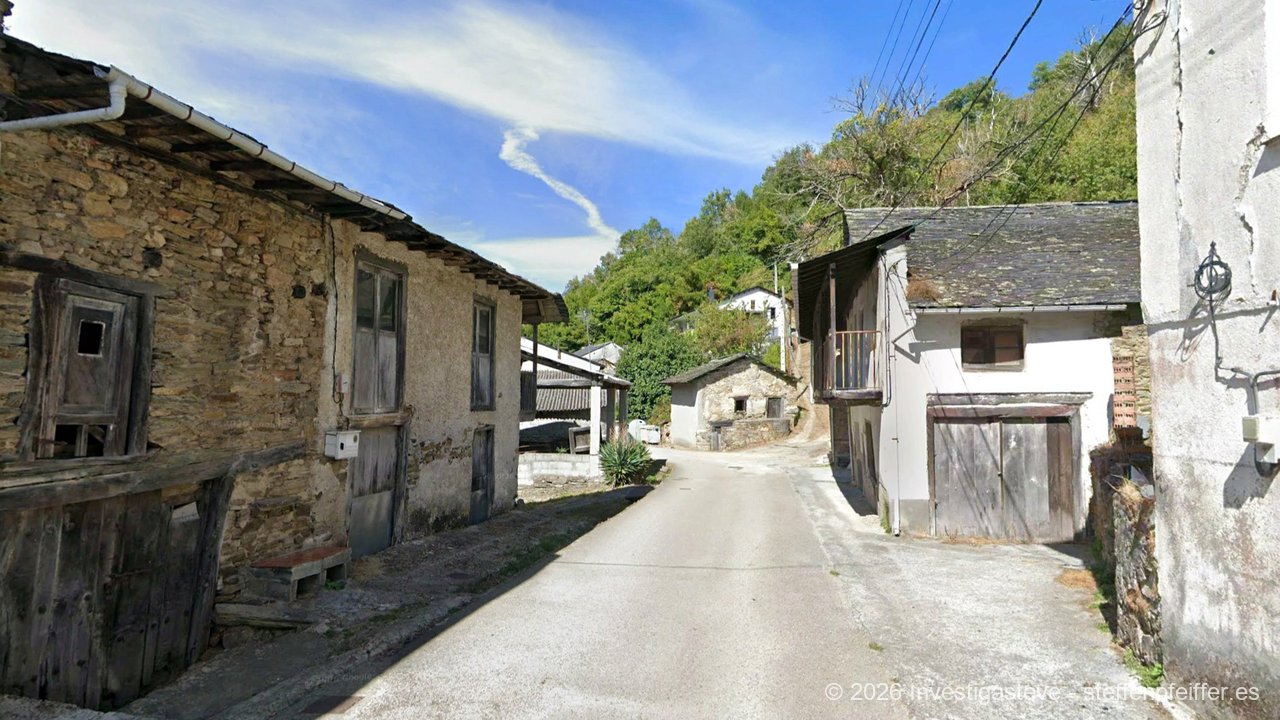
Pereje welcomes you with a silence that is almost physically tangible. Here, in the narrow corridor between the steep mountains, time seems to have a different consistency; it does not flow, it lingers. The rhythmic tapping of your hiking poles on the asphalt of the old main road, which runs through the hamlet like a forgotten lifeline, forms the only artificial contrast to the whisper of the water and the distant, metallic ringing of cowbells wafting down from the slopes. It is a haptic experience to touch the rough, cold texture of the slate from which the crouched houses are built. Pereje is not a place of loud celebration, but a refuge of inner reflection, a psychological gate that teaches you to embrace the solitude of the valley before the mighty ascent to O Cebreiro will finally push you to your limits the next day.
What This Place Tells
The stones of Pereje are silent witnesses to one of the bitterest power struggles in the history of the Way of St. James. As early as the 12th century, when the stream of pilgrims had swelled into a mighty current, this small hamlet became a bone of contention between two ecclesiastical giants. On one side stood the powerful Abbey of Cluny, asserting its influence from Villafranca del Bierzo, and on the other the Galician monastery of Samos, which controlled the pass height via the sanctuary of O Cebreiro. It was about more than just salvation; it was about taxes, tithes, and the lucrative care of exhausted wanderers. Pereje lay exactly at the seam of these spheres of interest. The historical causality of this conflict can still be sensed in the village structures today – it is a place that learned to survive between the fronts.
It is still told in hushed tones today of the “pilgrim prison” that the monks from O Cebreiro built here to assert their claim to the village and to bring recalcitrant subjects or even competing pilgrim caregivers to reason. It is a dark nuance in the bright picture of pilgrimage, a psychological reminder that the way has always been a mirror of human ambitions. The small Iglesia de Santa María Magdalena, which stands simply and defiantly in the village center, once housed a Hospital that offered shelter to the sick and weak. Its name recalls the tradition of penance and purification. When you stand before its Romanesque portal, you feel the weight of centuries; the stone seems to have absorbed the prayers and despair of those who made their last stop here in the Middle Ages before the dreaded ascent into the mountains.
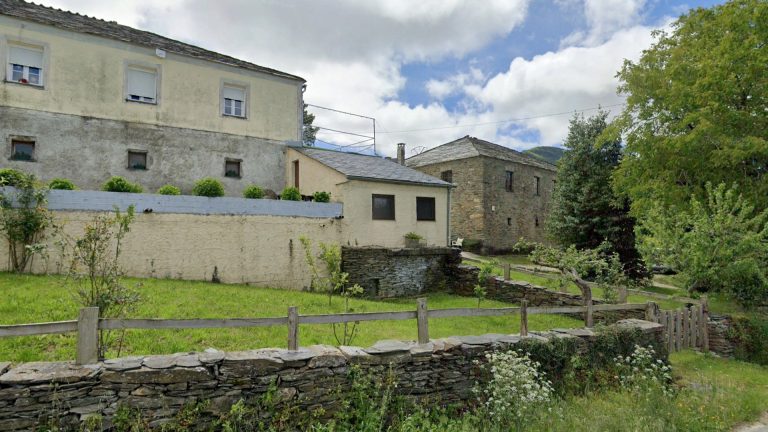
Today, Pereje is a place of contemplation. The architecture with its characteristic wooden balconies, the “corredores,” testifies to a vernacular building style perfectly adapted to the harsh climate. Every house tells of the frugality of the inhabitants, who have lived for generations from the rhythm of the harvest and the passage of pilgrims. Pereje is a living archive of the Camino Francés – a place that shows you that true meaning is often found in the smallest, most inconspicuous niches of history. It is the village of walls (Paredes), as its name suggests, and yet today it is a place where the pilgrim’s inner walls slowly begin to crumble as he immerses deeper into the green infinity of the Valcarce Valley.
Addresses & tips in Pereje
Camino Distances
After about five kilometers of gentle entry into the valley, starting from the western exit of Villafranca, the narrow path opens into the silence of Pereje.
| Previous Location | Distance (km) | Next Location | Distance (km) |
|---|---|---|---|
| Villafranca del Bierzo | approx. 5.0 km | Trabadelo | approx. 5.0 km |
Sleeping & Arriving
Arriving in Pereje is an act of conscious decision against mass tourism. Those who set their shoes down here are not seeking the infrastructure of a tourist hotspot, but the archaic simplicity of a pilgrim’s rest as it existed centuries ago. The Albergue Municipal, often just a simple stone house with a few beds, is a place of radical reduction. There is no glittering luxury here, only the bare necessities: a roof over your head, the creaking of the wooden bunk beds, and the knowledge that tonight you are one of the few chosen ones who share the silence of the place. It is a haptic experience of a special kind when the coolness of the stone walls sucks the heat of the day from your limbs and you wrap yourself in your sleeping bag while outside the river sings its eternal song.
The psychological effect of staying overnight in a place with only 45 inhabitants is immense. When the day-trippers and fast hikers have long since moved on to Trabadelo or Vega de Valcarce, a holy peace settles over Pereje. The pilgrim’s metamorphosis takes place here in the half-darkness of the small hostel. You are far from the hustle and bustle of the “hostel factories” and feel a deep connection to nature and the few companions who have also stopped here. It is an arrival at yourself. The water in Pereje, which flows from the mountain springs directly into the fountains, has a purity you can almost taste – it is ice-cold and instantly revives your tired spirits.
In the few inhabited houses, you often see the flickering light of fireplaces in the evening. The smell of burning birch wood mixes with the scent of damp earth, creating an atmosphere of security in the wilderness. Those who stay in Pereje accept the uncertainties – often you have to ask for the key in the local café or from a neighbor. But it is precisely this ceremony of searching and finding that makes the stay unforgettable. It is a slow, deliberate arrival that teaches you that the way consists not of milestones, but of moments of peace. In Pereje, you are not a guest; for one night you are part of a thousand-year-old silence.
Eating & Drinking
The culinary experience in Pereje is as brittle and honest as the landscape of El Bierzo. In the small local bar, which is often the only social anchor for pilgrims and locals alike, the principle of simplicity reigns. Here you don’t order an elaborate three-course meal, but an honest “bocadillo de jamón” or a portion of “tortilla de patatas” that tastes of home cooking and heart. The taste is intense: the salt of the ham, the sweetness of the potatoes, and the aroma of olive oil, which in this region still has a deep, earthy note. It is food for the body that seems to come directly from the ground on which you walk.
Especially in the cooler morning hours or when the mist creeps damply through the valley, a “café con leche” in the bar of Pereje is more than just a drink – it is a haptic ritual. The warmth of the cup in your hands, the aroma of freshly ground beans, and the creaminess of the local milk give you the necessary energy for the coming kilometers. If you are lucky, you will be offered a piece of homemade chestnut cake. The chestnut here in the Valcarce Valley is more than just a fruit; it is a cultural heritage. Its nutty, slightly sweet taste is the essence of the forests through which you move.
In the evening, when you sit on one of the benches in front of the church and drink a glass of local red wine – one of those heavy, dark drops from the Mencía grape – you feel the historical causality of the region. The wine tastes of slate, of sun, and of the hard struggle of the winegrowers against the steep slopes of the Bierzo. It warms you from within and lets you forget the effort of the day. In Pereje, you eat slowly, almost meditatively, because there is no distraction. Every bite, every sip becomes a sensory inventory of your journey. Here you learn to appreciate the value of a simple meal, which becomes a feast for the senses in the silence of the valley.
Supplies & Logistics
Logistically, Pereje is a place of self-reflection and foresight. Since there are no supermarkets or pharmacies here, the pilgrim is required to plan his needs already in Villafranca del Bierzo. This infrastructural reduction is a conscious part of the experience on this section of the Camino Francés. Those who stop in Pereje must learn to make do with what they carry in their backpack. It is a lesson in autonomy. The lack of commercial distractions sharpens the eye for the essentials: water, bread, and rest.
The supply in the village is limited to the small bar, which functions as an unofficial information center and supply depot. Here you can refill your water bottles with the cool water from the village fountain, which is so fresh that it almost tingles on the tongue. For medical emergencies or the purchase of special equipment, you are dependent on neighboring Trabadelo or the way back to Villafranca. This seclusion creates a psychological sharpness – you become aware of your dependence on your own preparation. Being in Pereje means leaving the logistical security of the city behind and trusting the rhythm of nature.
Shopping: There are no shops in Pereje. Supplies must absolutely be purchased in Villafranca del Bierzo before entering the valley.
Gastronomy: The only bar in the village offers basic provisions such as drinks and simple snacks (bocadillos). Do not rely on a hot dinner outside of the season.
Accommodation: The municipal hostel is very basic. It is advisable to inform yourself in advance about the current opening status, as this may be irregular.
Public Facilities: Apart from the church, there are no public services. In an emergency, the nearest police station or health center is in Villafranca.
Overall, the logistics in Pereje are characterized by reduction. It is a place for pilgrims who not only endure simplicity but seek it. Those who end up here often do so unplanned or from the deep longing for a place that is determined not by the rhythm of consumption, but by the flow of water and the growth of trees.
Don’t Miss
– Iglesia de Santa María Magdalena: A silent testimony of the past. Pay attention to the simple Romanesque details that, despite Baroque overforming, carry the spiritual weight of the centuries. – The slate architecture: Look closely at the roofs of the houses. The dark slate is often laid here in a masterly manner and shimmers in a thousand shades of gray in the rain. – The murmur of the Valcarce River: Find a spot off the road on the bank. The water is the voice of the valley here – an auditory experience that cleanses the mind. – The ancient chestnut groves (Sotos): The trees around Pereje are among the oldest along the way. Their gnarled trunks are haptic works of art of nature. – Traditional “corredores”: The wooden balconies on the old stone houses are typical of the Bierzo. They are the box seats of village life. – The “toll past”: Trace the history of the Portazgo. Imagine how guards blocked the way here in the Middle Ages – a psychological contrast to today’s pilgrim freedom. – The statue of Mary Magdalene: In the church, you often find a depiction of the patron saint, reminiscent of repentance and new beginnings – central themes of every pilgrimage. – Evening atmosphere under the motorway viaduct: A fascinating visual contrast. Stand under the huge concrete pillars and feel the tininess of humanity against modern technology and the eternal mountains.
Insider Tips & Hidden Places
Off the paved main path, Pereje reveals its true treasures only to those willing to slow down. One such place is the small path behind the church that leads directly to the riverbank. There are flat stone slabs that are warmed by the sun in summer while the ice-cold water of the Valcarce rushes by just centimeters away. It is the perfect place for a meditative break, far from any noise. Here it smells of mint growing wild on the bank, and the light breaks into millions of diamonds on the water’s surface. It is a visual and haptic reward for the morning’s efforts.
Another hidden point is a small, almost overgrown cruceiro at the edge of the village in the direction of Trabadelo. It stands in the shade of a mighty oak and is overlooked by most pilgrims in their haste. Place your hand on the moss-covered granite and feel the coolness of the stone. These crosses were often erected at places considered spiritual power spots or dangerous crossroads. Here in Pereje, it marks the transition into the deeper part of the valley. When the light of the late afternoon sun falls through the foliage, the mica in the stone begins to sparkle – a magical moment that reminds you that the Camino is full of small wonders just waiting to be discovered. Those who look closely often find tiny ferns and endemic plants in the crevices of the old barn walls, thriving only in this humid microclimate – a botanical secret right by the wayside.
Moment of Reflection
In Pereje, your pilgrimage reaches a point of silent confrontation. Located only five kilometers behind Villafranca, this place challenges you: Are you already in “doing” mode again, in kilometer-devouring mode, or can you endure the silence of this hamlet? Pereje is a mirror of your impatience. The psychological effect of the narrowness of the valley can be oppressive, but it also offers an incredible opportunity for focus. Here there is nothing to distract you from yourself. The historical burden of the dispute between Cluny and O Cebreiro reminds you that conflicts often arise where one wants to hold on – the pilgrim way, on the other hand, teaches you to let go.
It is a time of inner inventory. As you wander through the silent alleys of Pereje, you may feel the “Morriña,” that wistful melancholy actually expected only in Galicia. But here, at the border, it already begins. The metamorphosis happens in silence, almost unnoticed between two breaths. You grasp that the goal is not a place on the map, but the ability to find peace in a place like Pereje. The rhythm of your heart adapts to the murmur of the river, and you recognize: The journey to Santiago is not an escape from everyday life, but a deep immersion into the reality of the moment. Pereje gives you the emptiness you need to fill yourself anew.
Camino of the Stars
This place lies on the French Way, on the stage from Villafranca del Bierzo to O Cebreiro. The sequence of locations is:
Villafranca del Bierzo → Pereje → Trabadelo → La Portela de Valcarce → Ambasmestas → Vega de Valcarce → Ruitelán → Las Herrerías → La Faba → Laguna de Castilla → O Cebreiro
Did you pause in the simple silence of Pereje’s alleys, or did you rush with quick steps toward the great goal? Share your personal impressions of this underestimated jewel of the Valcarce Valley with us. Perhaps you heard a story in Bar El Centro that changed your view of the way, or you found a moment of complete peace on the riverbank? We look forward to your story!
About the Author