First Glance – Introduction & Atmosphere
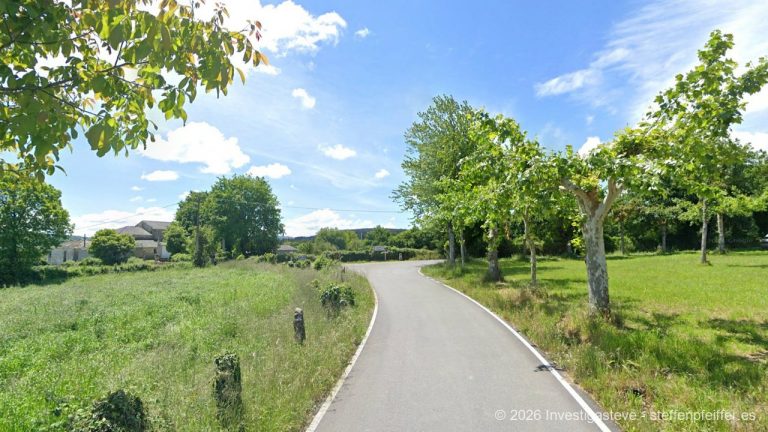
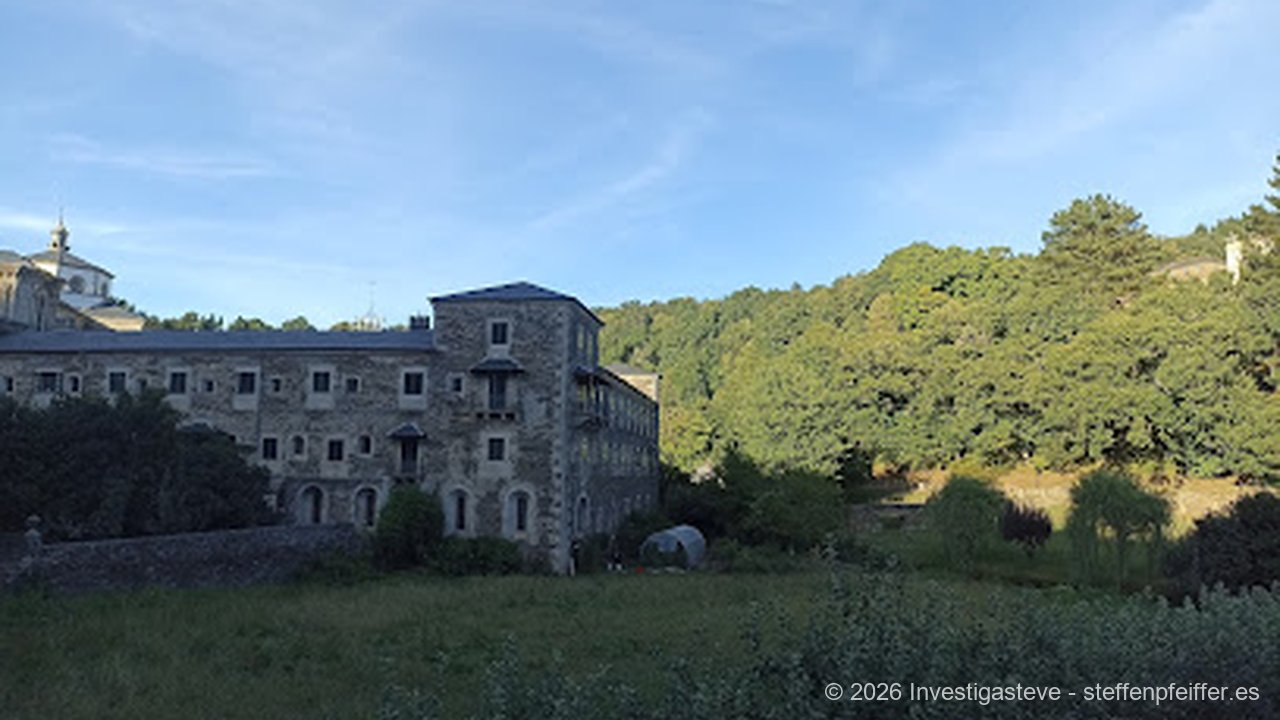
When you leave the narrow, often mist-shrouded path through the dense oak and chestnut forests behind Triacastela and the path leads you deep into the valley of the river Sarria, you experience one of the most dramatic scene changes of the Camino de Santiago. Samos does not announce itself with a silhouette on the horizon; it reveals itself only at the last moment, when the mighty walls of the monastery of San Xulián suddenly appear between the green slopes like an impregnable fortress of the spirit. The air here down in the basin has a special density – cool, damp, and saturated with the heavy, earthy aroma of river water, old moss, and the resinous scent of the surrounding forests. You hear the steady, almost hypnotic rushing of the Río Oribio, which surrounds the monastery like a silver ribbon, accompanied by the distant, deep sound of bronze bells, whose vibrations you can almost physically feel in your chest.
In Samos, the rhythm of your journey changes. The vastness of the Galician high plains gives way to a protective, almost monastic sense of security. You feel the cool aura emanating from the metre-thick granite walls and the humidity of the air on your skin, which often hangs over the valley as a fine drizzle, the famous orballo. The visual experience is dominated by the monumental weight of the monastery, whose grey stones glisten silver in the damp light. Psychologically, Samos marks for many pilgrims a moment of total deceleration. Here, in the face of a structure that has defied the storms of time since the 6th century, your own worries become small. You smell the scent of old incense and damp stone as you walk across the old bridge. Samos is not a place you simply pass through; it is a spiritual depth zone that urges you to pause and find the silence within yourself before you reach the bustling Sarria.
What This Place Tells
Samos is a stone chronicler whose narrative reaches back to the time of the Suebi and Visigoths. The historical causality of its foundation leads us to Saint Martin of Braga, who in the 6th century laid the cornerstone for this monastic life. It is one of the oldest and most significant Benedictine monasteries in the Western world. The history of Samos is marked by cycles of destruction and reconstruction. A devastating fire in 1559 and another catastrophe in 1951 challenged the unshakeable will of the monks to make their sanctuary rise from the ashes again. When you walk through the cloisters today, you feel this historical immersion in every crack of the masonry. The architecture is a fascinating palimpsest of Romanesque remnants, Gothic rib vaults, and the strict elegance of the Baroque and Renaissance.
Particularly significant is the connection of the monastery to the Galician nobility and the Crown. Samos was not only a place of prayer but a cultural and political powerhouse. In the vast library, which once housed tens of thousands of volumes, the knowledge of the Middle Ages was preserved. The place also tells of the psychological sharpness of monastic constancy, the stabilitas loci. While millions of pilgrims passed by these walls, the monks remained here, praying and working according to the rule of Saint Benedict. This continuity gives Samos a dignity that you can literally breathe. The monumental façade of the monastery church, to which a magnificent staircase leads up, reflects the pride and spiritual power that Samos radiated throughout Spain for centuries.
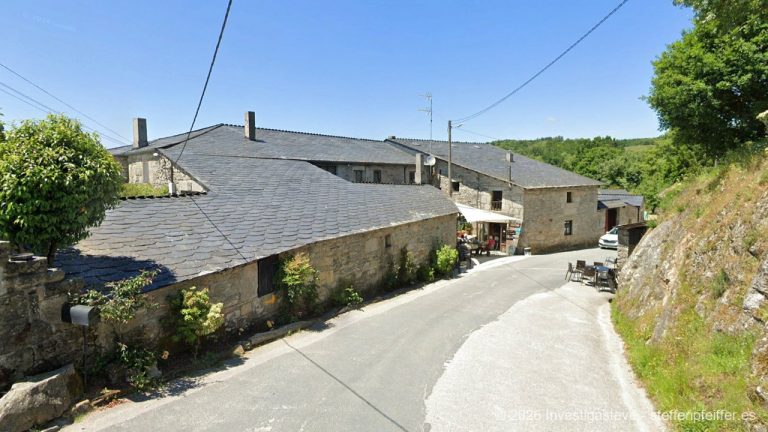
But Samos also tells a quieter story – that of connection to nature. The monastery was built into the valley in such a way that the Oribio river once flowed directly through the workshops and mills to provide the monks with energy and fish. This symbiosis between human creation and natural resource is palpable everywhere. When you stand before the Chapel of the Cypress Tree, a Mozarabic jewel from the 9th century on the edge of the monastery, you touch the oldest roots of Christianity in Galicia. Here, history is not consumed as a dry date but experienced as a living, green presence. Every turn in the village lanes and every walk through the vast inner courtyards reminds you that Samos was and remains an anchor point of civilisation amidst the wilderness.
Addresses & tips in Samos
Camino Distances
Samos lies on the scenic variant of the Camino Francés that leads from Triacastela through the valley of the river Sarria.
| Previous Town | Distance (km) | Next Town | Distance (km) |
|---|---|---|---|
| San Vitoiro de Ribas de Miño | ca. 4.3 km | Teiguín | ca. 1.5 km |
Sleeping & Arriving
Arriving in Samos is an experience of ritual admission into a centuries-old community. When you cross the bridge and head towards the mighty portal of the monastery, the burden of the kilometres falls away from you in an almost magical way. The accommodation in the monastery itself, in the Albergue de Peregrinos del Monasterio de Samos, is for many the emotional highlight of the journey. Here, arriving is not merely an administrative act; it is entering a zone of absolute peace. You put down your backpack in the cool dormitories, often housed in the massive stone walls of the monastery, and feel the immediate grounding that this historic place offers. The acoustic backdrop is characterised by an almost sacred silence, only occasionally interrupted by the echo of a distant footstep or the soft click of a key.
For pilgrims seeking a more private atmosphere or more comfort, Samos offers excellent alternatives such as the Albergue Val de Samos or the charming Albergue Albaroque. These houses combine the rustic charm of Galician stone houses with modern hospitality. Arriving at these accommodations is often associated with a welcoming ritual – a kind word, a glass of cool water, and the view of the green slopes of the valley. The rooms offer a quality of rest deeply rooted in rural silence. The feeling of fresh, cool sheets on heated skin after a long day of walking through the forests is a physical blessing. The psychological effect of Samos as an overnight stop is immense: you feel sheltered and protected from the hustle of the world.
The sanitary facilities in the hostels of Samos often use the crystal-clear water of the region, and the feeling of hot water on tense shoulders feels like a ritual purification here. Particularly appreciated is the social immersion in the communal areas, where pilgrims from all over the world share their experiences amidst the scent of brewed tea. Many use the time before dinner to attend the monks’ vespers. When the Gregorian chants float through the high vaults of the church, arriving becomes a transcendent experience. Spending the night in Samos means becoming part of a pulsating heartbeat that has not stopped for 1500 years.
Those who decide to stay a night in Samos consciously choose depth over speed. It is a healing stay that regenerates the body and prepares the mind for the final phase to Santiago. When night falls over the valley and the monastery is only vaguely visible under the starry sky, a feeling of deep gratitude sets in. You sleep in the shadow of history and wake up the next morning with a clarity that will carry you light-footedly, following the course of the river, towards Sarria. Samos gives you the time you need to find your inner balance again.
Eating & Drinking
The culinary world of Samos is a homage to the gifts of water and earth. When you stroll through the village in the evening, you are inevitably drawn by the tempting aroma of freshly fried trout. The Río Oribio is famous for its abundance of fish, and Truchas con jamón (trout with ham) is a local speciality that every pilgrim should try. The fish is tender, tastes of the purity of mountain water, and is perfected in the pans of the local mesóns. It smells of olive oil, garlic, and the fine scent of river freshness – an olfactory experience that immediately awakens hunger.
Another highlight is the hearty Galician beef, which thrives on the lush pastures around the monastery. In restaurants like A Veiga or Oribio, you taste the quality of the region: juicy meat, often refined only with coarse sea salt and a pinch of pimentón. It is served with the heavy, crusty Galician country bread, whose crust cracks loudly when broken – an auditory signal of traditional craftsmanship. To drink, the characterful wine of the nearby Ribeira Sacra is served in white ceramic bowls, the cuncas. The cool weight of the bowl in your hand and the earthy taste of the wine form the perfect soundtrack for reflecting on the day.
Eating in Samos also means perceiving silence as an ingredient. In the small bars on the riverbank, you enjoy the lightness of being with a café con leche and watch the steady flow of the water. The psychological component of eating is closely linked here to reward: you have left the mountains behind and are richly gifted in the valley. The taste of homemade desserts, such as the fine Tarta de Santiago or a piece of regional cheese with quince paste, rounds off the culinary experience. Those who dine in Samos literally absorb the strength and peace of Galicia – food for the soul that lets you continue strengthened.
Supplies & Logistics
Logistically, Samos is an excellently equipped hub in the midst of a rural idyll. Despite its small population, the place offers everything necessary for a smooth pilgrimage. The strategic importance of the monastery has created an infrastructure that leaves nothing to be desired.
Shopping: Several small shops (tiendas) cover the daily need for food and hygiene items. There is a pharmacy for basic medical needs and specialised shops offering local crafts and honey from the O Courel mountains.
Gastronomy: The density of restaurants and bars is considerable for the size of the place. From a quick tapa to an extensive three-course pilgrim’s menu, food is always available, with opening hours reliably adapted to the rhythm of the walkers.
Sleeping: With the monastery hostel, several private hostels, and cosy guesthouses, hundreds of beds are available. Nevertheless, advance reservation is recommended in high season, especially in private houses, as Samos is a very popular stage destination on the variant.
Public Facilities: Samos has a small health centre, a post office, and an ATM. The information office at the monastery offers comprehensive maps and the coveted, artistically designed stamp for the credential.
Safety in Samos is exemplary; the village is manageable, and the social control by the residents and the presence of the monks create an atmosphere of trust. Logistical handling of luggage transport functions smoothly – all major services like Jacotrans or Correos visit Samos daily. Acoustically, the place remains protected and peaceful due to its basin location. Those who replenish their supplies in Samos can be sure that they are well prepared for the onward path through the river valley to Sarria. Samos proves that traditional ways of life and modern pilgrim logistics can form a perfect symbiosis.
Don’t Miss
- The monastery tour: An absolute must; admire the two cloisters, especially the Claustro del Padre Feijoo, the largest of its kind in Spain.
- Capilla del Ciprés (San Salvador): Visit this tiny 9th-century Mozarabic chapel on the edge of the monastery – an architectural wonder of simplicity.
- The murals: Look at the modern frescoes by Luis Enriquez in the great cloister, which bring the history of the monastery and Saint Benedict to life.
- The monastery church: Experience the monumental Baroque façade and take part in one of the liturgical celebrations with Gregorian chant.
- The monastery library: If you have the chance, glance at the impressive book collections – a treasure trove of Western knowledge.
- The cypress tree: Admire the over thousand-year-old tree next to the San Salvador chapel, which is protected as a natural monument.
- The riverside path along the Oribio: Walk along the bank and enjoy the play of light and shadow under the old oaks – a visual meditation.
Insider Tips & Hidden Places
Away from the official tour of the monastery, Samos hides corners of almost ethereal calm that only reveal themselves to the attentive seeker. One such place is the small path that leads steeply up behind the monastery garden towards the wooded slopes. If you climb just a few hundred metres, you reach a point from which you can view the entire monastery ensemble from a bird’s eye perspective. The noise of the village completely disappears here and is replaced by the gentle rustle of the wind in the treetops. Here it smells intensely of forest honey, damp fern, and fresh resin. It is the perfect spot for a private reflection, far from the cameras of other visitors. You feel the immense dimension of the complex and realise the historical causality of its location as a protected refuge in this deep valley.
Another hidden treasure are the small stonemason marks on the back of the Chapel of the Cypress. While most people only admire the ancient tree, it is worth running your fingertips over the rough granite ashlars of the outer wall. There you will find tiny, mysterious symbols left by the craftsmen of the 9th century. This tactile connection to early medieval architecture makes historical immersion truly tangible. At dusk, when the light falls flat through the valley, shadows form on the stones that look like ancient runes. It is a space without distraction where time seems to stand still and the spiritual energy of Galicia whispers in every crack of the masonry.
Did you know that there is a small stone step under the bridge at the monastery entrance that leads directly to the water level of the Río Oribio? This place is an insider tip for hot days. When you sit there and dip your feet into the ice-cold, crystal-clear water, you feel an immediate cleansing and refreshment. The acoustic splashing of the river acts like a natural sedative for the nervous system. Here it smells of water mint and wet stone – an olfactory contrast to the warmth of the day. Such small discoveries reveal themselves only to those who are willing to adapt the pace of their journey to the speed of their soul and to look curiously behind the official façades.
Finally, it is worth directing your gaze at dusk to the silhouettes of the old chimneys of the monastery kitchen. When the last daylight disappears behind the mountains, these soot-blackened structures appear as silent guardians of domestic community. The smell of damp stone and the cool breeze whistling through the lanes create an atmosphere of timeless constancy. Those who lose themselves in these moments in Samos often find a part of themselves that they had forgotten in the hustle of everyday life. Samos offers the rare opportunity to integrate your own journey once more in absolute silence just before reaching the great goal of Sarria. In these hidden corners, you feel the “true” Samos – a place that pretends nothing, but preserves its beauty in constancy.
Moment of Reflection
In Samos, you stand at a point of maximum spiritual density. The millennia-old presence of the Benedictines challenges you to think about your own form of constancy. In the cool silence of the cloister, ask yourself: “What in my life has the durability of this stone, and what is fleeting like the drizzle over the valley?” The psychological metamorphosis that takes place here is the change from outward movement to inward reflection. The granite gives you the necessary grounding, while the steady flow of the river teaches you that everything is in flux. Samos is a mirror for your soul – it shows you the depth of your own roots.
The historical causality of your being here connects you with the kings, scholars, and millions of ordinary pilgrims for whom Samos has been a spiritual lifeline for 1500 years. Do you feel the responsibility to carry forward this heritage of pausing and mutual protection? In Samos, you become aware that the Camino is not a race against the kilometres, but a search for your own centre. The coolness of the rough stone under your hands reminds you of your own resilience. Use this moment of reflection to recalibrate your inner compass. When you leave Samos tomorrow and set out on the path to Sarria, take a piece of the monastic peace and timeless dignity of this place with you. It will be your anchor when the hustle of the destination finally reaches you. Here, in the silence of the valley, you have found the strength to continue your journey with a new, clear sovereignty.
Camino of the Stars
This place lies on the Camino Francés, on the variant from Triacastela to Sarria. The sequence of places is:
Triacastela → San Cristovo do Real → Renche → Lastres → San Vitoiro de Ribas de Miño → Samos → Teiguín → Pascais → Gorolfe → Aguiada → Sarria
Did you also feel that deep peace in the majestic cloisters of Samos, or find a moment of absolute clarity on the banks of the Oribio? Perhaps you were impressed by the ancient presence of the cypress tree, or the trout dish in one of the mesóns gave you new strength? Share your personal impressions, your photos of the Baroque façade, or your thoughts on the monastic history of this valley with us. Every story makes this special spiritual place of power on the Camino come alive for the community – we look forward to your contribution!
About the Author