First Glance – Introduction & Atmosphere
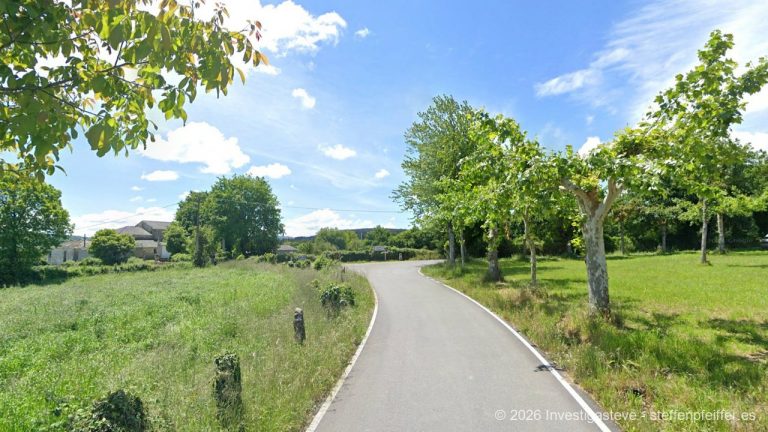
When you have left the arduous, often mist-shrouded descent from the heights of O Cebreiro and Alto do Poio behind you, the green basin of Triacastela opens before you like a protective lap. It is that moment on the Camino de Santiago when the rough, almost epic wilderness of the Galician mountains gives way to a cultivated, deep sense of security. You emerge from the dense oak and chestnut forests and immediately feel a change in the pulse of your journey. The air down here, at about 660 metres above sea level, is milder, saturated with the scent of damp meadows and the heavy, earthy aroma of river water and old moss. You hear the steady, almost hypnotic rushing of the Río Oribio, which surrounds the place like a silver ribbon, accompanied by the distant, deep sound of church bells that have set the rhythm of village life for centuries.
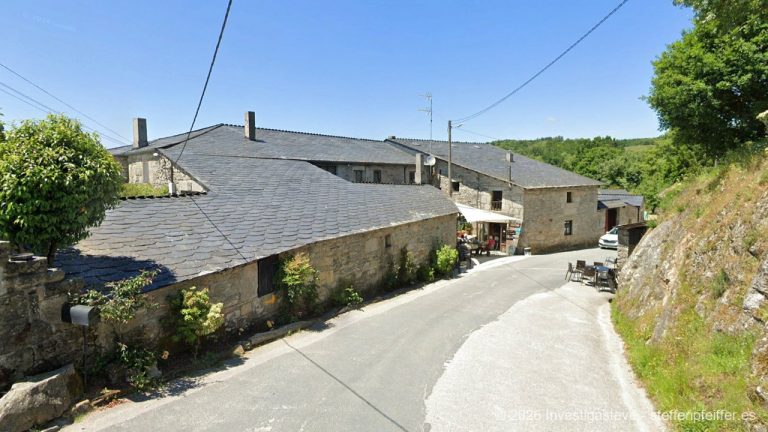
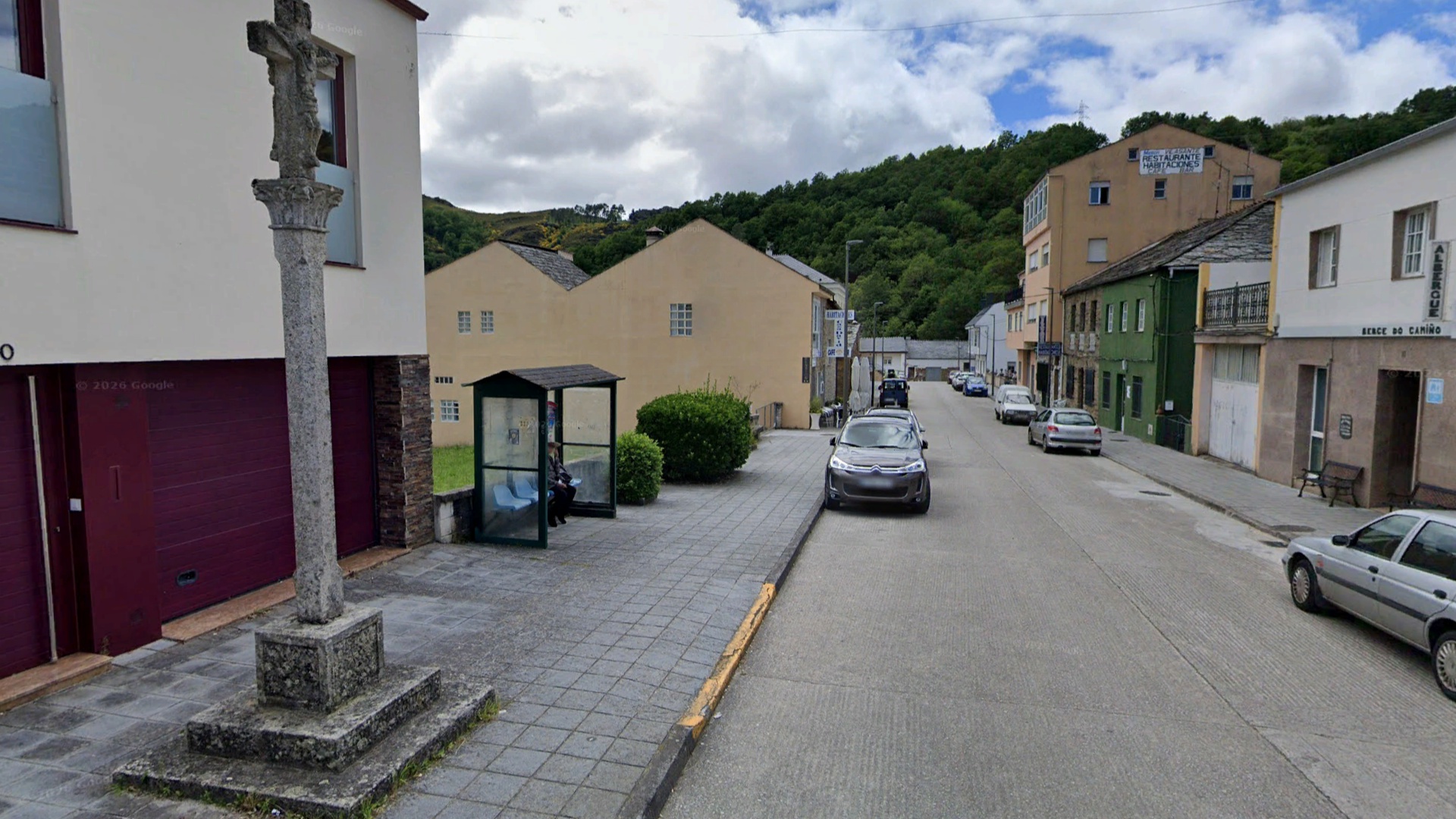
Triacastela welcomes you with an atmosphere of constancy. You feel the cool aura emanating from the massive granite and slate walls of the houses that nestle closely along the single main street. The texture of the path changes from the root-covered trails of the forest to a firm, historic pavement that stores the warmth of the midday sun. Psychologically, this place marks a decisive caesura for many pilgrims: the physical trial of the mountain crossing lies behind you, and ahead of you opens the gateway to the heart of Galicia. The visual panorama is dominated by the harmony between the grey weight of the stones and the almost unreal bright green of the surrounding slopes. Here you smell the distant smoke of wood fires and the promise of a warm meal, while the tension of the past kilometres slowly falls from your shoulders. In Triacastela, you are not simply a walker; you become part of a timeless ensemble of stone, water, and the unshakeable hope of those who now almost sense the destination of Santiago on the horizon of their souls.
What This Place Tells
Triacastela is a stone chronicler whose name already carries the first great legend. “Three castles” – the literal translation – once supposedly stood here, but those who search today for mighty fortress towers will only find the echo of history. The castles have long since disappeared, but their historical causality lives on in the defensiveness of the village architecture. The town was officially founded in the 9th century, but its significance as a strategic hub reaches far deeper. King Alfonso IX of León, a great patron of the Camino de Santiago, granted the place special privileges in the 12th century, making it an administrative heart of the region. When you walk through the streets today, you feel the historical immersion in the weight of the foundations; it is a place literally built on the faith and endurance of millions of walkers.
The most significant narrative of Triacastela, however, is that of limestone. In the Middle Ages, there was a unique tradition here, documented in the Codex Calixtinus: every pilgrim who passed the place took a stone from the nearby limestone quarries and carried it over the coming stages to Castañeda near Arzúa. There, the stones were burned in large kilns to obtain lime for the construction of the Cathedral of Santiago de Compostela. This collective logistical feat made every pilgrim a physical co-builder of the Apostle’s tomb. When you look at the parish church of Santiago de Triacastela today, you see the architectural causality of this tradition. The building, whose Romanesque roots were overlaid with Baroque elements in the 18th century, acts like a memorial to this arduous devotion. The smell of old incense and cool stone inside connects you directly with those generations who laid down their loads here in order to take on a new, spiritual load for the community.
Triacastela also tells of the psychological sharpness of decision. Here, the path branches into two fundamentally different landscapes: the variant via the monumental monastery of Samos and the more direct path via San Xil. This fork has made the place a space for deliberation and inner reflection since the 12th century. The constancy of the place is also reflected in the Castaño de Ramil, an over eight-hundred-year-old chestnut tree at the edge of the village. This tree is more than just a natural monument; it is a living witness to history, whose rough bark has preserved the touch of countless pilgrim hands. In Triacastela, history is not read; it is experienced through the soles of the feet and the tips of the fingers. Every turn in the narrow lanes and every glance at the coat-of-arms stones of the old hospitals reminds you that you stand at a threshold that has marked the transition from the physical to the spiritual level of the Camino for over a thousand years.
Addresses & tips in Triacastela
Camino Distances
Triacastela lies as a strategic stage destination at the end of the great descent from the Ancares mountains and forms the hub for the onward journey to Sarria.
| Previous Town | Distance (km) | Next Town | Distance (km) |
|---|---|---|---|
| Pasantes | ca. 1.6 km | San Cristovo do Real (Samos Var.) | ca. 4.4 km |
| Pasantes | ca. 1.6 km | San Xil (San Xil Var.) | ca. 4.1 km |
Sleeping & Arriving
Arriving in Triacastela is like entering a safe harbour after a stormy sea crossing. When you leave the last bend of the forest path behind you and step onto the long main street of the village, an immediate peace settles over you. There is no urban noise here, only the busy activity of a community that has specialised in the needs of pilgrims since the Middle Ages. The selection of accommodation is impressive for a place of this size, ranging from historic public hostels to modern, privately run houses such as Albergue Aitzenea or Albergue Atrio. Checking in here is often associated with a ritual shedding of the load; you feel the coolness of the floor when you take off your heavy boots, and you hear the soft clicking of backpacks being stowed on shelves.
The atmosphere in the hostels of Triacastela is characterised by a deep social immersion. Since the place is relatively small, life concentrates on the few squares and the main street. In the dormitories, an acoustic backdrop of respectful silence prevails, only occasionally interrupted by soft whispers about the experiences at O Cebreiro. It is a sensory experience to snuggle into the fresh sheets after a hot shower while the mist creeps into the Oribio valley outside. The psychological effect of Triacastela as an overnight stop is enormous: you feel safe between the massive stone walls that have already weathered so many storms. Arriving here is shaped by the personal touch of the hospitaleros, who have often known the stories of the Way for decades and alleviate mental exhaustion with a kind word.
Particularly noteworthy are the communal areas of the private hostels, often housed in old stone buildings with modern glass elements. Here, the aroma of brewed herbal tea mingles with the scent of freshly washed laundry drying in the Galician wind on the terraces. Arriving in Triacastela also means reconciling with the community of seekers. You sit together on the wooden benches in front of the houses, watch the last arriving walkers, and feel a deep gratitude for the path you have covered. The sanitary facilities are usually of a high standard, and the feeling of hot water on tense muscles becomes the highest form of luxury after the long descent.
For pilgrims seeking a more spiritual hostel experience, the simplicity of the surroundings offers the ideal setting for meditation or prayer. There is no distraction from televisions or urban bustle. The acoustic backdrop of the night consists only of the distant rushing of the river and the occasional call of an owl in the chestnut forests. Those who come to rest in Triacastela wake up the next morning with a clarity that they urgently need for the upcoming decision – Samos or San Xil. The stay here regenerates not only the body but also the focus on the essential. You sleep in the shadow of the vanished castles and feel the constancy of a place that has done nothing else for 1200 years than catch tired people and send them back out into the world strengthened.
Eating & Drinking
The culinary experience in Triacastela is a journey to the roots of Galician country cooking, where freshness and satiety are the highest commandments. In the numerous mesóns along the main street, eating is celebrated as an act of regeneration. The smell that wafts through the village in the late afternoon is an olfactory promise of warmth: it smells intensely of freshly prepared Caldo Gallego, that nourishing soup of cabbage, potatoes, and white beans, refined with a hearty piece of bacon. The warmth of the soup bowl in your often cool hands is the first step towards physical revival. Each spoonful of this honest food brings the power of the Galician soil directly into your system.
An absolute highlight of the local gastronomy is the regional beef, Ternera Gallega. In restaurants such as Mesón Vilasante or Restaurante Complexo Xacobeo, you taste meat from animals that you see grazing on the surrounding pastures during the day. It is juicy, often refined only with coarse sea salt and a pinch of pimentón, and is accompanied by cachelos – the incomparable local potatoes. It is served with the heavy, crusty Galician country bread, whose crust cracks loudly when broken – an auditory signal of traditional craftsmanship. Those who do not wish to miss the taste of the sea even inland often find an excellent Pulpo á Galega here, which stands as a symbol for the onward path through Galicia.
To drink, the characterful wine of the region is served in white ceramic bowls, the cuncas. The cool weight of the bowl in your hand and the earthy taste of the wine form the perfect soundtrack for reflecting on the day. Eating in Triacastela also means perceiving the silence of the surroundings as an ingredient. Since there is no urban hustle, you enjoy every bite more consciously. The psychological component of eating is closely linked here to reward: you have left the mountains behind and are richly gifted in the valley. The taste of homemade desserts, such as the fine Tarta de Santiago with its almond scent, rounds off the culinary experience and gives the necessary energy for the coming kilometres. Those who dine in Triacastela absorb a piece of Galician joy of life.
Supplies & Logistics
Logistically, Triacastela is an excellently equipped hub in the midst of a rural idyll. Despite its small population, the place offers everything necessary for a smooth pilgrimage. The strategic importance as a stage destination has created an infrastructure that leaves nothing to be desired.
Shopping: Several small supermarkets and tiendas cover the daily need for food and hygiene items. There are specialised shops for pilgrim equipment where you can buy replacement walking sticks, socks, or blister plasters. A pharmacy ensures basic medical care, which is often used after the exertions of the descent.
Gastronomy: The density of restaurants, bars, and cafés is considerable for the size of the place. From a quick tapa at lunchtime to an extensive three-course pilgrim’s menu in the evening, food is always available, with opening hours reliably adapted to the rhythm of the walkers.
Sleeping: With a capacity of hundreds of beds in various categories (municipal hostel, private hostels, guesthouses), Triacastela is prepared for large pilgrim flows. Nevertheless, advance reservation is recommended in high season, especially in private houses.
Public Facilities: The town has a small health centre, a town hall, and an ATM. The tourist information office offers comprehensive maps for the two route variants to Sarria and the coveted stamp for the credential.
Safety in Triacastela is exemplary; the village is manageable, and the social control by the residents creates an atmosphere of trust. Logistical handling of luggage transport functions smoothly – almost every hostel cooperates with reliable services such as Jacotrans or Correos. Acoustically, the place remains protected and peaceful due to its basin location, even if there is a pleasant bustle during the day. Those who replenish their supplies and care for their bodies in Triacastela can be sure that they are well prepared for the coming stages through the province of Lugo. Triacastela proves that traditional ways of life and modern pilgrim logistics can form a perfect symbiosis.
Don’t Miss
- The parish church of Santiago: Admire the Baroque portal and the defensive tower – a place of deep spiritual immersion and architectural constancy.
- The Castaño de Ramil: Visit the over 800-year-old chestnut tree at the edge of the village; its rough bark is a tactile document of pilgrim history.
- The fork in the road: Take your time at the prominent signpost at the edge of the village and consciously decide between the spiritual Samos variant and the natural San Xil route.
- The pilgrim monument: Look for the sculpture on the Plaza del Ayuntamiento that perfectly captures the effort and pride of the walkers.
- The limestone tradition: Look out for the historic lime kiln or symbolically take a small pebble – as a homage to the co-builders of the cathedral.
- The sunset by the river: Sit on the bank of the Oribio and watch how the golden light dances on the flowing water – a visual meditation.
Insider Tips & Hidden Places
Away from the bustling main street and the well-known hostels, Triacastela hides corners of almost ethereal calm that only reveal themselves to the attentive seeker. One such place is the small path that leads steeply up behind the old town hall towards the wooded slopes. If you climb just a few hundred metres, you reach a point from which you can view the entire village ensemble from a bird’s eye perspective. The noise of the arriving pilgrims completely disappears here and is replaced by the gentle rustle of the wind in the high oak crowns. Here it smells intensely of forest honey, damp fern, and fresh resin. It is the perfect spot for a private reflection, far from the cameras of other walkers. You feel the immense dimension of the valley and realise the historical causality of Triacastela’s location as a protected refuge.
Another hidden treasure is the small, mossy stream that flows into the Oribio somewhat below the bridge at the monastery entrance. While most pilgrims hastily cross the bridge, an almost invisible footpath leads directly to the water. Here the water emerges crystal clear from the slate rock and forms tiny cascades over round granite stones. The air is noticeably cooler here and acts like a natural cleanser for the senses after a strenuous march. It is said that this place once served the locals as a sacred spring. When you dip your hands into the water, you feel a freshness that immediately clears your senses. In the evening hours, when the light falls flat through the branches of the chestnut trees, light reflections appear on the water surface that sparkle like small jewels. Such small discoveries reveal themselves only to those who are willing to adapt the pace of their journey to the speed of their soul.
Did you know that there is an ancient stonemason’s workshop in one of the narrow side streets of Triacastela that still processes the local limestone using traditional methods? The smell of fine stone dust and the rhythmic tapping of chisel on granite transport you to an era when every building was unique. If you are lucky and the gate is open, you can see how artistic capitals or simple wall stones are created from raw blocks. It is a form of historical immersion that you will not find in any museum. Here, the connection to the construction of the Cathedral of Santiago becomes physically tangible. The craftsmen preserve a skill that ensured the survival of the place even in the Middle Ages. Those who take the time to perceive these nuances discover a Triacastela that is far more than just a logistical stopover; it is a living testament to the power of human constancy.
Finally, it is worth directing your gaze at dusk to the silhouettes of the old chimneys that can still be discovered in some of the backyards. When the last daylight disappears behind the mountains of Samos, these soot-blackened structures appear as silent guardians of domestic community. The smell of damp stone and the cool breeze whistling through the lanes create an atmosphere of timeless constancy. Those who lose themselves in these moments in Triacastela often find a part of themselves that they had forgotten in the hustle of everyday life. Triacastela offers the rare opportunity to integrate your own journey once more in absolute silence just before reaching the great stage destination of Sarria. In these hidden corners, you feel the “true” Galicia – untouched, wild, and of an archaic beauty that pretends nothing.
Moment of Reflection
In Triacastela, you stand at a point of maximum spiritual decision-making power. The legend of the limestone that pilgrims once carried for the cathedral challenges you to think about your own burdens: “What stone do I carry within me to Santiago, and for whom or what does this sacrifice serve?” The psychological metamorphosis that takes place here is the change from physical achievement to conscious dedication to a greater whole. Triacastela is a filter for your thoughts. In the coolness of the church of Santiago, your worries become small, and your true goals emerge more clearly.
The historical causality of your being here connects you with the millions of co-builders who touched the same soil centuries ago. Do you feel the responsibility to carry forward this heritage of constancy and community? In Triacastela, you become aware that the Camino is not a race against the kilometres, but a search for your own centre. The rough bark of the Castaño de Ramil reminds you of your own resilience. Use this moment of reflection to recalibrate your inner compass. When you leave Triacastela tomorrow and make the decision between Samos and San Xil, take a piece of the stone calm and historical dignity of this place with you. It will be your anchor when the hustle of the destination finally reaches you. Here, in the lap of the Oribio valley, you have found the strength to continue your journey with a new, clear sovereignty.
Camino of the Stars
This place lies on the Camino Francés, on the stage from O Cebreiro to Sarria. The sequence of places is:
O Cebreiro → Liñares → Hospital da Condesa → Padornelo → Alto do Poio → Fonfría → Biduedo → Pasantes → Triacastela → Samos (variant) → San Xil (variant) → Sarria
Did you also feel that deep moment of security in the Romanesque silence of Triacastela, or touch the power of centuries at the Castaño de Ramil? Perhaps you have decided on one of the two route variants and made a very special discovery? Share your personal impressions, your photos of the limestone heritage, or your thoughts on the historical significance of this valley with us. Every story enriches the magic of Triacastela and inspires other pilgrims to pass through this gateway to Galicia with open senses!
About the Author