First Glance – Introduction & Atmosphere
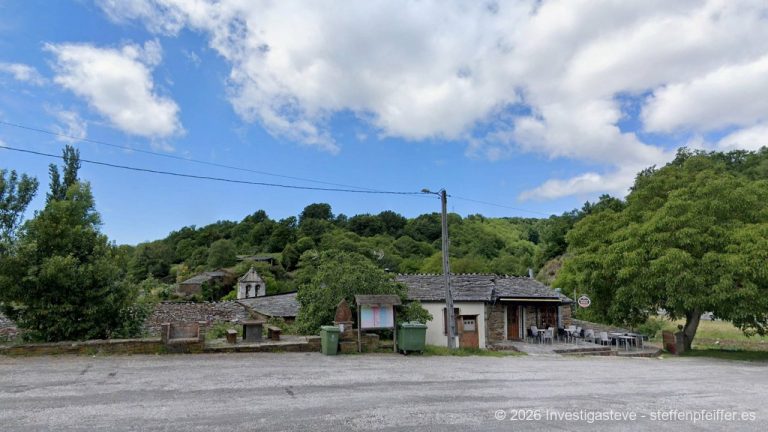
When you have left the mystical, often cloud-shrouded summit of O Cebreiro behind and the path leads you over the first gentle descent deeper into the mountain landscape of the province of Lugo, you reach Liñares – a place that feels like a deep, calm exhale of the landscape. It is that moment on the Way of St. James when the rugged, almost epic majesty of the pass gives way to an intimate, rural coziness. As soon as you enter the hamlet, you feel a radical change in the atmosphere: the air here at over 1,200 meters above sea level is of a crystalline purity and carries the pungent, spicy scent of damp heather, broom, and the unmistakable, smoky aroma of burning oak wood rising from the chimneys of the stocky stone houses. You hear the rhythmic tapping of your pilgrim staff on the uneven ground, a sound that finds a soft echo in the silence of the narrow alleys, only occasionally interrupted by the distant, melancholic ringing of cowbells, which sound like a constant metronome through the often milky Galician mist.
In Liñares, you feel the archaic power of Galicia in its most unadulterated form. The gray, often lichen-covered walls of the farmsteads seem to absorb the moisture of the highlands and radiate a coolness that feels grounding after the emotional intensity of O Cebreiro. Psychologically, this small place marks for many pilgrims a decisive threshold: up here, you become aware that you have now definitively entered the “roof of the world” and the path to Santiago is entering a new, deeper phase. The visual panorama is dominated by an almost overwhelming abundance of nuances between gray and green, which merge into a timeless painting through the “orballo,” the fine Galician drizzle. In Liñares, you are no longer just a hiker in transit; you become the guest of an ancient ensemble of stone and history that invites you to adjust the pace of your soul to the rhythm of your steps. It smells of earth, of permanence, and of the promise that every fog eventually gives way to the light of the valley.
What This Place Tells
Liñares is a stone chronicler whose very name carries the essence of its history. Derived from the Galician word for flax (“liño”), the hamlet tells of a time when the blue blossoms of this crop dominated the high plateau and formed the basis for the survival of the people. The historical causality of its significance lies in the Middle Ages, when Liñares was a center of linen production – the fabric from which pilgrims’ shirts and church altar cloths were made. When you walk through the narrow alleys today, you feel the historical immersion in the heaviness of the foundations; you can easily imagine how, in the dark winters, the rhythmic beating of the looms formed the acoustic backdrop of the village. It is a place that tells of the diligence and frugality of past generations who found a home in the barrenness of the mountains.
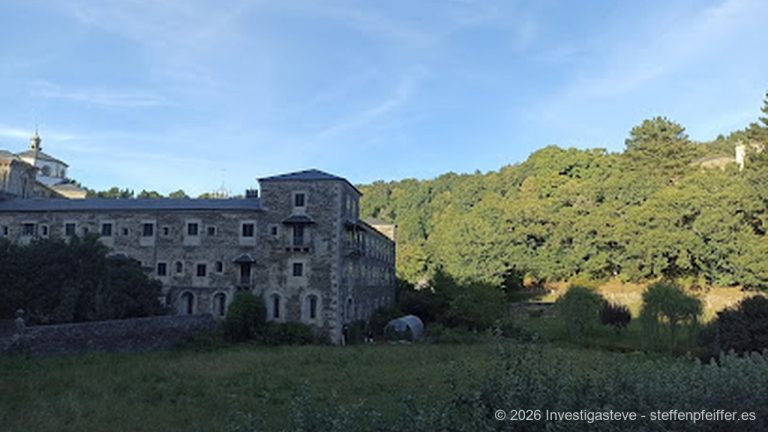
The heart of the local history is undoubtedly the Iglesia de Santo Estevo de Liñares, a Romanesque gem from the 12th century. Its architecture is strikingly similar to the famous church of O Cebreiro and testifies to a unified spiritual logistics along the mountain ridge. The thick granite walls and the dark slate roof tell of a faith that needed no cathedrals to be close to eternity. Inside, the church preserves a silence that is almost physically tangible and smells of old incense and cool stone. The historical permanence of this building is impressive; for centuries, it served as a spiritual lighthouse for those who, coming from Castile, had overcome the dangerous passes. In Liñares, history is not consumed as dry dates but experienced as a physical presence when you touch the rough texture of the portal that millions of hands have felt before your own.
But the place also tells of the psychological depth of protection. Liñares was part of the far-reaching network of hospitalitas, which was under the influence of the monastery of Samos and later the crown. Here, the ideal of charity was not only preached but lived in the form of bread, water, and safe lodging amidst the unpredictable weather. The permanence of the place, which despite the depopulation of rural areas in the 20th century has preserved its identity as a guardian by the wayside, is a testament to human endurance. Those who wander through the alleys hear the echo of oxcarts and the whisper of medieval monks, mingled with the spirit of modern times. Liñares teaches us that true strength often lies in inconspicuousness – a place of preparation where the soul gets time to keep pace with the body’s speed before the path continues to the Alto de San Roque.
Addresses & tips in Liñares
Camino Distances
Liñares lies as the first significant spiritual stopping point after the pass of O Cebreiro on the 28th stage of the Camino Francés (French Way).
| Previous Location | Distance (km) | Next Location | Distance (km) |
|---|---|---|---|
| O Cebreiro | approx. 3.1 km | Hospital da Condesa | approx. 2.6 km |
Sleeping & Arriving
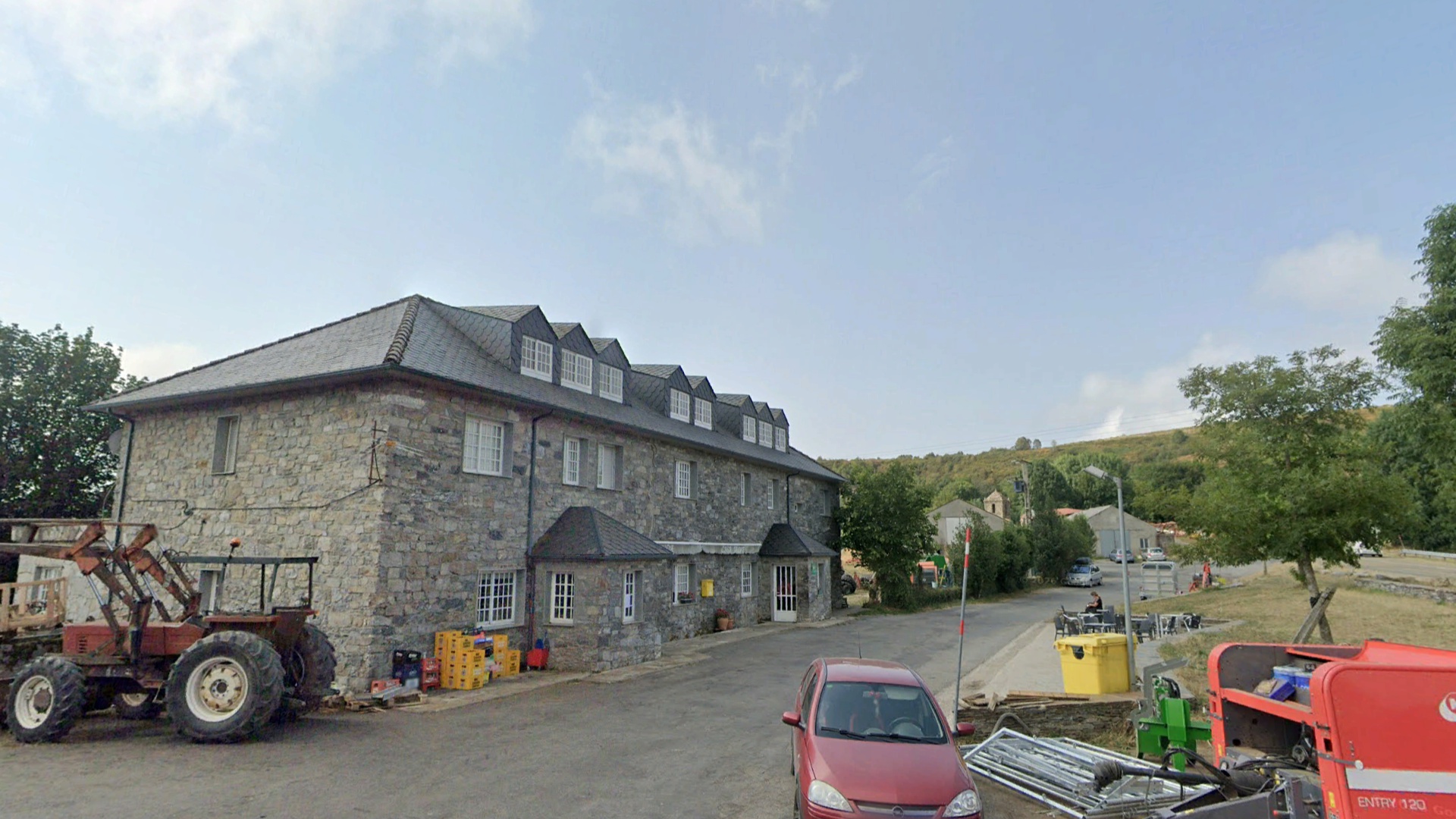
Arriving in Liñares is like entering a sheltered harbor after a stormy sea crossing. When you leave the last curve of the forest path behind you and the Romanesque church appears before you, an immediate calm settles over you. There is no urban noise here, only the busy activity of a community that has specialized in the needs of pilgrims since the Middle Ages. The highlight of accommodation is undoubtedly the Albergue Linar do Rei. In this masterfully restored stone house, history becomes a place to sleep for the pilgrim. You set down your backpack on the solid wooden floors and immediately feel the coziness of the thick stone walls, which buffer the heat of the day and the coolness of the night alike. The acoustic panorama is characterized by an almost sacred silence, interrupted only occasionally by the creaking of an old door or the distant call of a bird of prey.
In the hostel, the tradition of hospitalitas is lived with a touch of modern comfort. The rooms offer a mix of rustic granite and light wood, creating a microclimate of security. Arriving here becomes a ritual act: you wash your clothes in the provided basins, feel the freshness of the mountain water on your hands, and enjoy the coolness of the room. The psychological effect of this environment is immense – you don’t feel like an anonymous tourist here, but like a guest of a house that has endured for centuries. Whoever spends the night here consciously chooses against the often overcrowded hustle of O Cebreiro and for the intimate community of a small group of hikers. The night in Liñares is marked by a darkness and silence that allow a deep, regenerative sleep, rarely found on the Camino.
The sanitary facilities in Liñares are modern and offer that warmth that is perceived as pure luxury after a day in the unpredictable mountain weather. Particularly appreciated is the social immersion in the small communal kitchen or common room, where pilgrims share their experiences amid the scent of freshly brewed tea. Arriving in Liñares also means reconciling with slowness. You have overcome the first major hurdle of Galicia, and the magic of the place invites you to stay. Those who come to rest here wake up the next morning with a clarity that will carry them lightly over the ridge of the Sierra de Rañadoiro. It is a healing stay that grounds the body and sharpens the mind for the coming spiritual highlights of the journey.
For many pilgrims, Liñares is the place where they first feel the true rural essence of Galicia. The accommodations preserve the character of the region: the coolness of the stone in summer and the pleasant warmth of the heating in autumn offer that contrast that regenerates the body. Arriving in Liñares means taking a step back to a simpler time, when safe shelter and a kind word were the most important milestones of the day. When the evening sun bathes the slate roofs in a soft light and the mist slowly rises from the valley, you realize that arriving here is not a logistical endpoint, but an emotional homecoming to a more honest world.
Eating & Drinking
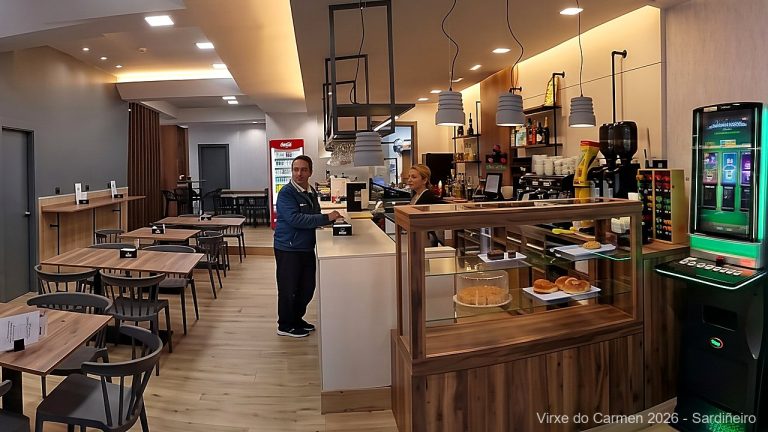
In Liñares, gastronomy becomes an act of existential satiety. Since the place is small, the culinary experience focuses on honest provisions for hikers in the hostel or the small bar. The smell that drifts through the alleys in the late morning or afternoon is an olfactory promise of warmth: the intense scent of freshly prepared Spanish omelette (tortilla) and the strong aroma of Galician coffee. The warmth of a cup of tea in your often-cold hands is the first step toward physical revival after the windy march across the high plateau. Every sip brings the power of the mountains directly into your system.
Particularly appreciated in this region is the artisan country bread, whose crust is so crispy that it gives a loud auditory signal of freshness when broken. Combined with the mild, buttery taste of the regional cheese, Queso do Cebreiro, a sensory feast of rare purity unfolds. You taste the herbs of the meadows and the purity of the mountain water in every bite. Eating in Liñares also means perceiving silence as an ingredient. Since there is no urban bustle, you enjoy each bite more consciously. The psychological component of eating here is closely linked to reward: you have completed the first section of Galicia and are rewarded with simplicity and quality.
For drinking, they often serve a cool beer or a glass of wine from the region, whose earthiness perfectly matches the surroundings. The cool weight of the glass in your hand and the honest taste of the drink form the perfect conclusion to a break before the path continues to the Alto de San Roque. Those who dine in Liñares take in a piece of Galician joy of life that will strengthen them to continue. It is food for the soul that teaches you that true enjoyment lies in simplicity and closeness to the source – prepared from what the land gives abundantly.
Supplies & Logistics
Logistically, Liñares is a place of concentration on the essentials. As a pilgrim, you must be aware that this hamlet is not a shopping mall in the modern sense; rather, it functions as a highly efficient rest stop at a strategically important point of the stage. The administrative simplicity of the place is more than compensated for by the high quality of reliable basic services.
Shopping: There are no large supermarkets on site. A small shop (kiosk) covers the daily need for snacks, water, and basic hiking utensils. Pilgrims should have already stocked up on major supplies of specific medications or hygiene items in Pedrafita do Cebreiro. The next comprehensive shopping opportunity is first offered by Triacastela, about 9 km away.
Gastronomy: Food supply is well covered by the bar and the hostel. Here you will find hot meals, breakfast, and provisions specifically tailored to the high calorie needs of mountain hikers. Opening hours strictly follow the flow of pilgrims.
Accommodation: With the private hostel Linar do Rei, a high-quality accommodation option is available. Since bed capacity is limited compared to O Cebreiro, advance reservation is recommended in high season for psychological planning security.
Public Facilities: There are no medical facilities, banks, or post offices in Liñares. All formal administrative infrastructure must be used in nearby Pedrafita or in Triacastela. In an emergency, however, access via the nearby country road LU-633 is excellent, and emergency services are quickly reachable via 112.
Safety in Liñares is extraordinarily high due to the clarity and social control of the small community. You immediately feel part of a protected world. Acoustically, the place remains an oasis as long as you stay away from the immediate vicinity of the thoroughfare. Logistically, the hamlet functions as a “check-in of attention” – here you do not check your luggage weight, but your mental state for the further course over the mountain ridges. Liñares proves that good pilgrim logistics sometimes consist of needing nothing except what you carry in your own heart. The efficiency of the on-site supply ensures that you can concentrate entirely on the spiritual preparation for the onward path.
Don’t Miss
- The Church of Santo Estevo de Liñares: Visit this 12th-century Romanesque jewel and feel the silence between the ancient granite walls – a place of deep spiritual immersion.
- The stone village scene: Stroll through the single main alley and notice the massive granite ashlars of the farmsteads that have endured for an eternity without modern mortar.
- The slate architecture: Observe the typical roofs of the region, which shine silver in the rain – a testament to Galician craftsmanship and weather resistance.
- The view back to O Cebreiro: Pause at the edge of the village and enjoy the panorama of the peaks you have just crossed – a visual proof of your achievement.
- The Albergue Linar do Rei: Admire the successful restoration of the old stone house, which perfectly combines tradition and modernity.
- The silence of the high plateau: Step outside your accommodation after 9 PM and simply listen to the wind – an auditory meditation of the highest order.
Insider Tips & Hidden Places
Off the main road, just a few steps behind the Iglesia de Santo Estevo, a narrow, almost invisible path leads to a small hollow bounded by ancient stone walls. Here, time seems to have come to a complete standstill. In this corner, it smells intensely of wild thyme, mint, and wet earth. It is the perfect spot for private reflection or a small meditation, far from the cameras and conversations of other hikers. Here you feel the primal power of the Galician mountain landscape, just as the linen weavers saw it hundreds of years ago. The ground here is soft and covered with moss, making every step silent and fostering a deep psychological calm that is often missing in the constant pilgrim stream. Those who take the time to visit this hidden place will be rewarded with an atmosphere that is not found in any official guidebook.
Another hidden treasure is the small stone fountain on the western edge of the village, often overlooked by hurried passersby. The water there is ice-cold and of a clarity rarely found today. It is said that this water has been considered particularly pure for generations and was once used to wash the fine flax. When you dip your hands into the water, you feel a freshness that immediately clears your senses and drives away the fatigue from your limbs. In the evening hours, when the light falls flat across the granite walls, light reflections on the water’s surface sparkle like little jewels. It is a place of ritual cleansing, as might have been used by medieval pilgrims to wash the dust of the stage from their skin.
Did you know that on one of the outer walls of the church there is a stone into which tiny, almost faded crosses have been carved? These “petroglyphs of faith” are not official monuments, but personal testimonies of hope from pilgrims of past centuries who asked for protection here. When you run your fingertips over these cool, rough incisions, you touch the individual history of a person who stood exactly at this spot three hundred years ago. This form of silent communication across time makes the psychological depth of the Camino truly tangible. At dusk, when the mist rises from the valleys, Liñares transforms into an almost unreal scene, where the shadows of the past seem to come alive. Here, in the silence of the stones, you often find a part of yourself that you had forgotten in the hustle of daily life.
Finally, at dusk, it is worth looking at the silhouettes of the old chimneys, which act like archaic guardians of the domestic community. When the last daylight disappears behind the mountains, these soot-blackened structures appear almost alive. The smell of damp stone and the cool breeze whistling through the alleys create an atmosphere of timeless permanence. Those who lose themselves in these moments in Liñares often find a part of themselves that they had forgotten in the hectic preparation for the Camino. The hamlet offers the rare opportunity to reflect on your own journey once more in absolute silence just before reaching the next pass, far from the world’s expectations. In these hidden corners, you feel the “true” Galicia – untouched, wild, and of an archaic beauty that pretends nothing, but keeps its secrets in the silence.
Moment of Reflection
In Liñares, you stand at a point of maximum spiritual density. The thousand-year-old tradition of flax cultivation and monastic hospitalitas at this exposed place challenges you to think about your own permanence. In the cool silence of the Church of Santo Estevo, ask yourself: “What in my life is as enduring as this granite, and what might perhaps need a new cleansing, like the flax in the spring water?” The psychological metamorphosis that takes place in this hamlet is the shift from the identity of the solitary wanderer to that of the guest of history. Liñares challenges you to pause and question your own role in this endless chain of seekers.
The historical causality of your being here connects you with the linen weavers, the monks, and the millions of pilgrims for whom this place has been a spiritual lifeline for centuries. Do you feel the responsibility to carry forward this legacy of pausing? In Liñares, you become aware that the Camino is not a race against time, but a search for your own center. The coolness of the rough stone under your hands reminds you of your own resilience. Use this moment of reflection to readjust your inner compass. When you leave Liñares tomorrow, take a piece of the stone peace and the timeless dignity of this place with you. It will be your anchor when the hustle of Santiago finally reaches you. Here, on the ridge of Galicia, you have found the strength to continue your journey with new, clear sovereignty.
Camino of the Stars
This place lies on the Camino Francés (French Way), on the stage from O Cebreiro to Triacastela. The sequence of locations is:
O Cebreiro → Liñares → Hospital da Condesa → Padornelo → Alto do Poio → Fonfría → O Biduedo → Fillobal → Triacastela
Did you also feel that particular shiver of history in the archaic silence of Liñares, or did you gather new strength at the old stone fountain? Perhaps you were impressed by the fortress-like character of the Church of Santo Estevo, or did you have a special encounter at the Albergue Linar do Rei? Share your personal impressions, your photos of the surrounding slate waves, or your thoughts on the spiritual power of this threshold place with us. Every story brings this special point on the Camino to life for the community – we look forward to your contribution!
About the Author