A First Glance – Introduction & Atmosphere
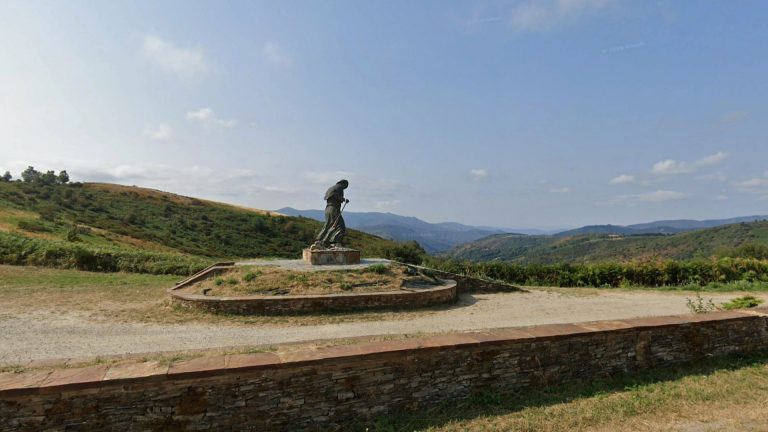
When you leave Mansilla de las Mulas behind, that proud city with its mighty walls that guard the Río Esla like a precious treasure, the world beneath your feet changes in a subtle, almost imperceptible way. You leave the protective floodplains of the river and begin the gentle but steady ascent onto the plateau of La Sobarriba. Villamoros de Mansilla lies like a forgotten guardian at about 800 meters on this threshold point. It is a place that many pilgrims almost overlook in their haste towards León, yet whoever opens their senses feels here the archaic force of the Leonese high plateau in its purest form. The air up here becomes drier, sharper, and carries the tart scent of dried broom and the fine dust of the reddish marl soil. You feel the tactile resistance of the ground, which here transitions from the fertile sediments of the valley into a hard, stony crust that produces a dry, almost metallic crunch with every step.
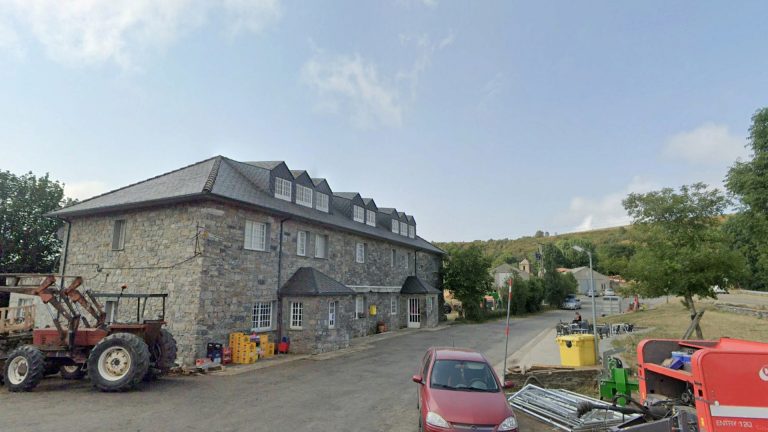
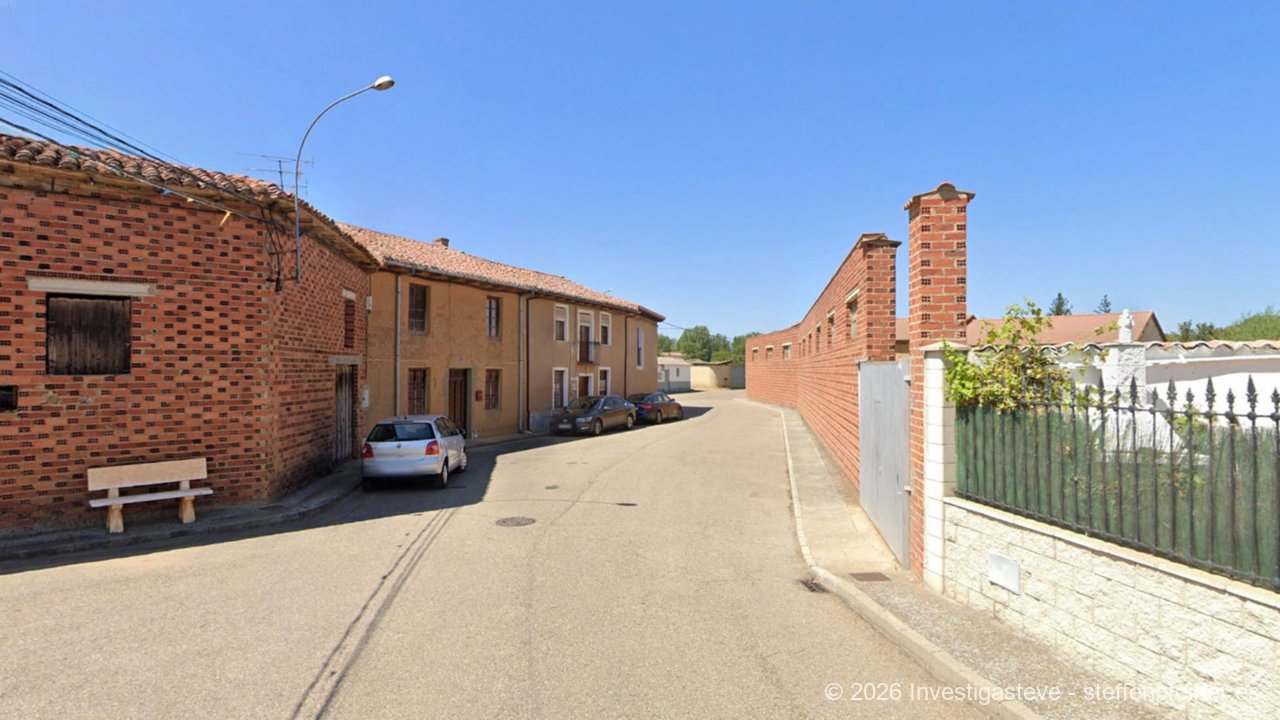
In Villamoros de Mansilla, you are greeted by an atmosphere of absolute reduction. It is an auditory still life: the distant, monotonous hum of the N-601 national road forms the backdrop for the dominant sound of the wind, which sweeps unhindered here across the open fields and produces a hollow whistling in the sparse rows of poplars at the edge of the village. Occasionally, you hear the distant clattering of a stork’s beak from one of the power poles – an archaic signal of constancy. Psychologically, this place marks a phase of mental emptiness. The euphoria of departure from Mansilla has faded, the splendid silhouette of León is not yet in sight. You find yourself in an in-between space, a “non-place” of the pilgrimage that forces you to turn your gaze inward. The sun-warmed, rough façades of the adobe houses, which stand in various stages of decay and renewal, feel under your fingers like the skin of the earth itself – a connection of clay, straw, and centuries of sun exposure.
What This Place Tells
Villamoros de Mansilla already proudly carries its history in its name. “Villamoros” – the village of the Moors. This designation is a direct reference to the historical causality of the repopulation (Repoblación) during the Reconquista. In the period after the 9th century, groups of Mozarabs – Christians who had lived under Moorish rule – or even converted Moors were often settled in these strategically important border regions to cultivate and defend the land. You stand here on ground that reflects the complex identity of Spain: a melting pot of blood, faith, and cultural exchange. It is a fascinating thought that the dust under your boots may have already felt the hooves of Moorish cavalry or the oxcarts of the first Christian settlers. Historical immersion here is achieved not through monumental palaces, but through the sheer constancy of rural life, which has hardly changed for over a thousand years.
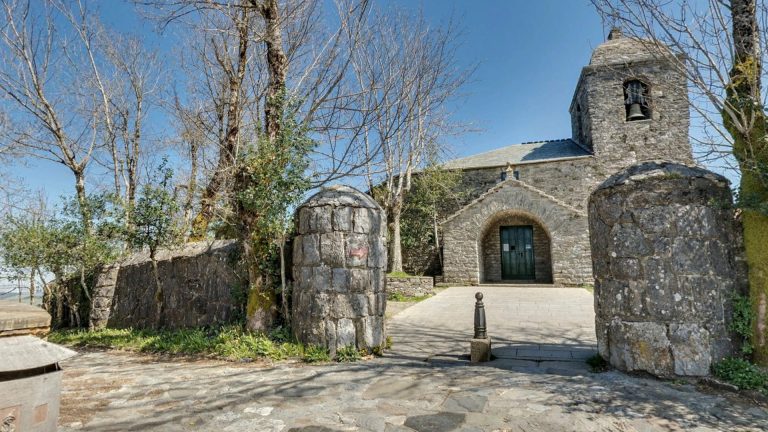
The architecture of Villamoros tells of absolute necessity. Here, adobe construction dominates, the use of unfired clay bricks reinforced with straw. This construction method is a tactile response to the climate of the Meseta: it stores the heat of the day for the cool nights and insulates against the cutting winter winds. When you look at the uneven walls, you see the fingerprints of those who shaped these bricks. It is an honest architecture that wears no masks. Amidst these simple buildings rises the church of San Esteban. Even though it has been rebuilt several times, it preserves in its core the spiritual gravity of the Reconquista era. Olfactorily, the interior receives you with the classic scent of cold limestone and the distant, almost forgotten aroma of incense, which has deeply penetrated the pores of the walls. It is the place where the people of Villamoros have sought protection from the infinite vastness of the plateau for generations.
Another, often invisible chapter of history lies only a stone’s throw away: the ruins of the ancient city of Lancia. This once mighty Asturian and later Roman metropolis dominated the plateau of La Sobarriba long before the first house was built in Villamoros. The historical causality here is marked by a tragic irony: where once legions marched and trade flourished, today only quiet farmland remains. Villamoros de Mansilla functions as the living heir to this sunken world. Psychologically, the place conveys a lesson in humility – empires pass, cities turn to dust, but the small village by the wayside remains as long as people cultivate the soil and pilgrims pass by. The village is an anchor point in timelessness, a stone witness that constancy often lies in inconspicuousness. When you traverse Villamoros, you carry this historical weight with you, an awareness of the layers of time that have made this plateau what it is today: a stage of human will to survive.
Addresses & tips in Villamoros de Mansilla
Camino Distances
The path now leads you over the gentle heights of the plateau, with the distances between the small settlements determining the rhythm of your walking day.
| Previous Place | Distance (km) | Next Place | Distance (km) |
|---|---|---|---|
| Mansilla de las Mulas | approx. 3.5 km | Villarente | approx. 3.0 km |
Sleeping & Arriving
Arriving in Villamoros de Mansilla is marked by an almost painful stillness. Since the place lies only a few kilometers behind Mansilla, most pilgrims use it only for a brief pause. Yet precisely therein lies the psychological appeal: Villamoros offers no classic stage-destination feeling, but rather the experience of pure transition. There are no large hostels here with dozens of bunk beds, making the place a retreat for those seeking solitude. If you decide to rest here, you feel the tactile liberation when you lay your backpack on a sun-warmed stone bench. The sweat on your back cools quickly in the steady wind of the plateau, an almost tingling sensation of refreshment.
The infrastructure for overnight stays is minimal and often privately organized. This means that a stay here has a very personal touch. You do not hear the polyphonic snoring of a mass dormitory, but the distant rustling of poplars and the creaking of old wooden floorboards. It often smells of freshly mown grass or the spicy aroma of burning poplar wood from the neighbors’ chimneys. Psychologically, spending the night in Villamoros is a conscious decision for reduction. You forego the bustle of León or Villarente and exchange it for the absolute silence of La Sobarriba. This silence is tactile – you can almost grasp it as it settles like a blanket over the adobe houses in the evening.
For the pilgrim arriving in Villamoros, the reception is often laconic but marked by a deep, honest hospitality. The locals know that no one comes here by chance. Those who stay here seek something other than the city’s sights. You feel in the few accommodations the historical continuity of pilgrim care: a simple bed, a warm soup, and the security of the thick walls. Arriving in Villamoros is a ritual act of submerging into the rural reality of León. It prepares you mentally for the coming kilometers by grounding you and showing you that the power of the path often lies in the quietest moments. Those who sleep here wake with a clarity that only the solitude of the high plateau can bestow.
Eating & Drinking
Culinarily, Villamoros de Mansilla is a reflection of the barren but honest Meseta cuisine. Here, cooking is not for tourists, but for people who work with the earth. In the few bars, the midday smell of Sopa de Ajo, the Leonese garlic soup, is prepared here with an almost archaic intensity. The tactile warmth of the clay bowl in your hands and the first spoonful of the hot, spicy liquid are a comfort for the body often chilled by the wind of the plateau. The taste is characterized by robust Pimentón and old, rustic country bread – a combination that immediately replenishes your energy reserves. It is an honest meal that wears no masks and precisely thereby unfolds its deep psychological effect on the hungry walker.
Another highlight of the region is the Cecina de León, the air-dried beef, often served here in paper-thin slices. The tactile texture is firm, almost silky, and as you chew, a smoky, deep aroma unfolds, telling of the vastness of the high pastures. You drink a wine from the region with it, perhaps a Prieto Picudo, whose powerful structure pairs perfectly with the heartiness of the dishes. The clinking of glasses and the loud, hearty laughter of the locals, who meet for a tapa after work in the fields, form an acoustic backdrop of great authenticity. You eat here not as a tourist, but as a guest at the table of the province of León.
Those with a sweet tooth should look out for the homemade Biscochos, often smelling of lemon and anise. These simple cakes have a tactile consistency that is at once crumbly and moist. They offer those quick calories needed for the onward path over the windy plateau. Eating in Villamoros is a ritual act of strengthening. You take in the strength of the soil to be prepared for the coming challenges. It is a culinary immersion that connects you more deeply with the history and fate of this place than any gourmet restaurant could.
Supplies & Logistics
Logistically, Villamoros de Mansilla is a place of minimal basic supply. Those expecting a large supermarket or a specialized pharmacy here will be disappointed. Yet precisely this scarcity is part of the experience of the path. There is often only a small village shop or a bar that simultaneously functions as a social hub. The smell in these shops is a nostalgic mix of fresh pastries, detergent, and the tart aroma of local hams. It is a tactile pleasure to choose the plump apples or the firm country bread. The logistics of the place force you to plan ahead: if you don’t stock up here, you have to wait until Villarente.
Medical care is hardly available in Villamoros, but the village’s solidary structure often helps. In emergencies, Mansilla de las Mulas is only a few minutes away by car. Psychologically, the proximity to the larger centers gives a certain security, while at the same time you enjoy the seclusion. ATMs are not found here, forcing the pilgrim to plan finances in advance – another step towards pilgrim autonomy. The connection to public transport is provided by the N-601, but buses stop only irregularly, making Villamoros a real island in the stream of mobility.
Shopping: A minimal village shop offers the most necessary food items like bread, fruit, and water for immediate needs.
Gastronomy: A traditional bar serves simple pilgrim fare, tapas, and robust regional wines.
Accommodation: Very limited capacity in private accommodations, ideal for pilgrims wanting to avoid mass hostels.
Public Facilities: No pharmacy or bank; logistical dependence on Mansilla de las Mulas and Villarente.
In summary, Villamoros de Mansilla represents a logistical challenge and at the same time a liberation. Everything unnecessary is omitted here. The paths in the village are short, the infrastructure is reduced to survival. Use this place to check your inner logistics: What do you really need when civilization recedes into the background for a moment? The psychological calm emanating from this simplicity is the best preparation for the final jump to León. Here in Villamoros, supply becomes secondary because the focus is entirely on walking and perceiving the landscape.
Don’t Miss
1. The church of San Esteban: Visit this simple house of God and feel the cool silence that has protected pilgrims from the wind of the plateau for centuries.
2. Traditional adobe façades: Pay attention to the construction of clay and straw – a tactile lesson in sustainable, regional architecture.
3. The view back to the Esla Valley: From the heights at the edge of the village, you have a fantastic view of the green ribbon of the river you have just left.
4. Stork nests on the power poles: Observe the bustling activity of these feathered pilgrims who take the same path as you every year.
5. Taste a glass of local wine: Treat yourself to a robust drop in the village bar and feel the mineral power of the Leonese earth.
6. The stone benches by the wayside: Use these rough, warm resting places for a short meditation on the vastness of La Sobarriba.
7. Eat local Sopa de Ajo: Experience the unadulterated taste of this traditional fortifier in its simplest and most honest form.
8. The ruins of Lancia: Learn about this ancient center of power that rests underground only a few kilometers away.
9. The sunset on the plateau: When the light bathes the adobe houses in glowing red, this is the most magical moment of the day.
10. A conversation with a local: The people here are often taciturn, but their stories about the wind and the land are of deep wisdom.
Insider Tips & Hidden Places
Away from the marked yellow arrows, Villamoros de Mansilla conceals small corners of rare stillness and historical depth. If, at the edge of the village, you take a small, inconspicuous dirt road heading north, you will reach a group of old, partially dilapidated Bodegas after a few hundred meters, dug directly into the clay slope. Here, the wind is quieter, and the smell of damp earth and old masonry creates an almost mystical atmosphere. You hear only the distant rustling of the broom. It is a tactile retreat where you can sit on the cool earth and enjoy the absolute silence of the plateau. Psychologically, this is the ideal place to finally leave behind the hustle of everyday life and attune yourself to the spiritual phase of your path.
Another insider tip is a small niche in the outer wall of an old farmhouse near the church, housing a weathered stone figure, presumably depicting Saint Stephen. Many pilgrims pass by carelessly, yet those who stop recognize the fine details of the sculpture, almost erased by the weather. The tactile structure of the stone, smoothed by centuries of wind and rain, is fascinating. Locals often place small field flowers here – a ritual act of popular piety that does without great pomp. It is a place of historical immersion that reminds you that faith here is a very down-to-earth, material matter. Here you feel the historical causality of veneration that has held this place together through all wars and crises.
On one of the side streets, you will also find an old wooden door fitted with hand-forged iron fittings that could still date from the Baroque period. The tactile experience of touching the cold, rough metal connects you directly with the generations of craftsmen who shaped Villamoros. It often smells here of old wood and the distant dust of the fields. This door often leads to a hidden courtyard where time seems to stand still. If you are lucky enough to catch a glimpse inside, you see the real, unadulterated life of La Sobarriba – far from any tourist staging. These small, personal details are the true treasures of Villamoros, giving the place a soul.
Finally, a look at the vegetation at the edge of the plateau in the early morning hours is worthwhile. When the dew glistens on the hard grasses, the distant hills look like a silver-shimmering world. The visual experience of the first sunbeam dispelling the coolness of the night and the distant ringing of the church bell create a spiritual depth that lets you arrive fully within yourself. Psychologically, this moment of stillness prepares you perfectly for the coming path to Villarente. You leave Villamoros not only with the experience of solitude, but with a feeling of connection to history and the earth that will accompany you like an invisible shield over the next kilometers.
Moment of Reflection
Villamoros de Mansilla poses a quiet but persistent question about your own “adobe strength.” Just as the houses here were formed from the clay of the earth, you too reshape your own identity on your path – from the experiences, the pains, and the joys of the pilgrimage. Psychologically, Villamoros is the place where you can test the load-bearing capacity of your inner foundation. Have you used the Meseta to anchor your roots deep in the soil of self-knowledge? The simple presence of the clay walls teaches you reflection on the essentials. Not every building here is perfect, but in their entirety, they have withstood the thermal extremes of the high plateau for centuries. What is the straw in your life that holds your structure together?
Take the time to pause at the edge of the village and look over the plateau. Feel the tactile reality of the dry air and listen to the flowing of the wind. The historical causality teaches us humility: we are only part of this path for a tiny moment, but we stand in a line with Moorish settlers and Mozarabic pilgrims. In Villamoros, the solidarity of the path becomes a physical certainty, even when you walk alone. Use the silence of this place to clarify your motivation. With every step you take, you solidify your own determination. You leave Villamoros strengthened, ready for the distant goal of Santiago, knowing that true beauty often lies in the simplicity and constancy of the moment.
Camino of the Stars
This place lies on the Camino Francés, on the stage from Sahagún to León. The sequence of places is:
Sahagún → Bercianos del Real Camino → El Burgo Ranero → Reliegos → Mansilla de las Mulas → Villamoros de Mansilla → Puente Villarente → Arcahueja → León
Did the honest simplicity of the adobe houses in Villamoros de Mansilla touch you as much as it did us, or was it the unexpected silence on the fields of La Sobarriba that gave you new strength? Share your experiences from this often underestimated village with us – tell us about your moment at the old Bodegas, the taste of the Sopa de Ajo, or your encounter with the weathered saint figure. Your story makes this path a little more human for all those who still have it ahead of them!
About the Author