A First Glance – Introduction & Atmosphere
When the pilgrim sets out early in the morning from Carrión de los Condes, he often does not yet suspect that the coming hours will put his psychological fortitude to a severe test. The path to Calzadilla de la Cueza leads along the notorious “Vía Aquitania,” an almost seventeen-kilometer-long, perfectly straight stretch without any shade, without a fountain, and without any human settlement. It is a passage of absolute reduction. The acoustic panorama shrinks to the steady, almost meditative crunch of the bright limestone gravel under the soles and the distant whistling of the wind sweeping unhindered over the Castilian high plateau. The heat of the Meseta shimmers over the horizon, making the distant poplars at the end of the path dance like a mirage.
After hours of total exposure, during which the mind oscillates between exhaustion and deep introspection, Calzadilla de la Cueza emerges like a saving island from the dust of the plain. The first sight of the village, which humbly nestles into the shallow valley of the Río Cueza, triggers a physically tangible wave of relief. The tactile contrast could not be greater: from the hard, unyielding white of the Senda to the soft silhouette of the ochre-colored adobe houses and the deep red of the tiled roofs. You smell the approaching civilization before you enter it – a mix of dry grain, the cool scent of the nearby river, and the hearty aroma of Sopa de Ajo wafting from the chimneys of the few bars.
Arriving in Calzadilla is a five-dimensional immersion into hospitality. When you place your hand on the rough, sun-warmed walls of the first houses, you feel the centuries-old constancy of this place, which has done nothing else since Roman times but receive travelers in the wasteland. The emotional metamorphosis is immense: where existential solitude reigned just moments ago, you are now enveloped by a village security. The light in Calzadilla has a special quality; in the late afternoon, when the sun hangs low over the Tierra de Campos, the reddish bricks of the San Martín church glow like petrified fire, marking the end of one of the toughest trials of the Camino.
What This Place Tells
The history of Calzadilla de la Cueza is inextricably linked to the engineering of the Roman Empire. The name itself – a diminutive form of “Calzada” (road) – is a direct homage to the Vía Aquitania, that mighty artery that once connected Bordeaux with Astorga. The historical causality is tangible here: Calzadilla did not arise by chance, but as a necessary resting station (mansio) on one of the most strategically important routes of antiquity. When you wander over the fields around the place today, you literally walk on the foundations of Roman logistics, which set the rhythm of movement in this region for over two millennia.
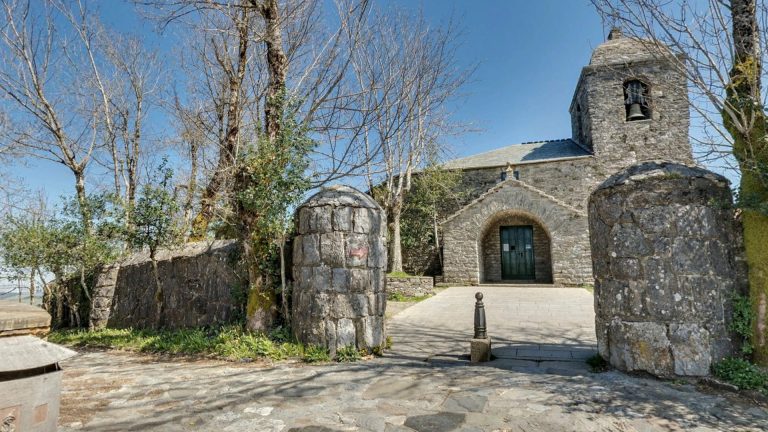
In the Middle Ages, the significance of the place shifted from military security to spiritual care. A now almost forgotten jewel of this era is the former Hospital Gran Caballero (Santa María de las Tiendas), which once lay about halfway between Carrión and Calzadilla. This immense hospice, which belonged to the Order of Santiago, was one of the most important pilgrim hostels of the entire Middle Ages. The fact that today only ruins and archaeological traces bear witness to this place lends the history of Calzadilla a melancholic depth. It tells of the transience of power, but also of the indestructibility of the pilgrim spirit. You feel the psychological weight of this history in the silence of the church of San Martín, which houses an impressive altarpiece from the 16th century, once rescued from that very vanished Hospital.
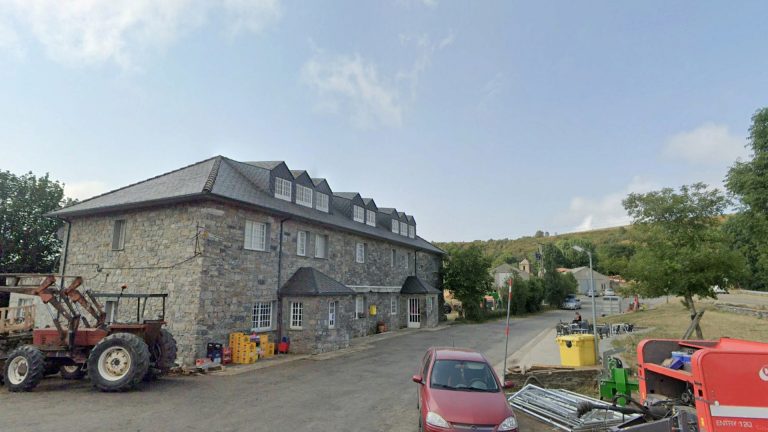
The village itself is an architectural archive of the Tierra de Campos. The adobe construction, the use of sun-dried clay, water, and straw, is not a folkloric ingredient here but a tactile necessity. These houses breathe with the landscape; they store the coolness of the night and protect against the murderous midday heat. Those who run their fingers over the cracked façades touch the earth of Castile in its purest form. Calzadilla tells of a hard life, of generations of farmers and shepherds who defied the barren soil and understood the pilgrim stream as the only connection to the wide world. This historical symbiosis shapes the character of the inhabitants to this day – a mix of rough warmth and deep serenity towards the passage of time.
Addresses & tips in Calzadilla de la Cueza
Camino Distances
Calzadilla de la Cueza marks the end of the longest uninhabited section of the Camino Francés and offers the first supply opportunity after leaving Carrión de los Condes.
| Previous Place | Distance (km) | Next Place | Distance (km) |
|---|---|---|---|
| Carrión de los Condes | approx. 17.2 km | Lédigos | approx. 6.1 km |
Sleeping & Arriving
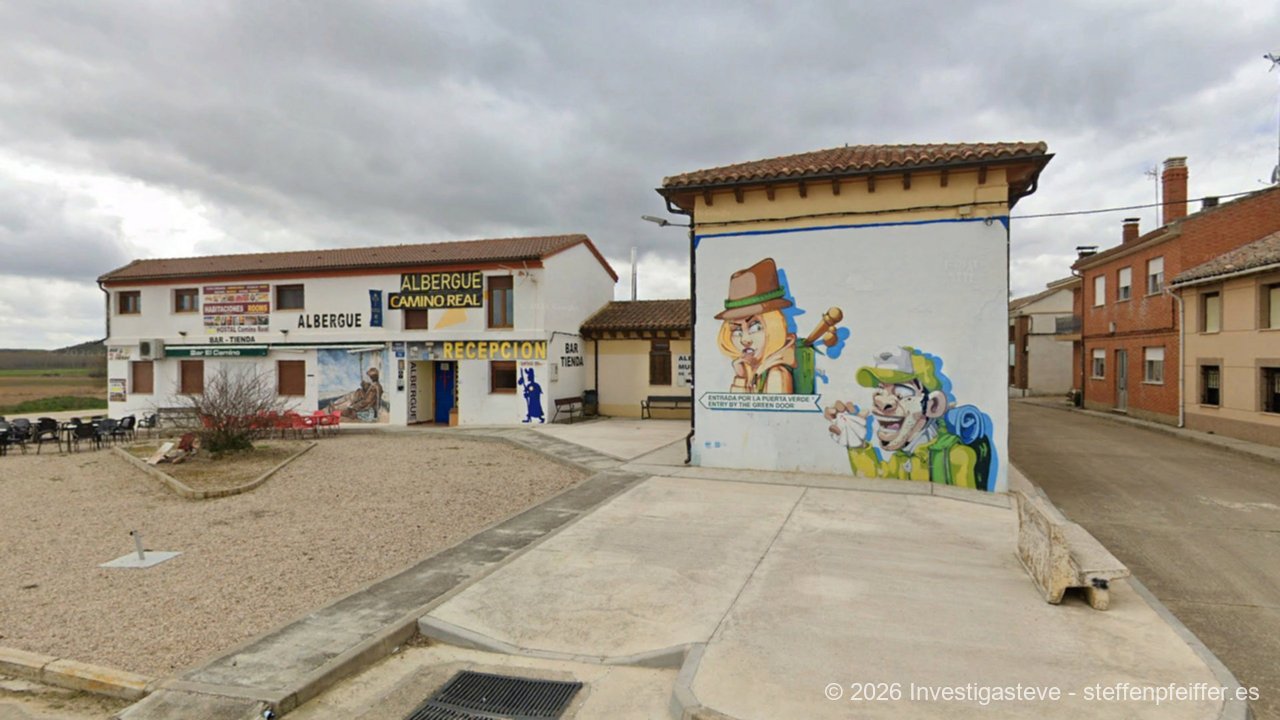
Arriving in Calzadilla de la Cueza is an act of physical and mental landing. After the seventeen kilometers of “emptiness,” the feeling of setting down your backpack in a hostel like the Albergue Camino Real or the Albergue Municipal is almost transcendent. The tactile experience begins at the threshold: when the cool air of the interior hits sweat-wet skin and the metallic click of the buckles announces the end of the marching effort. The smell in the dormitories is a mix of fresh linen, the aroma of hiking boots, and a fine note of disinfectant – for the pilgrim, this is the scent of security.
The psychological relief that Calzadilla offers is immense. In the communal areas, a very special atmosphere prevails; you share not only the space but also the exhaustion and pride of the conquered stage. The acoustic panorama is characterized by the soft murmuring in five languages, the rustling of sleeping bags, and the soothing splashing of water in the showers. The tactile feeling of warm water on dusty calves is a luxury after the Meseta stretch that puts any modern wellness oasis to shame. Here, arrival becomes a social ritual, where you shed the anonymity of the Senda and once again become part of a human community.
The accommodations in Calzadilla are functional but radiate an honest hospitality deeply rooted in the tradition of the place. Many pilgrims choose to stay here rather than tackle the next six kilometers to Lédigos in order to enjoy regeneration to the fullest. The view from the windows of the hostels often goes directly out into the vastness you have just conquered – a visual retrospective important for the psychological processing of the path. At night, the silence in Calzadilla is of an almost eerie density, only occasionally interrupted by the distant barking of a village dog or the rustling of the wind in the grain silos. You sleep deeply and dreamlessly, cradled in the bosom of the adobe walls, while the body processes the minerals of the Meseta earth.
Particularly noteworthy is the quality of the private hostels, which often have small pools or spacious inner courtyards. The tactile experience of dipping your feet into cool pool water while the sun sets over the Tierra de Campos is one of the unforgettable moments of the journey. It is an emotional reward for the preceding deprivation. The psychological metamorphosis is complete here: you are no longer the hunted of the sun, but the guest of the plain. The light of dusk, falling through the arcades, casts long shadows on the ground and invites reflection on your own strength and endurance. Calzadilla is not merely a place to sleep; it is a regeneration station for soul and body.
Eating & Drinking
The gastronomic landscape of Calzadilla de la Cueza is small but of an impressive authenticity. Here, the “cuisine of the fields” is celebrated, based on high-quality, local products and designed to compensate the pilgrim for their physical exertions. The olfactory focus is clearly on garlic, olive oil, and smoked paprika powder. The Sopa de Ajo served here is often stronger and more substantial than elsewhere – a thick, warming meal that tastes of wheat fields and hard field labor. When you bring the first spoonful of this soup to your mouth, you feel the historical causality of nutrition in this region: you need energy to defy the vastness.
A tactile highlight of every meal is the local bread. It has a crust that cracks loudly under your fingers and a crumb so dense and fragrant that it almost passes as a dish in its own right. In the bars, a robust red wine from the province of Palencia is often served with it, usually in simple glasses that feel cool in the hand. The color of the wine is a deep, dark cherry red, its taste carries notes of ripe berries and mineral earth – a liquid concentrate of the Meseta. Drinking this wine in the community of fellow pilgrims is a social act of fraternization, underscored by the lively acoustics of clinking glasses and laughter about the day’s anecdotes.
For the big hunger, the restaurants often offer “Lechazo” (suckling lamb) or hearty stews with chickpeas. The texture of the meat, which almost falls off the bone without resistance, is a culinary poem. The psychological effect of these meals is enormous: they signal to the mind that the time of deprivation is over and pleasure claims its right. Those who eat in Calzadilla de la Cueza taste the honesty of Castile. There is no fashionable frills here, but honest craftsmanship on the plate. When you enjoy a “Cuajada” with local honey to finish, the sweetness mixes with the tart aftertaste of the wine to form a harmonious whole that gently accompanies the pilgrim into the evening.
Supplies & Logistics
Logistically, Calzadilla de la Cueza is a vital supply station. After the long dry stretch from Carrión, the infrastructure here is precisely tailored to the needs of those arriving. Although the place is small, it offers an astonishing density of services that guarantee survival and progress in the Meseta.
Shopping: A small village shop supplies walkers with basic foodstuffs, fresh fruit, and water. The selection is manageable, but absolutely sufficient for the next stage.
Gastronomy: Several bars and restaurants offer hot meals and pilgrim menus throughout the day. The “Bar Camino Real” is a particularly well-known meeting point for a quick cold drink immediately after arrival.
Accommodation: There is a good selection of private hostels and a municipal hostel, usually with a very personal touch.
Public Facilities: A public fountain with drinking water is available, as is a small pharmacy specializing in treating blisters and sunburn.
The psychological security this logistics provide should not be underestimated. You know that you will be taken care of after the 17-kilometer passage. The acoustic backdrop of the place is occasionally interrupted by the passing of a car on the nearby N-120, yet the logistical processes within the village remain in the calm rhythm of the Camino. There is also the possibility to organize luggage transport here, which for many pilgrims is a welcome relief after the exertion of the Meseta. Supply in Calzadilla is not luxury, but a reliable service to people, translating the historical tradition of hospitality into modernity.
Don’t Miss
1. Celebrate the arrival: Take a moment at the village entrance to look back. The visual perception of the distance covered is an important psychological milestone.
2. Church of San Martín: Admire the spectacular Renaissance altarpiece. The cool air inside offers a perfect five-dimensional escape from the midday heat.
3. Remains of the Vía Aquitania: Look for traces of the old Roman road on the edge of the village. The tactile touching of the stones connects you with two millennia of travel history.
4. The village fountain: A ritual place. Letting the cold water run over your wrists is a tactile highlight after the dusty stage.
5. Sunset over the Cueza: Walk a few steps out of the village into the fields. When the sun sinks as a fiery ball behind the horizon, the Meseta reveals its true, almost sacred beauty.
6. Taste Sopa de Ajo: Nowhere does the garlic soup taste more honest than here, where it serves as genuine strength food.
Insider Tips & Hidden Places
Away from the main street, Calzadilla de la Cueza conceals small treasures that only the attentive walker discovers. One such place is the bank of the Río Cueza at the lower end of the village. While most pilgrims stay in the hostels, you will find a small oasis of coolness along the river course. The ground here is soft and mossy, a tactile pleasure for battered feet. You hear the soft gurgling of the water and the rustling of willow leaves – an acoustic contrast to the dry silence of the fields. Here it smells of damp earth and fresh greenery, an olfactory refuge that regenerates the senses. It is the perfect place for a silent meditation on the meaning of water in a barren world.
Another insider tip is the search for the remains of the former Hospital Santa María de las Tiendas. You need to walk back about two kilometers towards Carrión or consciously seek the path there upon arrival. The ruins radiate a deep historical causality; you feel the spirits of the Templars and knights who once protected this place. It is a place of absolute acoustic isolation, where you can almost physically grasp the vastness of history. The psychological effect of these ruins in the solitude of the plain is immense and leads to a deep reflection on becoming and passing away on the Camino.
For photography lovers, there is a special point on a small hill north of the village. From there, you have the perfect view of the silhouette of Calzadilla as it stands out against the wide sky. At dusk, when the first warm lights come on in the houses, the place looks like a luminous island in a dark sea. The tactile experience of the cool wind, which blows more steadily up here, forms a sharp contrast to the security of the valley. This place offers the best perspective to grasp the isolation and simultaneous security of the settlements in the Meseta.
Finally, a look into the private vegetable gardens (huertos) on the edge of the village is worthwhile. If you are lucky and a door is open, a small green miracle reveals itself. Here, tomatoes, peppers, and vines grow in a lushness you would hardly expect from the barren surroundings. The smell of freshly watered earth is enchanting here. These gardens are the psychological symbol of the fertility wrested from the barren soil. Those who observe a local at work understand the deep connection of the people to their land, which goes far beyond tourist perception. It is a lesson in patience and devotion that the Camino gives the attentive pilgrim in Calzadilla de la Cueza.
Moment of Reflection
Calzadilla de la Cueza is a place of existential stocktaking. The preceding 17-kilometer passage acts like a psychological filter: everything non-essential is left behind in the dust of the Senda. Those who arrive here are often exhausted, but strangely clear inside. The emotional metamorphosis takes place in the realization that your own strength goes far beyond what you suspected. The village offers the framework to integrate this new strength. You learn here to appreciate again the quality of silence and the value of a simple gesture – a glass of water, a kind word – for what they are: the true treasures of life.
In the stillness of Calzadilla, while contemplating the adobe walls and listening to the wind, the question of your own constancy often arises. How much Roman Calzada is there in your own life path? The tactile experience of the village, its earthiness and simple beauty, acts like a mirror for the soul. Those who leave Calzadilla de la Cueza carry not only dust on their shoes but a new firmness in their minds. They have learned that after every dry stretch, an oasis awaits if you are only willing to take the first step. It is the preparation for the coming stages, a school of humility before the infinity of the plain.
Camino of the Stars
This place lies on the Camino Francés, on the stage from Carrión de los Condes to Mansilla de las Mulas. The sequence of places is:
Carrión de los Condes → Calzadilla de la Cueza → Lédigos → Terradillos de los Templarios → Moratinos → San Nicolás del Real Camino → Sahagún
Did you experience the 17 kilometers of solitude before Calzadilla de la Cueza as a trial or as a liberation? Was the first sip of water at the village fountain also a sacred moment for you? Share your experiences, your thoughts on the vastness of the Meseta, or your photos of the altarpiece in San Martín with us. Every story makes this special place after the “Vía Aquitania” even more alive for all of us!
About the Author