A First Glance – Introduction & Atmosphere
When the pilgrim, behind Población de Campos, reaches the crossroads, he stands before an existential decision that is far more than just a question of geography. To the left beckons the “Senda,” that dead-straight, often dusty companion path to the country road, which is efficient but also mercilessly exposed to the sun and the distant roar of engines. To the right, however, opens the variant via Villovieco, the “Senda de los Ríos.” Those who choose this path immerse themselves in a world that instantaneously transforms the tactile and visual experience of the Camino. The hard crunch of the limestone gravel gives way to the springy resistance of soft riverbank grass and compacted earth. It is a moment of physical redemption when the cool, damp breeze of the Río Ucieza touches the heated forehead and the smell of fresh water, mixed with the tart aroma of silver poplars and willows, fills the lungs.
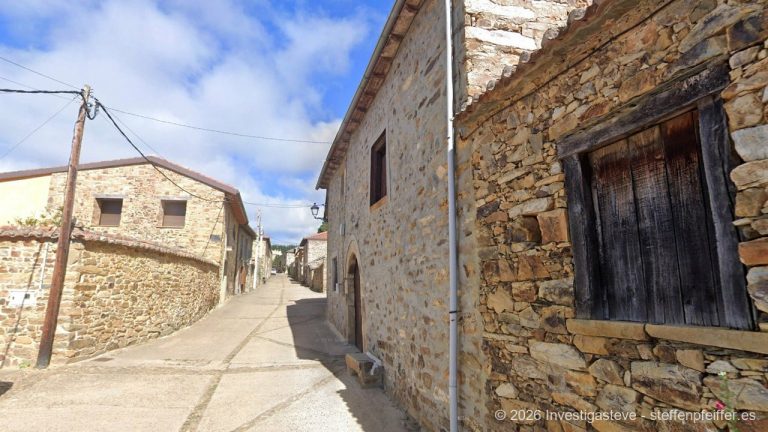
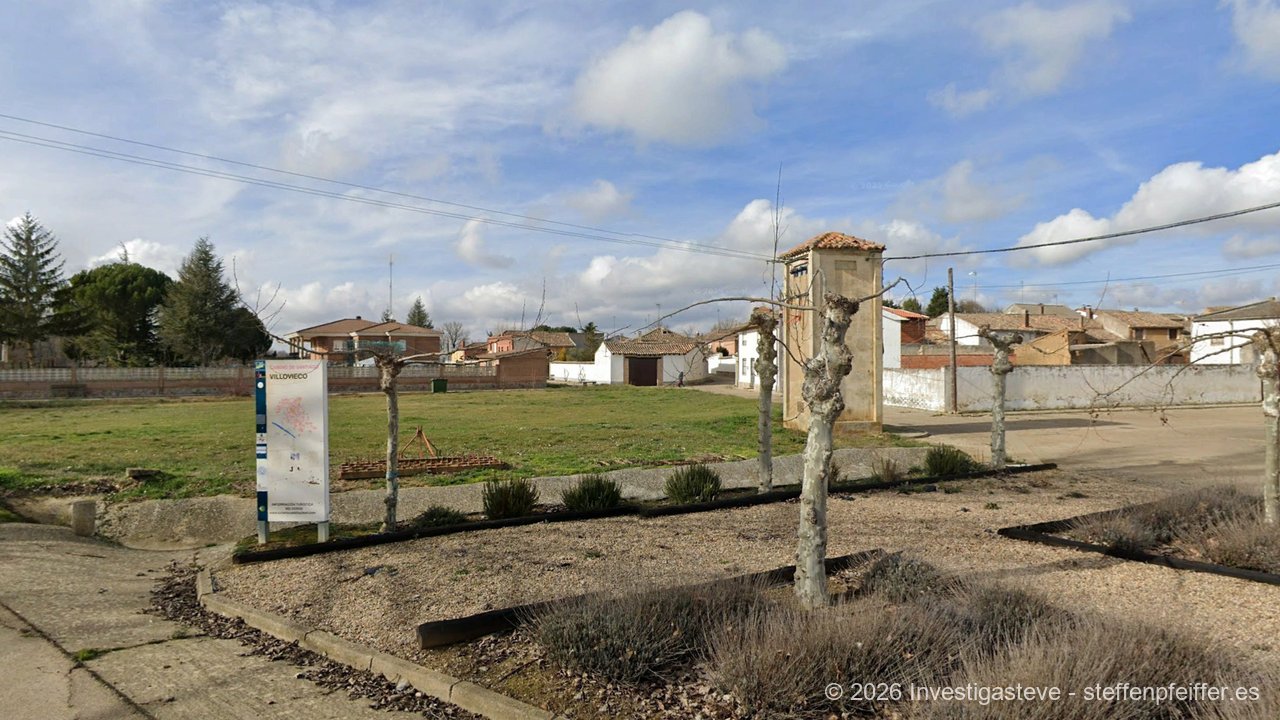
Villovieco does not receive the walker as a monumental stage destination, but as a whispering refuge amidst the Tierra de Campos. The acoustic panorama here is of an almost sacred density: the constant gurgling of the river forms the bass note, over which the polyphonic chirping of stream birds and the soft rustling of reeds are layered. It is a five-dimensional immersion into rural Castile, far from the beaten paths. Psychologically, this place acts like a gentle anchor; you no longer feel like a driven clocker of kilometers, but like a guest of nature. The ochre-colored adobe houses of the village seem to humbly nestle against the river’s course, their texture marked by decades of sun and wind, giving the pilgrim a deep sense of constancy and grounding. Here, where the shadow of the trees stretches long fingers across the path, the emotional metamorphosis begins that elevates the Camino from a sporting hike to a spiritual journey.
What This Place Tells
The history of Villovieco is a narrative of the symbiosis between man and water in an otherwise barren high plateau. While the Tierra de Campos is often called the “granary of Spain,” where the sun mercilessly dries the land in summer, the Río Ucieza functions as a life-giving artery. The historical causality of the village’s founding precisely at this spot becomes immediately clear to the observer: without the river, there would be no survival here. The place itself, a small jewel with barely 62 souls today, tells of a time when rural Castile pulsed with life. When you run your hand over the cracked façades of the adobe buildings – that ancient mix of clay, straw, and water – you feel the tactile connection to generations of farmers who defied this soil. It is a fragile heritage, speaking of the dramatic depopulation of the “España Vaciada,” the empty Spain, which finds its silent monument in places like Villovieco.
In the center of the village stands the church of Santa María, a building from the 16th century that embodies the dignity of the region in its simple brick aesthetic. Inside, it houses a valuable altarpiece and a depiction of the Virgin, who over the centuries was the only comfort for a community entirely dependent on the cycles of harvest and water. Historical depth here is defined not by pomp, but by constancy. You walk over cobblestones that knew the hooves of the mules that brought grain to the mills on the river. Psychologically, Villovieco challenges the pilgrim to engage with transience and the value of the moment. The dilapidated barns on the edge of the village, whose roofs are slowly becoming one with the earth again, are not places of horror, but visual poems about the eternal cycle of nature, into which the Camino so seamlessly fits.
Villovieco’s role as a variant point adds a strategic layer to the history. It was never the main stop on the great highways, but always the secret path, the route of those who preferred the silence of agriculture and the coolness of the river to the hustle of the “Calzada.” This historical decision-making situation – the way of the masses or the way of silence – is reflected in the village’s atmosphere to this day. Those who enter Villovieco enter a dialogue with a past that does not impose itself but waits in the shadows of the poplar avenues to be discovered. It is a place that teaches that the true meaning of history often lies in the small, inconspicuous details: in the pattern of the bricks, in the level of the weir, and in the unwavering gaze of the few remaining inhabitants, who receive the pilgrim with a mixture of curiosity and a centuries-old, serene wisdom.
Addresses & tips in Villovieco
Camino Distances
Villovieco lies on the picturesque river variant between Población de Campos and Villalcázar de Sirga. This route is slightly longer than the Senda but offers an incomparable added value of nature and tranquility.
| Previous Place | Distance (km) | Next Place | Distance (km) |
|---|---|---|---|
| Población de Campos | approx. 4.0 km | Villalcázar de Sirga | approx. 5.0 km |
Sleeping & Arriving
Arriving in Villovieco possesses a very own, almost meditative quality. When you pass the river bend and the first houses of the hamlet appear between the trees, the physical pressure of the stage subsides. The tactile experience of arrival is characterized by the sudden coolness emanating from the Río Ucieza. Many pilgrims pause here, take off their hiking boots, and dip their heated feet into the clear, flowing water – a moment of tactile shock that awakens the spirits and instantly relaxes the muscles. In Villovieco, there is no anonymity of large pilgrim towns. The accommodation, such as the family-run “Albergue La Magia del Camino,” offers a psychological refuge reminiscent of coming home. You feel the intimacy of a place with only 60 inhabitants; here you are not a traveler passing through, but a guest in a shared destiny.
The architecture of the accommodations is often characterized by the traditional building style of Castile. Thick walls of brick and clay ensure a natural sleeping climate that maintains a pleasant freshness even in the hottest high summer. The acoustic experience of the night in Villovieco is a revelation for noise-plagued city dwellers: the silence is so deep that you hear the soft rustling of the wind in the distant grain fields and the occasional call of an owl. It is a darkness so pure that the Milky Way band – the true Camino de Santiago in the sky – shines above the roofs of Villovieco with a brilliance that is almost intimidating. This visual infinity helps the pilgrim to put their own worries and physical pains into a cosmic relation.
In the communal areas of the hostels, the scent of homemade food mingles with the cool note of the evening. The tactile perception of the smooth wooden tables and the heavy ceramic plates during dinner fosters a feeling of security and grounding. The psychological component of staying in such a small place should not be underestimated: you escape the “race for beds” that often prevails on the main route and return to an almost monastic contemplation. When you wake up in Villovieco in the morning and the first light of day bathes the poplar leaves in silver and gold, the emotional metamorphosis is complete. You leave the place with an inner firmness, strengthened by the silence and the honest hospitality of a village that has nothing to prove but simply is.
The ritual of arrival here often also includes a conversation with the few locals sitting on the benches in front of their houses. It is an auditory experience of a special kind when the sonorous, deep Castilian of the elderly merges with the multilingual murmuring of the pilgrims. You feel the historical causality of hospitality; since the Middle Ages, this place has been a point of refuge for those who chose the river route. This continuity of reception gives Villovieco an aura of security. Those who set down their backpack here do so not only to sleep, but to integrate themselves for one night into the social fabric of an unspoiled Castile. It is the pure, unfiltered experience of pilgrim life, far from any commercialization.
Eating & Drinking
The cuisine in Villovieco is as honest and unpretentious as the landscape from which it springs. Here, the cuisine of the Tierra de Campos reigns, based on the quality of few but excellent basic products. The smell of homemade stew, often a robust lentil dish with chorizo or a classic “Sopa de Ajo,” wafts through the inns and awakens the spirits of the exhausted walker. The olfactory perception of garlic, olive oil, and the smoky aroma of smoked paprika powder is the culinary promise of regeneration. When you bring the first spoonful of the warm soup to your mouth, you feel the energy returning to your body – a tactile feast of satiety that warms the soul.
An indispensable part of every meal is the local bread, which here often still has a crust that cracks loudly when broken and reveals a soft, fragrant crumb inside, perfect for soaking up the remnants of the hearty sauces. The hosts often serve a simple but characterful red wine from the region, whose deep red color and earthy aftertaste reflect the power of the Castilian sun. Drinking this wine from simple glasses, surrounded by like-minded people, is a social act of fraternization. Acoustically, the meal is underscored by the clinking of glasses and laughter about the day’s anecdotes, while outside the river sings its eternal song. It is the psychological experience of sharing that possesses a special depth in Villovieco, as the small number of guests creates an almost familial atmosphere.
Those who dine in Villovieco experience the historical causality of supply: in such a barren region, every foodstuff was precious, and you can taste this in the care of preparation. You learn here to appreciate again the quality of a fresh olive oil or a piece of tangy sheep’s cheese for what they are – gifts of the earth. For dessert, you must not miss the simple “Mantecados” or almond cookies, whose crumbly consistency melts on the tongue and leaves a fine sweetness. The emotional satiety after such an evening in Villovieco is total; you are not only physically strengthened but have absorbed a piece of Castilian identity. It is the preparation for the coming kilometers, a culinary armor that equips the pilgrim for the wide fields of the Tierra de Campos.
Supplies & Logistics
Villovieco is a place of reduction, and precisely therein lies its logistical strength for the conscious pilgrim. Those who come here expect no shopping center, but a concentration on the essentials. The infrastructure is small but highly functional for the needs of a walker.
Shopping: There is no independent supermarket in the village. However, the hostels often function as small supply stations and offer the most necessary items for the next day: water, fruit, and simple snacks for the road.
Gastronomy: Gastronomic supply is concentrated in the hostels. Here, pilgrim menus and a hearty breakfast are offered, tailored to the needs of long walking days.
Accommodation: Villovieco has two to three smaller accommodations, including the very personal Albergue “La Magia del Camino,” which often also offers private rooms or smaller dormitories. A reservation is absolutely advisable in high season due to limited space.
Public Facilities: A public fountain with drinking water is located in the center of the village, ideal for replenishing supplies before the march to Carrión. Medical care is only available in the larger Carrión de los Condes (approx. 10 km away).
The psychological security of finding everything necessary in this small hamlet takes much pressure off daily planning. You feel the historical causality of the variant: those who choose the river route opt for the logistics of hospitality rather than the logistics of consumption. Acoustically, the village order is occasionally interrupted by the distant rattle of a tractor – a constant reminder that you are in the heart of a living agricultural landscape. The emotional relief of replenishing supplies at the cool village fountain is a tactile ritual that initiates departure the next morning. Villovieco proves that true supply lies not in quantity, but in the reliability and warmth of the people.
Don’t Miss
1. The riverside path of the Río Ucieza: The heart of the variant. Enjoy the shady poplar avenues and the tactile experience of the soft ground – a blessing for tendons and joints.
2. Church of Santa María: Admire the simple portal and the sacred stillness inside. The cool smell of old stone and incense offers the perfect setting for a short meditation.
3. The village weir: An acoustic place of power. The rushing of the water at the weir is a natural concert that invites pause and lingering.
4. Sunset on the river: When the light falls obliquely through the willow branches and bathes the water in gold and silver, you experience the true magic of Castile.
5. The adobe houses on the edge of the village: Pay attention to the texture of the weathered walls. The visibility of the straw stalks in the clay is a tactile history lesson about the construction method of the Tierra de Campos.
6. Local sheep’s cheese: Ask in the hostel for cheese from the region. Its robust, earthy taste is the culinary expression of the landscape.
7. The starry sky: Find a spot by the riverbank at night. The absence of light pollution makes the view into the cosmos a transcendent experience.
Insider Tips & Hidden Places
Beyond the main axis, Villovieco conceals small refuges that only the attentive walker discovers. One such place is the old washhouse by the river, somewhat off the bridge. Here you find flat stone slabs, smoothed by water for generations. Those who settle there hear the water gurgle at a different frequency, almost as if the stones were telling of the women who once beat the laundry here. The ground here is damp and cool, an olfactory experience of moss and algae. It is a place of psychological regeneration, far from any pilgrim hustle. You feel the historical causality of water as a social meeting point of the village – a place that today radiates an almost melancholic beauty in its silence.
Another insider tip is the small path leading behind the church of San María into the grain fields. While the river path remains in the valley, this short ascent offers a visual far-reaching view over the infinite vastness of the Tierra de Campos. Up here, the wind blows more steadily, a tactile contrast to the protected coolness of the valley. You see the Senda in the distance cutting like a white ribbon through the landscape and suddenly grasp the dimension of your own path. It is a place of absolute acoustic isolation, where you hear only your own heartbeat. This viewpoint is ideal for sorting your thoughts before re-immersing yourself in the communal life of the hostel.
For photography lovers, there is a hidden niche under the old bridge. When you carefully descend to the bank, a perspective reveals itself that combines the masonry of the bridge with the reflections in the water into an almost abstract work of art. The light here is soft and diffuse, the acoustics muted. You smell the damp stone and the musty wood – a five-dimensional experience that captures Villovieco in its purest form. It is a place where you can stop time, while above you the steps of other pilgrims echo like distant drumbeats. These brief moments of total presence are the true gifts of the variant via Villovieco.
Finally, a look into the private vegetable gardens (huertos), often hidden behind low walls, is worthwhile. If you are lucky and a door is open, a small green miracle reveals itself. The scent of freshly watered earth, tomato plants, and herbs is enchanting. These gardens are the psychological symbol of the fertility wrested from the barren soil. Those who observe a local at work understand the deep connection of the people to their land, which goes far beyond tourist perception. It is a lesson in patience and devotion that the Camino gives the attentive pilgrim in Villovieco, far from the great cathedrals and palaces.
Moment of Reflection
Villovieco challenges the pilgrim to find beauty in the detour. In a world geared towards efficiency and speed, the decision for the “Senda de los Ríos” feels like an act of rebellion. The psychological effect of this choice is enormous: you learn that the goal is not everything, but that the quality of the path nourishes the soul. The tactile experience of the grass, the acoustic rushing of the water, and the visual tranquility of the poplar avenues lead to an emotional metamorphosis. You realize that the detours are often the places where you encounter yourself, far from the expectations and pace of the masses. Villovieco teaches us the poetry of reduction; in the modesty of its 60 inhabitants lies a dignity that outshines any material wealth.
When looking at the flowing water at the weir, a deep clarity often sets in. The water never stops; it flows unceasingly, just like the pilgrim on their path. The historical causality of the village on the river reminds us that we always take root where we find nourishment for mind and body. Those who leave Villovieco usually do so with a lighter heart. They have learned that silence is not a lack of noise, but an abundance of presence. The thick adobe walls and the shaded riverside paths remain as tactile anchors in memory, a promise that the path always offers an alternative when you are willing to leave the beaten track. Villovieco is the school of mindfulness, a gift of the Meseta to those who walk with their hearts.
Camino of the Stars
This place lies on the Camino Francés, on the variant “Senda de los Ríos” of the stage from Frómista to Carrión de los Condes. The sequence of places is:
Frómista → Población de Campos → Villovieco → Villalcázar de Sirga → Carrión de los Condes
Did you have the courage to leave the Senda and follow the “magic of the river” in Villovieco? Perhaps you found a very personal answer to your questions in the rushing of the Río Ucieza, or enjoyed the warm hospitality in one of the small hostels? Share your experiences on the riverbank, your photos of the church of Santa María, or your thoughts on the “empty Spain” with us. Every story makes this special place of stillness even more alive for all of us!
About the Author