A First Glance – Introduction & Atmosphere
When you leave the shady, almost mystical forests of San Juan de Ortega behind you, the texture of your journey changes with an almost palpable force. The dense scent of pine and the soft moss of the forest floor give way to the hard, cracked reality of the Castilian plateau. Before you rises the Sierra de Atapuerca, a striking ridge of Cretaceous limestone that stands like a petrified guardian over the “Pass of Bureba.” The air up here is of a cutting clarity; it smells of dry stone, of the tart, almost sharp aroma of wild thyme and rosemary fighting for survival in the barren rock crevices. Beneath your boots, you feel the shift: the gentle tread on forest floor is replaced by the relentless crunch of limestone and flint. Each step sends a vibration through your joints, a tactile feedback of the archaic hardness of this ground that already bore the feet of the first Europeans.
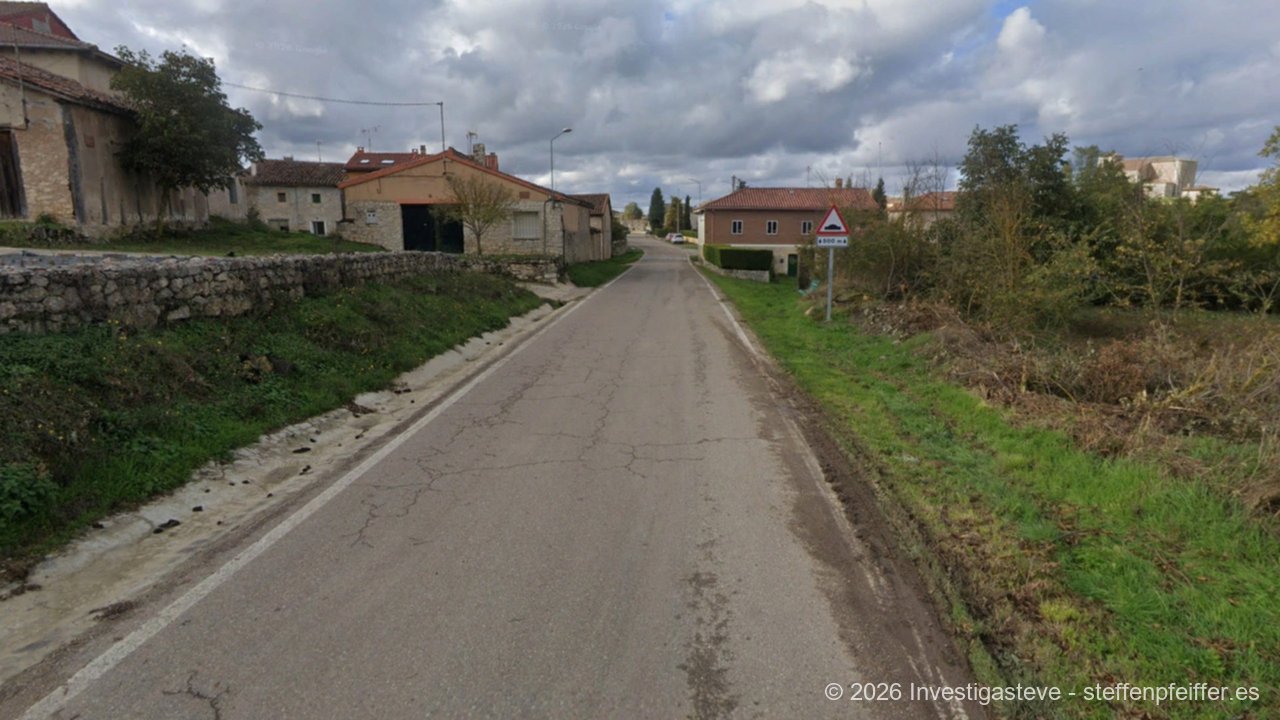
The acoustics at Atapuerca are marked by a deep, almost eerie silence, broken only by the monotonous whistling of the wind sweeping unhindered over the mountain ridge. It is a sound that roars in the ears and transforms the rhythmic click of your hiking poles on the stone into a vast echo. Psychologically, arriving in Atapuerca is a moment of radical deceleration and at the same time a tremendous expansion of consciousness. You are not just entering a village; you are entering a portal in time. The visual experience is characterized by an overwhelming horizontality – the deep blue of the Castilian sky meets the gold of the grain fields and the cool gray of the Sierra. When you place your hand on the sun-warmed, rough limestone walls of the houses in the village, you feel the stored energy of a region that has been continuously inhabited for over a million years. This knowledge settles like a heavy but reverent burden on your shoulders, even before you take your first sip of water at the village fountain.
At dusk, when the shadows of the Sierra creep long over the valley, Atapuerca develops an atmosphere that vibrates almost tangibly. You smell the distant smoke of wood fires and the cool moisture that seems to rise from the deep cave systems of the surroundings. Historical causality here is not an abstract theory, but a physical presence. You feel small, almost insignificant, in the face of the aeons deposited here layer upon layer, and at the same time deeply connected to the infinite chain of human existence. Arriving here means shedding the masks of modernity and confronting the naked truth of the human species. Atapuerca does not welcome you with pomp, but with the simple, majestic dignity of origin.
What This Place Tells
The earth beneath your feet at Atapuerca is a vast archive of humanity. What today is a peaceful municipality with barely 160 inhabitants was, 800,000 years ago, the hunting ground of Homo antecessor. The archaeological sites in the Sierra, such as the Gran Dolina or the Sima de los Huesos, have revolutionized the understanding of European prehistory. Here, not only was work done, here people lived, suffered, and perhaps for the first time in history developed an awareness of death. As you walk through the alleys, you must imagine that beneath today’s foundations rest the bones of those ancestors who ignited the first spark of what we now call civilization. UNESCO honored this value in 2000 with the title of World Heritage Site, but for the pilgrim it is more than a title – it is the tactile experience of walking over an open history book.
Yet Atapuerca tells not only of the distant prehistoric era. The place was also the scene of one of the most consequential battles of medieval Spain. In 1054, two brothers faced each other here on the fields before the village: King García III of Navarre and King Ferdinand I of Castile. The Battle of Atapuerca marked a turning point in the territorial order of the Christian kingdoms of the Iberian Peninsula. García fell in battle, and Castile consolidated its supremacy, which indirectly also promoted the expansion and protection of the Way of St. James under the Castilian flag. When you look over the wide plains today, you can almost hear the distant clinking of armor and the snorting of horses – an acoustic reminder of a time when this ground was soaked with the blood of kings. This historical causality gives the place a strategic weight that far exceeds its present size.
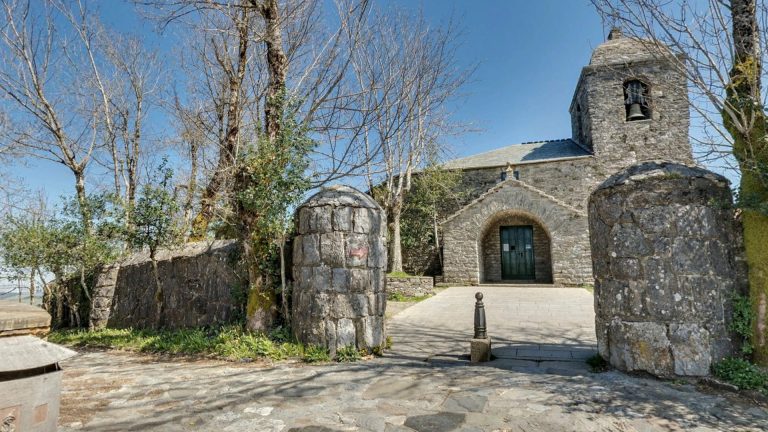
The religious heritage manifests itself in the Iglesia de San Martín de Tours, a late Gothic structure from the 15th and 16th centuries that stands proudly in the village center. The church is more than a house of God; it is a spiritual anchor point in a landscape dominated by the shadows of prehistory. Inside, a cool, devout silence envelops you, smelling of old stone and incense. The massive pillars bear the prayers of generations of pilgrims who sought protection and blessing here before the final ascent towards Burgos. The pilgrim’s emotional metamorphosis often takes place in Atapuerca precisely here: in the realization that we are wanderers between worlds – between the archaic nature of the Sierra, the martial history of kings, and the transcendent hope of faith. Atapuerca teaches you that every step on this path is a connection to an infinite past that first enables our present.
Addresses & tips in Atapuerca
Camino Distances
🗺️ After crossing the barren mountain ridge of the Sierra de Atapuerca, the village offers a strategic resting place before the path descends into the basin of Burgos.
| Previous Place | Distance (km) | Next Place | Distance (km) |
|---|---|---|---|
| San Juan de Ortega | ca. 12.5 km | Cardeñuela Riopico | ca. 6.4 km |
Sleeping & Arriving
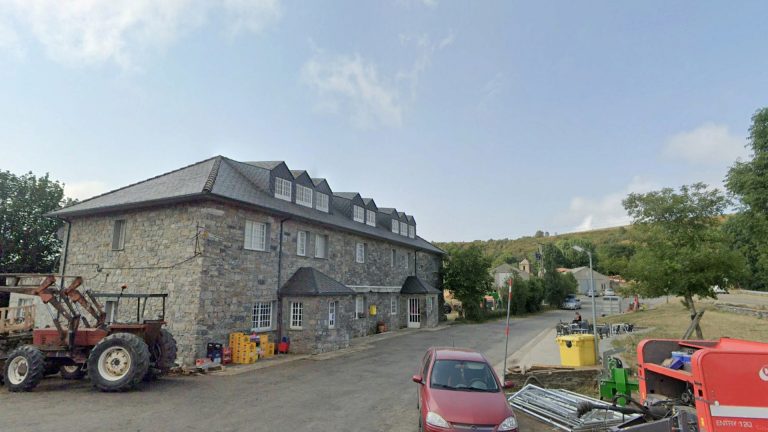
Arriving in Atapuerca is marked by a deep psychological caesura. When you have crossed the summit of Matagrande (1,079 m), where the view over the basin of Burgos is often accompanied by an almost dizzying feeling of freedom, the village of Atapuerca appears like a safe harbor in a rough sea of stone. The moment you put down your backpack in front of one of the hostels such as the Albergue La Plazuela Verde is accompanied by a tactile relief that vibrates through the entire body. You feel the sudden lightness of your shoulders as the click of your poles fades on the pavement of the plaza. The atmosphere here is not hectic like in the nearby cities; it is carried by a rural serenity that immediately captivates the pilgrim.
In the accommodations of Atapuerca, you experience an emotional metamorphosis. It is the calm before the cultural “storm” of Burgos. Many pilgrims consciously choose this place for an overnight stay to feel the spiritual energy of the Sierra for one more night. The hostels are often housed in lovingly restored stone houses, whose thick walls keep out the heat of the day. When you lie down on your bed, you often hear only the distant ringing of sheep bells or the whispering of the wind in the trees. It is an auditory pleasure of silence that cleanses the mind. The smell of fresh laundry mingles with the aroma of homemade stew wafting from the communal kitchens – an olfactory promise of regeneration and community.
At night, Atapuerca becomes a place of absolute contemplation. The absence of urban light pollution makes the starry sky over the Sierra a visual spectacle of infinity. When you sit outside and gaze into the cosmos, the archaeological depth beneath your feet connects with the astronomical vastness above you. Psychologically, this is a moment of grounding: you are a link in a chain that began 800,000 years ago and reaches to the stars. This feeling of belonging is the greatest gift that Atapuerca gives to the seeker. The night’s rest here is deep and sound, supported by the knowledge that you are sleeping in a place that has been a home since the dawn of humanity.
Waking the next morning is often accompanied by a fine, cool mist hanging in the valley hollow. The tactile allure of the cold morning air on your face wakes you up immediately and makes you present. You smell the dew-damp limestone and the fresh bread being baked in the local oven. When you lace up your boots again, you feel a new strength. Arriving in Atapuerca has not only rested you physically, but recalibrated you mentally. You do not leave the place simply as a hiker, but as someone who has breathed the weight and the beauty of human existence in its purest form. The path to Burgos lies before you, but Atapuerca remains within you.
Eating & Drinking
The cuisine in Atapuerca is an honest homage to the Castilian pantry, a cuisine of strength and constancy. Here, the food tastes of the hard work in the fields and the millennia-old tradition of livestock farming. When you sit down in the evening in one of the bars or restaurants, the intense aroma of “Lechazo” greets you – the milk-fed lamb roasted in a wood-fired oven, which finds its perfection in this region. The smell of burning holm oak wood and roasting fat is an olfactory adventure that immediately puts the senses on alert. It is a tactile pleasure to break the crusty bread of the Tierra de Campos and inhale the steam of a hearty lentil stew (Lentejas), often refined with chorizo and morcilla.
A special experience is the taste of the wine from the nearby growing regions of Arlanza or Ribera del Duero. The wine is dark, heavy, and has an earthy note that perfectly corresponds to the minerality of the limestone soil. It tastes of sun-dried berries and dry wood – a liquid representation of the landscape you have just walked through. In Atapuerca, eating becomes a communal ritual. You share not only the platters of ham and cheese, but also the experiences of the Sierra. The acoustics of the evening are marked by the clinking of glasses and the lively exchange of pilgrims, a counterpoint to the lonely silence of the mountain ridge.
Those who prefer something simpler will find local specialties in the village’s small shops, such as the famous “Queso de Burgos,” a fresh cheese as pure and white as the limestone of the Sierra. Combined with regional honey, it becomes a sensory revelation on the tongue – cool, creamy, and sweet. This simple food reminds you that humanity has survived for millennia on the fruits of this earth. The culinary experience in Atapuerca is one of grounding; it gives you the physical substance to master the coming kilometers and leaves a taste of constancy and warmth that will accompany you for a long time. Here you literally absorb the essence of Castile.
Supplies & Logistics
Logistically speaking, Atapuerca is a small but perfectly structured anchor point. After mastering the lonely stages of the Montes de Oca and the crossing from San Juan de Ortega, the place offers everything necessary for the recalibration of equipment and body. You feel a professional serenity here; the locals have known for generations what a pilgrim needs just before the big city of Burgos. Supplies here are not an anonymous service, but often a personal encounter. Psychologically, the logistical security that Atapuerca offers is an enormous relief. You can catch your breath here before the complexity of the urban space of Burgos demands your senses again.
Shopping: There are small grocery stores (Tiendas) that stock all the essentials for pilgrims – from fresh fruit to blister plasters to local cheese. Opening hours are often oriented to the needs of hikers.
Gastronomy: The selection of restaurants and bars is remarkable for the size of the place. Many offer special pilgrim menus that focus on high energy density and regional authenticity.
Accommodation: The bed capacity is well covered by several private and municipal hostels as well as country houses (Casas Rurales). Nevertheless, a reservation is advisable in high season, as Atapuerca is a strategically popular overnight stop.
Public Facilities: The village has basic sanitary facilities. For comprehensive medical help or banking, nearby Burgos (approx. 20 km) is the first port of call; smaller pharmacies can be found in the neighboring towns.
In summary, Atapuerca logistically forms the perfect bridge. You should use the tranquility here to check your equipment and perhaps already reserve accommodation in Burgos. The psychological advantage of resting at a place with this deep history gives you a composure that allows you to look relaxed at the coming urban kilometers. Atapuerca takes away your worries about material things, freeing your mind for the final phase of this stage. Here you learn to make do with what is necessary, while at the same time appreciating the quality of local services as a valuable asset.
Don’t Miss
– Atapuerca Archaeological Site (UNESCO World Heritage Site): A visit to the excavation sites is a journey to the origin of our species. Seeing the dimensions of the Gran Dolina is a tactile lesson in eternity.
– Iglesia de San Martín de Tours: This late Gothic church is a place of absolute silence. Pay attention to the play of light from the colored windows on the old stone floors.
– Summit Cross on Matagrande: The ascent rewards you with a breathtaking 360-degree view over Castile. Here you feel the wind of freedom in its purest form.
– Archaeological Park (Parque Arqueológico): Here, the techniques of Stone Age people come to life. Feel the rough flint tool in your hand and learn how our ancestors made fire.
– The Battlefield of 1054: A simple walk over the fields before the village recalls medieval power politics. A place of historical reflection on victory and defeat.
Insider Tips & Hidden Places
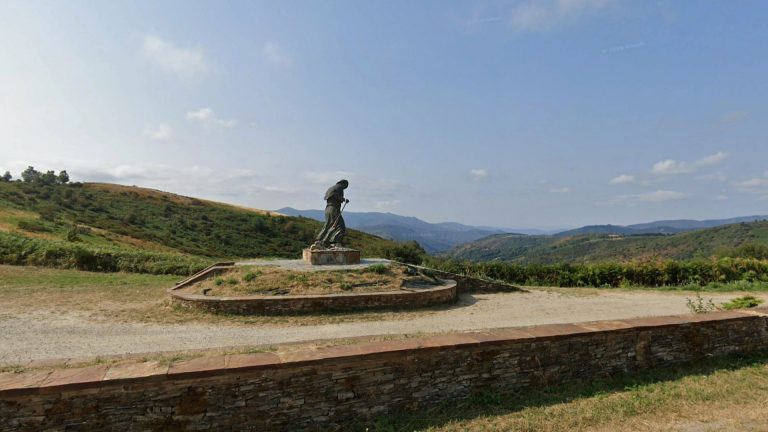
A true insider tip in Atapuerca is the visit to the “Fin del Camino” monument, located on a hill slightly off the main route. While most pilgrims hurry directly into the village, this place offers an almost unreal tranquility. It is a modern memorial stone that symbolizes the connection between the prehistoric heritage and the Way of St. James. When you stand up there and the wind whistles through your hair, you feel a psychological clarity that is priceless. You see the first lights of Burgos in the distance and at the same time feel the infinite depth of the Sierra at your back. The tactile experience of the rough stone under your hands connects the millennia into a single, intense moment of presence.
Another hidden place is the small spring “Fuente de la Salud,” somewhat hidden on the edge of the archaeological zone. The water is ice-cold and clear. When you wash your face with it, you feel a tactile revitalization that goes right through you. It is an olfactory experience of purity, far from the dust of the highway. It is said that the first settlers already appreciated this water. It is a place of absolute psychological grounding, where you can put down your backpack for a moment and simply listen to the soft splashing that has had the same rhythm here for aeons.
Pay attention to the small, almost weathered stonemason marks on the lower wall layers of the Iglesia de San Martín. Some of these marks come from wandering craftsmen of the 15th century. It is a tactile journey of discovery to run your fingers over these old indentations. These small details tell more about the globalization of the Middle Ages and the pride of the craftsmen than any history book. In Atapuerca, the hidden becomes the essential when you are willing to turn your gaze from the large to the small. These discoveries give your stay a depth that goes beyond the purely touristic.
Finally, there is a viewpoint west of the place, where a solitary bench stands, oriented exactly towards the setting sun. The light breaks in the clouds over the Meseta and bathes the Sierra in an almost otherworldly purple. This visual moment is the psychological reward for the efforts of the day. You hear only the distant chirping of crickets and feel the rising coolness of the night. Here, in this “in-between space” between village and plain, you find the peace that the Camino wants to give you. It is the moment when time ceases to exist and you simply become part of the landscape.
Moment of Reflection
Do you stand in Atapuerca only to replenish your supplies, or are you ready to open yourself to the immense perspective of human history? This place on the Sierra is a powerful metaphor for the path of life itself: we all walk on the shoulders of giants, over layers of pain, hope, and evolution. The archaeological abysses of the Gran Dolina ask you: What of your present striving will still endure in 800,000 years? Atapuerca challenges you to lay down modern haste at the medieval gates and to understand that we are all only guests on this earth.
Perhaps you recognize here, in the face of Homo antecessor, that our daily worries are as fleeting as the dust on our boots. The historical causality of evolution teaches us humility before time and gratitude for the moment. When you leave the place the next morning and head towards Burgos, you take not only water with you, but the peace of the Sierra and the realization of your own finitude – and your infinite connectedness. Atapuerca is the heart of your inner metamorphosis: here the arrogance of modernity dies, and deep reverence for life itself awakens. Are you ready to take this spirit with you into the city?
Camino of the Stars
This place lies on the Camino Francés, on the stage from San Juan de Ortega to Burgos. The sequence of places is:
San Juan de Ortega → Agés → Atapuerca → Villalval → Cardeñuela Riopico → Orbaneja Riopico → Villafría → Burgos
Did the archaic power of the Sierra de Atapuerca touch you just as deeply, or was it the unexpected silence in the church of San Martín that took your breath away? Perhaps you gained a whole new perspective on our shared history at the excavation sites or found a hidden viewpoint for meditation? Share your experiences, your photos, and your personal reflections with us via the contact form – we look forward to your story, in any language of the way!
About the Author