A First Glance – Introduction & Atmosphere
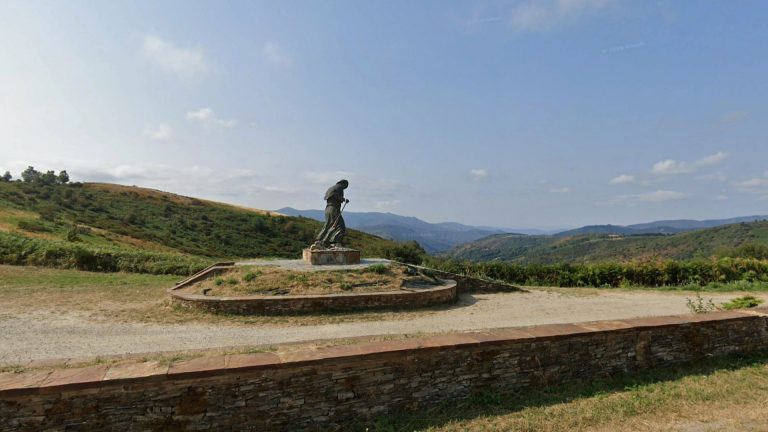
When you have left the arduous descent from the Sierra de Atapuerca behind you, that point where the wind of Castile often whips over the barren rocks with such force that it seems to sweep the thoughts from your head, the Valle del Río Pico opens before you. At this moment, the texture of your journey changes radically. The relentless, almost inhospitable vastness of the plateau gives way to a gentler, more sheltered landscape. Cardeñuela Riopico does not appear as a monumental stage destination, but nestles almost humbly into the valley floor, surrounded by two protective “Cuestas,” those chains of hills that act like the protective hands of the earth, shielding the place from the cutting north and west winds. It is a sight that, after the harsh exposure of the preceding hours, triggers a deep psychological relief. You feel the tension in your shoulders release as you fall into the gentle pull of the valley.
The acoustics upon arriving in Cardeñuela Riopico have a peculiar, almost sacred quality. The monotonous roar of the wind on the heights is replaced down here by a finer tapestry of sounds. You hear the rhythmic click of your hiking poles, which find a resonance on the firm marl ground of the village center that seems almost like an echo from the depths of time. The soft splashing of the Río Pico, which winds through the village like a silver vein, forms the orchestral backdrop to your arrival. It is no mighty river, but a modest watercourse whose constant flow nevertheless exudes a tactile coolness that you can almost taste on your tongue after the dust of the path. The air here smells of damp earth, of the tart aroma of riverside willows, and – in the cooler morning hours – of the heavy, inviting scent of burning poplar wood crackling in the fireplaces of the old adobe houses.
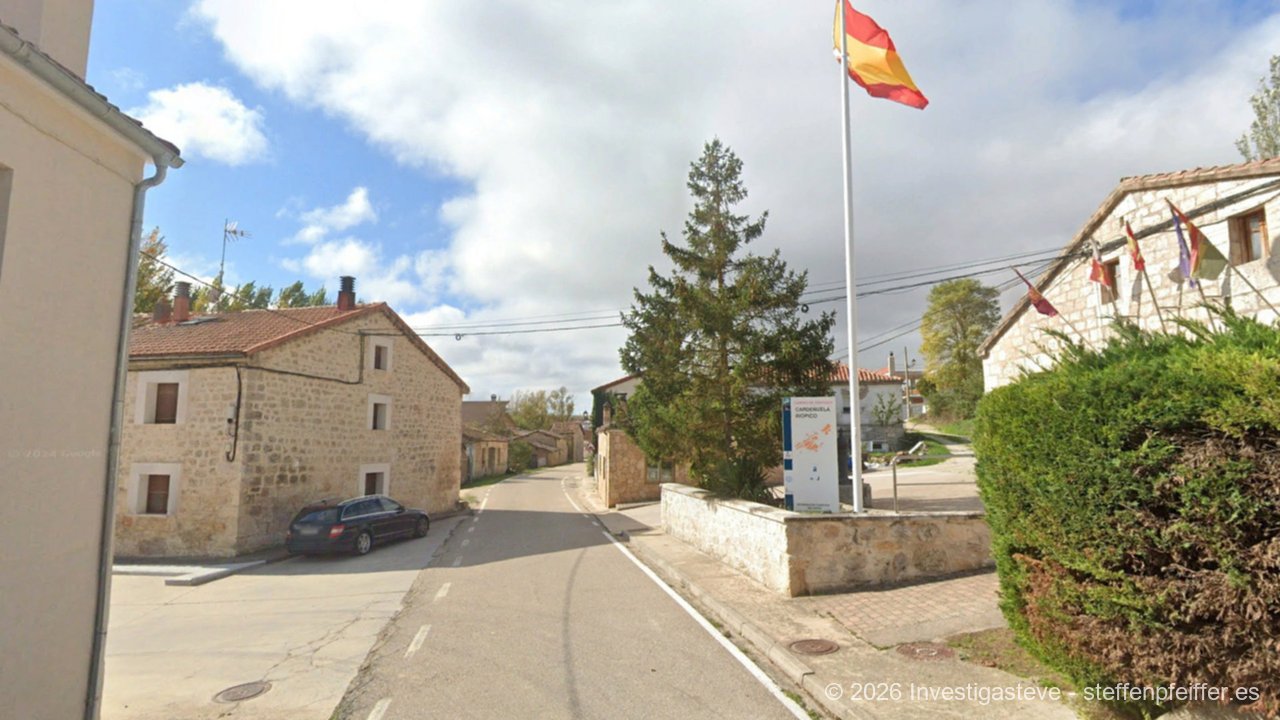
Cardeñuela welcomes you with a tactile intensity found only in the deep regions of Castile. When you place your hand on the rough, often lichen-covered stone walls of the old houses, you feel the stored warmth of the sun, an energy that transfers to your palms like a silent narrative of generations. The ground beneath your boots changes from the cracked crust of the plateau to the firm, uneven cobblestones of the main street, constantly challenging your sense of balance. It is a physical reminder that you now have solid ground of civilization beneath your feet again, even if this civilization here still obeys entirely the laws of nature and agriculture. Arriving in Cardeñuela means pausing for a moment to catch your breath and let your soul catch up, before the urban maelstrom of Burgos reaches for you on the next horizon.
What This Place Tells
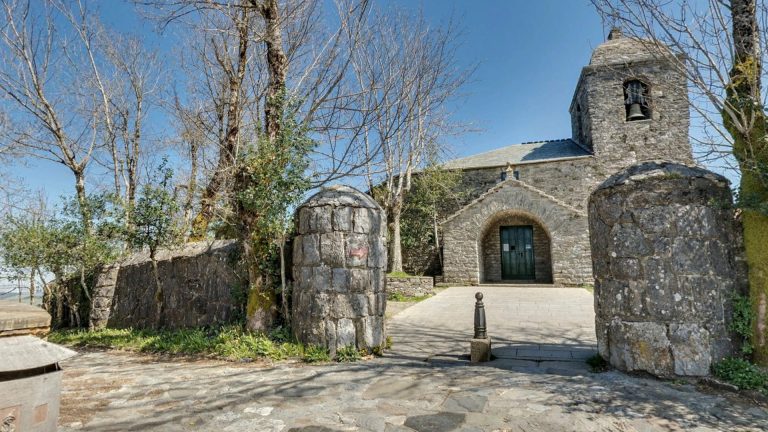
The history of Cardeñuela Riopico is a narrative of transformation and persistent rooting. The name itself carries the DNA of the region: “Riopico” unmistakably refers to the river that, since the repopulation in the 9th century, has been the lifeline of the place. In that era of the Reconquista, when Castile was reshaped as a borderland against the Moors, Cardeñuela was a strategic retreat in the fertile plain. You feel the historical causality in the structure of the village, which does not entrench itself defensively on a hill, but confidently adapts to the watercourse. It is a place defined not by wars, but by the constancy of agricultural labor and the flow of pilgrims. The psychological weight of the centuries lies here not as a burden, but as a quiet foundation in the foundations of the church of Santa Eulalia de Mérida.
This house of God, built in the 16th century on the remains of much older, Romanesque structures, is the stone pride of the place. The historical significance of Cardeñuela manifests itself in the artistic richness one would not expect in this supposedly small village. When you stand before the magnificent altarpiece in the Plateresque style, you grasp the metamorphosis that faith has wrought here. It is a visual spectacle of gold and finely carved wood that counteracts the rural modesty of the exterior. Here, history becomes tactile: the cool air in the nave carries the aroma of old wax and incense, a scent that has accompanied the prayers of pilgrims for centuries. The church of Santa Eulalia is more than a building; it is the emotional anchor of a place that has learned to preserve its treasures in concealment.
Yet Cardeñuela also tells of the rivalry and identity of the Castilian communities. Its location in the Valle del Río Pico often made the place a pawn of ecclesiastical and noble interests from nearby Burgos. This proximity to power has shaped the self-confidence of the inhabitants. You see it in the care with which the old half-timbered houses are maintained, and in the way the public space around the river course is designed. Historical depth reveals itself in the small details: in the coat of arms stones above the portals and in the arrangement of the streets, which have followed the course of the river since the Middle Ages. It is a story of adaptation – Cardeñuela never resisted change, but it shaped it on its own terms. Those who walk through this place enter into a dialogue with a past that is not found in books, but lives on in the texture of the limestone and in the murmuring of the Pico.
Addresses & tips in Cardeñuela Riopico
Camino Distances
🗺️ After the spectacular descent from the Sierra de Atapuerca, Cardeñuela Riopico offers the first true village breathing space in the valley, before the path continues towards the suburbs of Burgos.
| Previous Place | Distance (km) | Next Place | Distance (km) |
|---|---|---|---|
| Atapuerca | ca. 6.4 km | Orbaneja Riopico | ca. 2.1 km |
Sleeping & Arriving
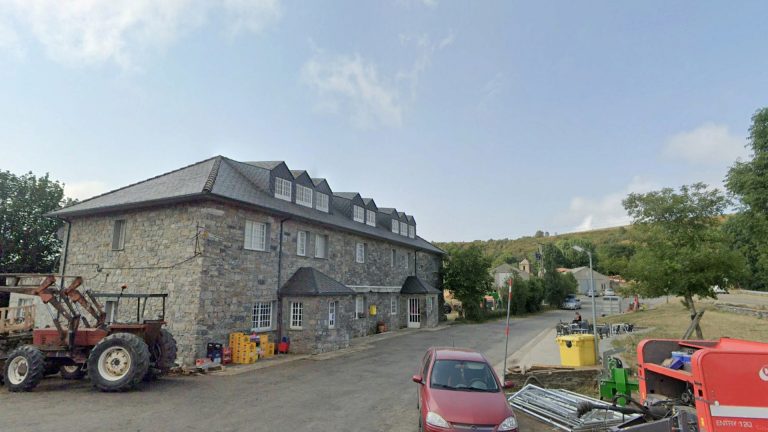
Arriving in Cardeñuela Riopico marks the psychological starting point of their inner preparation for the city of Burgos for many pilgrims. If you come from Atapuerca, you still have the physical hardness of the Sierra in your limbs, and Cardeñuela feels like an outstretched hand catching you. The moment you put down your backpack in front of one of the hostels such as the “Albergue Santa Fe” or the municipal “Albergue Parada” is accompanied by a tactile relief that spreads through the body like a warm wave. You feel the sudden lightness of your steps as the wooden echo of your hiking poles fades on the tiled floors of the hostels. The atmosphere in these accommodations is marked by a warm, almost familial intimacy often lost in the big cities.
In the “Albergue Santa Fe,” you experience an emotional metamorphosis. The place is known for its communal warmth and attention to detail. When you step into the garden, you smell the freshness of the vegetation, which thrives particularly lushly in the Valle del Río Pico. It is an olfactory contrast to the dry marl dust of the plateau. The tactile experience of a cool shower, washing away the sweat and dust of the Sierra, becomes a ritual act of renewal here. You feel the water drawing the heat from your muscles and clearing your mind again. The psychological quality of arriving in Cardeñuela lies in deceleration; here you do not have to adapt to the pace of a big city, but may linger in the rhythm of the river.
The night in Cardeñuela is marked by a deep, almost tangible silence. Since the village is protected by the hills, no disturbing sounds of the outside world penetrate. You hear only the distant, steady murmur of the Pico and the occasional rustling of leaves in the night wind. Sleeping in the often centuries-old walls of the hostels gives you a feeling of security, as if the very stones were watching over your dreams. When you wake at night and see the moonlight on the rough wooden beams of the ceiling, you feel a tactile connection with all the generations of pilgrims who found rest in this very place before you. It is a deep, regenerative sleep that prepares you physically and mentally for the entry into Burgos the next day.
When dawn breaks and the mist often still hangs like a damp cloth in the valley of the Pico, a new tactile cycle begins. The smell of freshly brewed coffee mixes with the cool, spicy morning air. You feel a slight chill on your skin, a sign of the freshness of the valley that wakes you up. Arriving in Cardeñuela also means reconciling with the small things – the firm fit of the boots, the familiar weight of the backpack, and the knowledge that you are strengthened. The villagers meet the departing pilgrims with a stoic friendliness that gives you the feeling of being part of a great, timeless movement. Arriving and staying overnight in Cardeñuela is an act of conscious gathering, a phase of silence before the cultural abundance that awaits you.
Eating & Drinking
The cuisine in Cardeñuela Riopico is an honest homage to the Castilian earth, a cuisine that makes no compromises and nourishes the body with a direct, tactile intensity. When you sit down in the evening at one of the massive wooden tables in the local bars or hostels, the intense aroma of “Sopa de Ajo” greets you, that garlic soup perfected in this region. The scent of roasted garlic, sweet paprika powder, and the robust aroma of local olive oil fills the room and immediately revives the spirits. It is an auditory pleasure when the spoons clink against the rustic earthenware, and a tactile delight to dip the crusty country bread into the hot broth while the steam warms your face.
A classic you absolutely must try here is the “Lechazo” or simple but intensely flavorful meat stews, often simmered for hours over a low flame. The meat is so tender it melts on the tongue – a tactile sensation that tells of the patience of Castilian cuisine. It is served with the heavy red wine of the province of Burgos, a drop as dark and earthy as the fields of the Meseta. It tastes of sun-dried berries and has a note of dry wood that harmonizes perfectly with the rural atmosphere. In Cardeñuela, food is celebrated as an act of community. You share not only the dishes, but also the stories of the day, while the aroma of freshly cut ham and spicy cheese entices the senses.
The psychological effect of an honest meal in Cardeñuela should not be underestimated. After the often meager rations during the crossing of the Sierra de Atapuerca, the abundance of local products is an emotional reward. You feel the energy returning to your cells as you taste the salt of the region on your lips. Even the simple breakfast – a “Café con Leche” and a “Tostada” with olive oil and tomato – has a quality here that stands out due to the freshness of the ingredients. The tactile crunch of the toasted bread and the comforting warmth of the milk in your hands prepare you mentally for the path. Eating in Cardeñuela means absorbing the strength of Castile, unadulterated and powerful, a culinary foundation for the coming kilometers.
Supplies & Logistics
Logistically speaking, Cardeñuela Riopico is a small but perfectly oiled anchor point on the periphery of Burgos. It is the place where you finalize your logistical strategy for entering the city. Since Cardeñuela is only about 15 kilometers from Burgos, many pilgrims use this place to check their equipment once more and discard unnecessary ballast. You feel a psychological relief here, as the certainty grows that the full urban infrastructure is now within reach. Logistics here no longer means scarcity management, but the anticipation of the possibilities of a big city.
Shopping: There are small “Tiendas” and sales points in the hostels that stock the bare necessities for pilgrims. You should mainly refill water and small energy snacks here for the path to Burgos.
Gastronomy: The bars in the village offer typical pilgrim menus and bocadillos. The cuisine is tailored to the needs of hikers and offers solid quality at fair prices.
Accommodation: With the Albergue Santa Fe and the municipal Albergue Parada, the village has a good bed capacity. A reservation is advisable, especially in high season, as many prefer the peace of Cardeñuela to the hustle and bustle of Burgos.
Public Facilities: There are public fountains with drinking water quality, offering a tactile refreshment. Medical care is comprehensively available in Burgos (15 km away); for emergencies, a quick connection is guaranteed.
In summary, Cardeñuela logistically forms the perfect bridge between the solitude of the Sierra and the complexity of Burgos. You should use the time here to care for your feet and perhaps already reserve accommodation in Burgos. The psychological security created by the good basic supply in the village allows you to look relaxed at the coming urban kilometers. Cardeñuela takes away your worries about material things, freeing your mind for the final phase of this stage. Here you learn to make do with what you have, while at the same time understanding the proximity of the modern world as an advantage. It is a logistical haven of peace that gives you the necessary composure for the onward path.
Don’t Miss
– Church of Santa Eulalia de Mérida: Enter the nave and let yourself be enchanted by the Plateresque altarpiece. Pay attention to the fine gold decorations and the cool, devout silence that immediately calms you down.
– The Río Pico: Take a walk along the riverbank. The tactile experience of dipping your hands into the clear water is the best therapy against the heat of the day.
– The Plateresque Altarpiece: A masterpiece of Renaissance art that stands in contrast to the rural simplicity of the village and represents a visual revelation.
– The Traditional Adobe Houses: Observe the construction of the old residential buildings. The clay and straw are tactile witnesses to a time when architecture was one with the earth.
– The View Back to the Sierra de Atapuerca: When you leave the village, look back once more. The visual contrast between the harsh heights you came from and the gentle valley in which you rest is a psychological milestone.
Insider Tips & Hidden Places
A true insider tip in Cardeñuela Riopico is the small, almost forgotten path that leads up the slope immediately behind the church of Santa Eulalia. While most pilgrims stay on the main street, this path offers a spectacular view over the entire Valle del Río Pico after just a few hundred meters. Up here, you hear only the distant ringing of the church bells and the rustling of the wind in the distant poplars. It is a place of absolute psychological deceleration, where you see the geometry of the village and the course of the river like a map below you. The tactile experience of the rough limestone ground beneath your feet connects you directly with the geological soul of Castile.
Another hidden place is the small niche on the riverbank near the old stone bridge. Here wild mint and watercress grow, whose scent provides an olfactory refreshment in the midday heat. It is a tactile pleasure to rub the leaves between your fingers and inhale the intense aroma. This little corner is often deserted and offers the perfect space for a private reflection or a silent prayer. The sound of the water, trickling over small pebbles here, creates a hypnotic acoustics that silences the noise of your own thoughts. It is the untouched, small wilderness of Cardeñuela, found only by those willing to avert their gaze from the asphalt.
Pay attention to the small, almost weathered coat of arms stones on the door lintels of the houses in the side alleys. Some of them tell of families who shaped the place for centuries. It is a tactile journey of discovery to run your fingertips over these old indentations and feel the causality between lineage and settled life. In these alleys, it often smells of damp stone and old wood – an olfactory profile that penetrates deep into the limbic system and conjures images of a time when the world still breathed to the rhythm of footsteps. These details make Cardeñuela a place of small-scale urban archaeology.
Finally, there is a point on the edge of the village where an old bench stands under a solitary tree, oriented exactly towards the setting sun. When you sit there in the evening, while the light bathes the fields in a glowing orange, you experience a psychological clarity that is priceless. You see the first lights of Burgos in the distance and at the same time feel the firm security of the village at your back. In this balance between arrival and departure lies the true magic of Cardeñuela. It is the place of the “last peace” before the Camino becomes loud and busy again. Enjoy this moment, for it is the quiet gift of the Pico Valley to you.
Moment of Reflection
Do you stand in Cardeñuela Riopico only to rest your feet, or are you ready to accept the silence of the valley as your inner compass for the city? The village on the Pico reminds us that after every hard ascent – whether physical in the Sierra or metaphorical in life – we need a space of gathering. The historical causality of Cardeñuela teaches us that constancy often means nestling into the valleys and trusting the flow of life. The rough walls of the church ask you: What in your life is as constant as this stone, and what is as fleeting as the dust on your boots?
Perhaps you recognize here, in the sheltered Valle del Río Pico, that the greatest transformations often occur in the quiet moments between the great stages. The emotional metamorphosis from lonely hiker to urban pilgrim needs this intermediate space of reflection. Cardeñuela challenges you to shed the masks of exertion and celebrate the simplicity of the moment. When you leave the place the next morning and approach the urban belt of Burgos, you take not only water with you, but the peace of the Pico and the firmness of the Santa Eulalia walls. Are you ready to take silence as your strength into the noise of the world?
Camino of the Stars
This place lies on the Camino Francés, on the stage from San Juan de Ortega to Burgos. The sequence of places is:
San Juan de Ortega → Agés → Atapuerca → Villalval → Cardeñuela Riopico → Orbaneja Riopico → Villafría → Burgos
Did the unexpected splendor of the altarpiece in Cardeñuela Riopico touch you just as deeply, or was it the quiet security on the banks of the Río Pico that remained in your memory? Perhaps you heard a story in one of the hostels that changed your view of the path? Share your experiences, your photos, and your very personal reflections with us via the contact form – we look forward to every message, in any language of the way!
About the Author