
Fisterra, Galicia — Kilometre 0

Where one road ends,
another begins.

Editorial Investigasteve documents the pilgrim routes of the Iberian Peninsula — researched on foot, stage by stage, in five languages. Steffen Pfeiffer leads the work from Fisterra, the headland the Romans once called the end of the world.

Just published
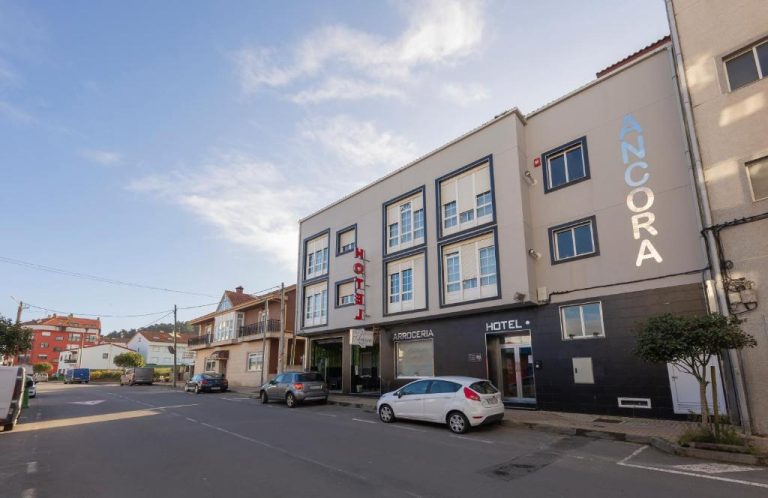
Hotel Áncora, Fisterra
Recommendation Hotel Áncora – The Anchor Point for Body and Soul at the End of the World

Hotel Áncora in Fisterra is the ideal retreat at the end of the St. James Way. As an “Urban Center Hotel,” it combines modern cleanliness with warm Galician…

Read more →
Sonnenblumen am Ende des Tunnels (Benutzerdefiniert)
Today Column

Tip of the Day

The Camino Francés – A Journey Through Time and Soul

The Camino Francés is a historic pilgrimage route beginning in Saint-Jean-Pied-de-Port, traversing the Pyrenees and various Spanish landscapes, ultimately leading to Santiago de Compostela. Over 800 kilometers, pilgrims…

Read more →
  • Corcubión – The aristocratic soul at the gateway to the ocean

    Corcubión – The aristocratic soul at the gateway to the ocean

    Corcubión on the St. James Way Fisterra and Muxía is the aristocratic jewel at the gateway to the ocean. Between the Gothic splendor of San Marcos, the stately “pazos” of the Counts of Altamira and the warm hospitality of an authentic fishing village, this coastal town offers a space for deep psychological relief and spiritual…

  • Cee – The Industrial Heart at the Pulse of the Ocean

    Cee – The Industrial Heart at the Pulse of the Ocean

    Cee on the Camino a Fisterra is far more than just a functional stopover. As the industrial and administrative center of the Costa da Morte, the harbor town offers a fascinating mix of an authentic working world, historical heritage such as the Castillo del Príncipe, and a culinary scene that’s second to none. Here, the…

  • Redonda – The Romanesque threshold guardian over the silvery Ría

    Redonda – The Romanesque threshold guardian over the silvery Ría

    Redonda on the Camino Fisterra y Muxía is the Romanesque threshold guardian on the way to the end of the world. Between the history-steeped church of San Pedro from the 13th century, the spectacular panoramic views of the Ría de Corcubión, and the archaic silence of an authentic Galician hamlet, this place offers the ideal…

  • Santiago de Compostela – The stony heart under the starry canopy

    Santiago de Compostela – The stony heart under the starry canopy

    Santiago de Compostela is the holy destination of the Way of St. James. This detailed guide leads you from San Lázaro through the Rúa dos Concheiros to the Praza do Obradoiro. Discover the secrets of the cathedral, the Pórtico de la Gloria, and the culinary highlights of Galicia. Learn everything about the history, legends, and…

  • Estorde – The emerald promise between the tides

    Estorde – The emerald promise between the tides

    Estorde on the Camino Fisterra y Muxía is the emerald refuge for pilgrims seeking true regeneration shortly before the destination. Between the “Blue Flag” beach with its crystal-clear water, the fragrant pine forests, and the tradition-rich gastronomy, this coastal hamlet offers a space for deep psychological relief and physical healing. Learn all about the administrative…

  • Amarela – The silent sigh over the Ría

    Amarela – The silent sigh over the Ría

    Amarela on the Camino Fisterra y Muxía is the “silent sigh” of the pilgrimage. As a place of transition between the steep ascent from Corcubión and the vast coastal landscape, this tiny hamlet offers spectacular views of the ría, one of the best hostels on the path, and a space for deep psychological relief. Learn…

  • Fisterra and the Faro de Fisterra

    Fisterra and the Faro de Fisterra

    Fisterra and its legendary Faro mark the mythical end of the world and the ultimate conclusion of the St. James Way. Between ancient sun altars, a tangible clerical power struggle over indulgence money, and the raw beauty of the Costa da Morte, pilgrims find space here for their ritual conclusion. Learn everything about the independence…

  • Dumbría – The Strategic Anchorage of Pilgrims’ Decisions

    Dumbría – The Strategic Anchorage of Pilgrims’ Decisions

    Dumbría on the Camino Fisterra y Muxía is a historic hub and the home of the oldest documented pilgrims’ hospital (founded in 1209). Between spectacular natural wonders like the Fervenza do Ézaro waterfall, the Baroque Ponte Olveira bridge, and first-class modern pilgrim infrastructure, the place offers the ideal space for the strategic decision between Fisterra…

  • Sardiñeiro

    Sardiñeiro

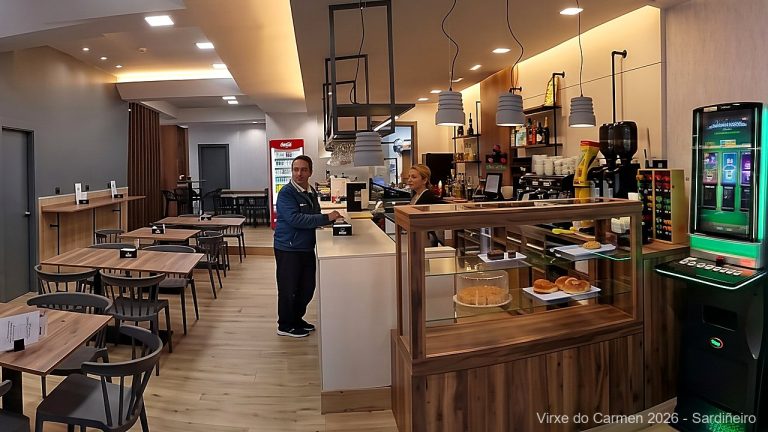
    Sardiñeiro on the Camino Fisterra y Muxía is the gentle refuge and the ideal swimming beach for the last regeneration before reaching Cape Fisterra. Between fragrant pine forests, the fine sand of the Praia de Sardiñeiro, and the centuries-old fishing gastronomy of Casa Lestón, this coastal hamlet offers a space for deep psychological relief and…

  • Hotel Áncora – The Anchor Point for Body and Soul at the End of the World

    Hotel Áncora – The Anchor Point for Body and Soul at the End of the World

    Hotel Áncora in Fisterra is the ideal retreat at the end of the St. James Way. As an “Urban Center Hotel,” it combines modern cleanliness with warm Galician hospitality. With an in-house wellness center (SisBeauty from May 2026), a fully equipped communal kitchen, and a generous breakfast buffet, it offers everything for perfect regeneration after…

Choose your Camino
Stories from the road

Column

All columns →

Recommendations

All recommendations →
Practical matters

BuenCamino — the business directory

Every albergue, pharmacy, restaurant and bus stop checked in person — not scraped from somewhere else. No pay-to-rank listings.

420+Verified businesses
39Stage villages
2Routes covered
5Languages