A First Glance – Introduction & Atmosphere
You set foot on the dusty path leading out of the dense, almost hypnotic pine forests of the Montes de Oca, and suddenly the world expands. Agés does not welcome you with the fanfare of a great metropolis, but with the soft, persistent melody of a Castilian village that guards time like a precious relic. As you cover the last meters of the stage from San Juan de Ortega, you feel the texture of the ground change beneath your boots. The soft, needle-covered forest floor gives way to the hard, sun-baked clay and the rough limestone typical of the transition to the Sierra de Atapuerca. It is a tactile experience that marks the passage from the protective coolness of the forest into the relentless openness of the plateau.
Arriving in Agés, you are immediately enveloped by a tapestry of scents so characteristic of rural northern Spain: the tart fragrance of dry thyme and wild rosemary, carried over from the nearby slopes of the Sierra, mingled with the slightly acidic aroma of old stone and the distant smoke of chimneys that still dispel the cool morning hours even in late spring. The silence here is not empty; it is filled with the distant click of pilgrim staffs on the uneven asphalt of the village street and the rhythmic striking of church bells that measure the day in a rhythm far removed from the haste of modern clocks.
It is a place of arrival and deep exhalation. Tired muscles find a first rest here, while the eye lingers on the ochre facades, whose stones store the heat of the day and gently release it again in the evening. You feel the physical relief of having left 12 kilometers of solitude behind you, and at the same time a quiet anticipation of what lies beyond the next hill. Agés is the moment of gathering before the grand finale in Burgos – a psychological gate that teaches you that the true meaning of the path often lies in the unassuming spaces in between.
What This Place Tells
Agés is a silent witness to a history so deep and bloody that it shook the foundations of the Iberian Peninsula. As you stroll through the quiet alleys today, you would hardly believe that only a few kilometers from here, on the plain of Atapuerca, a battle raged in 1054 that decided the fate of two kingdoms. It was a fratricidal war between King García III of Navarre and Ferdinand I of Castile. García, known as “El de Nájera,” met his end here – not by the hand of a stranger, but on the battlefield against the army of his own brother. This historical causality gives Agés an almost tragic depth: the place became the final resting place of a fallen monarch whose death heralded the unstoppable rise of Castile to the dominant power in Spain.
Legend has it that García’s mortal remains were brought directly to the parish church of Agés after the battle. When you stand before the church today, you connect with this 1000-year-old echo of power and transience. It is a place of memento mori, reminding the pilgrim that even the most powerful kings are, in the end, only dust on the same path we tread today with our backpacks. Yet this historical stratification reaches back much further. Just a stone’s throw away lie the caves of Atapuerca, where the oldest human remains in Europe were found. Agés thus exists at an intersection of time: beneath your feet lies the prehistory of humanity, above you blows the spirit of medieval armies, and in your hands you hold the modern pilgrim’s staff.
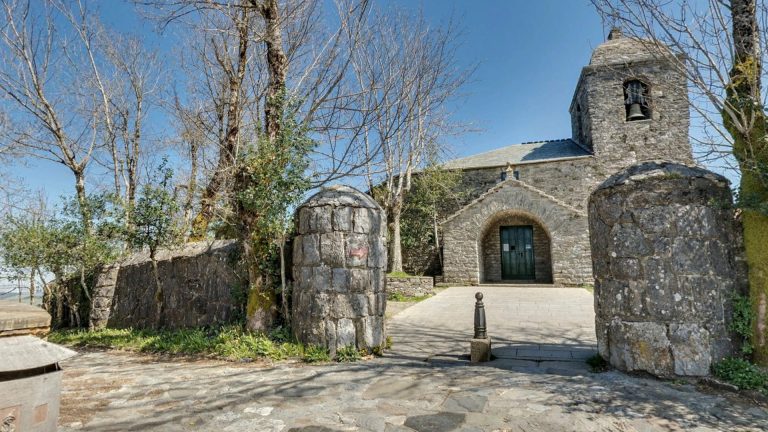
Culturally, Agés is deeply rooted in the Jacobean tradition. Since the 12th century, the place has been mentioned in pilgrim accounts, often as a reliable resting place after the dangerous crossings of the Montes de Oca, where bands of robbers once lay in wait for travelers. The architecture of the village reflects this constancy. The Iglesia de San Miguel, a jewel of Romanesque architecture with later Gothic and Renaissance influences, tells of the religious fervor that kept the Camino alive for centuries. The decorations on the corbels of the apse – grimaces, animal heads, and human figures – are silent sermons in stone, capturing the fears and hopes of medieval people. Lingering here means becoming part of an uninterrupted stream of seekers who have crossed the same threshold for over a millennium.
Addresses & tips in Agés
Camino Distances
After about 3.7 kilometers through gentle hills and light pine groves, the gate to Agés opens here.
| Previous Place | Distance (km) | Next Place | Distance (km) |
|---|---|---|---|
| San Juan de Ortega | ca. 3.7 km | Atapuerca | ca. 2.6 km |
Sleeping & Arriving
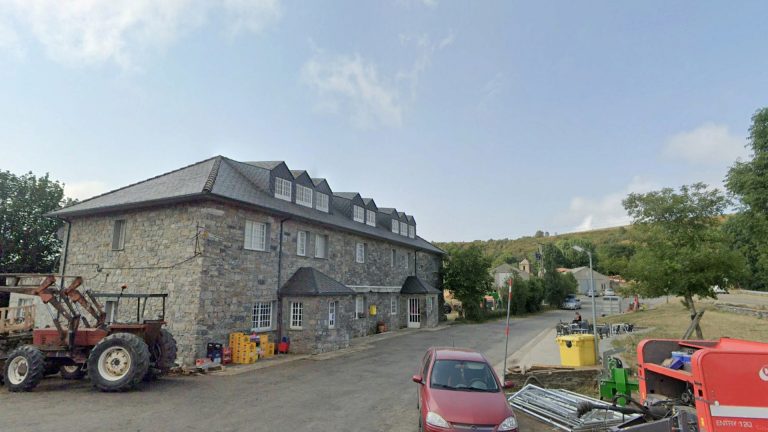
Arriving in Agés is marked by an almost intimate warmth that is often lost in the larger stage destinations. In the small hostels of the place, there reigns an atmosphere reminiscent of the original hospitality of the Middle Ages. You place your dusty shoes before the door of an old stone house, and immediately the coolness of the thick walls, which have offered protection from the burning Castilian sun for generations, envelops you. It is the sound of rustling sleeping bags and soft whispers in different languages that fills the dormitories – a polyphonic chorus of exhaustion and contentment.
Especially in private hostels like “El Pajar de Agés,” you feel the passion of the operators, who see the pilgrim not as a number, but as a guest on a sacred journey. Here, stories are shared at the communal table while outside the wind whistles through the narrow alleys. The tactility of the rough wooden beams and the unplastered stone walls conveys a feeling of grounding and security. It is a place where you can forget the technological world for a moment: the smartphone stays in the backpack while you focus on the essentials – the healing of your feet and the nourishment of your soul.
Those who stay in the municipal hostel “La Taberna” experience the beating heart of the village. Here, pilgrims from all over the world mingle with the few remaining locals. Arrival becomes a social ritual here: a firm handshake, a knowing smile about the blisters on the feet, and the shared beer after a long march. In these moments of peace, when the evening sun bathes the facades in a deep gold, you realize that the goal of the path is not only the cathedral of Santiago, but every single evening when you find a roof over your head and like-minded people at your side.
Eating & Drinking
The cuisine in Agés is as honest and down-to-earth as the landscape surrounding the village. Here, the tradition of the province of Burgos reigns, famous for its heartiness and unadulterated flavors. The scent of “Morcilla de Burgos,” the legendary blood sausage with rice and onions, wafts through the streets towards evening and awakens new vitality even in the weariest pilgrims. It is a taste experience that captures the essence of Castile: spicy, robust, and deeply rooted in peasant self-sufficiency.
In the local mesóns like “El Alquemisto,” eating becomes an almost ritual act. You sit at heavy oak tables, the candlelight reflecting in the glasses of dark red wine from the nearby Ribera del Duero, and before you stands a steaming plate of “Olla Podrida,” a mighty stew of red beans, meat, and bacon. The first spoonful of this soup is like a warm embrace for the exhausted body. The texture of the soft beans and the aroma of the slowly cooked meat tell of the patience of Castilian housewives who have preserved their recipes for centuries.
Yet it is also the simple things that taste especially good in Agés. A piece of freshly baked country bread, drizzled with golden olive oil and topped with a slice of spicy Manchego cheese, is often enough to create a feeling of perfect happiness. The pilgrim experiences a sensory reduction here: away from the complicated menus of the cities, towards the pure quality of the product. When you finish with a strong Café Solo and feel the cool evening air on your skin, you know that this meal has not only satisfied you but strengthened you for the coming kilometers over the wind-swept plateaus to Burgos.
Supplies & Logistics
Infrastructurally, Agés is a place of conscious frugality. Those who seek large supermarkets or specialized outdoor shops here will be disappointed – and precisely in this lies an important lesson of the Camino. The place forces you to be forward-looking and modest. There are no pharmacies that immediately treat every ailment with high-tech plasters, and no ATMs that remind you of the financial world. This absence of excess sharpens the senses for what one truly needs: water, bread, and a reliable community.
Supplies happen on a small scale. In the bar of the hostel, you might get a few apples, a chocolate bar, or a packet of nuts for the next day. It is a logistics of trust. The pharmacist here is the experience of other pilgrims, and the supermarket is the small stock in your own backpack. This “supply desert” is psychological training for the solitude of the Meseta that will follow in the coming days. You learn to make do with what is there and to appreciate anew the value of a simple fountain with clear spring water.
The small bus stop at the edge of the village looks like an umbilical cord to the outside world, yet for the true pilgrim, it is usually just a decorative element of the landscape. The logistics of the path here are purely physical: your legs are the engine, your will is the fuel. Those who stock up in Agés do so with care – every gram counts on the ascent to the Sierra de Atapuerca. It is advisable to fill water bottles to the brim at the village fountain once more, because the next stage offers little shade and much sun on the bare stone.
Shopping: There are no conventional shops; small purchases of daily necessities are often only possible through the hostels or small local bars.
Gastronomy: The few bars and restaurants offer excellent, traditional pilgrim menus focusing on Burgalese specialties like Morcilla and hearty stews.
Accommodation: A good selection of municipal and private hostels offers sufficient capacity, although a reservation is advisable in high season due to the popularity of the place before Burgos.
Public Facilities: A small town hall and the churches form the administrative and spiritual center; medical emergencies must be treated in nearby Atapuerca or Burgos.
Agés teaches you the art of omission. Here you not only fill your stomach but recalibrate your inner compass towards the simplicity of being.
Don’t Miss
– Iglesia de San Miguel: This Romanesque masterpiece from the 12th century is a must for every pilgrim interested in culture. Pay special attention to the artistically crafted capitals and the mysterious burial site associated with the name of the unfortunate King García III.
– The Dolmen of Agés: About two kilometers south of the village, solitary in the plain, this prehistoric monument recalls the millennia-old settlement of the region. It is a powerful place of silence where you can feel the connection to our earliest ancestors.
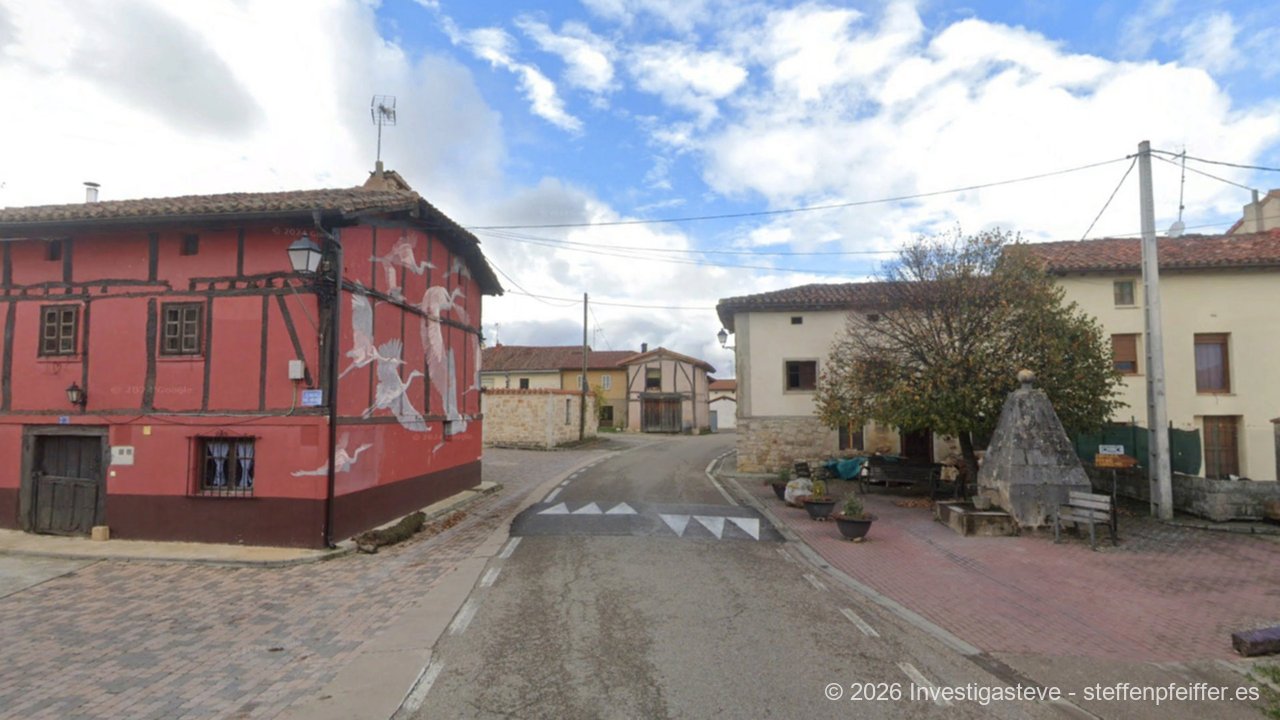
– The facades of the village: Take time for a slow walk along Calle Medio. The traditional Castilian architecture with its stone and half-timbered structures offers countless details for lovers of historical architecture.
– The view of the Sierra de Atapuerca: Just after leaving the village towards Atapuerca, a magnificent panorama opens up. Here you can see with your own eyes the geological transition from the fertile plain to the rugged limestone mountains.
Insider Tips & Hidden Places
Beyond the marked paths, Agés reveals small, almost invisible treasures that only catch the attentive eye. One such place is the small rear garden of the Iglesia de San Miguel. While most pilgrims only admire the portal, this hidden corner offers a moment of absolute solitude. When the afternoon light falls at a flat angle on the mica particles in the granite of the apse, the stone begins to sparkle almost imperceptibly – a magical moment that underscores the spiritual aura of the place.
Another hidden spot is the old washhouse on the edge of the village, where the women of Agés once washed their laundry in the flowing water of the Río Pico. Today, it is a place of melancholy and tranquility. Sit on the cool stones, let your feet dangle in the water, and listen to the gurgling of the stream. It is the perfect place to write in your journal or simply let your thoughts flow, far away from the conversations in the hostel.
Those who have the courage to explore the village at night should go to the small cruceiro at the edge of the village. Under the crystal-clear starry sky of Castile, far from the light pollution of the cities, this stone wayside cross appears like an anchor between earth and sky. The coolness of the night air and the absolute silence, interrupted only by the distant howl of a greyhound, make this place a deep spiritual experience that prepares you for the coming days in the solitude of the plateau.
Moment of Reflection
In Agés, your pilgrimage reaches a critical turning point of inner reflection. You have left the protective forests and gaze upon the open flank of the Sierra. The story of the fallen King García III raises an existential question: What remains of us when the insignia of power, success, and recognition fall away? Here, in the simplicity of a village that buried a king and then almost forgot him, you recognize the relativity of your own worries.
Do you stay here to let the echo of the past work within you, or does restlessness already urge you onward towards Burgos? Agés is a lesson in patience. The path forces you to slow down before you plunge into the hustle of the provincial capital. It is the calm before the storm, the deep inhalation before the summit assault of the Sierra de Atapuerca. This place remains in memory because it does not put on a show. It is simply there – rough, honest, and profound. Perhaps you recognize here that the greatest battles are not fought on fields like Atapuerca, but in the silence of your own heart, when you learn to accept the dust of the path as part of your own identity.
Camino of the Stars
This place lies on the Camino Francés, on the stage from San Juan de Ortega to Burgos. The sequence of places is:
San Juan de Ortega → Agés → Atapuerca → Villalval → Cardeñuela Riopico → Orbaneja Riopico → Villafría → Burgos
Did you find your own moment of peace in the silence of Agés, or did the story of King García III particularly move you? Perhaps you had an encounter in one of the hostels that changed your path? Write to me and share your personal impressions of this special stop on the Camino Francés. Your story helps other pilgrims discover the hidden soul of this place.
About the Author