A First Glance – Introduction & Atmosphere
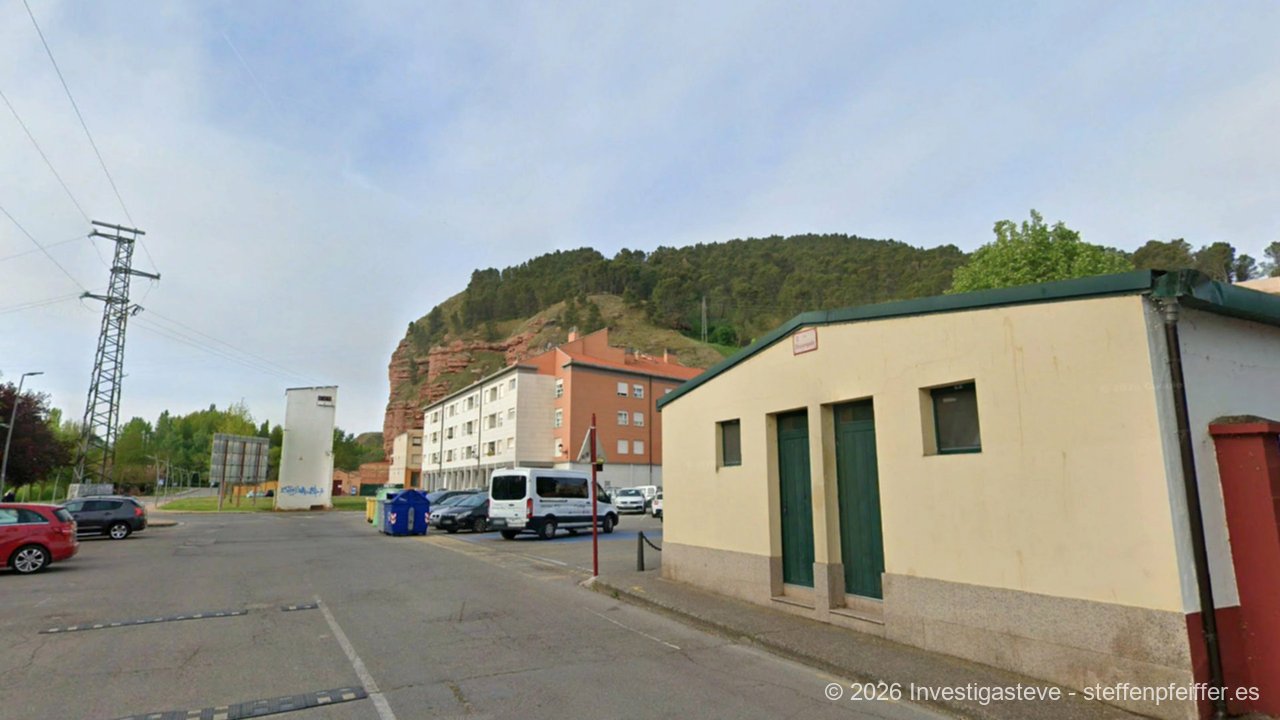
When the pilgrim has mastered the final dusty descent from the Alto de San Antón, a panorama unfolds before him that is unrivalled in its dramatic colour intensity and historical weight. Nájera is not simply situated along the way; the city seems to have grown from the reddish flesh of the earth itself. The townscape is dominated by the immense, purplish-red sandstone cliffs, the “Peñas”, which hang over the old town like petrified waves. Swallows’ nests and ancient cave openings cling to these cliffs, overseeing the centuries like dark eyes. Arriving in Nájera is a tactile experience: the fine, reddish dust of the Rioja soil clings to sweaty calves and settles into the pores of hiking boots, while the air gradually takes on the cool dampness of the Río Najerilla. This river divides the city into two worlds – the modern new town and the historic heart, which nestles protectively at the foot of the cliffs.
The acoustic backdrop of Nájera is a symphony of past and present. The constant, powerful roar of the Najerilla foaming over the stones forms the bass note, over which the rhythmic clicking of pilgrim staffs on the old stone bridge is layered. There is a smell of millennia-old dampness wafting from the rock niches, mingled with the pungent aroma of grilled lamb wood and the heavy, fruity scent of the nearby wine cellars. Psychologically, Nájera marks a significant milestone. One leaves the open landscape and enters an urban centre that was once the capital of an entire kingdom. This feeling of royal dignity is palpable in the narrow alleyways. The shadows of the Peñas do not appear threatening, but rather like a massive bulwark that envelops the walker after the often wind-swept stages of the Rioja, forcing him to rest. Here, at the foot of the Monastery of Santa María la Real, the pilgrim’s emotional metamorphosis begins, as he realises that he is not only wandering through landscapes, but through the very foundations of Spanish history.
What This Place Tells
Nájera tells a story of power, faith, and an almost mystical calling. In the 11th century, this place was the pulsating centre of the Kingdom of Nájera-Pamplona. King García Sánchez III, known as “García of Nájera”, elevated the city to his residence, creating a political power centre that decisively shaped the Reconquista. Legend has it that the king, during a falcon hunt in a cave in the Peñas, discovered an image of the Virgin Mary together with a lily, a bell, and a partridge decoy. This divine providence led to the founding of the Monastery of Santa María la Real in 1052. Anyone passing through the portal of this monumental building today feels the historical causality in every pore of the stone. It is a place where time does not flow, but rests in heavy, stone sarcophagi. The Pantheon of the Kings houses the remains of over thirty monarchs, whose tombs exude an awe-inspiring silence in the pale light of the tall windows.
The architecture of the monastery is a five-dimensional immersion into the artistry of bygone eras. The “Claustro de los Caballeros”, the Cloister of the Knights, is particularly a masterpiece of Plateresque and late Gothic styles. The filigree stonework feels almost like delicate lace to the touch, even though it was hewn from the region’s hard sandstone. You hear the echo of your own footsteps on the cool tiles, while the interplay of light and shadow in the tracery windows has an almost hypnotic effect. In this cloister, the nobles of the region were buried to find their final rest in the shadow of the royal tombs. This connection between martial nobility and monastic humility is psychologically fascinating and speaks of a society in which the sword and the cross were inextricably interwoven. The walls smell of old incense, cold stone, and a hint of eternity that sends a shiver down every pilgrim’s spine.
But Nájera tells not only of kings, but also of the harsh reality of survival and craftsmanship. Since the Middle Ages, the city has been a significant centre for furniture making and trade. In the winding alleyways of the old town, the spirit of the guilds can still be felt. The massive wooden doors of the old houses, often adorned with intricate iron fittings, feel rough and honest under the fingertips. Historically, the city was also the site of the famous Battle of Nájera in 1367, where European powers clashed on Spanish soil. This awareness of the site’s strategic importance adds an extra depth to one’s stay. Nájera is a stone testament to transformation – from a fortified outpost to a royal residence and finally to an indispensable anchor point on the way to Santiago. The historical causality here is not an abstract theory, but a physical reality that accompanies the pilgrim at every turn.
Addresses & tips in Nájera
Camino Distances
The stage to Nájera leads through the characteristic landscapes of the Rioja Alta. The paths are often marked by red earth and offer wide views over vineyards, but the intense sun demands good energy management.
Sleeping & Arriving
Arriving in Nájera is an act of ritual boundary-crossing. After crossing the San Juan de Ortega bridge spanning the Najerilla, you leave the modern city behind and immerse yourself in the medieval quarter. The roar of the water under the bridge acts as an acoustic purification from the exertions of the preceding kilometres. The pilgrim feels the change in textures: from the springy dirt paths of the vineyards to the uneven, hard cobblestones of the old town. It is a moment of physical weight when standing before the massive stonework of the hostels, yet psychologically, relief prevails. Arriving in Nájera means standing under the protection of the kings. The city offers a variety of accommodations, from the large municipal hostel by the riverbank to intimate guesthouses integrated into old stone walls.
The “Albergue de Peregrinos Municipal” offers a classic Camino experience. In the large halls, the smell of freshly washed laundry mingles with the metallic aroma of backpacks and hiking boots. Tactilely, it is the smooth metal frames of the beds and the cool tiled floors that compel the body to rest. You hear the babble of languages from around the world, the gentle hissing of cooking pots in the communal kitchen, and the rustling of sleeping bags. Psychologically, this is a place of consolidation; here, the experiences of the Rioja are processed, blisters are treated, and new companions for the upcoming stages through Castile are found. The water from the city’s fountains tastes ferruginous and fresh, a tactile revitalisation for the parched palate.
For those seeking a quieter, almost stately night, hotels like the “Duques de Nájera” offer a comfort that echoes the city’s royal history. Behind thick walls that keep out the heat of the day, you enjoy a silence broken only by the distant ringing of the bells of Santa María la Real. The bed linen is often made of cool cotton, a tactile luxury after the often sparse nights before. The view from the windows onto the reddish-glowing Peñas at dusk is a visual gift that supports the pilgrim’s emotional metamorphosis. You feel grounded and yet elevated, ready to open your mind to the deeper spiritual levels of the journey.
In the evening hours, the arrival transforms into a social event. Pilgrims gather on the steps of the monastery or in the bars along the Najerilla. The murmur of the water and the calls of the swallows form the acoustic frame for the exchange of stories. You feel the rough texture of the stone walls against your back while enjoying the first sip of a local red wine. The scent of damp asphalt after a brief shower or the aroma of woodsmoke from the chimneys of the old town creates a feeling of archaic security. You are no longer just a walker; you have become part of the living organism of Nájera.
The night’s rest in Nájera is deep and often marked by dreams of the mighty cliffs. When the city falls quiet, you hear only the constant roar of the river, like a lullaby of nature. The psychological security of sleeping in a place that has hosted pilgrims for over a thousand years allows the mind to drift into a state of complete relaxation. You smell the freshness wafting down from the Peñas and feel the coolness entering through the narrow windows. One who awakens here does so with a clarity that only historically charged places can bestow. Arriving in Nájera is thus far more than just a physical end to the day’s stage; it is the preparation of the soul for the vastness that awaits beyond the mountains.
Eating & Drinking
The culinary world of Nájera is a homage to the fertility of the Rioja Alta and the robustness of Castilian cuisine. When the pilgrim sits down at the table of a local bar after a long day, he is greeted by an olfactory bouquet that immediately quickens the blood. The dominant scent is that of “Pimientos del Piquillo” – the small, red peppers that possess an incomparable sweetness and spiciness in this region. They are often roasted over beechwood, lending them a smoky note that feels almost silky on the palate. Alongside, they serve the famous “Chuletillas de Cordero”, small lamb chops grilled over dry vine shoots. The smell of burning vine wood and fatty meat is the ultimate aroma of Rioja nights.
Another cornerstone of the local fare is, of course, the wine. In Nájera, you don’t just drink wine; you celebrate it as an elixir of life. The robust Tempranillo grapes yield wines of a deep red colour that glow in the glass almost like the rock of the Peñas. The heavy weight of the glass in hand, the coolness of the wine, and the complex aroma of cherries, tobacco, and earth are a sensory revelation. Psychologically, a glass of Nájera wine acts as a catalyst for conversation; it loosens tongues and makes the day’s toil fade into the distance. You hear the clinking of glasses and the satisfied sighs of the pilgrims when the “Sopa Riojana” – a hearty soup with chorizo and paprika – is served.
For dessert, the “Fardelejos” beckon, a legacy of the site’s Moorish past. This pastry made of puff pastry with a filling of almonds and sugar is a tactile sensation – crispy and flaky on the outside, soft and aromatic inside. The scent of icing sugar and roasted almonds mingles with the aroma of strong “Café Solo”. Eating in Nájera means tasting the history of the Reconquista; it is a fusion of Arab refinement and Christian down-to-earthness. The meal is an act of appreciation for the nature that has blessed this place with such abundance. You leave the table not only satiated but with a deep understanding of the culinary identity of this region, which gives the pilgrim the necessary energy for the onward journey to Azofra.
Supplies & Logistics
As a historical and modern centre of the Comarca Najerilla, Nájera offers an excellent logistical infrastructure that leaves nothing to be desired. The city functions as an important supply base between Logroño and Santo Domingo de la Calzada. The smell in the well-stocked specialist shops for hiking equipment is a mixture of new leather, ozone, and high-tech textiles – a scent that reminds the pilgrim that his path also requires material preparation. Everything is within walking distance, which supports the regeneration of tired joints.
Shopping: In the old town, numerous small “Ultramarinos” can be found, offering regional specialities such as wine, cheese, and olive oil. Larger supermarkets for daily needs are located in the new town, easily accessible via the bridge.
Gastronomy: From cheap pilgrim menus in the bars of Calle Mayor to excellent restaurants by the riverbank, Nájera offers a broad spectrum. Especially at weekends, the locals enliven the bars for “Tapeo”, offering a wonderful opportunity to immerse oneself in local life.
Accommodation: The city has a large capacity for sleeping places. Besides the municipal hostel, there are several private albergues and hotels. In high season, arriving early is advisable to secure the preferred accommodation.
Public Facilities: A modern health centre (Centro de Salud) is available for medical emergencies. ATMs and a main post office are located centrally, as is a well-informed tourist office directly at the monastery.
Nájera’s logistical strength lies in its compactness despite its size. You feel the tactile pleasure of walking again on well-developed pavements after days on dusty paths. Acoustically, the city is shaped by the rhythms of the market and the bustling activity in the workshops. Psychologically, this infrastructure conveys a feeling of security: here, you are not alone; here, all needs are catered for. Nájera is the backbone of the Rioja Alta, a place that proves that modern efficiency and historical depth need not be mutually exclusive. The pilgrim can replenish supplies here, have equipment repaired, and set off strengthened into the more solitary areas of the coming days.
Don’t Miss
– Monasterio de Santa María la Real: An absolute must; visit the Pantheon of the Kings and the Claustro de los Caballeros – the tactile power of the stonework is unrivalled.
– The caves in the Peñas: Observe the reddish cliffs; some of the caves are accessible and offer a fascinating insight into the early history of settlement.
– San Juan de Ortega Bridge: Pause in the middle of the bridge and feel the power of the Río Najerilla beneath your feet – an acoustic and visual experience.
– Iglesia de la Santa Cruz: A church with impressive architecture, often overlooked in the shadow of the monastery, but radiating a profound spiritual silence.
– Castillo de Nájera: A climb to the ruins of the old castle rewards with a panoramic view over the Najerilla valley and the endless vineyards.
– Archaeological Museum (Najerillense): Learn more about the pre-Roman and medieval history of the region in the rooms of the former abbots’ palace.
– Botanical Garden of the Rioja: Only a few kilometres away, it offers an olfactory paradise of thousands of plant species.
Insider Tips & Hidden Places
Away from the splendid cathedrals and busy squares, Nájera conceals corners of quiet melancholy and archaic power. One such place is the small path that rises steeply behind the monastery towards the Peñas. Standing there, between the reddish rock faces, the acoustics change abruptly. The roar of the Najerilla becomes a distant echo, and you hear only the whistling of the wind in the rock crevices and the shrill calls of the falcons. The scent of dry sandstone and wild thyme is particularly intense here. Tactilely, you feel the granular structure of the rock, which stores the midday heat. Up here, you find small cave entrances that once served as hermitages. It is a place of absolute psychological grounding, far from the hustle and bustle of the pilgrim streams.
Another insider tip is the search for the remains of the old Judería, the Jewish quarter, which once extended at the foot of the castle. In the narrow, almost claustrophobic alleys, the historical causality of displacement and coexistence can still be felt. The shadows are cooler here, the walls seem to whisper stories of secret rituals and suppressed identity. When you run your fingers over the rough stones, you touch the scars of the city’s history. Often, in these alleys, you discover small, owner-run shops where furniture is still repaired according to old tradition. The scent of fresh glue and tanned wood is an olfactory journey back in time to the Nájera of the 18th century.
Hidden on Calle Mayor, you will also find an inconspicuous door leading to a private bodega that often opens its gates for pilgrims. In this deep, rock-hewn cellar, a constant temperature of 12 degrees prevails. The smell of damp lime, old wine, and mould (Penicillium roqueforti) is overwhelming. Tactilely, you feel the moisture on the walls and the weight of the heavy oak barrels. Drinking a glass of wine in this cool darkness is a ritual act that seals the connection between the earth of the Rioja and the soul of the pilgrim. It is a place of sensory deprivation that sharpens the senses for the essential.
To conclude a day in Nájera, a walk to the Río Najerilla, to where the old washing places were located, is recommended. Even if they are modernised today, you can still dip your feet in the flowing water at some points. The feeling of the round pebbles under the soles and the coldness of the water, coming directly from the Sierra de la Demanda, act like a tactile rejuvenation treatment. You observe the trout swimming swiftly against the current and recognise the irrepressible vitality of this place. These hidden moments of peace are the true jewels of Nájera; they bestow upon the pilgrim an emotional depth that goes beyond the mere sightseeing of landmarks.
Moment of Reflection
In Nájera, the pilgrim reaches a point of inner consolidation, facilitated by the massive presence of the Peñas. These purplish-red cliffs act as a psychological anchor. They pose the question of permanence in one’s own life: What is my foundation? Am I ready to dig as deep as the roots of this city? The Monastery of Santa María la Real, with its Pantheon of the Kings, compels one to engage with one’s own mortality and the legacy one leaves behind. In the coolness of the cloister, one recognises that power and fame are transitory, but the beauty of a well-hewn stone or a good deed endures through the centuries. The historical causality – that one walks upon the graves of kings – gives one’s own path an unexpected weight and at the same time a new dignity.
In the evening, you might sit on a bench by the riverbank and observe how the light of the setting sun bathes the cliffs in an almost unreal violet. The emotional metamorphosis from the hurried walker to the quiet observer unfolds here almost of its own accord. You realise that the path consists not only of movement, but above all of the ability to absorb the silence of the stone and the murmur of the water within yourself. Nájera teaches us that we all carry a piece of “kingship” within us – the dignity to go our own way despite all obstacles. The psychological security that this place radiates prepares us mentally for the lonelier and more barren stages that wait beyond the horizon. Whoever leaves Nájera carries not only red dust on their shoes, but a piece of purplish-red eternity in their heart.
Camino of the Stars
This place lies on the Camino Francés, on the stage from Logroño to Nájera. The sequence of places is:
Logroño → Navarrete → Ventosa → Nájera → Alto de San Antón → Azofra → Cirueña → Santo Domingo de la Calzada
Did you also feel the breath of history in the silence of the Pantheon of Nájera, or did the roar of the Najerilla under the San Juan de Ortega bridge impress you more? Perhaps you experienced a moment of pure Riojan hospitality in one of the hidden bodegas, or climbed up to the mysterious caves in the Peñas? Share your personal impressions, your photos of the purplish-red cliffs, or your thoughts on the royal past of this city with us. Your story is a valuable part of the infinite mosaic of the Camino!
About the Author