A First Glance – Introduction & Atmosphere
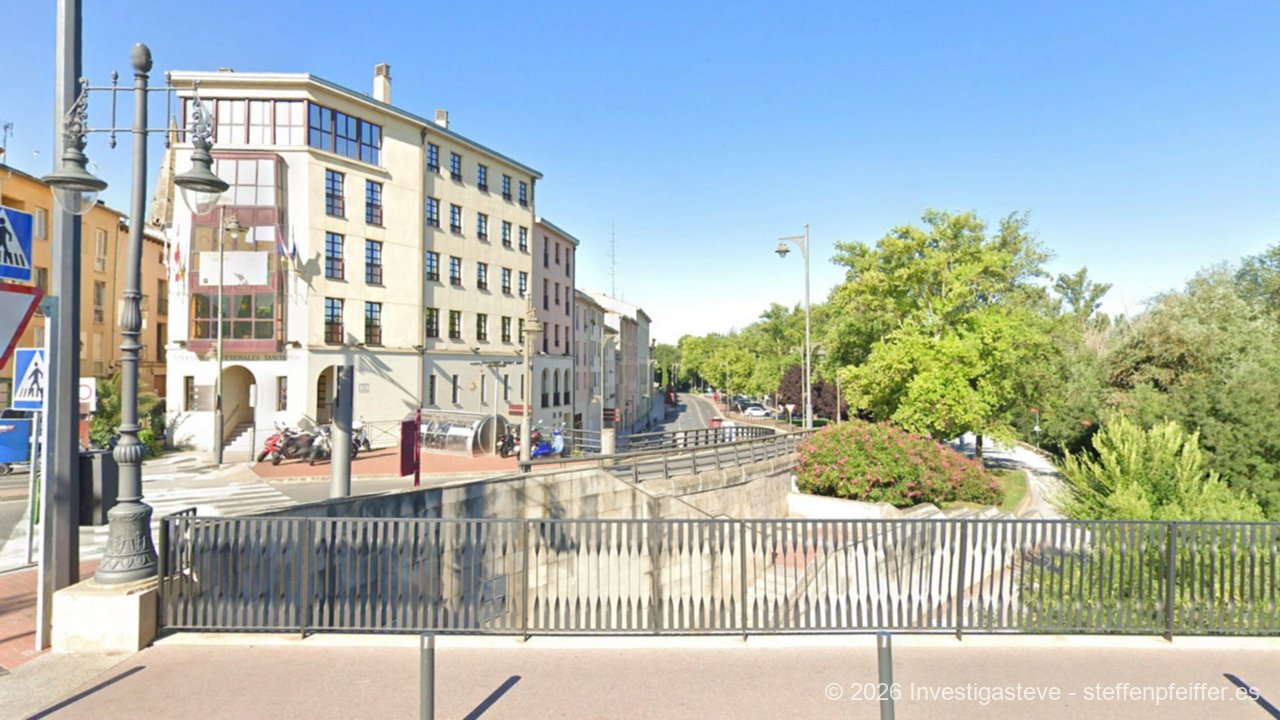
Approaching Logroño from the east, you feel the tactile change in the landscape kilometres before the city limits. The reddish, often dusty soil of Navarre gradually gives way to the fertile, sand-coloured banks of the Ebro. When the sun hangs low over the Sierra de la Demanda, it bathes the city in a warm, almost sacred light that makes the tin towers and Baroque façades glow. Arriving in Logroño is not a quiet creeping into a village, but a sensory eruption. After walking for days through the lonely silence of the fields, the capital of the Rioja greets you with an urban energy that, however, never seems hectic. You hear the rhythmic clicking of walking sticks on the paving of the Puente de Piedra, the massive stone bridge that marks the entrance to a new world like a stone gateway. Underfoot, you feel the solidity of the centuries-old foundations, while beneath the bridge the Ebro glides sluggishly and silverly, its coolness rising like an invisible greeting to the heated pilgrim.
The city breathes a duality of deep history and pulsating joy of life. In the narrow, shady alleys of the old town, such as Calle Portales, it smells of damp limestone, old incense, and – the closer the evening draws – of the seductive aroma of mushrooms tossed in pimentón and grilled meat. Psychologically, Logroño marks the “Big Stop”, the great pause moment of the Camino Francés. It is the place where the ascetic discipline of the past stages marries the hedonistic tapas culture of the Rioja. You feel an almost euphoric relief: here the body may regenerate, while the mind, in the “El Jaleo”, the babble of voices of the tapas bars, refuels with new social energy. Visually, it is the contrast between the sand-coloured stone blocks of the churches and the vibrant green parks on the riverbank that makes Logroño so unmistakable. It is a place of arrival, a place where the sweat of the journey is wiped away by a cool sip of Rioja wine.
What This Place Tells
The history of Logroño is inseparable from the rise of the Camino de Santiago and the strategic crossing of the Ebro. Originally founded as a Celtic settlement under the name Gronio – which fittingly means “ford” – the site served the Romans as a strategic river crossing near their settlement Vareia. But the true birth of the modern city struck in 1095. King Alfonso VI of León granted Logroño the groundbreaking Fuero, a city charter intended specifically to promote the settlement of Franks and pilgrims. This legal document was far more than a mere charter; it was the blueprint for a city of freedom and trade. Passing through the Revellín Gate today, you tactically touch the remains of that defensive identity that protected Logroño from invaders for centuries. Historical causality is palpable here: the privileges of the pilgrims created the wealth of the city, and this wealth flowed into the construction of monumental bridges and churches.
One of the city’s most powerful narratives is the legend of the siege of 1521. French troops under André de Foix surrounded the city, hoping to starve it out. But the inhabitants of Logroño demonstrated a resilience that is still anchored in the collective memory today. They secretly caught fish in the Ebro, baked bread from hidden supplies, and drank their wine to keep up their courage. This legend is celebrated annually on San Bernabé Day, when bread, wine, and fish are distributed to the crowd – an olfactory and gastronomic heritage that cements the city’s identity as an invincible stronghold of hospitality. You can still hear in the locals’ stories the pride in this era, a psychological strength reflected in the robust architecture of the Muralla del Revellín. Here, history is not just read; it is breathed in through traditional festivals and stone monuments.
Architecturally and spiritually, the Iglesia de Santiago el Real dominates the narrative of Jacobean Logroño. Above the main Baroque portal towers the imposing equestrian statue of Santiago Matamoros, who went down in Spanish history as the Moor-slayer. For the modern pilgrim, this sight is often a psychological challenge, a tactile contact with a martial past that today stands in stark contrast to peaceful pilgrimage. Yet inside, you find the Virgen de la Esperanza, the Virgin of Hope, whose sight radiates a calming, almost maternal aura. This spiritual dimension is complemented by the Concatedral de Santa María de la Redonda with its iconic twin towers. It is rumoured that inside lies a painting of the Crucifixion attributed to Michelangelo – a visual mystery underscoring the city’s artistic depth. Logroño thus tells a story of metamorphosis: from the Celtic ford to the royal city, from a defensive bulwark to the world capital of wine.
Addresses & tips in Logroño
| Accommodation | 84 |
| Restaurants | 46 |
| Bars & Cafés | 61 |
| Shopping | 13 |
| Health | 13 |
| Sights | 13 |
| Services | 16 |
Show all 246
Show all 84
Show all 46
Show all 61
Show all 13
Show all 13
Show all 13
Show all 16
Camino Distances
The path to Logroño is long and often exposed to the sun, yet the arrival compensates with a perfect urban infrastructure.
Sleeping & Arriving
Arriving in Logroño resembles a ceremonial procession. You cross the Puente de Piedra, feel the coolness of the wind sweeping over the Ebro, and are drawn almost physically into the old town by the towers of the churches. The first port of call for many is the Albergue Municipal de Peregrinos on Calle Ruavieja. Here you feel the “Donativo-spirit” in its purest form, even if a fixed fee is now charged. The halls smell of disinfectant, backpacks, and the anticipation of hundreds of people. It is a tactile experience to lay your pilgrim passport on the counter and receive the coveted stamp – an acoustic “clack” that officially seals the arrival in the Rioja. You hear the muted murmuring in the dormitories, a polyglot whisper telling of the hardships of Navarre and the anticipation of the tapas bars.
For those seeking a deeper spiritual dimension, the Albergue Parroquial de Santiago offers an authentic refuge. Here, the communal dinner is often included in the price – or rather, part of the donation. The scent of simple but hearty stew fills the dining hall, and you hear the clatter of cutlery on ceramic plates, a tactile symbol of community. The psychological feeling of security that these church hostels radiate is a necessary catharsis for many pilgrims. Here you are not a tourist, but part of a community that gathers for evening prayer while the urban life of Logroño pulsates outside. It is the contrast between the monastic silence inside and the lively bustle of the city that makes arriving here so special.
For pilgrims longing for urban luxury after often sparse nights, the Winederful Hostel & Café offers a modern alternative. Here, the design vibe of a boutique hotel blends with the social energy of a hostel. You feel the smooth surfaces of the modern furniture, smell the freshly roasted coffee at the bar, and enjoy the acoustic backdrop of quiet indie music and the hiss of the espresso machine. Psychologically, this is the reward for the lonely kilometres. You feel part of the modern world again without losing your connection to the Camino. The beds are comfortable, the showers hot, and the water pressure is a tactile revelation after the often weak pipes of smaller mountain villages.
Another classic for comfort-seekers is the Hostal La Numantina on Calle Sagasta. Situated in a venerable old building, it breathes the charm of the early 20th century. You hear the soft creaking of the floorboards and feel the weight of the old doors. The smell of floor polish and cool masonry recalls the time when the city began to grow beyond its walls. Here, the pilgrim finds the necessary privacy to order their thoughts before diving into the adventure of the tapas mile. The feeling of lying in a real bed with fresh sheets is a tactile blessing that regenerates the body for the coming kilometres to Nájera.
Arriving in Logroño is finally completed by the ritual change of clothes. In the numerous public laundromats, you see pilgrims patiently waiting in front of the humming machines. The scent of detergent and warm air mingles with the outdoor smell of the city. It is a moment of purification, both physical and mental. You shed the sweat of days and prepare to enjoy Logroño with all your senses. When you finally stroll through the old town freshly showered, you feel the urban energy like a gentle tingling on your skin. Arriving here is not an endpoint, but a transition – a deep breath in the middle of the Way.
Eating & Drinking
In Logroño, eating is not merely an act of satiation, but a cultural performance that reaches its climax on the world-famous Calle del Laurel. This section is also called the “Elephant Path”, as you often leave it with a considerable “trunk” (a buzz) and on all fours if you are not careful. The density of bars over just 200 metres is a sensory overload. It smells intensely of grilled mushrooms, spicy pimentón, melted cheese, and the sweet-pungent aroma of Rioja wine. Acoustically, the “El Jaleo” dominates – a babble of voices that swells from 8:30 pm into a single, pulsating soundscape. Clinking wine glasses, the hiss of grills, and the loud calls of the barmen form the soundtrack of the city. It is a tactile experience to push through the crowd, hold the cool wine in your glass, and balance the first pincho of the evening.
An absolute must is Bar Soriano. Here, there is only one speciality: mushrooms. You hear the sizzle on the plancha, see the mushrooms skewered with a prawn on a piece of bread, and feel the hot, garlic-laden butter run over your fingers – a tactile and gustatory explosion. The first bite is a moment of pure bliss. For those who like it more robust, head to Bar El Muro, where the “Ferrero Rocher de Morcilla” are served – a praline made of blood sausage so exquisitely prepared that it deceives the senses. The smell of fried meat and spices in these alleys is so dense it almost seems physically tangible. Psychologically, this bar-hopping is a perfect analogy to pilgrimage itself: you never stay long in one place, you seek the next highlight and share the moment with strangers who briefly become fellow travellers.
For pilgrims who prefer things a bit quieter, the parallel Calle San Juan offers similar quality but in a less touristy atmosphere. Here, it often smells of homemade tortilla and more traditional dishes. The psychological impact of this tapas culture is immense: it strengthens the spirit through pleasure. In Logroño, the pilgrim learns that the Camino is not only about deprivation, but also about celebrating life. Holding a glass of “Crianza” or “Reserva”, feeling the weight of the wine in your mouth and tasting the complex aromas of red fruits and oak is a first-class tactile experience. Logroño is the city where the stomach comforts the soul and where, for one evening, the feet may forget just how far they have already walked.
Supplies & Logistics
As the provincial capital, Logroño is the logistical backbone of this Camino section. Here, the pilgrim finds everything that was missing in the small villages of Navarre. Especially for medical matters, the city is an indispensable point of contact. The Hospital San Pedro is a modern clinic equipped for emergencies, while the numerous farmacias along Calle Portales stock everything from blister plasters to anti-inflammatory ointments. In these pharmacies, you often smell the sterile scent of disinfectant, which, however, has an almost comforting note for many pilgrims with aching feet. Tactilely, it is the cooling gels and firm bandages that secure the onward path here. The psychological security of being in a city with top-class medical care leads many walkers to take a necessary rest day here.
For equipment, Logroño is a true goldmine. If you find that your hiking boots are no longer holding up or your backpack is digging in, you head straight to Decathlon City on Calle Chile or to Planeta Agua, a specialist shop for pilgrim supplies. You hear the rustling of Gore-Tex materials and feel the tactile quality of new hiking boots as you try them out on the test tracks in the shop. It is a place of logistical metamorphosis: here, old, broken things are replaced by new, functional equipment. Repair services for shoes can also be found near the cathedral; the cobblers here still work in the traditional way, and the smell of leather and glue wafts from their small workshops – an acoustic testimony to honest craftsmanship.
Shopping: In the old town, the Mercado de San Blas offers a visual and olfactory feast for self-caterers; here you buy fresh fruit, cheese, and bread directly from regional producers. Supermarkets like Mercadona or Carrefour Express in the centre efficiently cover daily needs for snacks and hygiene products.
Gastronomy: Calle Laurel and Calle San Juan are the culinary centres; however, if you are looking for a classic Menú del Peregrino, you will find it in almost every bar in the old town, with the quality of Rioja cuisine here being above average.
Accommodation: From the spartan Albergue Municipal to the luxurious Hotel Sercotel Portales, every price range is represented; in high season, booking private options is strongly recommended.
Public Facilities: The Estación Intermodal combines bus and train in the south of the city; it is the gateway for anyone wanting to interrupt their journey or start from here, with excellent connections to Burgos or Pamplona. The tourist office on Calle Portales offers not only maps but also the necessary certification for the pilgrim passport.
The logistical significance of Logroño is underscored by the Oficina de Turismo and the Pilgrim Information Point at the stone bridge. Here, backpacks are stored, certificates are issued, and valuable tips for the coming stages through the Rioja Alta are given. You hear the clacking of keyboards and the friendly murmuring of advisers offering help in several languages. Psychologically, this network of support gives the pilgrim the feeling of not being alone. You feel that Logroño is a city that understands the Camino not merely as an economic factor, but as part of its DNA. Those who leave the city usually do so with a freshly washed wardrobe, a refilled travel pharmacy, and the reassuring knowledge that the most difficult logistical hurdles of the journey have been skilfully mastered here.
Don’t Miss
– Concatedral de Santa María de la Redonda: The Baroque twin towers are the city’s landmark; inside, the Michelangelo painting awaits discovery.
– Calle del Laurel: A culinary must; go from bar to bar and try at least the mushrooms at Soriano and the “Matrimonio” at Blanco y Negro.
– Iglesia de Santiago el Real: Here beats the heart of Jacobean tradition; the equestrian statue of Santiago Matamoros is a powerful, if contentious, monument.
– Puente de Piedra: Cross the Ebro on this historic bridge and feel the historical significance of this river crossing for the Camino.
– Muralla del Revellín: Visit the remains of the old city wall and leave the city through the Puerta del Camino – a ritual act for every pilgrim.
– Mercado de San Blas: A visual feast of regional products; perfect for stocking up on provisions for the stage to Nájera.
– Iglesia de San Bartolomé: The city’s oldest church captivates with its Gothic portal, whose stone figures whisper biblical stories.
– Parque del Ebro: A green retreat to cool your feet in the grass (or water) and briefly exchange urban energy for the silence of nature.
– San Mateo Wine Festival: If you are here in September: experience the stomping of the first grapes – an olfactory state of exception.
– Floor mosaic “Game of the Goose”: Look for the mosaic in front of the Santiago church; it is a playful symbol of the entire Camino de Santiago.
Insider Tips & Hidden Places
Away from the hustle and bustle of Calle Laurel, Logroño conceals jewels that only the attentive pilgrim discovers. One such place is the Urban Winery “Arizcuren” on Calle Santa Isabel. Amidst the urban fabric, Javier Arizcuren has created a space that combines state-of-the-art architecture with ancient wine tradition. You step inside and are greeted by the cool, almost clinical smell of a modern cellar, mingled with the heavy note of fermenting must. It is a tactile experience to touch the smooth concrete vats and know that wines from old vines of the Sierra de Yerga are maturing here. Psychologically, this is a place of reflection: while the pilgrim masses stream by outside, here the essence of the Rioja is bottled in peace and quiet. Drinking a glass here, away from the tapas jaleo, sharpens your senses for the nuances of the terroir.
Another place of silence is Monte Cantabria. It lies north of the Ebro and requires a 30-minute walk across the river. Yet the ascent is rewarded tactilely and visually. On the summit lie the ruins of a Celtic proto-settlement. You feel the uneven ground underfoot and hear only the whistling of the wind, while Logroño shrinks to a toy model on the plain. From up here, you have the best view of the sunset over the Ebro. The psychological effect is enormous: you see the path you have come and the path that lies ahead. It is a place of absolute immersion in the landscape, far from the tourist trails. Almost no tourists find their way here, making Monte Cantabria a true refuge for reflective pilgrims.
The Café Moderno on Plaza Martínez Zaporta has been an institution since 1916 and a place where time seems to stand still. You hear the clatter of dominoes on the marble tables and smell the heavy scent of café con leche and churros. Scenes for Spanish film classics were shot here, and the atmosphere is marked by a nostalgic weight. It is the perfect place for a rainy morning or a quiet siesta. You feel the cool smoothness of the old tables and the soft upholstery of the benches. Psychologically, the café offers a shelter from the sensory overload of the tapas miles. Here you can write your diary in peace and capture the observed scenes of the city on paper while breathing in the authentic Logroño of the locals.
To conclude, a walk through the Parque del Ebro in the late evening is recommended. While the city celebrates in Calle Laurel, an almost monastic calm reigns here on the riverbank. You hear the distant rush of the water and feel the dampness of the meadows. Tactilely, it is a delight to walk barefoot through the grass and let the heat of the asphalt drain from your soles. It smells of river water, willows, and damp earth. This park leads the pilgrim for kilometres through greenery out of the city before reaching Navarrete. It is a hidden corridor of nature that forms the emotional bridge between the urban experience and the coming solitude of the Meseta. Here, the pilgrim finds the necessary grounding to undergo the metamorphosis from city dweller back to walker.
Moment of Reflection
In Logroño, the pilgrim reaches a psychological crossroads. The city is a test for the ascetic spirit. After days of learning to make do with the minimum, you are confronted here with an abundance of pleasure. The Baroque altarpiece of the cathedral and the gleaming glasses in Calle Laurel demand a new form of discipline: the discipline of moderation in the midst of plenty. You recognise here that the Camino is not merely a journey of penance, but also one of feasting. Psychologically, this is the phase of consolidation. You feel the urban energy and must decide how much of it you wish to integrate into your own rhythm. The tactile experience of the city – the firm stone of the bridge, the soft wine on the palate – strengthens the feeling of self-efficacy. You have made it this far; you are allowed to enjoy.
At the same time, Logroño is a place of historical causality. When you stand on the Plaza de Santiago and view the equestrian statue, you inevitably reflect on your own role in this centuries-old dance. Am I a walker, a seeker, or part of a great tourist movement? The silence on the riverbank offers the space for these questions. The emotional metamorphosis takes place here in dialogue with the Ebro, which has accompanied the city’s fortunes for millennia. In Logroño, you learn that the goal of the journey is not only Santiago, but every moment in which you consciously perceive your own existence – whether during evening prayer in the Albergue Parroquial or at the first bite of a mushroom at Soriano. You leave the city not only with equipped feet, but with a saturated spirit, ready for the wide paths of the Rioja Alta.
Camino of the Stars
This place lies on the Camino Francés, on the stage from Los Arcos to Logroño. The sequence of places is:
Los Arcos → Sansol → Torres del Río → Ermita del Poyo → Viana → Logroño → Navarrete
Did you experience the legendary crowing of the rooster or the bustling activity of Calle Laurel yourself? Perhaps you watched the sunset over the Ebro from Monte Cantabria and gained a completely new perspective on your path? Share your personal experiences, your favourite tapas discoveries, or your thoughts on Logroño’s urban energy with us. Your story is a valuable part of the infinite Camino mosaic that makes this place so alive!
About the Author