A First Glance – Introduction & Atmosphere
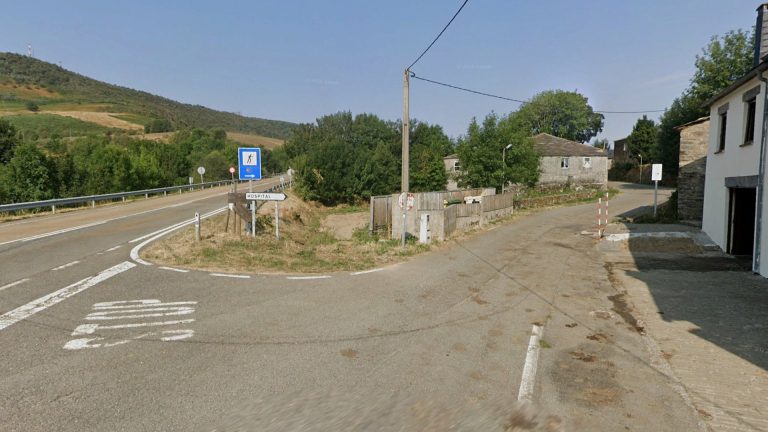
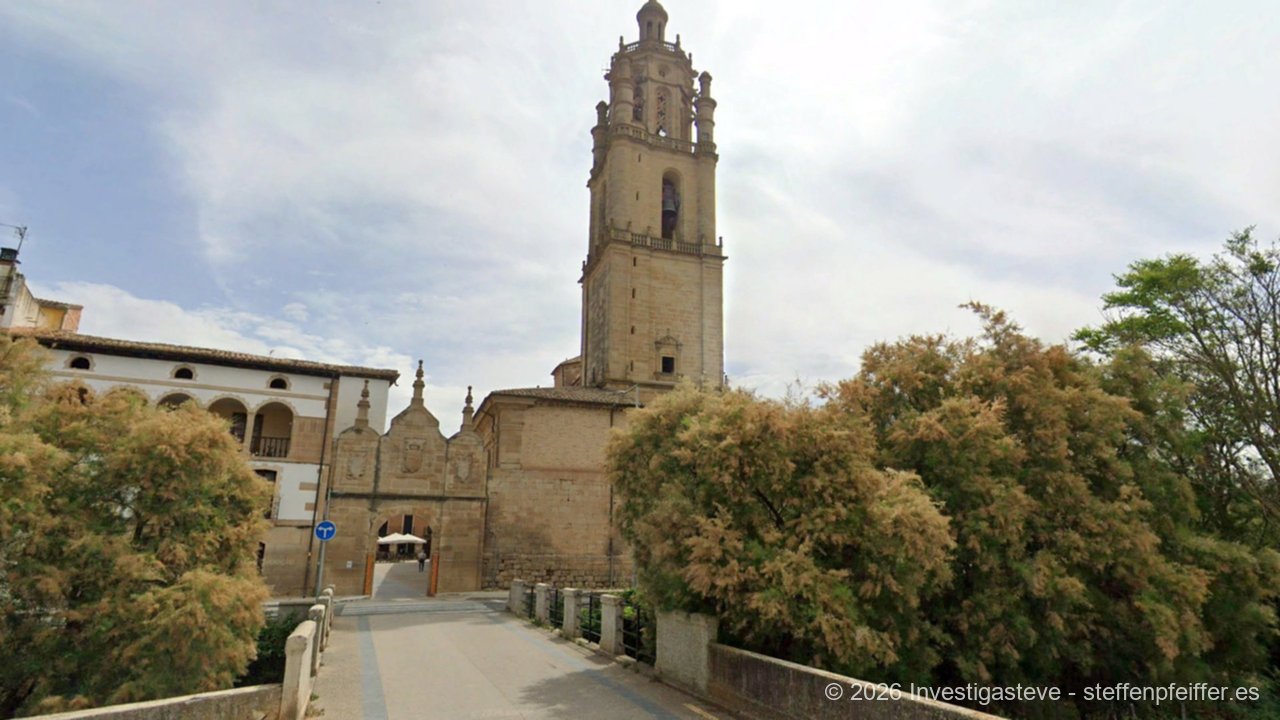
When you come from the dusty solitude of the stage from Villamayor de Monjardín, Los Arcos appears like a mirage slowly taking shape on the shimmering horizon. For almost twelve kilometres, the path has led you through a treeless, almost archaic landscape, where only the wind in the grain fields and the rhythmic crunching of your own steps on the calcareous ground interrupted the silence. The sun of Navarre often burns relentlessly here, and shade is a rare commodity, something you only learn to appreciate again when you reach the first outposts of this historic place. Los Arcos does not greet you with quiet tones, but with the impressive silhouette of its mighty church tower, rising like a stone finger of God into the deep blue sky. It is a moment of profound psychological relief: the “desert” lies behind you, and before you opens a place that, like few others on the Camino Francés, bridges medieval fortification and Baroque splendour.
As soon as you enter the historic centre, the atmosphere changes abruptly. The vastness of the fields is replaced by the protective narrowness of the alleys. It smells here of sun-warmed stone, of the pungent aroma of nearby Rioja wine, and of the bustling energy of a town that has lived for centuries by the rhythm of the pilgrim streams. You feel the coolness emanating from the massive portals of the old noble houses, and the tactile experience of the uneven cobblestones under your tired soles immediately connects you with the millions who sought shelter here before you. The acoustic profile of Los Arcos is shaped by the distant ringing of the bells of Santa María and the cheerful murmuring on the Plaza, where the exhaustion of the day turns into anticipation of a cool refreshment. Here, at this point on the Way, the pilgrim experiences a metamorphosis: from the solitary wanderer of the high plateau, he becomes once again part of a living, millennia-old community.
What This Place Tells
The history of Los Arcos is a chronicle of power, faith, and strategic necessity. Founded in the 11th century by the Navarrese king Sancho Garcés IV, the place initially served as a military bulwark against the expansionist ambitions of neighbouring Castile. This border location has shaped the townscape to this day; you can still feel the former defensive character in the remnants of the city wall and the striking town gates such as the Portal de Castilla. Yet Los Arcos was never merely a fortress. It was a jewel in Navarre’s crown, a place to which the kings granted far-reaching privileges and freedoms to encourage settlement in this exposed position. This historical causality – the protection of the border combined with economic rise through pilgrimage – created a town of extraordinary wealth, which today is reflected above all in its sacred architecture.
The undisputed heart of the narrative is the Iglesia de Santa María. Standing before its façade, you gaze upon a masterpiece of architectural history that grew continuously from the 12th to the 18th century. Here, Romanesque, Gothic, Renaissance, and Baroque merge into a harmonious whole that almost overwhelms the beholder. The magnificent Plateresque north portal in particular is a tactile feast of stone masonry; you want to trace the filigree reliefs with your fingers, which weave biblical scenes and floral ornaments into a stone carpet. Inside, a “horror vacui” of the Baroque reveals itself: gilded altars, lavish carvings, and an organ that ranks among the most significant in all of Navarre. It is a space that invites not only prayer, but also wonder at the human ability to capture divine glory in matter.
Psychologically, Los Arcos also tells of constancy. While wars repeatedly shifted the borders between Navarre and Castile, the Camino de Santiago remained the constant lifeline. The town survived sieges and political upheavals, always sustained by the spiritual significance of its location. The powerful coat-of-arms houses on Calle Mayor testify to the self-confidence of a bourgeoisie that achieved prosperity through trade and the hospitality extended to pilgrims. Walking through these streets, you breathe the history of a society that learned to defend itself outwardly and to open itself widely inwardly. The historical metamorphosis from a pure border fortress to a spiritual and cultural centre is tangible in every corner of Los Arcos, making the place an indispensable chapter in the biography of every pilgrim to Santiago.
Addresses & tips in Los Arcos
Camino Distances
In the strategic planning of the Camino Francés, Los Arcos often marks the end of a demanding stage through the open terrain of Navarre.
| Previous Place | Distance (km) | Next Place | Distance (km) |
|---|---|---|---|
| Villamayor de Monjardín | ca. 12.5 km | Sansol | ca. 6.9 km |
Sleeping & Arriving
Arriving in Los Arcos is a ritual act of relaxation. When you reach the Plaza de Santa María, the weight of the backpack almost falls from your shoulders by itself. The moment you sit on one of the benches and let the cool water from the fountain run over your wrists is pure tactile bliss. You hear the rhythmic clicking of walking sticks on the paving, which here sounds like applause for the achievement. The psychological impact of this place is immense: after the solitude of the previous kilometres, you immediately feel part of human civilisation again, taken into the protective arms of a historic town.
The hostel landscape in Los Arcos is diverse and deeply rooted in the tradition of hospitality. A special place is the Albergue Isaac Santiago, often run by Dutch hospitaleros with an almost monastic devotion. Here, arriving is more than just taking a bed; it is entering a community. The smell of disinfectant mingles with the scent of freshly washed laundry fluttering in the wind in the inner courtyard. In the dormitories, a muted acoustics prevails, a murmuring in many languages that testifies to mutual respect and shared exhaustion. The tactile feeling of a fresh shower after the dusty path is a luxury here that puts any five-star experience in the shade.
For pilgrims seeking more privacy, the hostals and small hotels along the main street offer a retreat within historic walls. When you take your room and open the shutters, you often look directly onto the bustling activity of the pilgrim streams below. It is an observer’s role that invites reflection. You feel the vibrations of the town, the distant clatter of dishes from the bars, and the evening prayer echoing from the church. Spending the night in Los Arcos means wrapping yourself for one night in the protective cocoon of history before setting out again into the vastness of the landscape the next morning.
Particularly noteworthy is the Casa de Austria, a hostel distinguished by its architecture and the warmth of its hosts. Here, arriving becomes an encounter with the history of the house itself. You feel the smooth wood of the old banisters and the coolness of the thick stone walls that keep the summer heat outside. Psychologically, this stay is a necessary caesura. It allows the mind to process the impressions of the hard path and reorient itself in the security of a solid structure. Whoever sleeps in Los Arcos does so in the knowledge that they are resting in a place that has done nothing for almost a thousand years but strengthen wanderers for their onward journey.
Eating & Drinking
The cuisine in Los Arcos is an honest celebration of Navarrese agriculture. Here you taste the fertility of the Ebro plain, which begins just a short distance to the south. When you sit in one of the bars on the Plaza, you are greeted by the scent of roasted Pimientos del Piquillo, those small, red peppers so typical of this region. Their sweet-smoky aroma is the olfactory signature of Navarre. A classic pilgrim menu here often begins with a hearty vegetable platter – asparagus, artichokes, and broad beans that taste as fresh as if they were just picked from the field. It is a tactile experience of crispness and freshness that regenerates the body after the day’s exertion.
A must for every gourmet is the lamb, often served as “Cordero al Chilindrón”. The sauce of peppers, tomatoes, and onions is so rich that you want to soak it up to the last drop with the crusty local bread. The bread itself has a special consistency here – a firm, almost woody crust on the outside, a soft, fragrant core on the inside. Of course, you drink the wine of the region with it. Los Arcos lies on the border with the Rioja, so you find wines here of a depth and complexity that pair perfectly with the hearty cuisine. When you take the first sip, you feel the warmth of the alcohol and the tannins on your tongue, a sensory experience that marks the transition from walker to connoisseur.
In the evening, the Plaza transforms into an open-air living room. You hear the hiss of the beer taps, the laughter of the locals, and the polyglot babble of voices of the pilgrims. It is an acoustic celebration of the joy of life. Those with a sweet tooth should try the “Leche Frita”, a fried milk dish sprinkled with cinnamon and sugar that acts like a warm embrace for the palate. Eating in Los Arcos means understanding the causality between soil and table. It is not sterile gastronomy, but a living tradition that nourishes the pilgrim while offering a deep insight into the cultural identity of Navarre. Every bite is a homage to the land you have just crossed on foot.
Supplies & Logistics
Logistically, Los Arcos is a blessing for every pilgrim. After the often sparse sections of the preceding days, you find an infrastructure here that leaves nothing to be desired. The place is designed so compactly that all important facilities are within a few minutes’ walk, which is invaluable for tired feet. You sense that the town administration and local business owners understand the pilgrim as a central part of their daily lives and have optimised their services accordingly.
The supply of medical goods and food is excellent. Those needing blister plasters or painkillers will find well-stocked pharmacies specialising in the typical ailments of the Camino. The supermarkets offer everything for daily needs, from fresh fruit to local cheese and ham for trail provisions. Psychologically, this seamless supply gives a feeling of security. You know you can perfectly supplement your equipment and supplies for the coming stages here without having to search long.
Shopping: Several supermarkets (such as Carrefour Express) and small speciality shops offer everything from hiking provisions to local specialities. Opening hours are designed to be pilgrim-friendly.
Gastronomy: The Plaza de Santa María is the epicentre with numerous bars and restaurants. Here you will find hot meals and classic pilgrim menus at fair prices throughout the day.
Accommodation: Capacities are large, from the simple church-run or municipal albergue to comfortable private hotels. Advance reservation is only necessary in the absolute peak months.
Public Facilities: There are ATMs from various institutes, a post office, and an easily accessible health centre (Centro de Salud) for medical emergencies.
Logistically, Los Arcos’ strength lies in its role as a “full-service station”. You can do your laundry here, sort out your finances, and care for your body. This efficiency allows the mind to focus entirely again on the spiritual experience of the Way. Those who leave Los Arcos usually do so with a repaired body and a calmed mind, ready for the next challenge on the path to Logroño. It is a place that has your back so you can look forward.
Don’t Miss
In Los Arcos, there are several sights you should explore with all your senses to grasp the depth of this place:
– Iglesia de Santa María: Visiting this church is obligatory. Pay special attention to the 16th-century cloister, which is an oasis of tranquillity and architectural elegance.
– The Baroque organ: If you are lucky, you will experience a rehearsal or a concert. The sound of this instrument fills the vast space with an acoustic power that is deeply moving.
– Portal de Castilla: This magnificent town gate from the 17th century is a perfect photo motif and marks the transition between the historic old town and modernity.
– Plaza de Santa María: Do not miss sitting here for at least an hour and simply watching the comings and goings. It is the best “people’s cinema” on the entire Camino.
– The coats of arms on Calle Mayor: Search the façades for the stone testimonies of the nobility. Each coat of arms tells its own family story of pride and constancy.
Insider Tips & Hidden Places
A true insider tip in Los Arcos is the small, almost inconspicuous walk along the Río Odrón, which flows through the town. While most pilgrims crowd the Plaza, you find a completely different, quieter world on the banks of the small river. It smells here of damp earth and moss, and the steady gurgle of the water forms a wonderful acoustic backdrop for a short meditation. Here you can dip your feet into the cool water – a tactile experience that works wonders after a hot day of walking. It is a hidden place of regeneration, far from the hustle and bustle of the hostels.
Another hidden treasure is located inside the church of Santa María: the sacristy. It is often overlooked, but houses treasures of incredible craftsmanship precision. If you have the opportunity to glance inside, pay attention to the carved cupboards and the fine fabrics of the liturgical vestments. Here, it smells intensely of old wood, beeswax, and time itself. It is an olfactory journey through time that leads you deep into the religious tradition of Navarre. Such places are the psychological anchor points that make the Camino experience so multi-layered.
Those interested in technology and history should look out for the old mills that once used the power of the Odrón. Even if many are only ruins, they tell an exciting story about the historical causality of water and prosperity in this region. It is a tactile experience to run your hands over the rough stones of these industrial monuments and imagine how grain was once ground here for the thousands of pilgrims. These traces of labour ground the often very spiritually charged perception of the place.
Finally, mention should be made of the cemetery of Los Arcos, located somewhat off the beaten path. It is a place of absolute silence and offers its own aesthetic of transience. The cypresses sway in the wind, and the smell of dry flowers and incense hangs in the air. Here you find graves going back generations and feel the deep roots of the people in their soil. It is a place for the ## Moment of Reflection, reminding you that every journey – including that of life – has its stages. In the silence of the cemetery, the haste of everyday life becomes utterly meaningless.
Moment of Reflection
When you sit on the Plaza of Los Arcos in the evening and watch the setting sun bathe the church façade in an almost unreal, glowing gold, it is a moment of profound psychological reflection. Behind you lies the “desert section”, the long, lonely stretch from Villamayor. You have felt how your body reached its limits, and how your mind began to wander in the monotony of the landscape. Los Arcos is the reward for this endurance. The place confronts you with a fundamental question: How do you deal with abundance after having traversed emptiness?
The Baroque splendour of Santa María can seem almost intimidating, yet it is also a symbol of the harvest you reap after hard work. In the silence of the alleys, you are allowed to ask yourself which inner treasures you discovered on the last kilometres. The historical metamorphosis of the town from a defensive fortress to a place of hospitality may mirror your own development: from defence against pain to openness to beauty and community. Take this feeling of centring with you into your night’s rest. Los Arcos teaches you that after every deprivation follows a moment of fullness, if you are only willing to walk the path to the end.
Camino of the Stars
This place lies on the Camino Francés, on the stage from Estella to Los Arcos. The sequence of places is:
Estella → Ayegui → Irache → Azqueta → Villamayor de Monjardín → Los Arcos → Sansol → Torres del Río → Ermita del Poyo → Viana → Logroño
Did you also experience the overwhelming splendour of the church of Santa María in Los Arcos as such a strong contrast to the solitude of the preceding fields? Or was it rather the warm community in the Albergue Isaac Santiago that deeply moved you? Share your experiences, your photos, and your very personal moments of peace in Los Arcos with us. Every story helps make the magic of this place tangible for future pilgrims. We look forward to your contribution!
About the Author