A First Glance – Introduction & Atmosphere
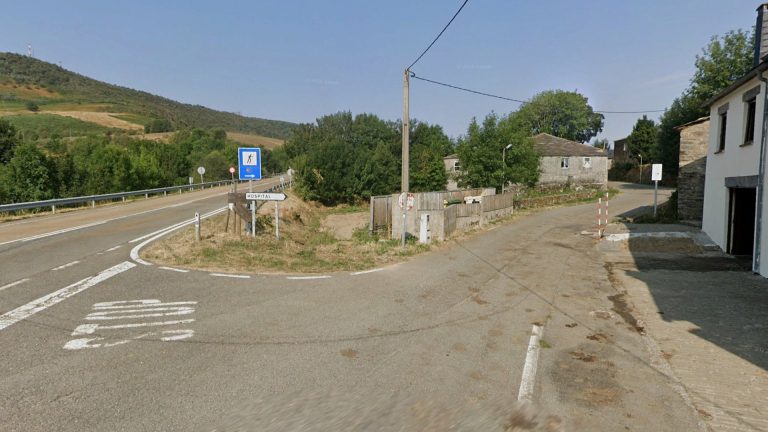
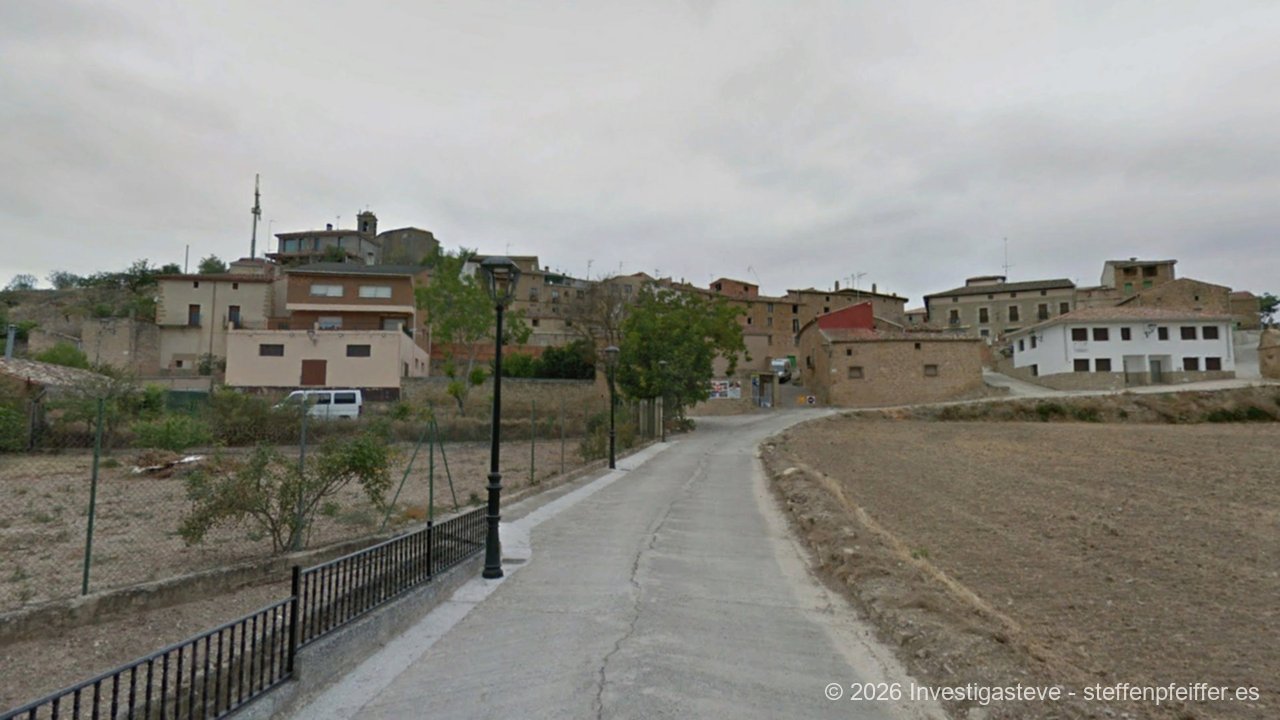
When you descend from the wide, often wind-swept plains behind Los Arcos and Sansol, Torres del Río appears almost like a mysterious promise, nestled deep into the folds of the Navarrese hill country. The descent into the valley of the Río Linares is a moment of transition: the glaring sun, which previously beat down mercilessly on the open path, loses its sharpness for a moment as the silhouette of the village takes shape before you. It is a sight that inevitably makes you pause. The houses of ochre-coloured sandstone seem to merge seamlessly with the slope on which they were built. The air down here is often a trace more humid, carried by the soft, almost inaudible murmur of the river, mingling with the distant, melancholic ringing of church bells. It smells of dry earth, of the pungent scent of the surrounding olive groves, and that very special aroma of centuries-old stone that has stored the heat of the day and now slowly releases it into the narrow alleys.
As soon as your boots touch the first cobblestone, the acoustic profile of your journey changes. The steady crunch of gravel gives way to a harder, rhythmic clicking that echoes off the tall, stately façades of the Baroque houses. It is an atmosphere of deep, almost reverential quiet that lies over Torres del Río. The alleys are so narrow and winding that they effectively shut out the modern noise of the world. You feel the presence of history in every step – it is tactilely graspable in the roughness of the walls along which you let your hand glide, and it is psychologically palpable in the feeling of having entered a place that has served as a spiritual anchor point since the Middle Ages. Here, in the shadow of the mighty coat-of-arms houses, you feel small yet strangely sheltered, as if you were part of an ancient current of walkers who all felt the same mixture of physical exhaustion and inner expectation at this point.
What This Place Tells
Torres del Río is no ordinary village; it is an architectural palimpsest, in which the layers of centuries have been superimposed without entirely covering those beneath. The name itself – “Towers by the River” – points to a defensive past, when this point in the valley of the Linares had to be strategically secured. Yet the true narrative of the place is determined not by military bulwarks, but by sacred geometry. The heart and undisputed spiritual pole is the Iglesia del Santo Sepulcro. Built in the 12th century, it is a rare jewel of Romanesque architecture, whose octagonal floor plan directly references the Church of the Holy Sepulchre in Jerusalem. Standing before this structure, you feel the deep connection to the Crusades and the Knights Templar, to whom its founding is often attributed. The symmetry of the building is so perfect that it appears almost unnatural – a stone attempt to project divine order onto the earth.
The history of the place is inextricably linked with the fate of the pilgrims who have been passing through here since the 11th century. In the chronicles, Torres del Río is often mentioned as a place of refuge, where weary walkers gathered new strength before the next hard ascent towards Viana. The Baroque palaces that now characterise the townscape, in turn, tell of a later era of prosperity, when noble families manifested their wealth in stone. The coats of arms on the façades are stone witnesses of pride and constancy. You can almost hear the creaking of the heavy wooden doors and the neighing of horses in the courtyards when you close your eyes and transport yourself back to the time when these houses were still the centre of a bustling rural life. The historical causality is present everywhere here: every incline in the alleys, every curve of an arch has a purpose deeply rooted in the necessity of protection and representation.
Yet the deepest narrative of Torres del Río is one of inner contemplation. In a region often characterised by wide horizons and open spaces, this village offers an almost monastic seclusion. The psychological effect of the architecture is designed to turn the gaze inward. The thick walls of the Holy Sepulchre Church swallow every sound from outside, letting only the soft light penetrate through the narrow window openings. It is a narrative of light and shadow, of the search for the sacred in the everyday. The inhabitants of the place, today scarcely more than 130 souls, preserve this heritage with a quiet dignity. They know that their village is a gate – a place where you not only cross a river but also a threshold within yourself. The historical metamorphosis from fortified village to Baroque jewel and finally to modern pilgrim stop is seamlessly traceable here.
Addresses & tips in Torres del Río
Camino Distances
In the topography of Navarre, this place marks an important fixed point in the gentle undulation between the larger towns.
| Previous Place | Distance (km) | Next Place | Distance (km) |
|---|---|---|---|
| Sansol | ca. 0.9 km | Ermita del Poyo | ca. 2.7 km |
Sleeping & Arriving
Arriving in Torres del Río is associated with a deep sigh of relief for many pilgrims. After the kilometres through the heat of Navarre, the village feels like a shady oasis. As you climb the steep alleys, you feel the burning in your calves, yet the anticipation of a cool stone house prevails. The hostels here often have that very special charm that only buildings can possess that have been sheltering people for centuries. It is a tactile experience to grasp the heavy iron ring of a hostel door and step into the coolness of the entrance area, where the air smells of lavender cleaner and old wood. The light here usually falls only sparsely through the thick walls, which enhances the feeling of security.
In accommodations like the Hostal Rural San Andrés or the Casa Santa María, hospitality is paramount. It is not an anonymous check-in, but a welcome. You hear the bustle in the kitchen, the clatter of dishes, and the muted murmuring of other pilgrims who have already set down their backpacks. Setting down the load is a ritual act here. When the backpack slides from your shoulders, it feels as if you are growing centimetres. The feeling of cold water on your sweaty skin under the shower is the epitome of luxury in that moment. The psychological metamorphosis from the weary walker to the resting guest takes place here in a few minutes.
The evenings in the hostels of Torres del Río are marked by a communal stillness. When the sun sinks behind the hills and the village is bathed in a deep blue, the pilgrims often sit on the small terraces or in the cosy lounges. They exchange experiences, tend to their blisters, and mentally prepare for the next day. The historical aura of the place resonates in these moments. You are not just sleeping in a bed here; you are resting in a house that may have already hosted pilgrims 200 years ago. This continuity gives sleep a depth that is often missing in modern hotels. It is an arrival in the bosom of tradition.
Should you choose the Hostal Rural La Pata de Oca, you will also encounter a very special symbolism. The name recalls the “Game of the Goose”, which is said to be closely linked to the geography of the Camino and the esotericism of the Templars. Here, overnight stays become a journey into mysticism. You lie in your bed, hear the wind brushing around the corners of the old houses, and feel the tension of the day slowly fall away from you. The silence of Torres del Río is not empty; it is filled with the presence of thousands who were here before you. It is a psychological relief to know that you are safe and welcome at this place before the path makes its demands again tomorrow.
Eating & Drinking
The culinary experience in Torres del Río is as earthy and honest as the landscape surrounding the village. Here, cooking is not for the fleeting tourist, but for the hungry pilgrim craving nourishing, hearty fare. When you sit down in one of the small restaurants, you are often greeted by the scent of slowly braised lamb, garlic, and fresh olive oil. Navarrese cuisine celebrates its triumphs here in simplicity. A typical pilgrim menu often begins with a “Sopa de Ajo”, a garlic soup that not only warms the stomach but also awakens the spirits. The first spoonful is a tactile feast of warmth that spreads through your entire body.
The bread here is crusty and firm, perfect for soaking up sauces that taste of the region’s flavours. The local wines, often influenced by the nearby Rioja border, are heavy and dark red. When you raise the glass to your lips, you taste the sun that has burned on the vines and the minerality of the soil. It is an olfactory experience to inhale the wine’s bouquet while waiting for the main course. Often there is “Bacalao al Ajoarriero”, cod with peppers and tomatoes – a dish that gives strength and challenges the taste buds with its spicy intensity. Eating here is an act of regeneration, a conscious intake of energy for the coming kilometres.
In the small bars of the village, often attached to the hostels, there is a lively bustle. You hear the hiss of the espresso machine and the laughter of the locals meeting for a brief chat. An afternoon “Café con Leche”, served in a simple glass that warms the hands, is often the highlight of a short rest. Accompanied by a piece of “Tortilla de Patatas”, which is often prepared particularly juicy here. The psychological effect of these meals is immense: they transform exhaustion into contentment. Eating in Torres del Río means connecting with the earth you have had underfoot all day. It is honest gastronomy that dispenses with pomp and instead relies on quality and tradition.
Supplies & Logistics
Logistically speaking, Torres del Río is a compact place that offers everything needed for a successful stopover without overwhelming the pilgrim with abundance. The infrastructure is perfectly tailored to the needs of walkers. Anyone stranded here need not worry about basic necessities. Everything is within walking distance in a few minutes, which is a blessing especially after a long day of hiking. The paths are short, the willingness of the residents to help is great. You sense that the village has lived from and with pilgrims for generations.
Shopping: A small grocery shop supplies you with the essentials – fresh fruit, water, cheese, and bread for the next stage. The selection is manageable, but the quality of the local products is often excellent.
Gastronomy: Several restaurants and bars offer pilgrim menus. The offerings in the hostels, often also accessible to external guests, are particularly noteworthy.
Accommodation: Besides the mentioned hostals, there are private albergues offering both dormitories and double rooms. Advance reservation in high season is advisable, as the place is a popular stage stop.
Public Facilities: Basic medical care is ensured via local consultation hours, but for more specialised services, one must go to nearby Viana or Los Arcos.
The logistics of the place are designed so as not to disrupt the pilgrim’s rhythm. There are no large supermarkets or shopping centres that could disturb the spiritual experience. Instead, you find small, owner-run businesses where you are still greeted personally. This is a psychological relief: you do not have to fight through crowds but remain in the protected space of the Camino. Provisioning here is part of the care that the village extends to its guests. Those who leave Torres del Río usually do so with well-stocked supplies and a feeling of security.
Don’t Miss
In a place of such historical density, there are details that are easily overlooked but constitute the core of the experience:
– The Iglesia del Santo Sepulcro: Do not just enter it, but take time to look at the Mudejar dome. The intersecting arches form a star that refracts the light in an almost mystical way.
– The Baroque coat-of-arms houses: Stroll through the Calle Mayor and pay attention to the details of the stone coats of arms. They tell of the genealogy and pride of the former owners.
– The view from the upper edge of the village: Climb to the highest point of the place. From there, you have an impressive view of the valley of the Linares and can see the path you have come – a moment of tactile connection with the landscape.
– The portal of the Holy Sepulchre Church: The figural depictions on the portal are masterpieces of Romanesque sculpture. Pay attention to the facial expressions of the figures, which, despite weathering, possess enormous expressiveness.
– The gurgling of the Río Linares: Find a place by the riverbank. The sound of flowing water is a wonderful acoustic cleansing after the noise of your own thoughts during the hike.
Insider Tips & Hidden Places
A true insider tip in Torres del Río is visiting the Holy Sepulchre Church at dusk. When the last daylight falls through the small windows, a play of light and shadow arises inside that makes the geometric forms of the dome appear almost alive. In these moments, there is a sacred stillness that cannot be surpassed by any prayer or song. It is a deeply psychological moment in which time seems to stop and you feel like part of a larger, cosmic whole. Many pilgrims report sudden insights or a deep inner peace that they found precisely here.
Another hidden place is the small square behind the church, often ignored by hurrying pilgrims. Here there is a bench in the shade of an old wall from which you can observe village life without being seen yourself. It is the perfect place to write in a journal or simply watch the birds nesting in the crevices of the old masonry. Here, the scent of the thyme growing in the wall crevices is particularly intense, and the tactile feeling of the cool stone against your back is a true blessing on hot days.
Those interested in the esoteric side of the Way should look for small, embedded symbols on the thresholds of the oldest houses. Sometimes you can still find signs there intended to ward off evil or indicating membership in certain brotherhoods. It is like a secret language understood only by those who take the time to really look. These discoveries connect you on an almost tactile level with the superstition and faith of the people who have lived here over the centuries.
Finally, there is a small path leading from the village a short distance downstream. There, where the olive groves become denser, you find small dry-stone walls that once served for terracing. It is a place of absolute olfactory immersion: the scent of olives, dust, and wild herbs is so concentrated here that it feels almost intoxicating. It is the ideal place for a final meditation before tackling the ascent to the Ermita del Poyo the next morning. Out here, you feel the deep causality between humans and nature that has shaped this part of Navarre for millennia.
Moment of Reflection
When you sit in Torres del Río in the evening and see the spire of the Iglesia del Santo Sepulcro against the evening sky, it is a moment of deep psychological reflection. The perfect symmetry of the octagon prompts you to think about your own inner order. How much of the burden you carry in your backpack – physical as well as mental – is truly necessary? The place challenges you to focus on the essential, just as the builders of the 12th century focused on pure form.
The historical metamorphosis you have undergone this day – from the ascent from the plains to the descent into this protected valley – often mirrors an inner process. Torres del Río is a place of consolidation. Here you are allowed simply to be, without having to perform. The silence of the village allows you to hear the voice of your own intuition more clearly again. Take this feeling of centring with you into your sleep. It is the gift of this place: the realisation that harmony arises not through addition, but through letting go and focusing on the divine geometry of life.
Camino of the Stars
This place lies on the Camino Francés, on the stage from Los Arcos to Logroño. The sequence of places is:
Los Arcos → Sansol → Torres del Río → Ermita del Poyo → Viana → Logroño
Did you feel the secret of the geometry in the Holy Sepulchre Church of Torres del Río yourself, or was it the warm hospitality in one of the hostels that impressed you most? Share your experiences and perhaps even your photos of the impressive Mudejar dome with us. Every story enriches the community of pilgrims and keeps the tradition of this special place alive. We are curious about your experiences in the valley of the Linares!
About the Author