A First Glance – Introduction & Atmosphere
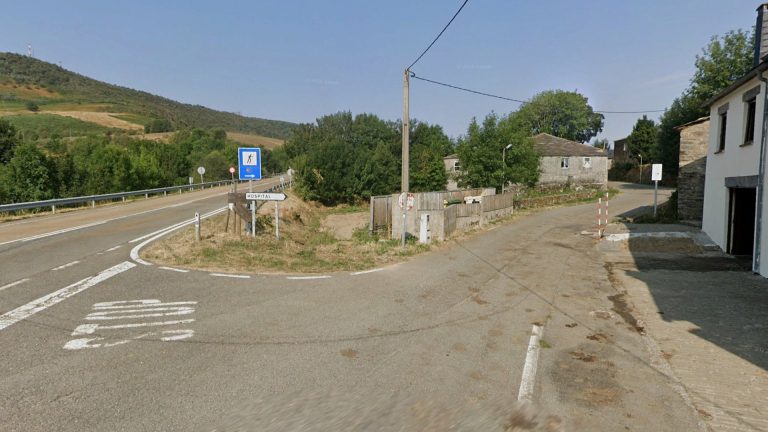
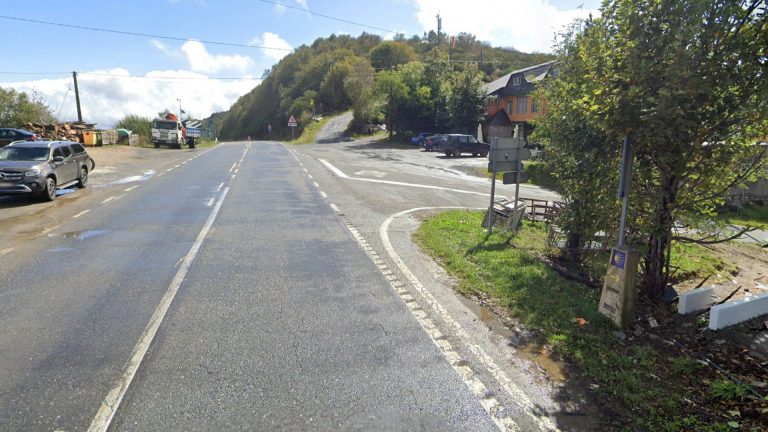
When you leave the shade-less, dusty path from Los Arcos behind you, a landscape opens up before you that represents the epitome of Navarrese vastness. The path leads you over gentle waves of ochre-coloured earth, past vines swaying in the hot wind, until suddenly a small, compact settlement appears on a hilltop on the horizon: Sansol. It is a place that seems almost to shimmer in the blazing afternoon light. The air is dry and carries the pungent, spicy scent of thyme and wild rosemary, fighting for survival in the ditches along the wayside. Your breath comes rhythmically, and the only sound interrupting the almost meditative silence is the grinding crunch of your boots on the calcareous ground and the distant chirping of cicadas, which truly come alive in the heat.
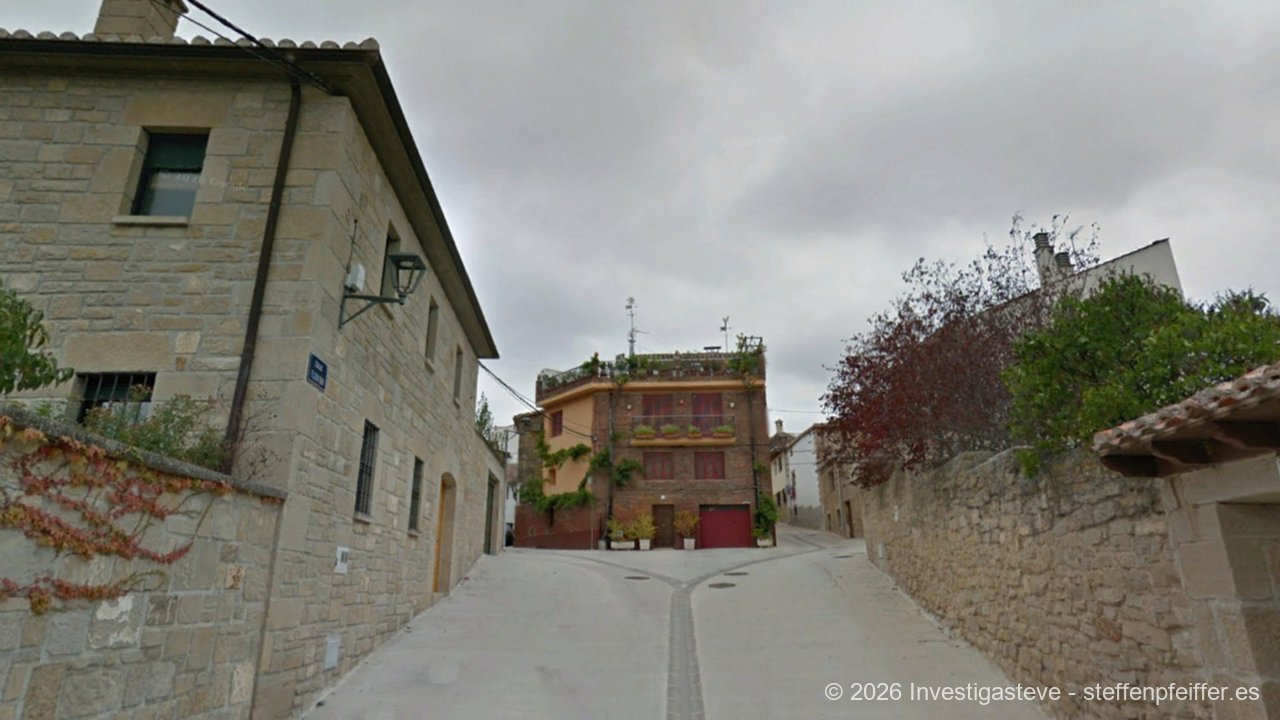
As soon as you reach the first houses, you feel the character of this place, which contrasts so pleasingly with the busyness of larger stage destinations. Sansol greets you with a tactile immediacy; the walls of the old houses are rough and radiate the stored warmth of the day, while the wind, constantly sweeping over the ridge, provides a cool breeze on your sweaty skin. It is a moment of psychological relief. You have left the open expanse behind you and enter a space of security. The alleys are narrow and sheltered from the wind, and the light breaks in sharp contrasts on the bright façades of the Baroque buildings. Up here, almost 500 metres above sea level, you feel a little closer to the sky and a little more removed from the world. It is an arrival marked not by noise, but by a deep, atmospheric density that immediately captivates you.
What This Place Tells
The history of Sansol is a narrative of constancy and a silent dialogue with its neighbouring village, Torres del Río, lying only a stone’s throw away in the valley. The name Sansol derives from Saint Zoilus (San Zoilo), a martyr from Córdoba whose veneration spread far north in the Middle Ages. Walking through the streets, you feel the historical causality in every stone. Once, this place was a significant encomienda of the Hospitallers, those knights of the Order of Saint John who had made it their mission to protect and care for pilgrims on their dangerous journey. This chivalric past still resonates in the proud architecture of the village. It is not merely a rural hamlet; it is a place with an aristocratic heritage, manifesting especially in the magnificent Palacio de 1702, commissioned by the Sancha de Azcona family. The coat-of-arms-adorned façades tell of a time when wealth from the fertile soils of the surrounding area was transformed into representative stone masonry.
The heart of the spiritual narrative, however, is the Iglesia de San Zoilo. In its Baroque splendour, it stands as a stone witness to the deeply rooted faith of the region. The architecture is designed to offer the pilgrim orientation from afar. Standing before the portal, you can almost tactilely sense the craftsmanship precision of the Baroque masters – the vaults, the carvings, the heavy oak door that opens access to a world of silence and contemplation. Inside, a cool, twilight atmosphere prevails, where the smell of old incense and cool masonry soothes the senses. It is a historical space that has withstood time, where the prayers of generations of walkers have condensed into an invisible but palpable aura.
Psychologically, Sansol is a place of observation. Due to its elevated position on the plateau, it offers an incomparable view down to Torres del Río. Historically, this was a strategic advantage, but for today’s pilgrim, it is a moment of reflection. You see the path still ahead of you and the place you will soon reach from a higher perspective. This spatial distance creates a mental clarity. The historical metamorphosis from a religious border fortress of the Hospitallers to a peaceful refuge for modern seekers of meaning is seamlessly tangible here. Sansol does not tell of great battles with a loud voice, but with the soft whisper of the wind in the alleys and the constancy of its Baroque walls of the power of endurance and the protection of faith.
Addresses & tips in Sansol
Camino Distances
The location of Sansol is ideal for all those who wish to avoid the silence of the large stage towns yet remain close to infrastructure.
| Previous Place | Distance (km) | Next Place | Distance (km) |
|---|---|---|---|
| Los Arcos | ca. 6.9 km | Torres del Río | ca. 0.9 km |
Sleeping & Arriving
Arriving in Sansol means shedding the burden of the day in an environment wholly dedicated to hospitality. When you cross the threshold of one of the local albergues, such as the Albergue Karmela, you immediately feel a change in your inner state. The often simple but lovingly managed hostels offer a tactile contrast to the rough outside world: cool tiled floors under burning soles, the smooth wood of the bunk beds, and the soft light filtering through the shutters. It is a space of reduction, where the essentials – rest, water, and a bed – acquire an almost sacred value. The psychological metamorphosis from walker to guest takes place here through the small gestures of the hospitaleros, who often know exactly what a pilgrim needs after the kilometres through Navarre.
The atmosphere upon arrival is characterised by a communal exhaustion that transforms into deep contentment in the evening hours. You hear the rhythmic clatter of walking sticks being placed in racks, the hiss of showers, and the distant murmur of conversations in various languages. Sansol, due to its small size, offers an intimacy often lost in larger towns. You do not remain anonymous; you share the moment of rest with others who have breathed in the same dust. The hostels often smell of freshly washed laundry drying on lines in the wind, mingled with the scent of olive oil and garlic from the kitchens.
Staying overnight here is particularly appealing because of the tranquillity. While in other places traffic or the bustle of everyday life is present, in Sansol an almost monastic silence reigns as soon as the sun disappears behind the hills. The light of the blue hour bathes the Baroque façades in a soft violet, and the cool of the night slowly creeps into the alleys. Lying in your bed, you feel the heaviness of your limbs and the softness of the blanket – a tactile pleasure perceived more intensely after a day full of deprivation. It is an arrival in your own body, a reconciliation with the exertion of the path.
In the private accommodations of the village, such as the Palacio de Sansol, this experience is enhanced by a historical note. Here you sleep within walls that have endured centuries. The thick stone walls keep out the heat of the day and hold in the silence. The psychological effect of this environment is immense: you feel part of a long tradition of hospitality. The simplicity of the pilgrim existence merges here with the sublimity of history into a deep feeling of security. Whoever spends the night in Sansol consciously chooses deceleration and is rewarded with a sleep as deep and restorative as the history of the place itself.
Eating & Drinking
The culinary world of Sansol is a homage to the honesty of the Navarrese earth. There is no pretentious gastronomy here, but dishes that taste of origin and handcraft. When you sit at one of the wooden tables in a bar or hostel, you are greeted by the scent of “Cordero al Chilindrón”, a lamb stew with peppers and tomatoes that has been gently simmering for hours. The first bite is a tactile experience – the tender meat virtually dissolves on the tongue, and the spicy sauce warms you from the inside out. It is food that not only satiates the body but also comforts the soul.
An essential part of every meal in Sansol is the local bread, which here often still has a firm, crusty rind that gives a characteristic crack when broken. It smells of grain and fire and is the perfect tool for soaking up the delicious sauces of the region. Almost always served alongside is a robust red wine, coming directly from the surrounding vineyards or nearby La Rioja. Swirling the wine in the glass, you see the deep ruby red, and the bouquet of dark berries and earth rises to your nose. The taste is tangy, honest, and carries the power of the sun. It is a moment of sensory fullness that stands in stark contrast to the barren landscape of the day.
The communal meals in the hostels of Sansol are also a psychological anchor point. You sit together, pass bowls of salad or carafes of wine, and for an hour, nationalities and backgrounds play no role. You share the experience of the path beyond the plate. The taste of olive oil, salt, and fresh vegetables becomes a universal language of community. Often, a simple dessert like “Cuajada”, a sheep’s milk pudding, cool and velvety, caresses the palate to finish. Eating in Sansol means tasting the causality of the landscape: from the barren soil, through the hard work of the farmers, to the honest enjoyment on the pilgrim’s plate.
Supplies & Logistics
Logistically speaking, Sansol is a small but highly efficient support point on the Camino Francés. Despite its small population, the place is perfectly adapted to the needs of pilgrims without losing its authentic character. The paths within the village are short, which is an invaluable relief for aching legs. Everything needed for a successful stopover can be found within a radius of a few hundred metres. The infrastructure here is a sign of the care the village has extended to its guests since the Middle Ages.
The supply of food is ensured by small shops or the offerings of the hostels. There is no huge supermarket, but that is precisely the appeal: you buy locally and support the community. The psychological effect of this reduction is remarkable; you learn again to make do with what is there, often discovering higher quality than in anonymous consumption temples. Those needing special equipment or medication must usually wait until Viana or Logroño, but daily provisions are well taken care of.
Shopping: A small convenience store (Tienda) offers basic foodstuffs such as fruit, cheese, and water. Ideal for provisions for the next stretch towards Viana.
Gastronomy: Several bars and hostel restaurants offer inexpensive pilgrim menus, known for their quality and down-to-earthness.
Accommodation: There is a good selection of albergues (private and church-run) as well as hostals and country houses for more privacy. The bed capacity is considerable relative to the size of the place.
Public Facilities: There are no banks or pharmacies in the village, but these are available in Torres del Río, only 900 metres away, or in the larger Los Arcos.
The logistical strength of Sansol lies in its tranquillity. Since the place is often perceived as a “suburb” of Torres del Río, it remains spared from the very large masses. This makes provisioning stress-free and personal. You do not have to queue; you are seen. This form of logistics – small, fine, and human – contributes significantly to the pilgrim’s relaxation. Those who leave Sansol do so with a well-provided body and a spirit that has experienced the uncomplicated nature of the place as true luxury.
Don’t Miss
In Sansol, there are some details and places you should absolutely experience with all your senses:
– The Mirador de Sansol: A viewpoint on the edge of the plateau that offers a view over the valley of the Río Linares across to Torres del Río. Here you feel the vastness of Navarre most intensely.
– The Iglesia de San Zoilo: Pay attention to the Baroque details of the portal and the tranquillity inside. A place that grounds you and forces you to pause.
– The Palacio de 1702: Observe the coat-of-arms-adorned façade of the former palace of the Sancha de Azcona family. A tactile testimony to Baroque splendour amidst rural simplicity.
– The light of the blue hour: When the sun sets, the colour of the sandstone transforms into a deep gold. A visual feast best enjoyed from one of the terraces.
– The residents’ herb gardens: In the narrow alleys, it often smells intensely of mint and basil, which the inhabitants grow in pots before their doors. An olfactory experience of a special kind.
Insider Tips & Hidden Places
A true insider tip for Sansol is visiting the small church square at midday, when most pilgrims have already moved on or are resting in their hostels. At this time, the square belongs almost exclusively to the few residents and the wind. When you sit on the stone bench, you feel the coolness of the shade cast by the mighty church wall, and you might hear the distant, rhythmic beating of a hammer or a neighbour’s call. It is a moment of total immersion in the real, unadulterated village life of Navarre. Time seems to have a different consistency here – it flows more slowly, almost viscous, allowing you to examine the details of the surroundings, like the small lichens on the masonry, very closely.
Another hidden place is the narrow path leading a short distance into the vineyards behind the village. Here, within two minutes, you are completely alone with nature. The ground here is particularly dusty, and the vines stand in rows like soldiers of a peaceful army. Standing there and breathing in deeply, you smell the mineral note of the earth and the fine sweetness of the grapes in late summer. It is a place of absolute psychological freedom, far from the markings of the path. Here you can let your thoughts wander while your gaze travels over the gentle hills to the horizon.
Those who look closely will find small, hand-forged door knockers in the shape of shells or hands on some of the older front doors. These tactile relics of a bygone era are small works of everyday art. Touching the cold surface of the iron connects you with the history of the people who opened and closed these doors over the centuries. It is these tiny discoveries that make a stay in Sansol so valuable – they require no ticket, only attention and an open heart.
Finally, mention should be made of the small fountain located somewhat off the main route. The water there is ice-cold and clear. There is hardly anything more refreshing than cooling your face and wrists there after the ascent from Los Arcos. The feeling of the ice-cold water on sunburned skin is a tactile revelation. It is a simple joy that reminds you how little is needed to feel alive and grateful. This fountain is no pompous monument, but a silent provider, offering exactly what you need in that moment.
Moment of Reflection
In Sansol, one often reaches a point of inner consolidation. The stage from Los Arcos is short enough not to be completely exhausted, but long enough to have felt the body. In this relative calm on the plateau, a psychological clarity often arises. You look back at the plains you have crossed and ahead to the mountains waiting on the horizon of La Rioja. Sansol is the place of the in-between. It is the perfect space to think about one’s own position in life: Where do I stand right now? What have I left behind, and what awaits me beyond the next bend?
The historical aura of the Hospitallers, who once stood guard here, adds an extra dimension to this reflective process. You feel protected and at the same time challenged to continue your own journey with dignity and perseverance. The vastness of the view corresponds with a vastness of the spirit. Here, above the valley of the Linares, the problems of everyday life often become small and insignificant, while the great questions of being gain weight. Take this moment of silence before you begin the short descent to Torres del Río. It is a gift of clarity that only a place like Sansol, with its unique blend of Baroque sublimity and rural tranquillity, can offer you.
Camino of the Stars
This place lies on the Camino Francés, on the stage from Los Arcos to Logroño. The sequence of places is:
Los Arcos → Sansol → Torres del Río → Ermita del Poyo → Viana → Logroño
Did you enjoy the wide view from the Mirador in Sansol while the wind carried away the heat of the day, or was it the Baroque silence of the Iglesia de San Zoilo that impressed you most? Share your most personal moments and photos of this sun-bathed plateau of Navarre with us. Perhaps you had a special encounter in one of the albergues or discovered your own insider tip? We look forward to hearing your story and keeping the Way alive together!
About the Author