A First Glance – Introduction & Atmosphere
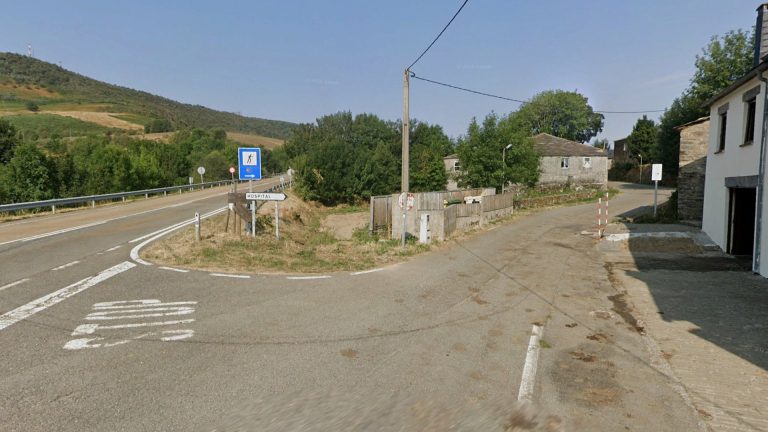
When you leave the shady protection of the forests around the monastery of Irache and step onto the gentle but steadily rising hills of Navarre, Azqueta slides almost imperceptibly into your field of vision. It is a place that does not impose itself, but nestles into the landscape like a still life fallen out of time. The path there leads you through a mosaic of vineyards and grain fields that change their colours with the rhythm of the seasons – from a delicate, spring-like green to a deep, dusty ochre in high summer. Azqueta first appears to you as a cluster of massive, weather-beaten stone buildings clinging tightly to the slope, as if seeking mutual protection from the relentless wind that often sweeps over the open high plains. It is a sight of archaic constancy that inevitably forces you to slow your step and lift your gaze from the ground.
The atmosphere that greets you as you enter the narrow alleys of Azqueta is imbued with an almost tangible, sacred silence. It is that moment of the day when the world seems to hold its breath. Acoustically, the distant, rhythmic clicking of your own walking sticks on the rough asphalt and cobblestones dominates, a sound that echoes off the thick walls of the houses and creates a strange intimacy. You hear the soft rustling of leaves in the few house gardens and perhaps the distant, melancholic ringing of a bell, sounding like an echo from a long-past era. Tactilely, you feel the change in the ground – the yielding of the soft earth gives way to the unyielding hardness of stone, and the warmth radiating from the ochre-coloured façades settles like an invisible cloak around your shoulders. It smells here of dry earth, of the pungent scent of wild thyme, and of that very special freshness that only mountain villages possess in the early morning hours. Psychologically, arriving in Azqueta is a moment of centring. After the distraction of the wine fountain of Irache and the wide expanses before, this village challenges you to focus on the essentials: the path, your body, and the silence surrounding you.
What This Place Tells
Azqueta is a palimpsest of Navarrese history, a stone witness to the historical causality between faith, defence, and the eternal stream of pilgrims. The origins of the place are lost in the mists of the Middle Ages, yet its architecture speaks a clear language. The houses, often adorned with impressive stone portals and proud coats of arms, tell of a time when this part of the Kingdom of Navarre was a strategically important border region. Every wall, every archway was built to last. The massive construction was not merely aesthetic but a necessity in a region that, over centuries, was the scene of political tensions and military conflicts. Yet the true purpose of Azqueta was always the shelter and protection of those on their way to the Apostle’s tomb. In the historical metamorphosis of the place, Azqueta transformed from a fortified settlement into a quiet harbour of hospitality, without losing its rough, proud character.
At the centre of the spiritual narrative stands the Iglesia de San Jorge. This parish church, whose foundations date back to the 16th century, is a masterpiece of the transitional period between Late Gothic and Renaissance. Standing before it, you feel the tactile impact of the stone, worked by generations of stonemasons to defy eternity. The interior of the church is a space of total immersion in Navarre’s religious fervour. The smell of old wood, cool incense, and the twilight silence envelops you immediately. Psychologically, this space acts like an anchor; it reminds you that the Camino is not a mere sporting event, but a journey through a deeply rooted cultural heritage. The altarpieces tell stories of saints and martyrs whose steadfastness has served pilgrims for centuries as an example. Historical causality becomes tangible here: without this deep faith, Azqueta would not exist in this form, and without the protection of this place, the path for many pilgrims of earlier eras might have ended here.
But Azqueta also tells a more recent, almost legendary story, inextricably linked with the name Pablito Aguinaga. Pablito, the widely known “Bastonero” of Azqueta, was an institution on the Camino Francés for decades. His workshop was a place of tactile revelation. He crafted walking sticks from the woods of the surroundings – mostly hazel or ash – that were more than just supports. They were companions. Pablito gave these sticks to pilgrims or passed them on for a small donation, always accompanied by good advice or an encouraging story. This tradition has durably shaped the psychological profile of Azqueta. It is the village of support, the place where one finds physical and mental balance again. Even though Pablito is no longer with us today, his spirit resonates in every alley. The historical causality of his work shows in the fact that Azqueta remains in many pilgrims’ memories as the place where they received not just a piece of wood, but a piece of confidence for the upcoming ascent to the Monjardín.
Addresses & tips in Azqueta
Camino Distances
Azqueta is strategically nestled in the gentle undulations of the stage between Estella and Los Arcos. It marks the transition from the wooded hill zone to the more open, agricultural high plain.
| Previous Place | Distance (km) | Next Place | Distance (km) |
|---|---|---|---|
| Ayegui / Irache | ca. 4.8 km | Villamayor de Monjardín | ca. 1.8 km |
Sleeping & Arriving
Arriving in Azqueta is fundamentally different from arriving in the large towns of the Way. There is no bustle, no screaming advertisements, no hustle. When you cross the threshold of the village, it is as if you are sinking into a soft cloud of tranquillity. Your nervous system, often in a state of alarm due to the exertion of the march and the stimuli of the environment, immediately begins to wind down here. The physical act of arriving becomes a psychological process of deceleration. You are not simply looking for a bed; you are seeking a space that receives you. In Azqueta, you find exactly that: an almost maternal sense of security within the old walls of the few but excellently managed hostels.
The Albergue La Perla Negra is a prime example of this form of hospitality. When you enter, you are often greeted by the smell of freshly brewed herbal tea and cleaned wooden floors. Tactilely, you experience the quality of rest – the mattresses are firm, the bed linen smells of wind and sun, and the thick stone walls keep out the heat of the day while preserving the coolness at night. It is a place of total sensory regeneration. You hear the soft murmuring of other pilgrims in the communal kitchen, an acoustic sign of shared fate and mutual respect. Here, arriving becomes a ritual laying down of burdens, not only the physical load of the backpack but also the mental load of doubts and worries carried kilometre after kilometre.
The psychological experience of the night in Azqueta is marked by a deep silence that is scarcely found in our modern world. When the light of the streetlamps falls on the rough façades and the wind sings in the distant vineyards, a feeling of absolute security sets in. The historical continuity of the place as a refuge becomes tangible here. You sleep in a building that may have hosted wanderers 200 years ago. This connection to the past gives you a steadfastness you will need for the coming day. Sleeping in Azqueta means submitting to the rhythm of nature and history and drawing an immense inner strength from it.
Especially for pilgrims who have avoided the mass accommodation in Estella, Azqueta is a blessing. It is the place for the “quiet” pilgrims, for those seeking dialogue with themselves. Arriving here is not defined by a stamp in the Credencial, but by the deep exhalation when you sit on the stone bench in front of the hostel and watch the sun sink behind the hills of Monjardín. It is an arrival in the here and now, a five-dimensional immersion into the peace of a Navarrese mountain village that knows exactly what a weary walker needs: silence, shade, and the certainty of being welcome.
Eating & Drinking
The cuisine in Azqueta is a homage to the honesty of the Tierra Estella region. Here, one does not cook for the gourmet’s eye, but for the stomach of the hard-working walker. When you sit down in the village’s only bar-restaurant, the Azketako, you are greeted by a blend of aromas that immediately triggers salivation: the scent of garlic cloves slowly braised in olive oil, the pungent smell of chorizo, and the earthy note of chickpeas. The kitchen here is tactile – you feel the texture of the crusty country bread, so firm it serves as a side to every meal, and you taste the intensity of the local olive oil, shimmering greenish-gold on the plate.
A classic dish you should try here is the “Tortilla de Patatas”, often freshly prepared right after ordering. The sizzle of the egg in the hot pan is the acoustic overture to a feast of the senses. When you take the first bite, the creaminess of the interior combines with the light crust of the exterior to create a psychological moment of well-being that makes all the day’s hardships fade away. Alongside, you drink a robust red wine from Navarre that tastes of dark berries and the heat of summer. The wine in Azqueta is not a drink, but a food; it gives strength, calms the nerves, and fosters conversation with fellow pilgrims at the neighbouring table. Olfactorily, the meal is complemented by the scent of the surrounding vineyards, which have provided the raw material for this enjoyment.
For dessert, there is often the typical “Cuajada”, a sheep’s milk pudding traditionally prepared with a glowing stone in a wooden vessel (Kaiku), which gives it a very light smoky note. The tactile feeling of the cool pudding on the palate, combined with the sweetness of honey, is the perfect conclusion to a day on the Camino. Eating in Azqueta means having the causality of the landscape on your plate. Everything comes from here, everything is real. This culinary realism has a psychologically grounding effect; it reminds you that you are part of this cycle of nature and culture. Here, eating becomes a sacrament of regeneration, preparing you physically and mentally for the steep ascent to the Castillo de Monjardín.
Supplies & Logistics
Logistically, Azqueta is a small but highly efficient outpost of civilisation. You should not expect shopping centres or specialised outdoor shops here, but that is precisely the appeal and the psychological challenge. The place forces you to reduce yourself to the essentials. Provisioning concentrates on the bare necessities, but what is available impresses with quality and warmth. It is a form of logistics based not on abundance, but on care.
The paths within the village are short, which is an invaluable relief for pilgrims with aching feet. Everything is within walking distance in a few minutes. You feel the historical causality of a settlement that grew up around the fountain and the church – the paths are organic, almost intuitive. Those who stop in Azqueta usually do so consciously to avoid the hustle of the larger supply points. You do not simply buy water or a banana here; you exchange words with the locals, who have accepted the pilgrim stream as part of their life rhythm.
Shopping: A small grocery shop or the offerings in the bar supply you with the essentials for the next day. Fruit, nuts, and bread are usually available in excellent quality.
Gastronomy: The bar-restaurant Azketako is the social centre and offers hearty pilgrim fare as well as refreshments.
Accommodation: The Albergue La Perla Negra and private lodgings provide sufficient capacity for those seeking peace.
Public Facilities: Medical care is available on a small scale through the community centre, but for banks or pharmacies you must use the short distance to Estella or Villamayor de Monjardín.
The logistical conclusion for Azqueta must include a warning about the upcoming ascent. From here, the climb to the Monjardín begins, meaning you should definitely refill your water supplies in Azqueta. It is the last point of relative flatness before your legs are again properly challenged. This logistical preparation has a strong psychological component: those who leave Azqueta well-supplied head into the mountains with a different confidence. The logistics of the place are thus a tool of mental strengthening, a silent helper in the background of the great journey.
Don’t Miss
In Azqueta, there are details that only reveal their full splendour upon closer inspection. Take the time for these discoveries:
– The Iglesia de San Jorge: Pay attention to the Late Gothic portal; the weathering of the stone tells more about time than any history book.
– The workshop of Pablito: Even though he is no longer here, many pilgrims seek out the place where the famous sticks were made. A place full of spiritual resonance.
– The coats of arms on the façades: Look for the stone insignia of the old nobility; they are tactile witnesses of the place’s former significance.
– The view back towards Estella: When you leave the place heading west, turn around once more. The view of the village’s silhouette against the backdrop of the distant mountains is a visual masterpiece.
– The village fountain: The water here is ice-cold and clear – a tactile delight for tired hands and an acoustic highlight in the silence of the place.
Insider Tips & Hidden Places
A true insider tip for Azqueta is visiting the small cemetery, located slightly off the main route at the edge of the village. It may sound macabre, but the cemeteries in Navarre are places of incredible, almost ethereal peace. Here, it smells of cypresses and dry grass. The acoustics are even finer than in the village itself; you only hear the distant whistling of the wind in the crevices of the stone walls. Psychologically, this place offers a deep ## Moment of Reflection about your own mortality and the permanence of the path you are treading. It is a place of total stillness, where time seems to stand still.
Another hidden place is the narrow path leading behind the church of San Jorge into the vineyards. While most pilgrims stubbornly follow the yellow arrows, this small detour of only a hundred metres offers a completely new perspective on the village. From here, you see how Azqueta has virtually grown out of the rock. You are alone with the vines, and the smell of earth and vegetation is so intense here that it is almost intoxicating. Tactilely, you can touch the leaves of the vines, feel the rough surface of the grapes, and physically trace the connection between the soil and the wine you will drink in the evening.
Those who look closely will find small, almost invisible symbols carved into the stone at some doorways – crosses, scallop shells, or simple geometric shapes. These tactile relics of popular piety are silent witnesses to the millions of pilgrims who have passed through here. Finding them is like a treasure hunt and connects you on an almost mystical level with the historical causality of the Camino. It is these tiny details that turn Azqueta from a mere waypoint into a place of personal discovery.
Finally, the “Place of Encounter” should be mentioned, a small, inconspicuous widening in one of the alleys where the older residents of the village often sit on their chairs in the late afternoon. If you dare to greet them warmly, you often experience a cordiality that needs no words. The psychological experience of this human warmth in such a small, isolated place is one of the most valuable experiences on the Way. It is the insider tip for the heart: the realisation that we are all wanderers, whether we walk 20 kilometres a day or sit in front of our house all day and watch the world go by.
Moment of Reflection
In Azqueta, one often reaches a point of inner consolidation. The first major physical crisis of the journey is usually behind you, and the body begins to get used to the daily strain. Here, in the face of the massive stone walls and the unshakeable tranquillity of the place, a deep psychological clarity often sets in. You look at your walking stick – perhaps even one from Azqueta – and recognise that it is a symbol of your life on the Way. It supports you, it gives you rhythm, but you must carry yourself.
In the silence of this village, ask yourself: What are my inner “bastones”? What gives me support when the path becomes steep, as the ascent to the Monjardín will be tomorrow? The historical metamorphosis of Azqueta shows us that through constancy and focus on the essential, one can also survive the stormiest times. This tactile and spiritual grounding is the greatest gift Azqueta makes to the pilgrim. Take this moment of reflection with you into your sleep under the old roofs of the village; it will be the foundation on which you climb the next summit tomorrow.
Camino of the Stars
This place lies on the Camino Francés, on the stage from Estella to Los Arcos. The sequence of places is:
Estella → Ayegui → Irache → Azqueta → Villamayor de Monjardín → Los Arcos
Did you also feel that deep silence in Azqueta that allows a completely new view of your own path? Or perhaps you even have a story about a walking stick from this special village to share? We look forward to your personal impressions, your photos of the Baroque stonework, or your own insider tips from the alleys of Azqueta. Share your journey with us and let us keep the legends of the Camino alive together!
About the Author