A First Glance – Introduction & Atmosphere
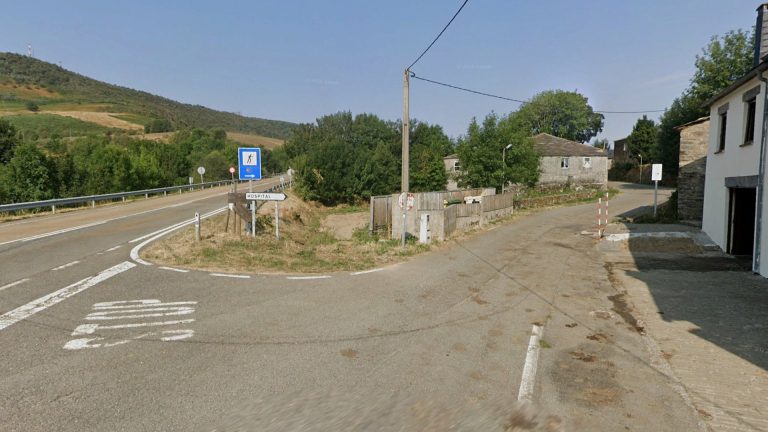
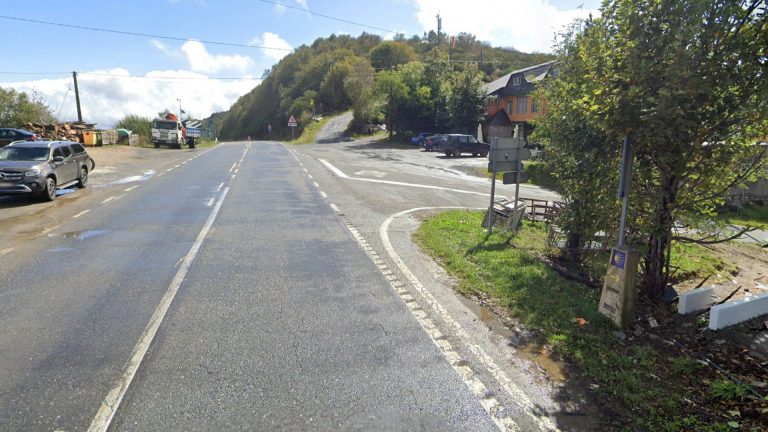
When you have left the dusty paths of the Montes de Oca behind you and the last foothills of wild solitude fade at your back, Burgos does not announce itself quietly. It begins with a hard, almost brutal contrast. After days of silence and the earthy scents of pines and damp moss, you are swallowed by the urban reality of the Gamonal district. The acoustics of your journey change radically: the rhythmic click of your hiking poles on soft forest floor gives way to the aggressive echo of asphalt and concrete. The smell of exhaust fumes and bustling activity settles like a foreign veil over your senses. Yet this industrial belt is only the rough shell of a city that has preserved an almost otherworldly sublimity at its core. The deeper you push toward the center, the more you feel the city beginning to embrace you. The monotonous roar of traffic is gradually overlaid by the gentle flow of the Río Arlanzón, whose green riverbank promenades act like a lung for the exhausted lungs of the walker. Here, in the shade of the ancient plane trees of the Paseo del Espolón, the texture of the air changes – it becomes cooler, more humid, and carries within it the promise of stone and history.
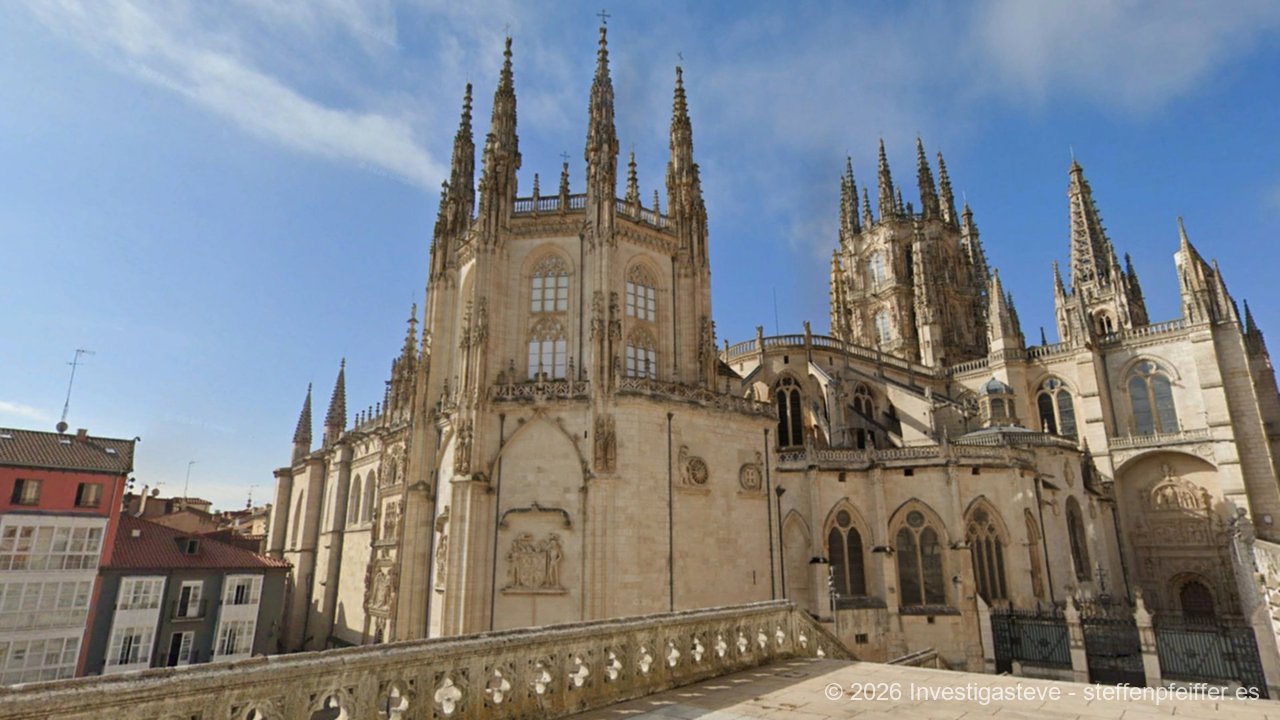
The moment you pass through the Arco de Santa María is a psychological caesura of immense power. It is as if you are crossing an invisible boundary between the profane world of modernity and the sacred heart of Castile. Suddenly, you stand before it: the Cathedral of Burgos. Its sight is a tactile shock for the eyes. The filigree stonework does not appear hewn from dead material, but like a living, petrified tissue of faith and ambition. The ground beneath your feet, the smooth-polished pavement of the Plaza de Santa María, feels almost unrealistically solid after the uneven paths of recent days. It smells here of incense seeping from the heavy portals, mingled with the aroma of freshly roasted coffee from the surrounding cafés. The silence that lies over the square despite the crowds is of a reverent quality. You feel the immense dimension of the city not only in its architecture, but in the emotional metamorphosis it triggers within you. Burgos is the place where you realize that you are no longer just a hiker, but part of a millennia-old procession of hope.
The mood in the narrow alleys of the old town is marked by a proud, almost aristocratic composure. At dusk, when the warm light of the streetlamps bathes the ochre limestone walls in a golden glow, the boundaries of time blur. You hear the distant ringing of bells, a deep, vibrating bass that echoes directly in your chest and reminds you of transience, while the massive walls around you whisper constancy. The coolness that wafts from the deep doorways and narrow church portals is a physical balm for your sun-tanned skin. Arriving in Burgos means pausing for a moment, before the great emptiness of the Meseta reaches out for you. It is a city that challenges you, almost crushes you with its splendor, and at the same time gives you the security of a stone refuge. Here, between the shadows of El Cid and the towers of the cathedral, your pilgrimage finds an anchor point that mentally equips you for the challenges ahead.
What This Place Tells
The history of Burgos is a chronicle of power, trade, and unshakeable faith. The city was founded in the year 884 by Count Diego Rodríguez Porcelos on the orders of King Alfonso III as a military outpost in the fight against the Moors. This strategic causality is still palpable in the cityscape today: the city was not simply built, it was fortified. The Castillo hill, which towers over the center, tells of the necessity of defense that made Burgos a bastion of Castile. In the 11th century, the city’s identity changed once more when it rose to become the capital of the united kingdom of Castile and León. It was the time of the legendary Rodrigo Díaz de Vivar, known as El Cid, whose presence in Burgos is as ubiquitous as the wind that sweeps over the plateau. His fate – the oscillating movement between exile and heroic return – reflects the psychological DNA of the city: Burgos is a place of departure and proud perseverance.
In the Middle Ages, Burgos developed into a global trading center, driven by the privilege of the “Mesta,” the powerful sheep breeders’ guild. The wool of the Merino sheep was the “white gold” of Castile and made the city immensely wealthy. This wealth flowed directly into the stone of the cathedral, whose construction began in 1221 and lasted over 500 years. When you look at the facade, you see not just art, but the economic power of a city that dominated Europe. The historical causality here is fascinating: without the hard ground of the Meseta and the tenacity of the Castilian sheep, this Gothic dream of limestone would not exist. Burgos was the place where the riches of the north met the spirituality of the south. The cathedral, the only religious building in Spain to carry the title of UNESCO World Heritage Site as a single object, is the stone proof of this fusion. It tells of the architects from Cologne and Reims who carried their visions into the Castilian sky, thus building a bridge between cultures.
Yet Burgos also tells quieter, darker stories. In the walls of the Monasterio de las Huelgas Reales or the Cartuja de Miraflores, one feels the psychological weight of royal burials. Here, power lies in agony; magnificent alabaster tombs tell of the longing for immortality. The city was also a center of the Inquisition and strict religious order, which has left an atmosphere of discipline and seriousness. During the Spanish Civil War, Burgos served as the seat of the national government, a chapter that still lies in the city’s memory like a deep shadow beneath the bright limestone. This multi-layered historical depth gives Burgos a gravitas that profoundly impresses the pilgrim. You understand here that history consists not only of dates, but of the will of people to wrest monumental meaning from the barren soil. Burgos is the essence of Castile – proud, serious, deeply rooted, and yet always ready to let its gaze wander over the distant horizon.
Addresses & tips in Burgos
Camino Distances
🗺️ After crossing the Montes de Oca, Burgos forms the monumental stage destination before the path leads into the vast silence of the Meseta.
| Previous Place | Distance (km) | Next Place | Distance (km) |
|---|---|---|---|
| San Juan de Ortega | ca. 24.4 km | Villalbilla de Burgos | ca. 5.5 km |
Sleeping & Arriving
Arriving in Burgos is associated with emotional overwhelm for many pilgrims. When you finally reach the city center after the long march through the suburbs and see the towers of the cathedral, the exhaustion of recent days often bursts forth in a cathartic way. The urban infrastructure here offers everything the heart desires, yet most pilgrims are drawn to the “Albergue Municipal de Peregrinos de Burgos” right next to the cathedral. The building itself is an architectural wonder of integration – a modern interior within a historic shell. When you put down your backpack there, you hear the bustling activity of hundreds of people from all over the world. It is an auditory shock after the solitude of the forests, a Babylonian confusion of languages that reminds you that the Camino is a global community. The tactile experience of a hot shower in these modern facilities feels like pure luxury after the often spartan accommodations of recent days.
Psychologically, Burgos marks a turning point. You finally leave the mountains behind and prepare for the Meseta. Many pilgrims decide to take a rest day in the city to process the emotional metamorphosis. You see them sitting on the benches along the Arlanzón, feet in the grass, gazing at the massive city wall. It is a moment of contemplation. In the numerous hostels and hotels of the city, you also find the opportunity to completely disconnect from the pilgrim rhythm for a night and be a citizen of the world again. The sheets here are often whiter, the towels softer, and the silence in a private room offers the space the soul needs to sort through the impressions of the last weeks. The smell of fresh laundry and high-quality soaps in the boutique hotels of the old town forms an olfactory contrast to the dust of the path.
Yet the true arrival does not take place in the hostel, but on the street. When you stroll through the Calle San Lorenzo or Calle Sombrerería in the evening, you become part of a ritual “paseo.” The locals and pilgrims mingle into a living stream. The tactile feeling of the warm evening, the clinking of glasses, and the laughter of people create an atmosphere of lightness. You feel the tension of hiking falling away from you. The city takes you in, offers you protection and entertainment. At the same time, there is this underlying anticipation of what is to come. Burgos is the last bastion of urban life before the great solitude. You not only gather strength in your muscles here, but also images in your mind that will carry you through the coming, treeless stages.
The night in Burgos is never completely quiet. You hear the distant echo of footsteps on the pavement, the occasional rumble of a cleaning vehicle, and again and again the bells of the cathedral calling the quarter-hours into the night. This acoustic presence of time gives you a feeling of security. You sleep in the arms of a city that has housed pilgrims for over a thousand years. When you wake the next morning, as the sun slowly rises over the Castillo hill and bathes the city in a soft pink, you feel a new clarity. Arriving in Burgos has cleansed and strengthened you. You do not leave the city as the same person who entered it the day before. You take the heaviness of the stone and the lightness of the spirit with you on the way to Hornillos del Camino.
In the private albergues such as the “Albergue Casa de Cubos” or the “Albergue La Huella,” you experience a more familial atmosphere, often combined with modern design. The tactile experience of wood and glass in these renovated buildings shows the modern side of the city. You feel the pride of the hospitaleros here, who see their city as the heart of the Way of St. James. The care of pilgrims in Burgos is not a service, it is a calling. Whether you sleep in a simple bunk or in a luxurious hotel, Burgos gives you the feeling of being exactly in the right place to catch your breath before the path releases you again into its relentless yet healing vastness.
Eating & Drinking
The gastronomy of Burgos is a powerful ode to the Castilian earth, a cuisine that makes no compromises and satisfies the pilgrim with a tactile and gustatory intensity unlike any other. The undisputed emblem is the “Morcilla de Burgos” – a blood sausage that acquires a unique texture through the addition of rice. When you are served it fried crispy on a piece of rustic bread, you experience a sensory revelation. The scent of onions, paprika, and blood mingles with the aroma of roasted grain. The first bite is a tactile experience: the crispy skin, the soft, grainy filling, and the pleasant spiciness of the Pimentón de la Vera. It is the essence of Castile in a sausage – nourishing, honest, and full of character. Many pilgrims claim that the Morcilla is the real reason for the hard march through the Montes de Oca.
Another culinary highlight is the “Queso de Burgos,” a fresh cheese made from sheep’s milk, as white and pure as the limestone of the cathedral. It tastes of freshness, of cool water, and has an almost jelly-like, delicate consistency that melts on the tongue. It is the perfect companion to the heavy wines of the region. And here we come to the liquid heartbeat of the city: the Ribera del Duero. Although the growing areas lie somewhat to the south, Burgos is the showcase for these monumental wines. A glass of Crianza in one of the bars on Calle San Lorenzo is more than just a drink; it is an olfactory journey into the depths of the earth. You smell dark berries, leather, tobacco, and the vanilla notes of the oak barrels. The wine has a structure that lines the palate like velvet, and a power that immediately fills the weary limbs of the pilgrim with new energy.
In the restaurants around the Plaza Mayor, “Lechazo” is celebrated, the milk-fed lamb that is roasted in wood-fired ovens (hornos de leña) until the meat almost falls off the bone by itself. The smell of burning holm oak wood and roasting fat fills the streets of the old town at midday. It is an archaic culinary experience that connects you deeply with the agrarian tradition of the Meseta. But Burgos can also be modern. The city was named the Spanish gastronomic capital and offers innovative tapas variations that reinterpret traditional ingredients. An auditory delight is the lively bustle in the tapas bars, the “tapeo,” where the clatter of plates and the laughter of people form a symphony of joie de vivre. Eating here means absorbing the vitality of Castile. Every sip and every bite sears a memory of abundance and enjoyment into your mind, preparing you for the barrenness of the coming days.
Supplies & Logistics
Burgos is the ultimate supply center for the pilgrim, a logistical oasis that leaves no wish unfulfilled. After spending days or weeks in smaller villages, the city offers the opportunity to perfect your equipment, replenish supplies, and clarify all technical or medical needs. Here you find specialized outdoor shops like “Deportes Manzanedo,” where experienced staff know exactly which socks help against blisters or which hiking pole is best suited for the Meseta. It is a psychological reassurance to know that you can replace or optimize every part of your equipment here. The logistical professionalism of the city is impressive; you sense that Burgos has functioned as a service center for travelers for centuries.
Shopping: Throughout the city center, you find supermarkets like Mercadona or Carrefour Express, as well as numerous specialized delicatessens for provisions. The “Mercado Norte” market hall offers the freshest regional products for self-caterers.
Gastronomy: The selection ranges from cheap pilgrim menus in the hostels to Michelin-starred restaurants. The density of tapas bars on Calle San Lorenzo and Calle Sombrerería is legendary.
Accommodation: With over 20 specialized pilgrim accommodations, countless guesthouses, and luxury hotels like the “Landa” (slightly outside) or the “Palacio de los Blasones,” every budget is catered for.
Public Facilities: Burgos has first-class hospitals (Hospital Universitario de Burgos), numerous pharmacies, an extensive bus and train network (Rosa de Lima station), and countless ATMs. The main tourist office opposite the cathedral is a goldmine of information.
The logistical importance of Burgos also extends to the digital world. There is high-speed Wi-Fi almost everywhere, ideal for digital nomads who need to upload their reports or plan their onward journey. The postal service (Correos) offers specialized services for backpack transport or sending packages home, which many pilgrims use to get rid of superfluous items before the Meseta. In summary, Burgos is the place where you press your “reset button.” You repair your body, your equipment, and your mind. When you leave the city through the park of El Parral, you should be logistically perfectly prepared, because the coming stages will offer you significantly less infrastructure. The city releases you as a perfectly equipped pioneer into the vastness of Castile.
Don’t Miss
– Cathedral of Burgos: The Gothic masterpiece is an absolute must. Take at least three hours to admire the Escalera Dorada, the tomb of El Cid, and the famous “Papamoscas” (the flycatcher), a mechanical clock figure.
– Monasterio de las Huelgas Reales: A fascinating Cistercian convent on the outskirts of the city. It houses royal tombs and a textile museum with medieval garments that transport you tactilely to the time of the kings.
– Cartuja de Miraflores: About three kilometers from the center lies this Carthusian monastery in the Fuentes Blancas park. The gilded altarpiece by Gil de Siloé is one of the most spectacular works of art of the late Gothic period worldwide.
– Castillo de Burgos: Climb up to the castle hill. From the ruins of the fortress, you have the best 360-degree view over the city and can see the further course of the path into the Meseta.
– Museo de la Evolución Humana (MEH): Burgos is the gateway to the Atapuerca excavations. This state-of-the-art museum shows the origins of humanity in Europe in a way that makes you think deeply about our existence.
– Paseo del Espolón: The magnificent promenade along the Arlanzón is the place to see and be seen. The intertwined trees and the statues of the kings create a unique atmosphere for an evening stroll.
– Arco de Santa María: The monumental city gate that once served as the town hall. It appears like a stone picture book of the city’s history and is the perfect entry point to the old town.
Insider Tips & Hidden Places
A true insider tip in Burgos is the “Mirador de San Esteban” directly behind the church of the same name. While the masses crowd in front of the cathedral, you find almost monastic silence up here. You look directly at the back of the cathedral and its countless pinnacles and gargoyles. In the evening sun, the limestone glows in an almost unreal orange. You hear only the distant murmur of the city and the chirping of the swallows. It is the perfect place for a private reflection on your journey so far, far from the tourist hustle. The psychological effect of this perspective – looking down on the monumental sanctuary – gives you a feeling of freedom and overview.
Another hidden place is the “Iglesia de San Gil Abad” in an unassuming side street. From the outside it appears plain, but inside there are chapels that are hardly inferior to the cathedral in detail and splendor. Especially the carved altarpiece of the Chapel of Sorrows is a tactile masterpiece of wood and gold. It smells here of old wax and centuries-old silence. Here you can experience the deep popular piety of Burgos in its purest form, undisturbed by camera flashes. It is a place of emotional grounding that shows you that true beauty often waits in the side streets of life.
If you want to escape the hustle and bustle, take a walk to the “Hospital del Rey,” which is now part of the university. The magnificent Renaissance portal is a tactile pleasure for the eyes. In the university gardens, the young life of the students mingles with the centuries-old pilgrim tradition. It is an auditory pleasure to listen to the murmuring of the students in the cloisters while feeling the spirit of the old hospitaleros yourself. Here, historical causality comes alive: education and care have always been siblings on the Camino. This place gives you new energy, a mixture of historical depth and youthful optimism.
Pay attention to the small “scallop shells” in the pavement of the old town that do not mark the official path, but lead to hidden courtyards or small craft businesses. On Calle San Lorenzo, there is a tiny bakery, hardly larger than a wardrobe, that bakes the best “Almendrados” (almond cookies) in the city. The smell of roasted almonds and sugar wafts through the alley like a sweet temptation. These small discoveries are the true treasures of Burgos. They teach you that the Camino consists not only of the great monuments, but of the small, tactile pleasures of daily life. These hidden delights are the fuel for your soul when you leave the city the next day.
Moment of Reflection
Do you stand in Burgos as a tourist admiring the cathedral, or as a pilgrim who reflects their own path within its walls? The city is a powerful test of your inner alignment. Amidst the splendor and abundance, the question of the “why” of your journey often becomes louder than in the solitude of the forests. The cathedral with its infinite details challenges you to also pay attention to the subtleties in your own life. Are you ready to let go of the outer monumentality to find the inner greatness? Burgos is the place where you must decide: do you stay in the security of the walls, or do you dare the step into the emptiness of the Meseta?
Perhaps you recognize here that true strength does not lie in building fortresses, but in the ability to walk through them. The historical causality of Burgos shows us that everything great has arisen from small beginnings and hard work. This gives you the psychological strength for your own challenges. When you leave the city through the arch of Santa María, you take not only photos with you, but a new firmness within yourself. Burgos has taught you that faith and ambition can move mountains – or at least carry you over them. Are you ready to leave the stone crown of Castile behind to seek the golden crown of the fields?
Camino of the Stars
This place lies on the Camino Francés, on the stage from San Juan de Ortega to Hornillos del Camino. The sequence of places is:
San Juan de Ortega → Agés → Atapuerca → Villalval → Cardeñuela Riopico → Orbaneja Riopico → Villafría → Burgos → Villalbilla de Burgos → Tardajos → Rabé de las Calzadas → Hornillos del Camino
Did the Gothic force of the Cathedral of Burgos also leave you speechless, or was it the taste of the Morcilla in a small bar on Calle San Lorenzo that warmed your heart? Perhaps you gained a whole new perspective on your path from the Castillo hill or found a silence in the Cartuja de Miraflores that you will never forget? Share your experiences, your photos, and your very personal metamorphosis in this proud city with us via the contact form – we look forward to your story, in whatever language of the way!
About the Author