A First Glance – Introduction & Atmosphere
When you have left the last outlying areas of Burgos behind you and the city slowly sinks into the haze of the plain, a new era of your journey begins. The path to Hornillos del Camino is an initiation into the true essence of the Meseta. The landscape expands with a force that can initially overwhelm the mind. You walk over an ochre sea of rolling grain fields, bounded only by the deep blue of the Castilian sky. The air here, at almost 900 meters elevation, is of a cutting purity; it tastes of dry limestone, of the tart aroma of withered thistles, and, when the sun reaches its zenith, of the heavy, almost metallic scent of the heated earth. The sound of your own hiking poles, striking the cracked marl ground in an unrelenting rhythm, becomes the dominant soundtrack of your existence – a rhythmic clicking that echoes for miles in the infinite silence of the plateau.
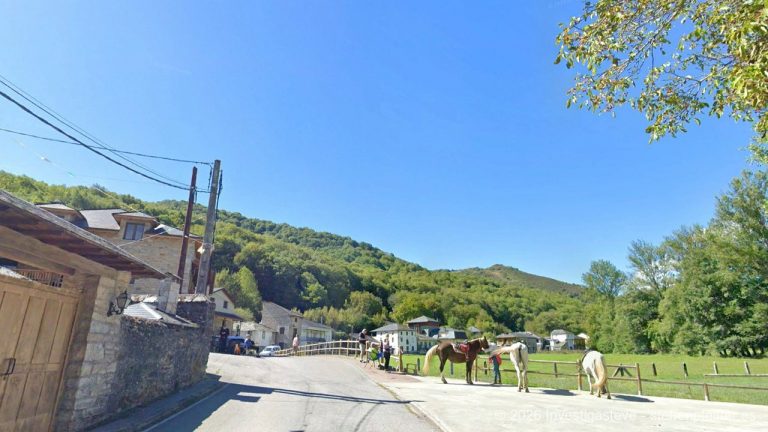
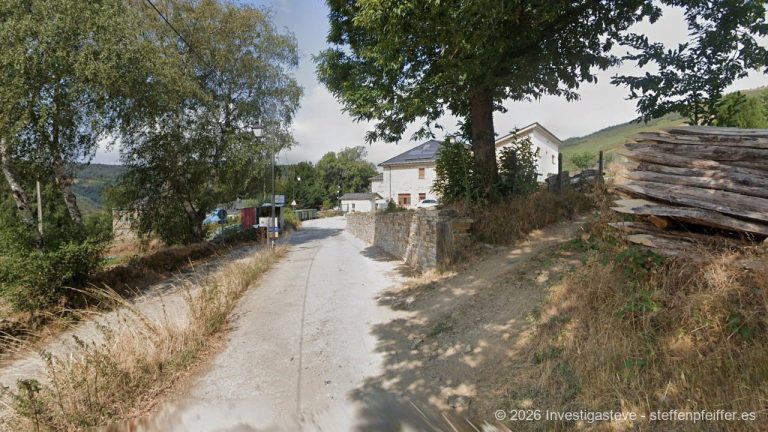
Arriving in Hornillos del Camino is a psychological experience of a special kind. Long before you enter the village, you see it lying as a small, compact island in the sea of fields. It crouches in a gentle hollow of the valley of the Río Hormazuela, as if seeking shelter from the lashing winds that sweep unhindered over the plateau. When you begin the descent, the texture of your surroundings changes. The glaring light of the plateau breaks on the lime-white and ochre facades of the houses, which stand so close together that they form a protective unit. You feel the tactile contrast of the temperature change: the cool air of the valley welcomes you like a damp cloth on your sun-tanned skin. Hornillos does not welcome the pilgrim with pompous gates, but with an honest, almost archaic rusticity. It is a place that smells of centuries of sheep farming, of burning poplar wood, and of the deep peace of a place that has learned to live with solitude.
In the narrow alleys of the village, time seems to have a completely different consistency. Here, it does not flow like the water of a mountain stream; rather, it settles like the fine Castilian dust in the cracks of the ancient stone walls. You hear the distant bleating of a flock of sheep, wafting through the streets like an echo from the Middle Ages, and the fluttering of swallows under the roof beams of the adobe houses. The atmosphere is marked by an almost palpable silence, broken only by the occasional murmur of pilgrims seeking refuge in the shade of the walls. Arriving here means finally exchanging the noise of the world for the heartbeat of the Meseta. It is a place of reduction, where the soul begins to reflect on the essentials, while the body feels the weight of the first true Meseta stage in every fiber.
What This Place Tells
The history of Hornillos del Camino is a chronicle of transformation and strategic settlement. As early as the 9th century, this place marked a crucial bastion in the context of the repopulation of Castile under Count Nuño Núñez. At that time, when the border between the Christian kingdoms and Moorish Al-Andalus was still fluid and dangerous, Hornillos served as a fortified outpost. The name “Hornillos” derives from the Spanish “Horno,” indicating small ovens – presumably for brick production or for supplying the garrisons with bread. This etymological root whispers of a time of hard labor and basic supply in a hostile environment. Historical causality is found here in every stone of the “Calle Real,” that main street that defines the place as a typical “street village,” existing solely for and through the Camino.
In the Middle Ages, Hornillos experienced a heyday closely linked to the influence of French monks. King Alfonso VI placed the place under the jurisdiction of the powerful Monastery of San Dionisio de Saint Denis near Paris. This transnational connection brought not only architectural know-how to the depths of Castile but also a cultural exchange that made Hornillos one of the most important resting places between Burgos and Castrojeriz. The former pilgrim Hospital “Hospital de San Lázaro,” of which hardly any traces remain today, was specialized in the care of lepers and the critically ill. This history of mercy gives the village a psychological depth that goes far beyond its idyllic appearance. You feel that this ground is soaked with the tears and prayers of millions of pilgrims who sought comfort here in the dark centuries.
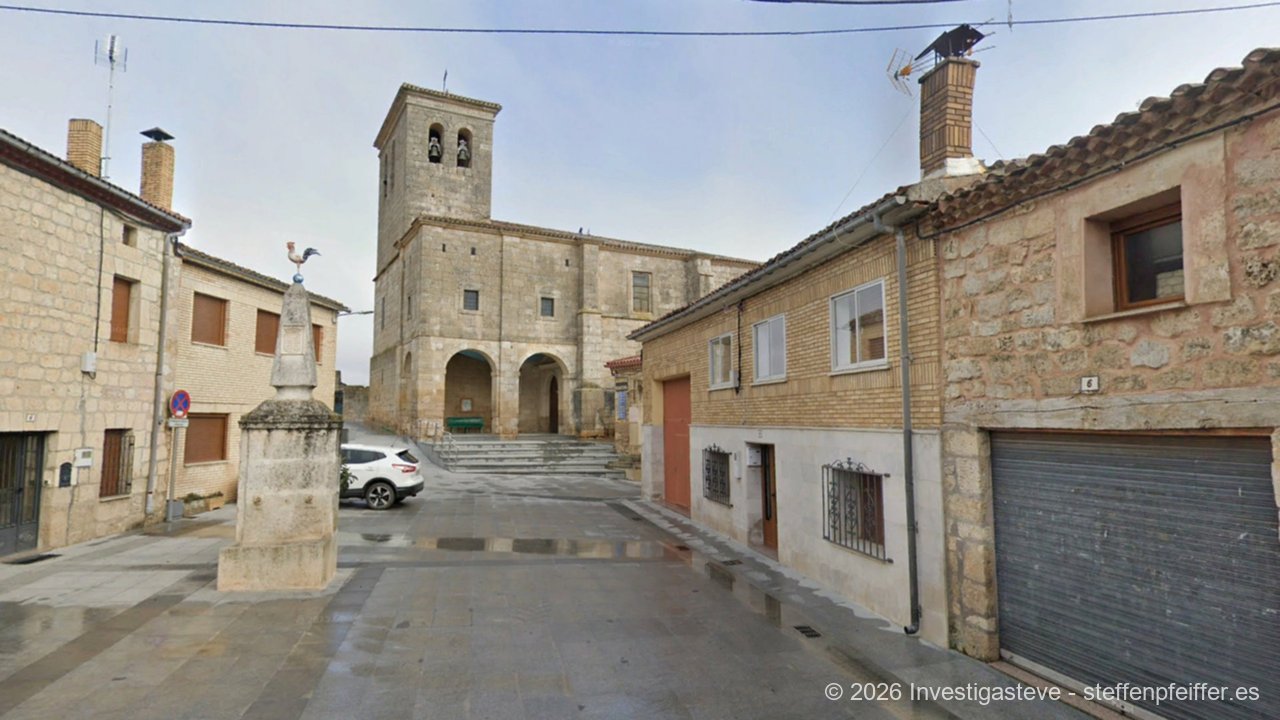
The architectural jewel, the Iglesia de San Román Mártir, tells of the religious fervor and pride of the inhabitants. Originally built in the Gothic style and later expanded in the Renaissance style, it appears almost like a cathedral in relation to the size of the village. Its massive tower served pilgrims on the shadowless plateau for centuries as a nautical point of orientation in a stone ocean. When you stand before the church, you grasp the emotional metamorphosis that this place triggered in travelers: from the fear of death from bandits and the relentless nature to the safety within the sacred walls. Hornillos teaches us that constancy is not stagnation, but the ability to remain true to oneself over the millennia while the world around is in flux. It is the stone answer to the transience of modern life.
Addresses & tips in Hornillos del Camino
Camino Distances
🗺️ After crossing the barren plateau from Burgos, Hornillos del Camino is the first real resting point in the depths of the Meseta, before the path continues into the solitude towards San Bol.
Sleeping & Arriving
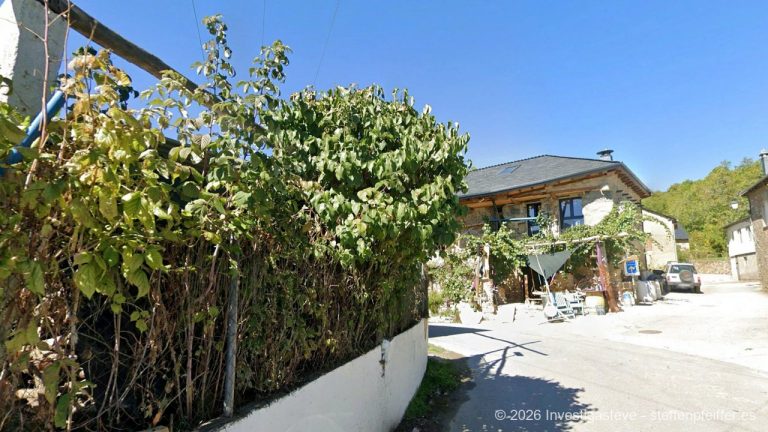
Arriving in Hornillos del Camino has an almost ritual-cleansing quality for many pilgrims. After the approximately 21 kilometers from Burgos, often marked by extreme sun exposure, the village feels like a protective cocoon. The moment you put down your backpack in front of one of the albergues is accompanied by a tactile relief that spreads through the entire body like a warm wave. You feel the rough texture of the stone walls of the hostels, often housed in lovingly restored houses, and hear the distant roar of the wind, which now must stay outside. The psychological threshold between the merciless vastness and the village security is felt here more clearly than in almost any other place on the way.
The atmosphere in the accommodations, such as the municipal albergue or private houses like the “Meeting Point,” is marked by a comradely intimacy. Since Hornillos is small, social life is concentrated on the one main street. When you sit on the stone steps in front of the hostel in the afternoon, the clicking of the hiking poles of pilgrims arriving later mingles with the rhythmic striking of the church clock. It is an auditory pleasure of deceleration. The tactile experience of a cool shower after the dust of the Meseta becomes an almost sacred act here. You feel the water washing the marl dust from your pores and opening your senses again for the details of the surroundings.
At dusk, Hornillos transforms into a place of collective reflection. The pilgrims gather in the courtyards or in front of the bars, and the conversations revolve less around the distance covered than around the feeling of inner freedom that the Meseta begins to bestow. The psychological transformation is evident: the urban stress from Burgos has vanished, replaced by a calm acceptance of the moment. The smell of freshly washed laundry fluttering on the lines in the wind mingles with the aroma of garlic and olive oil wafting from the kitchens. Sleeping in the thick walls of a house that has defied storms for centuries gives you a feeling of security that reaches deep into your dreams.
Arriving in Hornillos also means becoming part of the village’s peace. There is no room for haste here. The locals encounter the pilgrims with a stoic friendliness born of the certainty that they come and go while the village remains. This emotional constancy transfers to the hiker. When you wake up at night and hear the deep silence of the village, you realize that you have finally arrived in the heart of Castile. The darkness here is velvety and deep, interrupted only by the sparkling sea of stars over the valley. It is a night of regeneration that prepares you physically and mentally for the coming, lonely kilometers through the Llanura.
Eating & Drinking
The cuisine in Hornillos del Camino is an unadulterated homage to the Castilian pantry. Here, the honesty of taste reigns. When you sit down in the evening at one of the massive wooden tables in one of the bars, the intense aroma of “Morcilla de Burgos” greets you – that legendary blood sausage with rice, often served here with crusty bread. The tactile contrast between the soft filling and the crispy crust of the country bread is a sensory experience that perfectly matches the rugged landscape. It is served with the robust red wine of the region, a drop as dark and heavy as the earth of Castile itself. It tastes of sun-dried berries, of old oak wood, and of the passion of the vintners who wrest this treasure from the barren soil.
An absolute must is the pilgrim menu, which in Hornillos is often still served with a personal touch. The “Sopa de Ajo” (garlic soup) is not just a starter here but a medical necessity after the heat of the day. The taste of roasted garlic, sweet paprika powder, and the egg cooked in the broth is a revelation for the exhausted body. You feel the warmth of the soup flowing through your limbs, replacing the lost salts. It is a ritual act of nourishment. In the community of fellow pilgrims, sharing the bread becomes a symbol of connectedness. The rhythmic clinking of spoons against the simple earthenware forms the acoustic backdrop of an evening that satisfies the mind as much as the stomach.
Those with a sweet tooth should look out for the homemade “Rosquillas,” often offered in the small shops or directly by the residents. The scent of anise and powdered sugar is an olfactory counterpoint to the harsh Meseta. These small pastries are the perfect provisions for the next day, when you will pass no place for hours. The gastronomic experience in Hornillos teaches you gratitude for the simple. In the reduction of ingredients lies a clarity of taste that you often miss in the gourmet temples of the cities. Here, in the silence of the valley, every bite becomes a conscious pleasure, a celebration of regional identity and hospitality that needs no big words.
Supplies & Logistics
Logistically speaking, Hornillos del Camino is a crucial anchor point for every pilgrim. Since it is the last larger place before the lonely and often waterless stretch to Hontanas, stockpiling here is of almost strategic importance. Supplies are focused on the essentials but of high reliability. You sense that the village has functioned as a logistical hub for centuries. Every move in the small shops is practiced, and the residents know exactly what a pilgrim needs before setting off into the “emptiness” of the next kilometers. This professional hospitality is psychologically enormously relieving.
Shopping: There are small, well-stocked “Tiendas” that carry everything from fresh fruit to blister plasters to local cheese. You should definitely maximize your water supplies here and plan for energy-rich snacks for the next 10 kilometers.
Gastronomy: The bars along the Calle Real offer seamless catering from early breakfast to late pilgrim dinner. The quality is rustic-high-quality and absolutely fairly priced.
Accommodation: Hornillos has a considerable bed capacity in municipal and private hostels. Nevertheless, a reservation is advisable in high season, as many pilgrims wish to end their first Meseta stage here.
Public Facilities: The Ayuntamiento is present in the center, and there are simple sanitary facilities in the accommodations. There is no ATM – so you should have taken care of sufficient cash in Burgos.
In summary, Hornillos del Camino functions logistically perfectly as a “base camp” for the deep entry into the Meseta. You should use the tranquility of the village to check your equipment once more and regenerate your body. The psychological advantage of staying overnight in a place with a functioning basic supply gives you the necessary security for the lonelier sections that now follow. Hornillos is the point where the civilization of the city finally transitions into the self-sufficient reality of long-distance hiking. Here you learn to make do with what you carry and to appreciate the small services of the locals for what they are: vital gestures of humanity.
Don’t Miss
– Iglesia de San Román Mártir: Enter the nave and let the cool silence work on you. The Gothic vaults and the magnificent altar are a testament to the deep piety of this region. Pay attention to the echo of your steps on the stone slabs – it is the sound of history.
– The Gothic stone bridge: At the edge of the village, a simple but impressive stone bridge leads over the Hormazuela. It is tactile proof of the medieval engineering that made the Camino possible in the first place.
– The “Gallo” fountain: Drink the cool water from the village fountain. It is a tactile refreshment of a special kind and an olfactory return to the purity of the Castilian springs.
– Evening walk to the height: Shortly before sunset, walk a little way up the path towards San Bol. The view back on the illuminated village in the valley, surrounded by the dark infinity of the fields, is a visual meditation on being.
– The street village architecture: Walk the entire Calle Real. Feel the linear dynamics of the place, which has completely adapted to the flow of pilgrims. Every door, every archway tells a story of arrival and departure.
Insider Tips & Hidden Places
A true insider tip in Hornillos del Camino is visiting the small, often overlooked “Bodegas,” which dig into the slope at the edge of the village. These underground cellars, once used for wine storage, are now often social meeting points for the locals. If you are lucky enough to be invited by a resident, you experience a sensory sensation: the sudden, constant coolness, the smell of damp earth, and the aroma of wine maturing in the darkness is an olfactory adventure. It is the hidden underworld of Hornillos, where time seems to stand completely still. Here you learn more about real life in Castile than in any travel guide.
Another hidden place is the small path that runs along the course of the Hormazuela, away from the beaten pilgrim paths. Here you find an unexpected lushness of vegetation – poplars, willows, and wild mint. When you stand there and hear the soft rustling of the water, it offers an acoustic contrast to the dry silence of the plateau. Rubbing the mint leaves between your fingers releases a scent that instantly revitalizes you. It is a place of psychological recovery, a small “Garden of Eden” in the midst of the barren Meseta, showing that life here always finds a way to water.
Pay attention to the small niches and symbols in the house walls of the Calle Real. Some still bear faded signs of the old guilds or secret pilgrim messages from past centuries. It is a tactile journey of discovery to run your fingers over these old indentations. These small details give your stay in Hornillos a depth that goes beyond the purely touristic. They are the quiet voices of the past that only those who take the time to stand still and look can hear.
Finally, there is a point at the western exit of the village where an old bench stands under a solitary tree. Here you can watch the sunrise before setting off again. The light breaks in the dewdrops on the ears of grain in the fields and bathes the world in an almost otherworldly gold. In this moment of absolute psychological clarity, you recognize the beauty of simplicity. It is the perfect place to write in your journal or simply to breathe in the breath of the Meseta before the heat of the day sets the world shimmering again.
Moment of Reflection
Do you stand in Hornillos del Camino to count the kilometers, or to finally find the silence within yourself? The village in the valley challenges you to shed the masks of your urban identity. Here, where the houses stand as close together as people in a community of need, you recognize that we are all only wanderers between two horizons. The infinite vastness of the Meseta that awaits you behind Hornillos is not an obstacle but a mirror of your own soul. What will you see in this mirror when the noise of the world falls silent for good?
Perhaps you recognize here that true strength does not result from the speed of progress but from the ability to endure in simplicity. Hornillos teaches you humility before nature and gratitude for a roof over your head and a piece of bread. The historical causality of pilgrimage becomes your personal reality here. When you leave the village the next morning and climb back onto the plateau, you take not only your backpack but also the peace of the stones and the constancy of the fields. Are you ready to entrust yourself to the great emptiness?
Camino of the Stars
This place lies on the Camino Francés, at the end of the stage from Burgos and the start of the stage to Castrojeriz. The sequence of places is:
Burgos → Villalbilla de Burgos → Tardajos → Rabé de las Calzadas → Hornillos del Camino → San Bol → Fuentes Sidres Albergue → Hontanas → San Antón → Castrojeriz
Did the ochre silence of Hornillos del Camino touch you just as deeply, or was it the hearty Morcilla in the evening sun that remained in your memory? Perhaps you discovered a hidden stonemason’s treasure in the old alleys or had an encounter that changed your view of the Meseta? Share your experiences and your very personal story of Hornillos with us via the contact form – we look forward to every message, in any language of the way!
About the Author