A First Glance – Introduction & Atmosphere
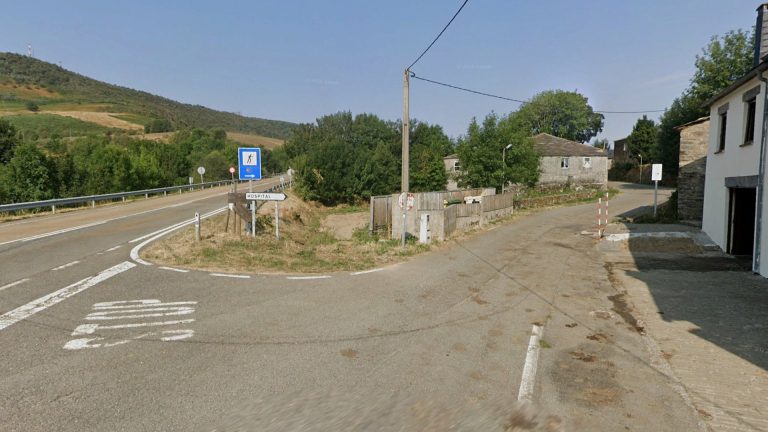
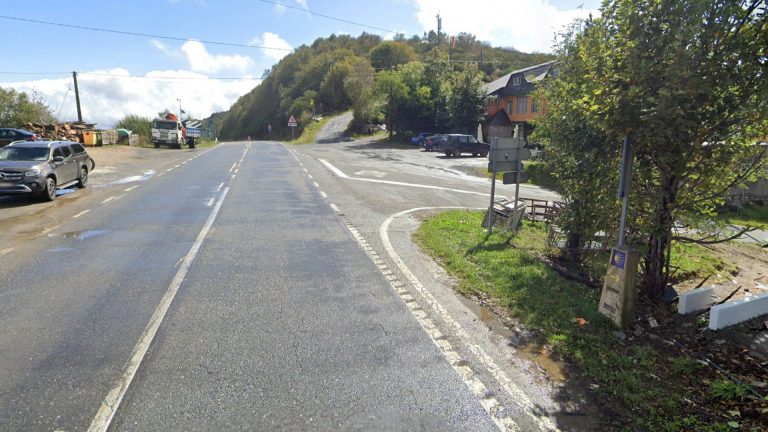
You reach Villafranca Montes de Oca at a moment when the landscape of the Way of St. James sheds its skin radically. Behind you lie the gentle, almost meditative paths of the Rioja and the wide fields of Belorado, but before you a wall of dark green and rugged mountain ranges rises. The village itself clings almost defiantly to the slope, cut through by the relentless N-120 national highway, which dictates the rhythm of the village like a gray artery. It is a place of contrasts: the roaring sound of thundering trucks mingles with the archaic silence creeping up from the alleys behind the first row of houses. When you stand still, you feel the vibration of the asphalt beneath your soles, while your gaze already lingers on the wooded slopes of the Montes de Oca, looming over the village like silent guardians.
The air in Villafranca has a special texture. It is cooler than in the valley, saturated with the moisture of the nearby oak forests and the tart aroma of burnt oak wood rising from the chimneys of the old stone houses. It smells of departure and of a quiet, almost unconscious fear that has nested in the walls of this place for centuries. Tactilely, the place becomes tangible for you the moment the path begins to rise steeply. The ground beneath your boots changes from the soft clay of the fields to hard limestone and the coarse gravel of the mountain paths. Your muscles tense, the backpack seems to become heavier, and the first bead of sweat on your forehead is the seal for entering a new phase of your journey.
Psychologically, Villafranca Montes de Oca is a place of decision. Here, comfort ends. The village appears like a last bastion of civilization before you plunge into the “Nemus Ocae,” that historic forest area that was considered the most dangerous stretch of the entire Camino in the Middle Ages. You feel a mixture of respect for the ascent and longing for the security emanated by the massive walls of the former pilgrim Hospital. It is an emotional bottleneck: those who arrive here know that the next twelve kilometers will be lonely, demanding, and absolutely honest. Villafranca does not prepare you with words, but with its rough, unadorned presence.
What This Place Tells
The stones of Villafranca Montes de Oca are soaked with the history of mercy and necessity. In the 14th century, precisely in the year 1380, Queen Juana Manuel, wife of Henry II of Castile, laid the foundation stone for an institution that still dominates the townscape today: the Hospital de San Antonio Abad. One must imagine the historical causality: in a time when the Montes de Oca were populated by wolves and marauding bands, this Hospital was not merely a hostel, but a lifesaving fortress. It was the place where pilgrims licked their wounds, replenished their supplies, and asked God for protection for the crossing of the “Mountains of Shadows.” The massive ashlar stones of the building tell of a time when hospitality was a sacred duty to ensure the survival of the faithful.
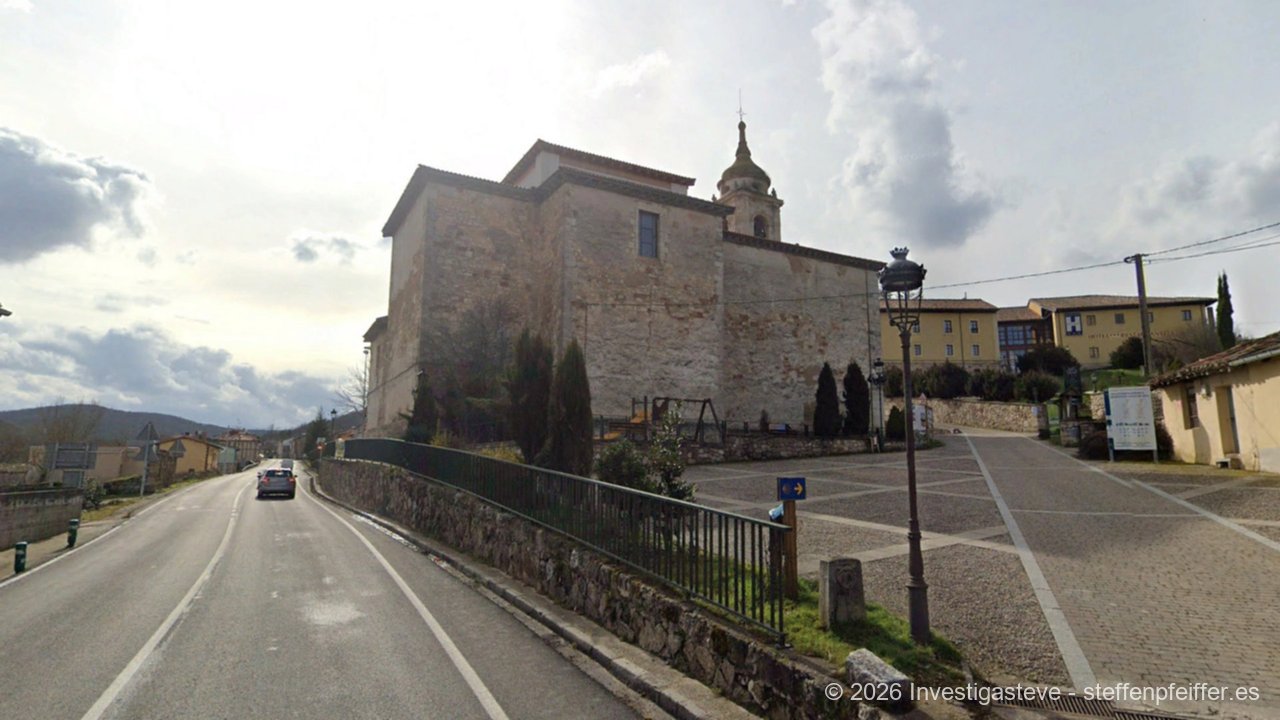
Villafranca was once an important bishopric, the old Auca, whose roots date back to the late Roman period. As you walk through the village today, you walk on layers of civilizations that all held the same strategic point. The church of Santiago Apóstol, a structure combining elements of Gothic and Renaissance, stands as a monumental testament to the spiritual resistance against the wilderness. Inside, a statue of Saint James is venerated, looking at the pilgrim with a gaze that radiates both severity and comfort. The acoustic backdrop in the church – the distant echo of your own footsteps on the cold stone slabs – makes the centuries-long procession of seekers almost physically palpable. It is a place where time does not pass, but condenses.
The historical significance of the place is also made clear by its position as a boundary crosser. Villafranca marks the transition from the fertile region of La Rioja into the harsh heartland of Castile. This geographical rupture is reflected in the architecture: the houses become more defiant, the walls thicker, the windows smaller. Here, they built not for ornament, but against wind and cold. Every alley, every archway tells of human adaptation to a landscape that forgives no mistakes. The causality is clear: without Villafranca, the Way of St. James would have collapsed here in the Middle Ages. The place was the anchor point that held the chain of hospitals together and nourished the courage of the pilgrims before they ventured into the solitude of the forests.
Addresses & tips in Villafranca Montes de Oca
Camino Distances
After the gentle roll-out from the Rioja, you stand here before the most distinctive ascent of the region, which leads you deep into the silence of the Montes de Oca.
| Previous Place | Distance (km) | Next Place | Distance (km) |
|---|---|---|---|
| Espinosa del Camino | ca. 3.5 km | San Juan de Ortega | ca. 12.0 km |
Sleeping & Arriving
Arriving in Villafranca Montes de Oca has something deeply liberating. After covering the last kilometers along the road or over the dusty field paths, the village offers an almost maternal embrace in the form of its hostels. The absolute flagship of hospitality is the current Hotel and Hostel San Antón Abad, housed directly within the walls of the historic Hospital. When you pass through the heavy wooden door, you leave the noise of the 21st century instantly behind you. It smells of floor wax, old stone, and a trace of incense. The tactility of the thick walls conveys a security that is sought in vain in modern concrete buildings; here you feel the thermal inertia of the stone, which cools in summer and stores the warmth of the fireplaces in winter.
In the dormitories of the hostel, a very own dynamic prevails. The rustling of sleeping bags, the soft whispers in various languages, and the ritual unpacking of backpacks form the soundscape of arrival. It is a psychological space of community in which social origin no longer matters. In Villafranca, the pilgrim is reduced to his physical existence: Do I have a bed? Are my feet intact? Arriving here is also an act of physical maintenance. In the washrooms, hot water steams, and the feeling of washing the dust of the day from your skin borders on a small catharsis.
Especially in the evening hours, when the light of the setting sun bathes the wooded slopes above the village in a deep violet, Villafranca unfolds its true magic. You might sit on the wall in front of the church or in the courtyard of the hostel and observe the activity. It is a time of reflection. The tension before the great forest stage of the next day is tangible, but dampened by the solid presence of the village. You do not feel like a tourist here, but like part of an eternal caravan. The bed in Villafranca is more than just a place to sleep; it is a resting place in a fortress of humanity.
For those seeking more peace, private guesthouses in the village offer a retreat that takes on almost monastic qualities. The windows often look out onto small gardens or directly onto the rising mountain path. The sound of the wind playing in the oak crowns replaces the television here. Falling asleep in Villafranca often happens early, carried by exhaustion and the knowledge that the next morning will bring the ascent into the “Valley of Shadows.”
Eating & Drinking
The cuisine in Villafranca Montes de Oca is a homage to strength and tradition. Here, food is not prepared for the eye, but for the stomach of the hiker who needs reserves for the mountains. The undisputed star of the region is the “Morcilla de Burgos.” When it sizzles in the pans of the mesóns, a spicy, earthy scent of cinnamon, cloves, pepper, and toasted rice fills the rooms. The texture is unique: crispy on the outside, soft and substantial on the inside. The first bite of this blood sausage is like a culinary handshake with the history of Castile – robust, unadulterated, and deeply rooted in the peasant butchering tradition.
Another indispensable dish is the “Sopa de Ajo,” the garlic soup. It is the pilgrim’s elixir. Served in an earthenware pot, steaming hot, with plenty of garlic, paprika, bread, and a set egg, it provides exactly the electrolytes and warmth one needs after a day on the path. The taste is intense and lingers long on the tongue, a true immune booster that revives the spirits. It is accompanied by a heavy, dark red wine from the nearby growing regions, which has so much tannin that it makes the palate almost furry and harmonizes perfectly with the heartiness of the dishes.
In the local restaurants such as the one in San Antón Abad, eating becomes a social ritual. You share large platters of roast lamb or braised rabbit, dishes that have been cooked for hours in the heavy ovens until the meat almost falls off the bone by itself. The tactility of the fresh, coarse-pored country bread, with which you dab the last sauce from the plate, is a tactile pleasure that rounds off the meal. Here, food is not consumed; it is celebrated as a necessary preparation for the deprivations of the Montes de Oca. To finish, there is often a strong “Orujo,” a pomace brandy that stimulates digestion and loosens the limbs.
Supplies & Logistics
Logistically speaking, Villafranca Montes de Oca is the last chance before the great emptiness. Between here and San Juan de Ortega lie twelve kilometers of pure forest without any settlement, without a bar, and without a fountain. This fact determines the supply logistics of the place. The small shops in the village have specialized in offering exactly what the pilgrim needs for this “thirsty stretch”: nuts, bananas, chocolate, and above all water. Those who leave Villafranca without checking their supplies commit a tactical error. Shopping here has something of an expedition – you weigh your supplies, check the fit of your backpack, and ensure you are prepared for all eventualities.
The infrastructure of the place is divided. Along the N-120, you find everything that needs to be modern and fast: gas stations, small cafeterias for travelers, and the bus stop that connects Villafranca with Burgos and Logroño. But as soon as you turn into a side street upwards, you land in a logistical world that plays by its own rules. The pharmacy in the village is an important point of contact for blister plasters and magnesium – the two currencies of the Way of St. James. The staff here has developed an almost diagnostic intuition and often sees from the pilgrim’s gait which remedy he needs.
An important aspect of logistics is the water point at the edge of the village, just before the path rises steeply into the forest. It is a sacred place of preparation. You fill your bottles to the brim, feel the cold of the spring water on your fingers, and take another deep breath. Villafranca is the logistical trampoline: here you gather the strength and means to move self-sufficiently through the wilderness for the next three to four hours. Those who are careless here pay on the plateau above with thirst and exhaustion.
Shopping: There are small grocery stores specializing in pilgrim supplies; the selection is functional and focused on energy and durability.
Gastronomy: The restaurants offer excellent, hearty Castilian cuisine; especially the pilgrim menus are fairly priced and of high quality.
Accommodation: Capacities are good, from the historic hostel San Antón Abad to modern guesthouses and the municipal albergue.
Public Facilities: A pharmacy is available; for banks or major medical emergencies, one must rely on nearby Belorado or Burgos.
Villafranca Montes de Oca functions as the perfect preparer – it offers everything necessary without pampering the pilgrim, and releases him well-equipped into solitude.
Don’t Miss
– Hospital de San Antonio Abad: This building from 1380 is an architectural jewel; pay attention to the massive stone arches and the historic chapel in the courtyard, which radiates an almost tangible peace.
– Church of Santiago Apóstol: Admire the late Gothic altarpiece and the shell on the baptismal font; the acoustics here, especially early in the morning when it is still quiet, are an experience for the senses.
– The Ruins of Auca: Just outside the village, traces of the ancient city can be found; for history enthusiasts, this detour is a must to understand the deep roots of the place.
– The Viewpoint at the Monument to the Fallen of the Civil War: A little above the village, a dramatic view opens up over the valley and the plain you have just left behind.
Insider Tips & Hidden Places
One of the quietest and most energetic places in Villafranca Montes de Oca is the small Ermita de San Felices, hidden somewhat off the main route. While most pilgrims hastily begin the ascent, this small sacred building, surrounded by oaks, offers a moment of absolute isolation. Up here, where the wind moves the leaves of the ancient trees like a whisper, you can feel the connection to the hermits who once inhabited these mountains. It smells here of damp moss and the iron of the earth. Sit on the weathered stone steps and let your gaze wander over the vastness – it is the best psychological preparation for the forest.
Another insider tip is the old village fountain in the upper part of the village, far from the main street. Here, the locals sometimes still wash their vegetable harvest, and the water gushes from the mountain with a clarity that seems almost unreal. It is a tactile experience to let the ice-cold water run over your wrists. In this corner of the village, you experience the real, unadulterated Castile that does not care about tourism but lives its own rhythm of sowing and harvest.
Those with an eye for detail should pay attention to the door knockers and fittings on the old houses in the side streets of the Calle Real. Many of these ironworks date from the 18th and 19th centuries and show symbols of protection and craftsmanship. It is a “gallery of everyday life” that you only discover if you slow down. These small artefacts tell of the constancy of families who defied the harsh climate here.
Finally, behind the Hospital, there is a small path that leads to a height from which you can observe the starry sky over the Montes de Oca at night. Since there is almost no artificial light here, the Milky Way arches like a luminous band over the dark massif of the mountains. It is a moment of cosmic grounding that reminds you that you are only a small wanderer among millions who have followed the same stars.
Moment of Reflection
In Villafranca Montes de Oca, you stand at the threshold of the unknown. For centuries, the Montes de Oca were a symbol of dark forces, of danger and the struggle for survival. Today, the wolves have largely disappeared, and the robbers have been replaced by markers and hiking maps. Yet the psychological effect of the forest remains. Villafranca forces you to take stock: What are you really carrying with you? Not only in your backpack, but in your mind. Do you have the necessary endurance for the coming solitude?
The place teaches you humility before nature. When you see the massive construction of the Hospital, you recognize that humanity can only survive if it sticks together and creates shelters. Villafranca is a reminder that every one of us needs a San Antonio Abad at some point, a place where one is taken in when strength fails. Ask yourself as you ascend through the oak forests: What is my personal “Valley of Shadows,” and do I have the courage to cross it, trusting that at the end of the forest, the light of San Juan de Ortega awaits? This place is the bridge between your fear and your strength.
Camino of the Stars
This place lies on the Camino Francés, on the stage from Belorado to San Juan de Ortega. The sequence of places is:
Belorado → Tosantos → Villambistia → Espinosa del Camino → Villafranca Montes de Oca → San Juan de Ortega
Did you feel the moment in Villafranca Montes de Oca when the noise of the road fell behind you and the call of the mountains grew louder? Did the historical atmosphere of the Hospital San Antón Abad impress you, or did you discover a completely new side of yourself in the solitude of the forests? Share your experiences and feelings with us. Every story from this gate to the mountains helps others to engage with what awaits them beyond civilization.
About the Author