A First Glance – Introduction & Atmosphere
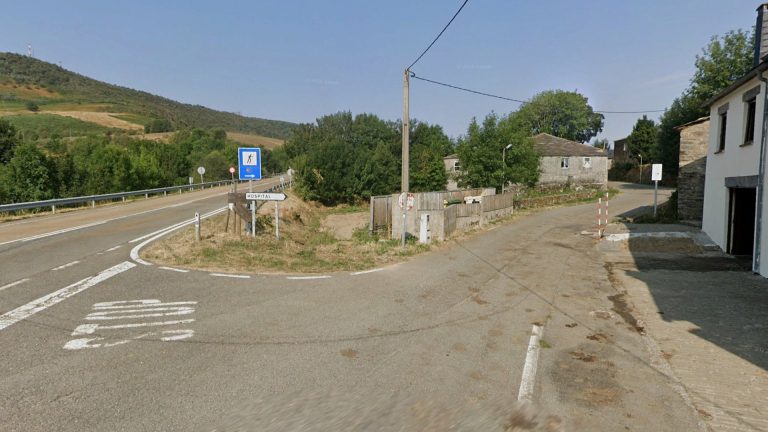
When the pilgrim leaves the bustling atmosphere of Belorado behind and the path leads him further westward, the landscape of Castile changes in a subtle, almost imperceptible way. The wide grain fields, which in summer appear like a surging sea of liquid gold, move a little closer to the path, while on the horizon the first harbingers of the Montes de Oca appear. In the midst of this rural idyll, nestled almost like a forgotten jewel into the gentle hills, lies Tosantos. Even from a distance, the eye falls upon a striking, reddish shimmering rock face that watches over the village like an archaic guardian from a long-past time. It is a sight that makes the pilgrim pause; a moment in which the monotony of walking gives way to a sudden curiosity. The ground beneath the feet, often sun-baked clay, crunches softly with every step, and the fine dust of Castile settles like a second skin on the hiking boots.
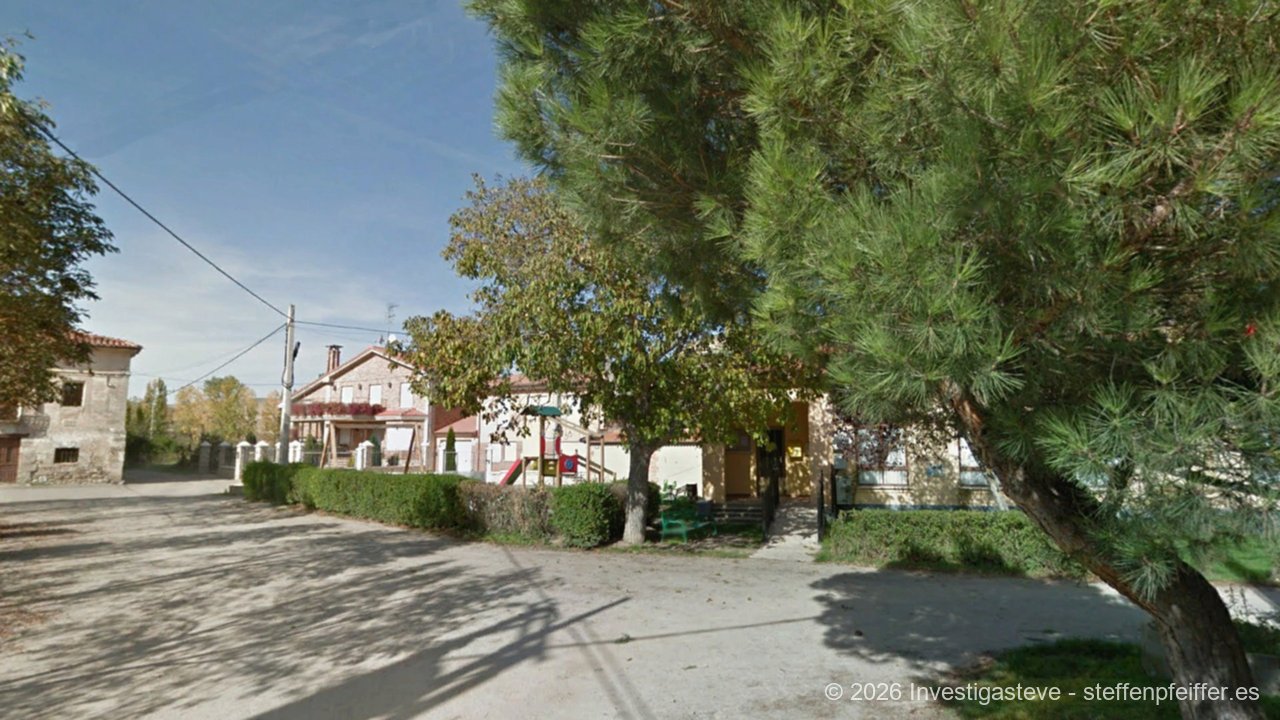
The air in Tosantos carries a special freshness, a mixture of the scent of dry straw, wild thyme, and the cool moisture streaming from the shady alleys of the village. Acoustically, one is not received by the noise of civilization, but by the rhythmic clattering of storks’ beaks on the roofs of the old stone houses and the distant, gentle splashing of a fountain. Psychologically, this place triggers an immediate feeling of security. It is as if Tosantos embraces the walker, leads him away from the haste of kilometer-chasing, and invites him to suspend his own timekeeping for a moment. The tactile quality of the surroundings is rough and honest – the coarse stone of the walls, the sun-warmed wooden gates, and the cool metal of the door knockers tell stories of generations who have wrested their lives from this barren land. Those who enter Tosantos feel the historical causality of a region that has welcomed pilgrims for over a thousand years and strengthened them on their way to Santiago.
In the early evening hours, when the sun is low and bathes the red rock face in an almost unreal, glowing light, the village unfolds a magical aura. You hear the muted murmuring of the locals, sitting on their benches in front of the houses, observing the stream of pilgrims with a mixture of accustomed serenity and heartfelt openness. The smell of burning poplar wood and freshly prepared soup wafts through the alleys and signals to the body: here you may arrive. It is a five-dimensional immersion into authentic Castile that reaches the pilgrim not only geographically, but also emotionally. Tosantos is not a place you simply pass through; it is a place that burns itself into memory even before you have taken the first step into its center.
What This Place Tells
The history of Tosantos is inseparable from the massive limestone rock that dominates the village. Here, deep into the stone, lies the Ermita de la Virgen de la Peña, a rock chapel that acts like a symbol of the unwavering piety of the Middle Ages. Legends tell that the statue of the Virgin Mary was hidden in a cave during the turmoil of the Moorish conquest to protect it from destruction. Centuries later, it is said to have been rediscovered through a divine light, which led to the construction of this extraordinary sanctuary. When you stand today before the portal of the chapel, which seems to grow almost organically from the rock, you feel the tactile power of this place. The rough texture of the stone, the cool air wafting from the interior, and the smell of old incense and candle wax create an atmosphere that goes far beyond the architectural.
Historically, Tosantos was part of the strategic buffer zone between the Christian north and the Moorish south. The caves in the rock served not only as religious retreats but also, in times of need, as defensible refuges for the local population. This dual function – spiritual oasis and physical shelter – shapes the psychological DNA of the place to this day. It is a story of survival and deep trust in higher powers. Historical causality becomes particularly clear when one considers that Tosantos was already mentioned in the documents of the Monastery of San Millán de la Cogolla in the 10th century. The place was an important hub for sheep farming and transhumance, which shaped Castile for centuries. The echo of hooves and the distant ringing of herd bells still seem to hang in the alleys when the wind blows over from the mountains.
Architecturally, the village offers, in addition to the rock chapel, the Iglesia de San Esteban, a church built in the 16th century on the remains of a Romanesque predecessor. Its massive tower appears like an anchor in the landscape. Inside, an altarpiece reveals itself, whose gilded carvings sparkle in the pale light of the candles and testify to the former importance of the place. The emotional metamorphosis of the pilgrim becomes tangible here: in the silence of the church interior, surrounded by saintly figures who have directed the same gaze at the faithful for generations, one’s own journey becomes part of a larger whole. Tosantos does not tell of glorious conquests, but of the steady, unexcited persistence of people and their faith. It is a place of continuity that shows the pilgrim that life and hope can grow even from the hardest rock.
Addresses & tips in Tosantos
Camino Distances
The stage from Belorado to Tosantos is characterized by a gentle topography that allows the pilgrim to find a meditative walking rhythm before the route becomes more demanding towards the Montes de Oca.
| Previous Place | Distance (km) | Next Place | Distance (km) |
|---|---|---|---|
| Belorado | ca. 4.8 km | Villambistia | ca. 2.1 km |
Sleeping & Arriving
Arriving in Tosantos differs fundamentally from arriving in one of the large pilgrim cities. There are no hotel complexes or loud bars here; instead, one is often received by an almost monastic peace. One of the best-known addresses for hikers is the Albergue Parroquial de Tosantos. Entering this hostel is like a journey back to the original days of the Way of St. James. You smell the old wood of the floorboards, hear the soft creaking of the stairs, and feel the tactile quality of the roughly plastered walls. Psychologically, this place is a power center. Here, comfort is not in the foreground, but community and exchange.
In Tosantos, the tradition of “Hospitalitas” – unconditional hospitality – is still actively lived. The communal dinner, often by candlelight and in an atmosphere of deep connection, is a core element of the emotional metamorphosis that many pilgrims experience here. You share not only the food, but also the worries, the blisters on your feet, and the thoughts that have accompanied you for weeks. The tactile experience when all hands together set the table or break the bread creates a connection that exists beyond language barriers. The acoustics of the evening are determined by the murmuring of prayers or communal singing in the chapel, often leading to tears of emotion. It is a moment of catharsis in which the physical pain of walking recedes before spiritual fulfillment.
For those seeking more private accommodation, the “Casas Rurales” in the village offer a retreat characterized by their authenticity. The beds often smell of fresh, wind-dried laundry, and the thick stone walls ensure a pleasant coolness even in the hottest Castilian nights. When you look out the window in the evening, you see the starry canopy glowing over the dark profile of the rock, while in the distance a little owl calls. This feeling of being grounded, of complete unity with the surroundings, makes spending the night in Tosantos a profound experience. You do not just sleep; you regenerate on a level that encompasses body and mind alike.
Eating & Drinking
The gastronomy in Tosantos is a reflection of the Castilian landscape: honest, nourishing, and without superfluous pomp. When the pilgrim sits down at the table after a long day, it is often the “Sopa de Ajo” (garlic soup) that is served first. The intense smell of roasted garlic, olive oil, and the fine aroma of Pimentón de la Vera rises to the nose and awakens the spirits. Tactilely, you feel the warmth of the clay bowl in your hands, while the first spoonful of hot soup touches the palate and triggers a feeling of complete satisfaction. It is the ultimate “comfort food” of the Way of St. James, which has given generations of walkers new energy.
Another heart of the local cuisine is the “Lechazo” (suckling lamb), which has been elevated to an art form in this region. The meat, cooked for hours in the wood-fired oven, is so tender that it almost falls off the bone. The taste carries the essence of the Montes de Oca – a trace of wild herbs and the smoky aroma of oak wood. This is accompanied by a robust red wine from the nearby Rioja or the Arlanza region. The deep red color of the wine in the glass, the heavy weight of the bottle, and the satisfying “pop” when uncorking are sensory details that complete the enjoyment. The wine tastes of the earth of Castile, of sun, and of the patience needed to create something good.
To finish a meal, the “Queso de Burgos,” a fresh sheep’s cheese, should not be missing, often served with honey or quince paste (Membrillo). The creamy texture of the cheese in contrast to the sticky sweetness of the honey offers a tactile and gustatory interplay that flatters the palate. While eating, you often hear the stories of the locals about the harvest or hunting, embedding the meal in a social context. In Tosantos, you do not eat alone; you are part of a table community that celebrates the moment. This social aspect of eating is a psychological support that reminds the pilgrim that, despite the solitude of the path, they are never truly alone.
Supplies & Logistics
Although Tosantos is a small village, its logistical importance for the pilgrim should not be underestimated. It functions as a strategic resting place between the town of Belorado and the ascent into the mountains. Supplies here are concentrated on the essentials, which frees the mind from unnecessary decisions. There are no glittering supermarkets, but small shops that often simultaneously serve as social meeting points. The smell in these shops is a fascinating mixture of fresh pastries, dried ham, and the metallic aroma of household goods – a scent that immediately evokes memories of a simpler time.
Shopping: A small shop supplies walkers with the most necessary provisions such as fruit, cheese, and bread. The selection is limited, but the freshness of the local products is unsurpassed.
Gastronomy: There are one or two bars where you can enjoy a “Café con Leche” or a cool beer. These places are ideal for putting up tired feet and watching the passing pilgrim caravan.
Accommodation: Capacities are concentrated on the Albergue Parroquial and some private accommodations. In the high season, it is advisable to arrive early to find a place in the community.
Public Facilities: A small medical post and public toilets are available, as are mailboxes to send the obligatory postcard home. Those who need a bank or pharmacy should have already taken care of these errands in Belorado.
Logistics in Tosantos are characterized by a “slow-motion” mentality. You don’t have to rush anything here. The paths in the village are short, and communication often still happens face to face. For the pilgrim, this means an enormous psychological relief. You don’t have to worry about complicated transport routes or reservation systems; you simply let yourself be carried by the rhythm of the village. The tactile experience of spreading a physical map on the wooden table of a bar and tracing the next kilometers with your finger has a quality that no GPS device can replace. Tosantos offers everything you need to be physically and mentally prepared for the next section.
Don’t Miss
– Ermita de la Virgen de la Peña: The fascinating rock chapel is the absolute highlight of the place and should definitely be visited.
– The Evening Prayer in the Chapel: Even for non-religious pilgrims, the acoustic and emotional intensity of communal singing in the rock cave is an unforgettable experience.
– The View from the Rock: Those who dare the short ascent above the chapel are rewarded with a breathtaking panorama over the valley of the Tirón.
– The Stork Nests: Observe the tactile-acoustic spectacle of nest building and clattering on the chimneys and roofs.
– The Historic Iglesia de San Esteban: A look at the golden altarpiece is worthwhile to appreciate the craftsmanship of the region.
Insider Tips & Hidden Places
Off the beaten pilgrim paths, Tosantos hides small secrets that only reveal themselves to those who wander through the village with open eyes and without haste. One of these places is the old washhouse, somewhat hidden at the edge of the village. The water is ice-cold and comes directly from the springs of the mountains. When you dip your hands into the clear water, you feel a tingling that immediately revitalizes the senses. The sound of the steadily flowing water has a meditative quality that calms the mind. It is a tactile place of cleansing where you can symbolically wash off the dust of the last kilometers. Sometimes the women of the village meet here to wash wool or simply exchange news – a living piece of local history that you will find nowhere in a travel guide.
Another hidden place is the narrow path that leads steeply upward behind the rock chapel and ends at a small plateau. Up there, far from the hustle of the hostels, you find complete silence. The scent of wild lavender and rosemary is particularly intense up here, as the sun draws the essential oils from the plants. It is an olfactory paradise that expands the lungs and frees the mind. From here, you can grasp the psychological dimension of the Camino: you see the path as a thin ribbon stretching through infinity and recognize your own role in this centuries-old dance. It is a place of absolute immersion in nature, where you hear only the wind in your ears and your own heart beating.
For the curious, there is also a small, inconspicuous cave a little further west of the main chapel, once used by hermits. The walls here are blackened by soot, testimonies of centuries of small fires lit against the cold of the night. When you run your fingers over the rough stone, you directly touch the history of the human search for solitude and closeness to God. It is a tactile experience that causes goosebumps. This place is an insider tip for those who want to feel the spiritual weight of the Camino in its purest form. Tosantos is full of such small “anchors” that force the pilgrim to look deeper than just at the markers along the wayside.
Those who walk through the alleys again late in the evening should pay attention to the small inscriptions above the house doors. Many houses bear dates from the 18th or 19th century, often accompanied by protective symbols. Discovering these details is like a tactile puzzle of the village’s history. Sometimes a door opens, and you catch a glimpse of a dark wine cellar or a courtyard full of flowers. These moments of unfiltered insight are what make Tosantos so special. It is a village that does not loudly promote its treasures, but gently bestows them upon those willing to look.
Moment of Reflection
In Tosantos, the pilgrim often reaches a point of inner stillness. The first days of physical adjustment are usually over, the routine has settled in, and the mind begins to free itself from the burdens of everyday life. The Virgen de la Peña rock chapel serves here as a powerful psychological symbol: it is carved into the hard stone, offers protection, and yet is open to the light. This reflects the emotional state of many walkers. You build a hard shell against the physical strains, but at the same time seek an inner opening for new experiences. The tactile experience of the stone reminds us of our own constancy, while the spiritual atmosphere teaches us to remain soft and receptive.
Perhaps you sit on the small wall in front of the hostel in the evening and gaze at the fields. The acoustic backdrop of distant voices and natural sounds forms the frame for a deep introspection. Why am I here? What am I leaving behind? Tosantos does not give ready-made answers, but it creates the space in which these questions can be asked. The metamorphosis from the hectic city dweller to the quiet pilgrim happens here almost by itself. You realize that wealth does not lie in possessions, but in the moment of sharing and simplicity. The historical causality – millions of people before me had the same thoughts – gives you a feeling of security and connection. In Tosantos, you learn that the path does not only have a destination, but that every little place like this is a destination in itself.
Camino of the Stars
This place lies on the Camino Francés, on the stage from Belorado to San Juan de Ortega. The sequence of places is:
Belorado → Tosantos → Villambistia → Espinosa del Camino → Villafranca Montes de Oca → San Juan de Ortega
Did you also experience that moment of goosebumps in the silence of the rock chapel of Tosantos when the voices of the pilgrims echo in the stone? Perhaps you had an encounter in the Albergue Parroquial that changed your view of the path, or you discovered one of the hidden fountains? Share your personal impressions, your photos, and your spiritual moments with us. Every story helps to carry the light of Tosantos forward for future pilgrims!
About the Author