A First Glance – Introduction & Atmosphere
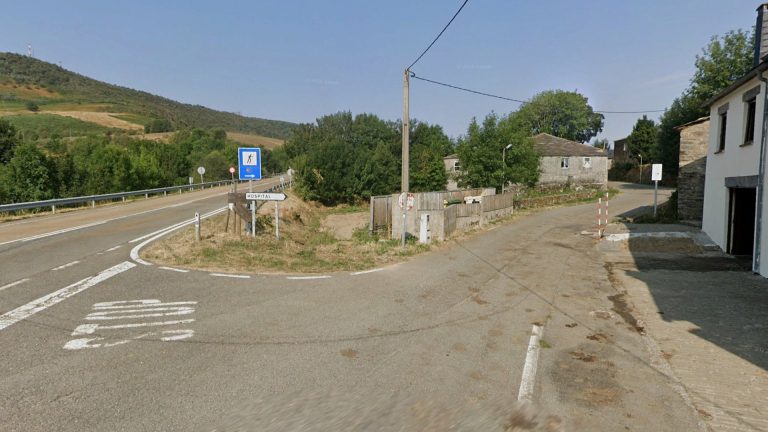
When the sun rises over the gentle hills of the Burgos region in the early morning and the long shadows of the pilgrims wander like dark hands of a sundial across the dusty path, a place announces itself that could almost be overlooked in its modesty, were it not for the palpable change in the air. Espinosa del Camino lies where the wide, shimmering plain of the Rioja gradually gives way to the massive foothills of the Montes de Oca. It is a place of transition, a moment of pause before the path leads the pilgrim into the dense, historic forests that were once as feared as they were venerated. Here, at 745 meters elevation, the landscape breathes a different freshness. The flat gold of the grain fields mingles with the deep, rich green of the holm oaks and firs standing like guardians on the slopes.
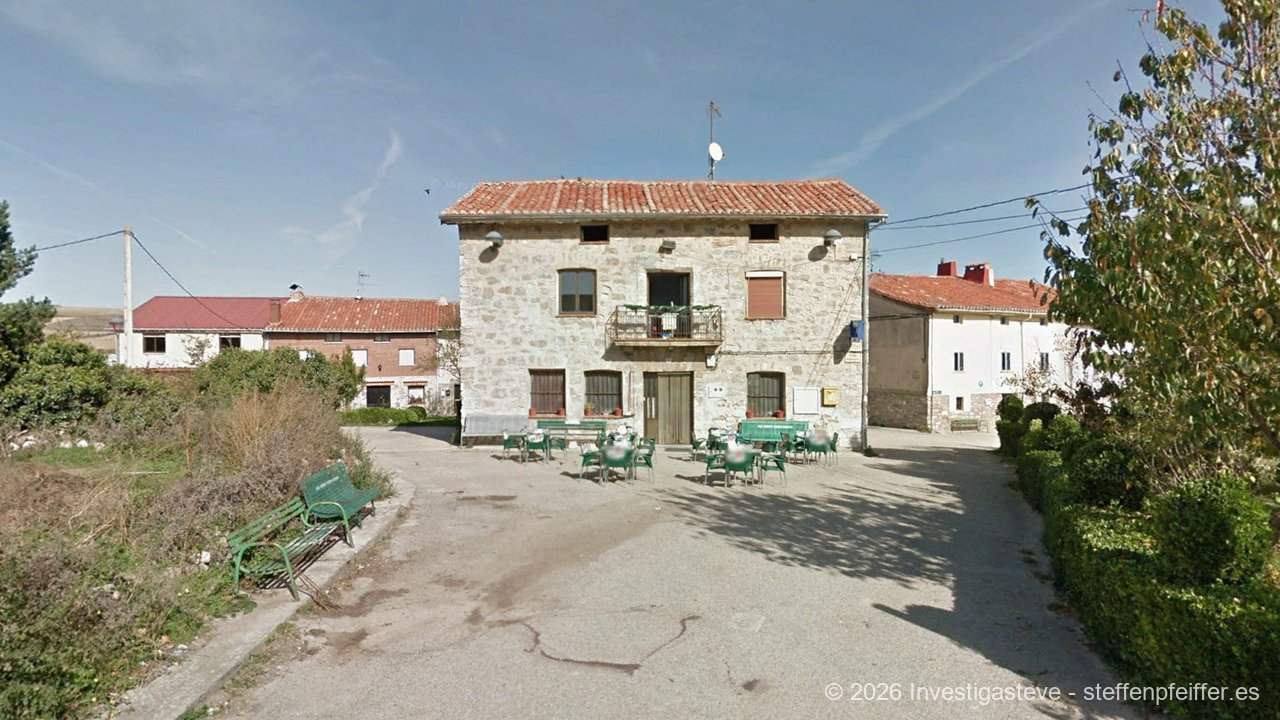
Whoever enters Espinosa del Camino immediately feels the archaic power of Galician influence in the architecture, even though we are still deep in the heart of Castile. The houses of rough limestone and reddish clay tell of a century-long life that must withstand the harsh winters and merciless summer heat. You hear here the soft murmuring of the Río Retorto, which winds like a silver ribbon through the valley and has given life to the place since time immemorial. It is not a loud bustle that welcomes the pilgrim, but an almost monastic silence, interrupted only by the distant ringing of a church bell or the rhythmic click of hiking poles on the coarse asphalt. The scent of damp earth, wild thyme, and the resinous aroma of the nearby forests lies in the air and signals to the senses: the journey is changing. The lightness of the plain transitions into the seriousness of the mountains.
In Espinosa del Camino, time seems to have a different density. It does not flow, it lingers. You see it in the faces of the few remaining inhabitants, who sit on their wooden benches in front of the house entrances and observe the stream of strangers with a mixture of accustomed serenity and deeply rooted hospitality. Here, you are not perceived as a tourist, but as part of a 1200-year-old procession. The psychology of the place is that of preparation. Every step along the village’s single main street is a conscious decision to leave the protected space of civilization a little further behind and to face the solitude of the Oca mountains. It is a place that grounds the pilgrim, that shakes the haste of the past kilometers from his limbs, and teaches him that the greatest challenges often begin with the greatest silence.
What This Place Tells
Espinosa del Camino is far more than just a small passage place; it is a historical boundary stone standing on the ruins of ancient worlds. In the chronicles of the region, it is often mentioned as “Spinarum,” referring to the thorny bushes that once characterized the rugged terrain. Yet the true significance of the place only unfolds when you let your gaze wander beyond the roofs towards the Montes de Oca. Here, nearby, lie the ruins of the Monastery of San Felices de Oca, now barely visible. It is the place where the legend of Count Diego Porcelos begins, that fearless warrior who set out in the year 884 on the orders of King Alfonso III to found the city of Burgos. Espinosa was part of this strategic buffer zone between the rising Christian kingdom of Castile and the Muslim-dominated territories to the south.
The history of this place is inseparable from the fate of the pilgrims who often stood trembling before the gates of Espinosa in the Middle Ages. The Montes de Oca were then known as the “Nid de voleurs” – nest of thieves. In the dense forests, bandits lay in wait for the possessions of the pilgrims of St. James. Espinosa del Camino functioned as a safe haven, as the last point of civilization where one joined forces in groups to dare the dangerous ascent together. This psychological weight of the past seems to still hang in the old walls. When the wind whistles through the narrow alleys at night, you can almost imagine how the knights of the Templar Order or the monks of San Felices patrolled the paths to escort those in need of protection.
Architecturally, the Iglesia de Nuestra Señora de la Asunción stands out, a church that has preserved its defensive character despite multiple renovations. Its masonry is a mosaic of different eras – from Romanesque foundations to Baroque additions. Inside, the space breathes the coolness of the centuries. The smell of old incense and candle wax mingles with the slightly musty note of old wooden altars. Those who take a seat on the pew for a minute feel the historical causality: millions of people have prayed here for strength for the path. This collective energy is almost tactilely palpable when you touch the smoothly polished stones of the portal arches. Espinosa does not tell of magnificent palaces, but of the harsh reality of survival and the unwavering hope that the Camino de Santiago has embodied for over a millennium. It is the story of a watershed – geographically between the Ebro and the Duero, historically between Navarre and Castile, and spiritually between the pilgrim’s yesterday and tomorrow.
Addresses & tips in Espinosa del Camino
Camino Distances
The stage leads the pilgrim from the gentler regions of Belorado ever deeper into the rugged foreland of the Montes de Oca. The paths are well-marked, but demand good energy management due to steady, albeit moderate, inclines.
| Previous Place | Distance (km) | Next Place | Distance (km) |
|---|---|---|---|
| Villambistia | ca. 1.6 km | Villafranca Montes de Oca | ca. 3.5 km |
Sleeping & Arriving
Arriving in Espinosa del Camino has a quality all its own. It is not a triumphant entry into a cathedral city, but a gentle glide into an environment that forces deceleration. Those who set up camp here consciously decide against the hustle and bustle of the larger stage towns. The few hostels of the place, often lovingly restored old stone houses, offer an intimacy increasingly rare on the modern Camino. When you cross the threshold of such accommodation, you feel the cool pavement beneath your battered feet and hear the creaking wood of the old stairs leading to the dormitories. It is a tactile experience: the rough walls, smelling of lime and history, convey a feeling of security and comfort.
In the Albergue de Espinosa, for example, the tradition of “Hospitalitas” is still highly regarded. Here, the communal dinner is often the heart of the stay. When pilgrims from all over the world gather at the long wooden tables, a psychological metamorphosis takes place. The exhaustion of the day gives way to a deep connection. You share not only the bread and wine of the region, but also the blisters on your feet and the thoughts in your head. The clatter of cutlery on the ceramic dishes, the laughter in different languages, and the distant barking of a dog on the street form the acoustic backdrop for an evening that heals the soul. There is no distraction from city noise or garish neon signs here; instead, you look through the small windows at a canopy of stars shining so clearly over the Montes de Oca as one can only experience in the thin mountain air.
The night in Espinosa is marked by a deep, almost physical silence. Only the creaking of the timber as the house cools down after the heat of the day reminds you that you are in a living witness of time. For many pilgrims, this is the moment of reflection. You feel the throbbing in your calves, the sign of the work done, and the anticipation of the next day when the forests call. The bed linen often smells of fresh mountain air, as the laundry here is still dried on lines in the wind. This simple, unadulterated experience of arrival makes Espinosa an insider tip for those seeking the essence of the Way of St. James in its purest form: simplicity, silence, and a community that goes beyond the material.
Eating & Drinking
The gastronomy in Espinosa del Camino is a homage to rustic Castilian cuisine. Here, dishes reign that were invented for field workers and shepherds – nourishing, honest, and of incomparable taste. The scent of “Sopa de Ajo,” the traditional garlic soup, often wafts through the alleys by midday. The combination of toasted bread, local olive oil, plenty of garlic, and a hint of Pimentón de la Vera creates an olfactory experience that immediately whets the appetite. When the first spoonful of hot soup touches the palate, you feel the warmth spreading to the tips of your toes – a blessing for any pilgrim caught by the cool winds of the mountains.
Another highlight of the region is the “Lechazo,” the lamb roasted in a wood-fired oven, which has a particular tenderness in this area. The meat almost falls off the bone by itself and tastes of the herbs of the Montes de Oca on which the animals graze. It is served with the heavy, dark country bread, whose crust cracks so wonderfully when broken, and whose soft core is perfect for soaking up the delicious sauces. Acoustically, the meal is often accompanied by the splashing of the Río Retorto or the soft hiss of a freshly uncorked bottle of Ribera del Duero. The wine, deep red and full-bodied, carries the strength of the Castilian earth and makes the conversations at the table flow.
For a small hunger in between, the village’s bars often offer homemade “Tortilla de Patatas” or “Morcilla de Burgos.” The latter is a blood sausage with rice that, through its spices – cloves, cinnamon, and pepper – brings an almost exotic note to the otherwise down-to-earth cuisine. The texture of the Morcilla, crispy on the outside and soft on the inside, is a tactile pleasure. Those who eat in Espinosa taste the history of the Reconquista and the hard work of the land. There is no room for culinary fads; what counts is quality and satiety. To finish, a “Café Solo” or a piece of “Tarta de Santiago” should not be missed, whose sweet almond aroma forms the perfect contrast to the hearty meal. You leave the table not only full, but with the feeling of having absorbed a piece of the local soul.
Supplies & Logistics
Although Espinosa del Camino is a small place, it offers the necessary infrastructure for the modern pilgrim without losing its village charm. Logistics here are manageable, which minimizes the stress factor. There are no large supermarkets, but the small shops, often located on the ground floor of a residential building, carry all the essentials: from fresh fruit and cheese to blister plasters and hiking poles. The smell in these shops is a mixture of fresh pastries, dried ham, and the metallic aroma of household goods – a scent reminiscent of the grocery stores of childhood.
Shopping: In the small “Ultramarinos,” you find regional specialties such as cheese from Burgos or honey from the mountains. It is advisable to stock up here for the ascent into the Montes de Oca with nuts, dried fruit, and sufficient water, as the next supply source is several kilometers away.
Gastronomy: In addition to the hostels, there are one or two bars that function as social meeting points. Here you get your first coffee in the morning or a cool beer in the afternoon. The atmosphere is warm, and it is easy to strike up a conversation with the locals, who often have useful tips for the upcoming stretch.
Accommodation: The selection ranges from the classic pilgrim hostel to more private accommodations (Casa Rural). As the place is small, it is advisable to arrive early or book in advance during the high season, especially if you are looking for the family atmosphere of a particular hostel.
Public Facilities: A small medical post and public toilets are available, as are mailboxes for the obligatory postcard home. Those who need a bank or a pharmacy must go to the larger neighboring towns such as Belorado or Villafranca Montes de Oca.
The logistical significance of Espinosa lies primarily in its function as the last station before the wilderness. You check your equipment here, fill your water supplies, and mentally prepare for the solitude of the forests. It is the place where you make your last purchases before you hear only the rustling of the trees and your own breath for a few hours. The simplicity of the supply in Espinosa is not a lack, but an invitation to reflect on the essentials.
Don’t Miss
– Iglesia de Nuestra Señora de la Asunción: Admire the defensive masonry of this church, which reflects the eventful history of the border region and radiates an aura of deep spirituality inside.
– The View of the Montes de Oca: Take a moment at the edge of the village to gaze at the approaching mountain range – a sight that has made pilgrims waver between awe and determination for centuries.
– The Valley of the Río Retorto: Follow the river course for a short stretch off the main path; the soft splashing and lush vegetation offer a tactile-acoustic contrast to the dry plateau.
– Traditional Stone Architecture: Pay attention to the details on the old houses – the coat of arms stones, the heavy wooden gates, and the small windows tell stories of generations who defied this land.
Insider Tips & Hidden Places
Off the marked pilgrim path, Espinosa del Camino hides small jewels that only the attentive hiker discovers. One such place is the small, almost forgotten fountain on the western edge of the village. The water there is ice-cold and comes directly from the springs of the nearby mountains. When you dip your hands into the clear water, you feel a tingling that immediately revitalizes tired joints. The sound of the steady dripping into the stone basin is meditative, almost hypnotic. Here, you can forget the world for a moment and focus entirely on the tactile experience of the element of water. It is a place of ritual cleansing before you enter the “sacred” ground of the forests.
Another insider tip is the ascent to a small viewpoint north of the church, accessible via a narrow footpath. From up there, you have a panoramic view of the entire valley of the Río Retorto to the peaks of the Demanda mountains on the horizon. Especially at dusk, when the light of the setting sun bathes the landscape in a deep violet, this place unfolds a psychological magic. You see the Camino as a thin ribbon stretching through infinity and recognize your own smallness in the fabric of nature. The scent of wild lavender and rosemary is particularly intense up here, as the essential oils rise in the warm evening air and intoxicate the senses.
For history enthusiasts, it is worth searching for the remains of an old boundary marker between the kingdoms of Navarre and Castile, hidden near a dilapidated barn. The deep indentations in the stone testify to the former conflicts and the importance of Espinosa as a strategic outpost. When you run your fingers over these grooves, you directly touch the scars of history. It is a quiet place of admonition that teaches us that borders are often only constructs of time, while the path we walk remains timeless. These small discoveries make the stay in Espinosa an experience that goes far beyond mere hiking and opens the mind to the subtleties of the Camino.
Moment of Reflection
The stay in Espinosa del Camino is an invitation to inner reflection. In the silence of this village, a psychological process begins that many pilgrims call “the great ordering.” When the stimuli of the outside world fall silent, the inner voice grows louder. You begin to think about your own limits – not only the geographical ones you are crossing, but the mental barriers you carry with you in everyday life. The place teaches us that we often fear the “Montes de Oca” in our own lives the most, those dark forests of uncertainty that lie before us. Yet like the pilgrims of the Middle Ages, we too find the strength to walk this path in community and conscious preparation.
Perhaps you sit on the stone wall of the church in the evening and watch the swallows circling the bell tower in wild formations. The tactile feeling of the warm stone at your back, the scent of summer rain, and the knowledge of the centuries-old tradition give you a sense of anchoring. It is the realization of continuity: we are not the first to feel these fears, and we will not be the last. Espinosa del Camino gives us this moment of peace to clarify our intentions. Why are we walking this path? What are we leaving behind when we set off into the mountains tomorrow? In the simplicity of the place, the answer often lies closer than we think. It is the acceptance of the moment, the metamorphosis from the searching wanderer to the arriving self.
Camino of the Stars
This place lies on the Camino Francés, on the stage from Belorado to San Juan de Ortega (or Villafranca Montes de Oca). The sequence of places is:
Belorado → Tosantos → Villambistia → Espinosa del Camino → Villafranca Montes de Oca → San Juan de Ortega
Did you also feel this special atmosphere of expectation when walking through the silent alleys of Espinosa del Camino? Perhaps you heard a story in one of the small hostels that changed your view of the path, or you found a very personal refreshment at the hidden fountain? Share your experiences, your photos of the church, or your thoughts before the ascent into the Montes de Oca with us. Your story is another star in the wide sky of the Camino!
About the Author