A First Glance – Introduction & Atmosphere
When the pilgrim leaves the gentle vineyards of the Rioja behind and crosses the border into the province of Burgos, the landscape changes in a way that goes far beyond the visual. Here, at the foot of the mighty Montes de Oca, lies Belorado, a place that rests like a stone anchor in the eventful history of Castile. Even from afar, the town announces itself through the striking silhouette of its church towers and the reddish shimmering ruins of the once proud castle on the hill. Arriving in Belorado is for many walkers a moment of deep relief. After the often dusty and wind-lashed stage from Santo Domingo de la Calzada, an urban refuge opens up here that has nevertheless preserved its rustic, almost medieval charm. The ground beneath the feet changes from the fine, light gravel of the Camino to the smoothly polished cobblestones of the historic old town – a tactile shift that lets the body feel: you have arrived.
The atmosphere in Belorado is characterized by a fascinating duality. On one side stands the lively bustle of the Plaza Mayor with its colorful half-timbered houses and the shady arcades, under which the clatter of hiking poles mingles with the animated murmuring of the locals. On the other side, you feel the sacred silence emanating from the heavy portals of the churches of Santa María and San Pedro. The air here smells of a peculiar mixture of freshly baked bread, the tart aroma of tanned leather – a reminiscence of the centuries-old tradition of the town – and the cool freshness of the Río Tirón, which embraces Belorado like a silver ribbon. Psychologically, Belorado marks a turning point: it is the last great bastion of civilization before the path leads the pilgrim into the lonely, dense forests of the Oca mountains. This knowledge resonates in the air, a mixture of anticipation and respect for the coming challenge.
In the early evening hours, when the storks on the church towers begin their characteristic clattering – an acoustic trademark of Belorado – the setting sun bathes the facades in a warm, almost glowing orange. It is the time when the haptic world of the town comes to life. You run your hand over the rough, sun-warmed walls of the old houses, feel the coolness of the water at the numerous fountains, and let yourself be carried by the busy but never hectic energy of the town. Belorado does not receive the pilgrim as a stranger, but as part of an infinite procession that has shaped this ground for over a millennium. It is a place that sharpens the senses and opens the heart, a five-dimensional immersion in the heart of Castile that lingers long before the first step the next morning again leads into the silence of nature.
What This Place Tells
Belorado looks back on a history as multi-layered as the masonry of its churches. Originally founded as a Celtiberian settlement, the place developed under the Romans into an important strategic point on the Via Italia. Yet Belorado experienced its true flowering in the Middle Ages, when King Alfonso I of Aragon granted the town market rights in 1116. This historical decision laid the foundation for Belorado’s economic rise and made the town one of the most important trading centers on the Way of St. James. Those who stroll through the alleys today can almost grasp the historical causality with their hands. The town was a melting pot of cultures; here Christians, Jews, and Muslims lived together for centuries in an often productive symbiosis. Particularly the Jewish quarter, the Judería, whose traces can still be sensed in the narrowness of some streets, testifies to Belorado’s erstwhile cultural and financial radiance.
The defining element of the town’s history, however, is leather processing. “Belorado es zapatero” – Belorado is a shoemaker – the locals say proudly. For generations, the town was famous for its tanneries and the production of high-quality shoes. The smell of leather and tannins that once wafted through the streets is now subtler, but the town’s identity remains inseparable from this craft. Tactilely, this becomes tangible in the “Paseo de las Estrellas,” where famous personalities who have walked the Camino have left their footprints. It is a homage to walking, to the feet that are the foundation of every pilgrimage. Historically, Belorado was also a fortress town. The ruins of the castle, perched on a steep hill above the town, tell of the time of the Reconquista, when Belorado was a bulwark against the Moorish expansion. The ascent to these ruins is a physical journey through time; you feel the rough limestone under your fingers and hear almost the clinking of armor from past centuries in the whistling of the wind.
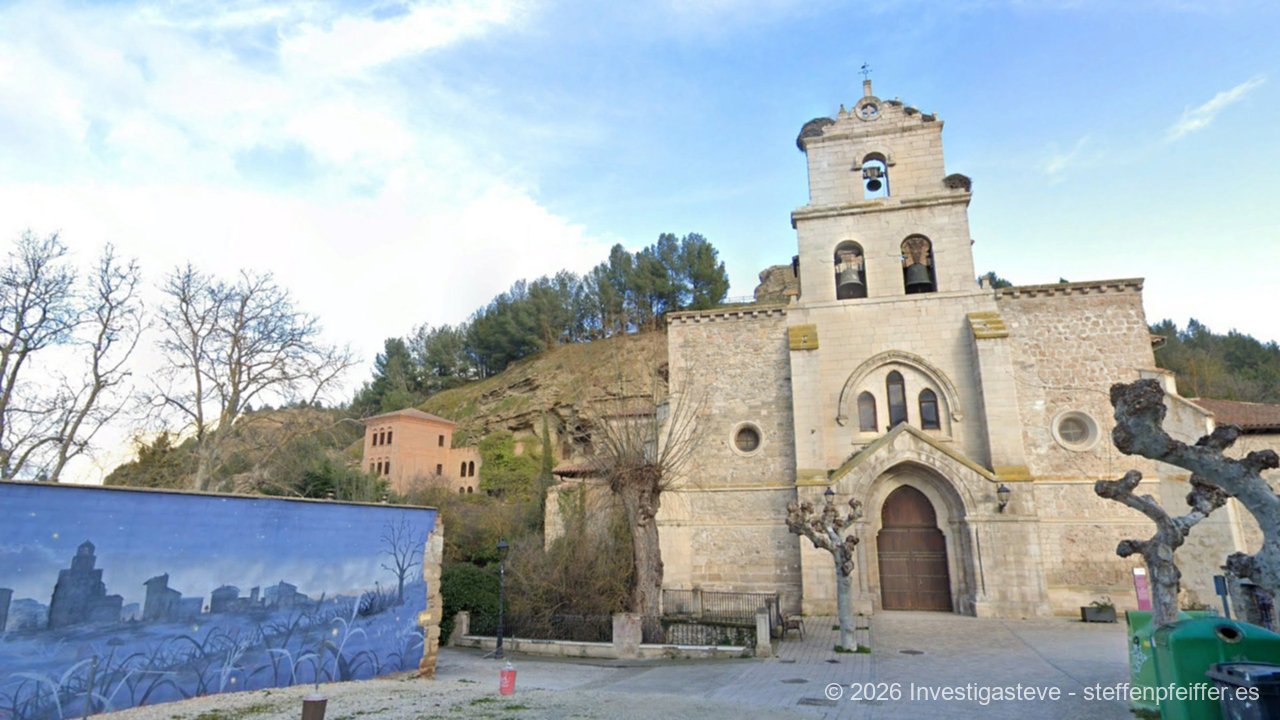
Another chapter of the town’s history is opened in the church of Santa María. This Renaissance building, built directly into the rock of the castle hill, houses art treasures of inestimable value. The enormous altarpiece seems almost to come alive in the candlelight, a visual testament to Baroque splendor. Yet Belorado also tells darker stories, such as the sieges and fires that repeatedly afflicted the town. Each time it rose like a phoenix from the ashes, which has given the psychological DNA of the inhabitants a special resilience. Historical continuity is also evident in the Monastery of Santa Clara, where the nuns have lived and prayed in seclusion for centuries, while outside the world of the Camino is in constant flux. Belorado is a living history book in which every epoch has left its traces – from the Roman milestone to the modern street art mural that now adorns the party walls and builds a bridge to the present.
Addresses & tips in Belorado
Camino Distances
The stage to Belorado leads from the fertile Rioja into the wide plains of Castile. The path is often flat, but due to the exposed location, prone to wind, which requires good fitness and mental endurance.
| Previous Place | Distance (km) | Next Place | Distance (km) |
|---|---|---|---|
| Santo Domingo de la Calzada | ca. 23.0 km | Tosantos | ca. 5.0 km |
Sleeping & Arriving
Arriving in Belorado is a feast for the senses. After passing through the suburbs, the path leads directly into the heart of the town, where numerous hostels and guesthouses await the exhausted walker. One of the best-known addresses is the Albergue Cuatro Cantones. Those who enter here immediately feel the special atmosphere of a professionally run yet warm accommodation. The tactile experience often begins in the garden, where a small pool revitalizes tired pilgrim feet with ice-cold water – a tingling sensation that makes the heat of the day disappear in seconds. Acoustically, the arrival is characterized by the babble of languages of the world pilgrim community, the clatter of dishes in the communal kitchen, and the distant ringing of church bells that set the rhythm of village life.
The psychological effect of arriving in Belorado is enormous. The town offers everything needed for regeneration: from specialized physiotherapists to well-stocked outdoor shops. You feel caught and cared for. The Monastery of Santa Clara offers a different, more spiritual form of arrival. Those who choose to stay overnight with the Poor Clare nuns enter a world of silence and contemplation. The smell of old incense and floor wax in the monastic corridors creates an atmosphere of reverence. Tactilely, it is the cool, smooth stone floors and the simple but clean linen sheets that convey a feeling of purism and concentration on the essentials. It is a return to the roots of hospitality, far from the bustle of commercial hostels.
For those seeking more privacy, the numerous “Casas Rurales” and hotels such as the San Antón Abad offer comfort that seems like true luxury after the exertions of recent days. The soft carpets, the warm light of the reading lamps, and the tactile pleasure of a hot shower in a modernized bathroom contribute to the physical metamorphosis. You strip off the dusty pilgrim clothing and slip into fresh attire – a ritual act of cleansing that also refreshes the spirit. The evening meal in the hostels, often served at long tables, is the social highlight. You share bread, wine, and stories, and in this moment of community, Belorado becomes a home away from home. The night’s rest is taken seriously here; the town wraps itself in a heavy, peaceful silence, interrupted only occasionally by the call of a night bird, optimally preparing the body for the ascent the next morning.
Eating & Drinking
The culinary world of Belorado is a hearty homage to Castilian agriculture. When you enter the restaurants around the Plaza Mayor, you are often greeted by an olfactory bouquet that immediately makes your mouth water: the scent of slowly braised lamb, the spicy smell of “Morcilla de Burgos,” and the fine note of garlic and olive oil. The Morcilla, a blood sausage with rice, onions, and special spices, is a must in Belorado. Tactilely, it offers an interesting play of textures – crispy on the outside, soft and grainy on the inside. The taste is earthy and intense, a perfect energy provider for the next day’s walk.
Another highlight is the “Lechazo,” the suckling lamb that is cooked in traditional wood-fired ovens. The meat is so tender that it almost melts on the tongue, while the skin is crispy and aromatic. It is served with the typical “Pan de Belorado,” a bread with a firm, crackling crust and a soft, airy crumb, ideal for soaking up the delicious meat juices. Acoustically, the meal is often accompanied by the clinking of wine glasses. Here, one prefers the robust red wines of the region, which glow deep red in the glass and taste of dark berries and a hint of oak wood. The wine warms from within and makes the conversations at the table come alive, a psychological balm after the solitude of the path.
Those with a sweeter tooth should definitely try the specialties of the nuns of the Monastery of Santa Clara. Their chocolates and pastries are famous far beyond the town limits. The tactile experience when the delicate chocolate melts on the tongue and the aromas of cocoa and sugar unfold is a small moment of bliss. The “Queso de Burgos,” a fresh, white sheep’s cheese, often served with honey or quince paste, also offers a cool, refreshing contrast to the heavy meat dishes. Eating in Belorado means tasting the strength of the earth and honoring the craftsmanship of the people who have refined these products for centuries. Every meal here is a celebration of constancy and an act of appreciation for nature.
Supplies & Logistics
Logistically speaking, Belorado is a dream for every pilgrim. The town is perfectly adapted to the needs of walkers without losing its authenticity. Everything is within walking distance, which greatly facilitates regeneration after the stage. The main street running through the town hosts a variety of service providers covering everything from shoe repair to high-tech hiking equipment.
Shopping: There are several well-stocked supermarkets and small “Ultramarinos,” where you can buy fresh fruit, energy bars, and local specialties for the path. Particularly recommended are the bakeries, whose scent wafts through the alleys early in the morning.
Gastronomy: From the simple tapas bar to the upscale restaurant, Belorado offers something for every budget. Many establishments offer special pilgrim menus at fair prices that are nutritious and tasty.
Accommodation: The selection is large and ranges from municipal and church albergues to private hotels and guesthouses. In the high season, a reservation is recommended for private accommodations, while the albergues often operate on a first-come, first-served basis.
Public Facilities: Belorado has a health center (Centro de Salud), a pharmacy, several ATMs, and a post office. Public transport connects the town with Burgos and Logroño, which can be important for pilgrims who need to shorten the stage or interrupt their journey.
Belorado’s logistical strength lies in its compactness. You do not have to travel far to replenish supplies or seek medical help. This saves valuable energy for the next day. The psychological security of being in a place prepared for all eventualities lets the pilgrim sleep more relaxed. Tactilely, logistics are supported by the well-marked paths within the town; you do not get lost, the yellow arrows are ubiquitous here and safely guide you through the labyrinth of alleys. Belorado is a prime example of functioning infrastructure on the Camino that harmoniously combines tradition and modernity.
Don’t Miss
– Church of Santa María: Admire the monumental altarpiece and the architectural masterpiece of integrating the church directly into the rock of the castle hill.
– Plaza Mayor: Enjoy a coffee under the arcades and let the colorful activity and half-timbered artistry wash over you.
– Paseo de las Estrellas: Look for the footprints of famous pilgrims and feel the tactile connection to those who walked before you.
– Monastery of Santa Clara: Visit the monastery shop for the famous sweets of the nuns – a culinary highlight.
– Castle Ruins: Dare the ascent at sunset for a breathtaking panoramic view of the Tirón Valley and the Montes de Oca.
– International Radio Museum (Bocanegra): An acoustic experience of a special kind in the nearby caves of San Miguel.
– Wall Paintings (Street Art): Discover the modern artworks that interpret classic Camino motifs in a contemporary way.
– Kingfisher Nature Trail: A short nature trail along the Río Tirón, ideal for a tactile nature experience away from the asphalt.
Insider Tips & Hidden Places
Away from the Plaza Mayor and the famous churches, Belorado hides treasures that only those willing to leave the beaten path will find. One of these places is the “Museo de Radiocomunicación Inocencio Bocanegra” radio museum. It is located in the artificial caves of the castle hill, which once served as grain stores. When you enter these caves, the acoustics change immediately – the echo of your own steps on the stamped earth and the cool, slightly damp air create an almost mystical atmosphere. Here you find one of the world’s most significant collections of radio equipment, including original pieces from World War II and from NASA. It is a fascinating contrast: ancient stone walls house the technology that once connected the world. The smell of old metal, ozone, and history is almost physically tangible here.
Another insider tip is visiting the “Cueva de Fuentemolinos” near the town. This cave is a geological wonder with impressive stalactites and stalagmites. Those who take a guided tour immerse themselves in complete tactile and acoustic isolation. You hear only the rhythmic dripping of water that has been shaping the forms for millennia and feel the absolute darkness when the lamps go out for a moment. Psychologically, this is a moment of total grounding, a reminder of how small we are compared to geological time. For the pilgrim, this excursion offers a welcome change from the horizontal movement on the Camino and opens a vertical dimension of experience.
Hidden in a small alley near the church of San Pedro, you can also often find small, owner-operated leather workshops where work is still done in the old tradition. If you are lucky enough to be allowed a look inside, you are overwhelmed by the intense scent of fresh leather and beeswax. The tactile pleasure of stroking a piece of high-quality calfskin or feeling the weight of a hand-forged shoemaker’s hammer connects the visitor directly with the craft soul of Belorado. These places are the true guardians of the town’s identity, far from mass tourism. Here you hear stories about the quality of soles and the durability of seams, which can be of existential importance for a walker.
To conclude a day in Belorado, a walk to the Río Tirón, where the locals swim in summer, is recommended. There are small, hidden riverbank spots where you can put your feet in the flowing water. The feeling of pebbles under the soles and the rush of the water dancing over the stones is an acoustic and tactile cleansing program. Here you can let your soul dangle before mentally preparing for the solitude of the Montes de Oca. Belorado gives you these quiet corners of reflection if you are willing to listen to them. It is these small, seemingly insignificant moments that complete the mosaic of a pilgrim journey.
Moment of Reflection
Belorado is a place of preparation and decision. Psychologically, many pilgrims find themselves here in a phase of consolidation. The first one hundred or two hundred kilometers lie behind them, physical complaints begin to subside or become habitual, and the mind becomes freer for deeper thoughts. The town, with its rich history and firm anchoring in craftsmanship, offers a perfect setting for taking stock. When you stand on the castle ruins and let your gaze wander over the wide land, you recognize the historical causality of your own path. You are part of a chain of seekers, fighters, and traders who all passed through this place. This realization can trigger a deep emotional metamorphosis: away from the individual “I am walking” towards the collective “I am part of the path.”
The Montes de Oca, looming threateningly and enticingly on the horizon, force the pilgrim to confront their fears and endurance. Belorado is the safe harbor before this storm. The tactile experience of the town – the leather, the stone, the soft bread – grounds the walker and gives them the necessary trust in their own physique. You check your equipment, you care for your feet, but above all you care for your intention. Why am I continuing? What am I leaving behind in Belorado? The silence of the Monastery of Santa Clara and the bustling energy of the Plaza Mayor offer two poles between which the mind can oscillate to find its own balance. In Belorado, you learn that growth often occurs in the silence of preparation before the actual ascent begins. It is a place of pausing that sends you out again with new strength and clear vision.
Camino of the Stars
This place lies on the Camino Francés, on the stage from Santo Domingo de la Calzada to Belorado. The sequence of places is:
Santo Domingo de la Calzada → Grañón → Redecilla del Camino → Castildelgado → Viloria de Rioja → Villamayor del Río → Belorado → Tosantos → Villambistia → Espinosa del Camino → Villafranca Montes de Oca → San Juan de Ortega
Did you also perceive the clattering of the storks on the towers of Belorado as a sign of welcome, or did the silence in the Monastery of Santa Clara move you more? Perhaps you reflected on your own path on the Paseo de las Estrellas or discovered a piece of true craftsmanship in one of the leather workshops? Share your experiences, your photos of the Plaza Mayor, or your thoughts before the ascent into the Montes de Oca with us. Your story is a living part of this path that makes Belorado so unique!
About the Author