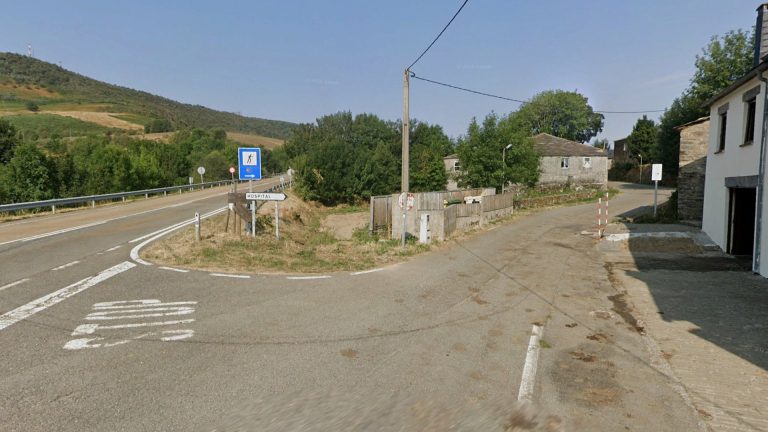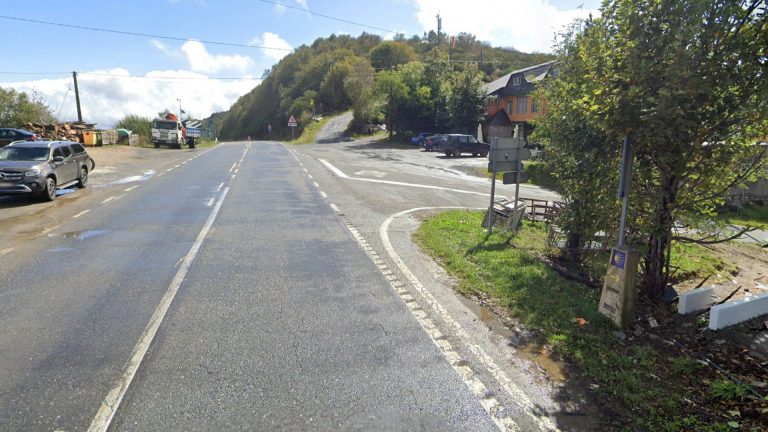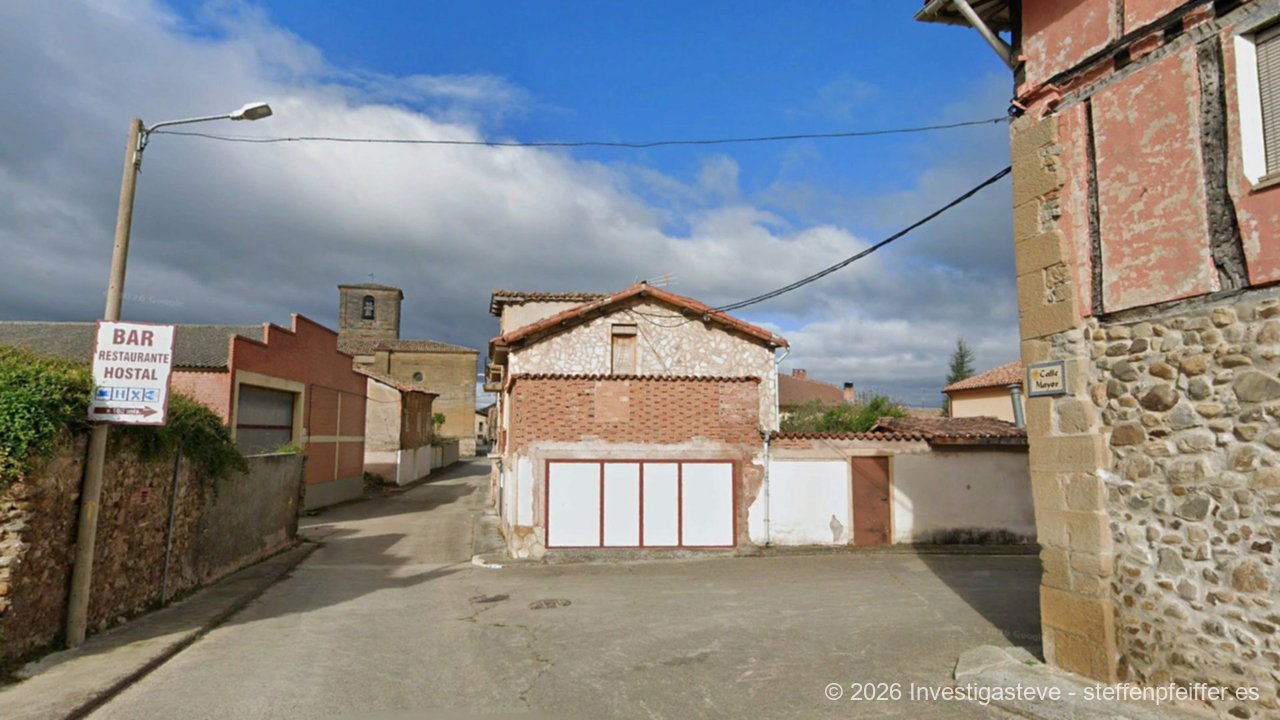
A First Glance – Introduction & Atmosphere
When the sun stands at its zenith and the shimmering heat dances over the endless grain fields of the Riojilla Burgalesa, Castildelgado announces itself to the approaching pilgrim as an oasis of constancy. It is that moment on the Way of St. James when the charming vineyards of the Rioja finally give way to the tart, honest vastness of Castile. Those who approach the place first feel the gentle but steady resistance of the wind, sweeping unhindered over the Meseta and transforming the rhythmic rustling of ripe grain into an acoustic meditation. Castildelgado lies where the horizon seems to have no end and the sky possesses a depth that makes the wanderer simultaneously humble and free. The ground beneath the boots, a mixture of firm clay and bright limestone dust, crunches softly with every step and tells of a landscape that surrenders to the rhythm of the seasons with archaic patience.
The psychological effect upon entering the village is immediate: the vastness of the fields is replaced by the protective, heavy walls of natural stone, radiating a cool silence. In Castildelgado, time seems to have a different consistency; it does not flow, it lingers. You smell the dry earth, mingled with the tart aroma of wild rosemary and thyme wafting over from the nearby hills. The place becomes tactile when you touch the rough, lichen-covered surfaces of the old noble buildings, testifying to the former importance of this small patch of earth. The distant ringing of church bells, vibrating like a metallic heartbeat through the clear air, forms the soundtrack for an arrival that marks less a destination than a deep pause. Here, at 770 meters elevation, the air is thinner and purer, sharpening the senses for the nuances of Castilian light that bathes the facades in a warm, almost glowing ochre.
Those who stroll through the single main street that runs through the place like a backbone encounter a world that resists the hustle of modernity. The silence is only occasionally interrupted by the clattering of a pair of storks on the church tower or the distant chugging of a tractor. It is a place of five-dimensional immersion: you see the golden splendor of the fields, hear the symphony of the wind, feel the coolness of the stone, smell the purity of the plateau, and psychologically experience the deep grounding that only the solitude of the Meseta can give. Castildelgado is not a place of loud promises; it is a place of quiet truths, inviting the pilgrim to adapt their own rhythm to the infinite slowness of history. The emotional metamorphosis that begins here is characterized by reduction to the essentials – a process powerfully supported by the simple beauty of the surroundings.
What This Place Tells
The history of Castildelgado is inseparably linked with the great noble houses of Castile and the strategic location on the border between the kingdoms of Navarre and Castile. The name itself, “Castil de Lences” or later Castildelgado, points to a defensive past, even if the once-proud fortifications today only live on in the massive foundations of the houses. In the 16th century, the place experienced its heyday under the aegis of the Velasco family, the powerful Constables of Castile. This historical causality is palpable in every corner of the village. The Plaza Mayor is lined with buildings that proudly display their stone coats of arms – silent witnesses to an era in which Castildelgado was an important hub for trade and the administration of the surrounding lands. Those who run their fingers over the carved symbols of chivalry touch directly the DNA of a country built on honor, faith, and hard work.
The architectural jewel and spiritual center is the Iglesia de San Pedro, a structure that embodies the transition from Gothic to Renaissance with majestic serenity. The mighty limestone portal, whose sculptures are weathered by the elements but unbroken in their expressive power, appears like a gateway to another dimension. Inside, a sacred coolness prevails, smelling of old incense and damp stone. The light breaks in the narrow windows and casts long shadows on the Baroque altarpiece, shimmering in dark gold. The acoustics of the space are of such density that every whisper is transformed into a message. Historically, this church was not only a place of prayer but also a refuge for pilgrims who sought comfort and protection from the dangers of the highway here on their way to Santiago. This psychological weight of the centuries, the collective prayer of millions of wanderers, seems stored in the walls and transfers to today’s visitor as a feeling of deep connection.
Yet Castildelgado also tells a story of change and resilience. The rural exodus of the 20th century has left its marks; many of the once-magnificent palaces stand empty, their gardens overgrown, yet the spirit of the place remains unbroken. Historical causality today shows itself in the way the remaining inhabitants preserve their heritage. It is a story of perseverance, manifesting in the care of public fountains and the maintenance of pilgrim paths. You sense that the place derives its identity not from growth, but from fidelity to its roots. Those who wish to understand the history of Castildelgado must turn their gaze from the great monuments to the small details: the hand-forged door knockers, the artistically built chimneys, and the traces of cart wheels in the old pavement. It is a narrative of the futility of pomp and the durability of the simple – a lesson the Camino imparts to its wanderers here with great intensity.
Addresses & tips in Castildelgado
Camino Distances
The stage through Castildelgado leads over the gentle foothills of the Riojilla Burgalesa and is characterized by easily walkable field paths, which, however, due to the lack of shade, place high demands on sun protection.
| Previous Place | Distance (km) | Next Place | Distance (km) |
|---|---|---|---|
| Redecilla del Camino | ca. 1.8 km | Viloria de Rioja | ca. 1.9 km |
Sleeping & Arriving
Arriving in Castildelgado is an act of conscious deceleration. After leaving behind the often wind-swept stretch from Redecilla, the village opens up like a stone refuge. The moment the pilgrim lets the backpack slide from their shoulders is marked by a physical relief that finds its psychological counterpart in the silence of the place. There are no loud welcoming committees or garish neon signs here. Instead, one is often greeted by a friendly nod from a local or the distant crowing of a rooster. The tactile experience of arrival is defined by the cool tiled floors of the hostels and the rough wood of the beds. It smells of freshly washed laundry dancing on the lines in the dry wind, and of the cool air streaming from the thick walls of the houses.
The accommodations in Castildelgado, often housed in historic buildings, offer an intimacy that has become rare in the large stage towns. In the albergue, you feel the family atmosphere cultivated by the hospitaleros with great passion. You hear the muffled murmuring of fellow pilgrims in the communal kitchen, the clatter of dishes, and the distant ringing of the church bell setting the rhythm of the evening. Psychologically, this is the phase of consolidation: the impressions of the day are processed while the body regenerates in the peace of the village. The simplicity of the furnishings directs focus to the essentials – conversation with the next person, writing in a journal, or simply watching the swallows circling the church tower.
A special experience is arriving in the late afternoon, when the light of the setting sun bathes the Plaza Mayor in a golden glow. You sit on one of the stone benches, feel the stored warmth of the day at your back, and watch the village slowly settle into the evening. This moment of immersion, in which you are no longer a stranger but part of a centuries-old stream, is the true reward for the hardships of the path. The tactile quality of the surroundings – the rough stone, the cool water of the fountain, the dry air – creates a grounding that strengthens the pilgrim for the coming kilometers. In Castildelgado, you not only arrive at a place, but you arrive at yourself.
The nights in Castildelgado have a depth that city dwellers hardly know anymore. The absolute absence of light pollution makes the starry sky shine with a brilliance that seems almost tangible. The only sound is the distant rustling of the wind in the grain fields, an acoustic ocean accompanying sleep. Those who wake here feel a freshness and clarity that expands the mind. The tactile pleasure of slipping into still-cool hiking boots and drinking the first sip of ice-cold water from the fountain marks the beginning of a new day. Arriving and staying in Castildelgado is thus a lesson in the art of contentment, a reminder that the greatest luxury often lies in silence and time.
Eating & Drinking
The gastronomy in Castildelgado is a homage to the honest, rustic cuisine of Castile. When the wanderer’s hunger meets the traditions of the Riojilla Burgalesa, moments of pure culinary truth arise. The scent of “Sopa de Ajo,” the typical garlic soup, often wafts through the narrow alleys by midday. Made from dry bread, plenty of garlic, olive oil, and smoky Pimentón de la Vera, it is more than just a dish – it is an embrace from within. Tactilely, you feel the warmth of the clay bowl in your hands, while the spicy steam enlivens the senses. It is a dish that tells the story of poor people who created maximum satiety and warmth from simple ingredients.
Another heart of the local cuisine is the “Lechazo,” the suckling lamb that has been elevated to an art form in this region. If you are lucky enough to stop at one of the local eateries, you are greeted by the aroma of meat cooked in the wood-fired oven. The meat is so tender it almost falls off the bone, and the skin is crispy and full of smoky nuances. It is served with the heavy, dark country bread, whose crust cracks so wonderfully when broken, and whose soft crumb is perfect for soaking up the delicious juices. Acoustically, the meal is often accompanied by the clinking of heavy wine glasses. Here you drink the wine of the region, a robust red that glimmers deep dark in the glass and tastes of berries and Castilian earth. The wine warms the throat and loosens tongues for the evening’s stories.
For dessert, the “Cuajada” should not be missed, a sheep’s milk pudding often served with local honey. The creamy, almost velvety texture of the pudding in contrast to the sticky, sweet honey is a tactile feast for the palate. You taste the herbs of the Meseta in the honey and feel the freshness of the pastures in the milk. Eating in Castildelgado means absorbing the landscape. There are no fashionable frills, only the quality of the product and the love in its preparation. This culinary honesty has a psychologically grounding effect and gives the body back the strength it needs for the coming kilometers. Every meal here is an act of appreciation for the gifts of nature and the hard work of the farmers.
Supplies & Logistics
Although Castildelgado is a small place, it offers the necessary logistical infrastructure for the modern pilgrim without losing its village charm. Supplies here are reduced to the essentials, freeing the mind from unnecessary decisions and promoting concentration on the path. You will not find glittering shopping centers here, but small, owner-run shops where service still has a personal touch. The smell in these shops is a fascinating mix of fresh pastries, dried ham, and the metallic aroma of household goods – an olfactory testimony to rural self-sufficiency.
Shopping: There is a small grocery store that covers the basic needs of walkers. Here you can buy fresh fruit, bread, and local specialties like cheese and sausage for a picnic by the wayside.
Gastronomy: One or two bars in the village function as social meeting points, where, in addition to a “Café con Leche” in the morning, you can also enjoy simple pilgrim menus or tapas. The atmosphere is warm and invites exchange with the locals.
Accommodation: Castildelgado has a pilgrim albergue and private accommodations (Casa Rural). Capacities are limited, which underscores the family character of the stay and makes an early arrival or reservation advisable in the main season.
Public Facilities: A public fountain with drinking water is located in the village center, as are benches for resting. Medical care or ATMs are only found in the larger neighboring towns such as Belorado, so forward planning of finances and medication is recommended.
The logistical significance of Castildelgado lies primarily in its function as a tranquil haven between the busier stations. Many pilgrims use the place for an extended lunch break or as an overnight destination to escape the hustle and bustle of the larger towns. The paths within the village are short, sparing tired feet. Tactilely, logistics are supported by the well-marked paths; the yellow arrows are safely and prominently attached to the facades. Castildelgado proves that good supply does not depend on the size of the place, but on the efficiency and warmth of the existing structures. It is a place that teaches the pilgrim to make do with what is necessary and to find deep satisfaction in it.
Don’t Miss
– Iglesia de San Pedro: Admire the monumental Renaissance portal and let the sacred silence of the interior work on you.
– Plaza Mayor: Sit on one of the stone benches and observe the play of light and shadow on the historic facades with their noble coats of arms.
– The Velasco Family Coat of Arms House: Look for the most magnificent stone coat of arms in the village, telling of the former power of the Constables of Castile.
– The Village Fountain: Refresh yourself at the clear, ice-cold water of the central fountain – a tactile pleasure on hot days.
– The View of the Meseta: Go to the western edge of the village and let your gaze wander over the endless sea of grain when the wind bends the stalks.
– The Old Wine Cellars (Bodegas): At the edge of the village, pay attention to the small ventilation shafts in the ground, hinting at the underground treasures of local wine production.
Insider Tips & Hidden Places
Away from the Plaza Mayor and the church, Castildelgado hides small jewels that only reveal themselves to the attentive observer. One of these places is the small, almost forgotten garden behind the former city wall, where ancient fruit trees stand among ruins. When you sit there in the shade of an apple tree, you hear the soft hum of wild bees and the rustling of lizards in the dry leaves. The scent of ripe fruit and weathered stone creates a melancholy but peaceful mood. Here you can feel the historical causality of the place most intensely: how nature slowly reclaims what man once built with great pride. It is a place for quiet thoughts, a private refuge amidst public history.
Another insider tip is the search for the small, carved marks of the stonemasons on the walls of the Iglesia de San Pedro. When you run your fingertips over the stone, you can feel the individual signatures of the craftsmen from the 16th century. It is a tactile connection across half a millennium, a reminder that every great structure consists of the work of many individual hands. These small markings are like secret messages from the past, teaching us that even our own traces on this path, as insignificant as they may seem to us, are part of a greater whole. You often find these marks on the shadier north sides of the church, where the stone is less weathered.
Those who explore Castildelgado at sunset should take the narrow path leading north out of the village. There is a small elevation there from which you have an unobstructed view of the panorama of the Riojilla Burgalesa. When the sun sinks as a red fireball behind the horizon and bathes the grain fields in a deep violet, the place unfolds a psychological magic difficult to put into words. You hear only the distant clattering of the storks and your own breath. It is a moment of total immersion, in which the boundaries between self and landscape blur. This viewpoint is not an official tourist spot, but for the pilgrim it is an altar of nature, inviting deep gratitude.
A final hidden treasure is the heavy, hand-forged iron fittings on some of the oldest house doors in the side streets. They feel cool and massive, testimonies to a time when craftsmanship was a matter of course. Every ornament, every twist of the metal tells of the aesthetic care of past generations. Sometimes one of these doors opens, and you catch a glimpse of a dark, cool courtyard full of geraniums. These fleeting glimpses into the private life of the village are the true gifts for the wanderer. They show that Castildelgado, despite its history as a place of passage, is a living organism that carefully guards its secrets.
Moment of Reflection
In Castildelgado, the pilgrim often reaches a point of inner clarity, favored by the simplicity of the surroundings. The vastness of the Castilian landscape acts like a mirror of one’s own soul. Psychologically, this is the phase of acceptance: you accept the exertion, the blisters, and the solitude. The historical causality – millions of people before me had the same thoughts and fears – gives a feeling of security and connection. In the silence of the place, you recognize that growth often occurs in reduction. Castildelgado gives us this space of emptiness to fill it with new insights.
Perhaps you sit on a stone wall in the evening and watch the shadows grow longer. The emotional metamorphosis from the hurried everyday person to the calm wanderer happens here almost unnoticed. It is the realization that every place on the Camino, no matter how small or inconspicuous, is an important mosaic piece on the path to the goal. Castildelgado teaches us patience and the beauty of the simple. It prepares us mentally for the challenges of the coming days, in which the solitude of the Meseta will increase even further. Here you draw strength from the stone and vastness from the wind. It is a moment of pausing before the path leads us further into the heart of Spain.
Camino of the Stars
This place lies on the Camino Francés, on the stage from Santo Domingo de la Calzada to Belorado. The sequence of places is:
Santo Domingo de la Calzada → Grañón → Redecilla del Camino → Castildelgado → Viloria de Rioja → Villamayor del Río → Belorado
Did you also enjoy the coolness of the old noble walls in Castildelgado while the sun blazed over the Meseta? Perhaps you discovered a hidden coat of arms or found a very special refreshment at the central fountain? Share your personal impressions, your photos of the historic facades, or your thoughts on the infinite vastness of the Riojilla Burgalesa with us. Your story is a valuable part of the great Camino mosaic that makes this small place so alive!
About the Author