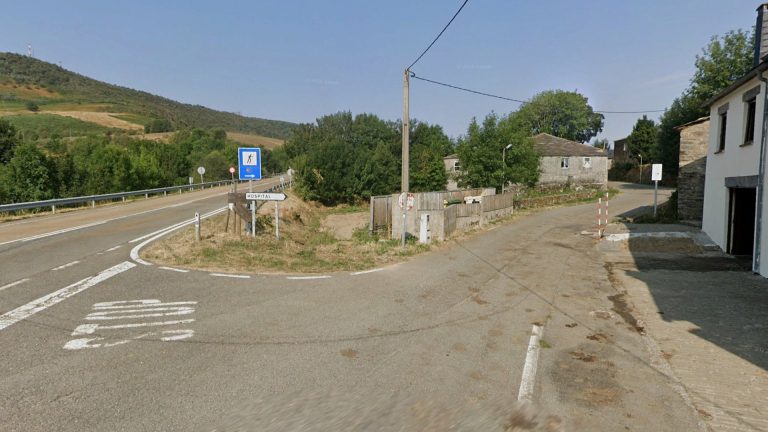
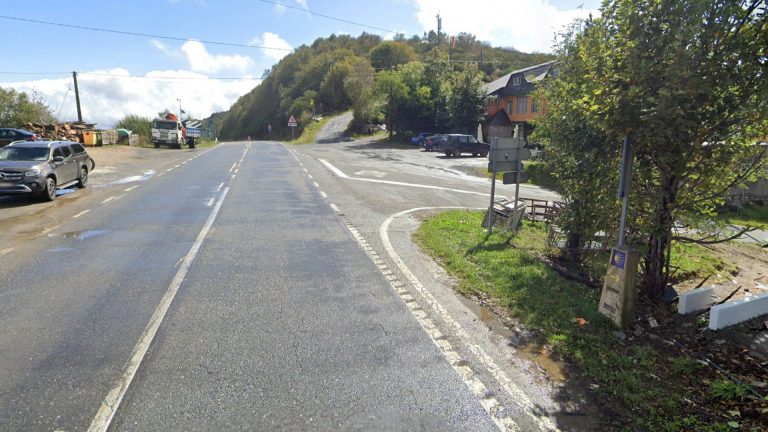
A First Glance – Introduction & Atmosphere
When the pilgrim leaves the bustling provincial capital of Logroño and the history-laden Navarrete behind, the landscape of the Rioja Alta opens up in a way that evokes both humility and wonder. The path winds through a sea of vines, whose leaves, depending on the season, glow in lush green or flaming purple, and inevitably leads to a hill that bears its name for good reason. Ventosa, the “windy village”, sits on a ridge like a silent observer over the Ebro Valley. Even from afar, the place announces itself through the striking profile of the Church of San Saturnino, which rises defiantly into the often deep-blue sky. The moment you conquer the gentle slope and catch your first glimpse of the ochre-coloured tiled roofs is marked by a tactile immediacy: the wind, which blows almost constantly here, sweeps over your face like an invisible hand, dries the sweat of the last kilometres, and brings with it the pungent freshness of the nearby Sierra de la Demanda.
The atmosphere in Ventosa is imbued with a peculiar, almost meditative calm. Here you do not hear the roar of large cities, but the rhythmic rustling of leaves, the distant clattering of storks’ beaks, and the soft crunch of the reddish sandstone ground under your hiking boots. It smells of dry earth, of the spicy aroma of wild rosemary and thyme that thrives in the uncultivated verges between the vineyards. Psychologically, arriving in Ventosa marks a caesura. While the preceding kilometres were often dominated by the vastness of the landscape, here the focus narrows to the intimacy of a village that consciously sets itself against the hustle and bustle of the main route. Many pilgrims choose Ventosa as a deliberate detour or as a quiet stage stop to escape the anonymity of the larger towns. This decision is rewarded tactilely by the rough surfaces of the old stone walls, which store the warmth of the sun and radiate a comfortable coolness in the evening.
As you climb the narrow, rising alleys up to the church square, you feel the historical causality of a place that has been a crossroads for travellers and merchants for centuries. The five-dimensional immersion begins here: you see the golden light dancing on the stone façades; you hear the echo of your own footsteps in the narrow passages; you feel the texture of the coarse plaster and the massive wood of the portals; you smell the heavy, fruity scent of the nearby wine cellars, and you experience a psychological metamorphosis that transforms the walker from a mere kilometre-devourer into an attentive observer. Ventosa is not a place to rush through; it is a place that invites you to set down your backpack, let your gaze wander over the endless vineyards, and take a deep breath while the wind clears your thoughts and equips your mind for the coming challenges of the Way.
What This Place Tells
Ventosa is a stone witness to the eventful history of Castile and the Rioja. Medieval chronicles often mention the place as a strategic lookout point that controlled movements in the valley. Yet its true significance derives from Saint Saturninus of Toulouse, the patron saint of Pamplona, whose name the parish church bears. Historical causality takes us back to the 11th century, when the Camino de Santiago flourished under King Sancho III of Navarre. Ventosa was then an important market town, known for its livestock trade and its strategic location on the trade routes between the coast and the hinterland. Standing today before the Iglesia de San Saturnino, you can still recognise in its defensive character the necessity of protection in a time when borders were fluid and conflicts were ever-present.
Architecturally, the church stands out with its simple yet powerful Baroque façade, which rests on the foundations of much older structures. Inside, a sacred coolness prevails, smelling of old incense and damp stone. The tactile experience of touching the massive, often centuries-old pews or walking across the smoothly polished stone slabs of the floor connects the modern pilgrim directly with the generations of faithful who sought comfort here before them. Particularly fascinating is the connection of tradition and modernity that Ventosa has created in recent years through the project “1 Kilómetro de Arte”. Along the pilgrim path leading to the village, contemporary artists have created sculptures and installations that blend organically into the landscape. These works of art do not speak of pompous kings, but of the human experience of walking, seeking, and finding.
In these installations, you almost hear the voices of the artists trying to cast the ineffable of the Camino into form and material. Tactilely, these works are often rough, made of iron, stone, or ceramics, and they invite you to touch them – a deliberate provocation of the senses in an otherwise often purely visual world. Historically, Ventosa thus continues the tradition of the Camino as a place of cultural exchange and spiritual renewal. The psychological weight of history is here alleviated by the lightness of art. It is a narrative of transformation: from a strategic military post to a spiritual retreat that today shows that tradition remains alive only when it opens itself to new forms of expression. In Ventosa, the past is not locked away in museums; it breathes in the walls, speaks through the wind, and finds its modern expression in the sculptures that line the path.
Addresses & tips in Ventosa
Camino Distances
The stage to Ventosa leads through the heart of the Rioja Alta wine region. The paths are well-marked, but due to steady, albeit moderate, ascents, they demand good energy management, especially when the midday heat shimmers over the fields.
Sleeping & Arriving
Arriving in Ventosa is an experience of deceleration. After leaving behind the often wind-swept paths through the vineyards, the path leads directly into the heart of the village. The moment you set down your backpack in front of one of the hostels is marked by a physical relief that finds its psychological counterpart in the silence of the place. There are no anonymous mass dormitories here; the accommodations in Ventosa, such as the well-known Albergue San Saturnino, stand out for their family atmosphere that immediately welcomes the pilgrim into a community. You hear the soft clatter of dishes in the kitchen, the muted murmur of fellow pilgrims exchanging experiences, and the distant ringing of the church bell that sets the rhythm of the evening.
Tactilely, arriving is defined by the cool tiled floors and the rough wood of the furniture. It smells of freshly washed laundry dancing on the lines in the inner courtyard in the dry wind, and of the cool air streaming from the thick stone walls of the hostels. Psychologically, an important metamorphosis occurs here: the walker becomes a guest. The tension of the kilometres gives way to a deep gratitude for a simple bed and a warm soup. In Ventosa, the tradition of “Hospitalitas” – unconditional hospitality – is still actively lived. You feel the genuine interest of the hospitaleros, who have often walked the way themselves and know what a tired body and a searching spirit need at the end of the day.
In the evening hours, the small square in front of the church or the garden of the hostel transforms into a social hub. Here, blisters are treated, maps are studied, and friendships are forged that often endure long after the end of the Way. The tactile experience of dipping tired feet into cool water or feeling the warmth of a freshly brewed tea in your hands is the finest reward for the exertions. The acoustics of the evening are marked by a deep, almost physical calm, interrupted only occasionally by the rustling of leaves. Whoever stays overnight in Ventosa consciously chooses the quality of the moment over the hustle of the larger towns.
The nights in Ventosa have a depth that city dwellers barely know anymore. The absolute absence of light pollution makes the starry sky shine with a brilliance that seems almost tangible. The only sound is the distant roar of the wind carrying the pilgrims’ stories across the vineyards. Whoever wakes here feels a freshness and clarity that expands the mind. The tactile pleasure of slipping into still-cool hiking boots and drinking the first sip of ice-cold water from the fountain marks the beginning of a new day. Arriving and staying in Ventosa is thus a lesson in the art of frugality, a reminder that the greatest luxury often lies in silence and time.
Eating & Drinking
The culinary experience in Ventosa is a homage to the honest, rustic cuisine of the Rioja. When the walker’s hunger meets the traditions of the Rioja Alta, moments of pure culinary truth arise. The scent of “Patatas a la Riojana”, a hearty stew of potatoes and spicy chorizo, often wafts through the narrow alleys as early as lunchtime. Prepared with local olive oil and a hint of Pimentón de la Vera, this dish is more than just a meal – it is an embrace from within. Tactilely, you feel the warmth of the earthenware bowl in your hands as the spicy steam enlivens your senses. The potatoes are cut in such a way that they release their starch and thicken the sauce into a creamy consistency, offering a tactile pleasure on the palate.
Another cornerstone of local fare is, of course, the wine. In Ventosa, you do not just drink wine; you celebrate it as an elixir of life and part of regional identity. The robust red wines that ripen in the surrounding hills taste of dark berries, of the Castilian sun, and of the patient work of the vintners. The heavy weight of the wine glass in your hand, the deep red colour that glows almost like blood in the evening light, and the aroma of oak and vanilla form a total sensory masterpiece. Acoustically, the meal is often accompanied by the clinking of glasses and the hearty laughter of the locals enjoying their after-work hours. Psychologically, a meal in Ventosa is grounding – it reminds the pilgrim that despite the spiritual quest, the roots of culture lie in the earth and in craftsmanship.
For dessert, homemade specialities such as “Arroz con Leche” (rice pudding) often beckon, whose creamy texture and delicate aroma of cinnamon and lemon provide a gentle conclusion to the meal. Those who prefer something savoury should definitely try the “Chorizo al Vino”, a sausage cooked in wine whose intense flavour beguiles the senses. Eating in Ventosa means absorbing the landscape. There are no fashionable gimmicks, only the quality of the product and the love of preparation. This culinary honesty is psychologically soothing and gives the body back the strength it needs for the coming kilometres to Nájera. Every meal here is an act of appreciation for the gifts of nature and the hard work of the farmers.
Supplies & Logistics
Although Ventosa is a small place, it offers a logistical infrastructure perfectly tailored to the needs of the modern pilgrim without losing its village charm. Provisioning here is reduced to the essentials, which frees the mind from unnecessary decisions and promotes concentration on the inner path. You will find no anonymous supermarkets here, but small, owner-run units where service still has a personal touch. The smell in these shops is a fascinating mix of fresh pastries, cured ham, and the metallic aroma of household goods – an olfactory testament to rural self-sufficiency.
Shopping: A small grocery store in the village supplies walkers with the most basic necessities, fresh fruit, and regional specialities such as cheese and olive oil. The selection is small, but the quality of the local products is excellent and provides authentic provisions for the road.
Gastronomy: One or two bars in the village function as social meeting points, where you can enjoy a “Café con Leche” in the morning as well as simple pilgrim menus or tapas. Especially in the late afternoon, the scene comes to life when pilgrims and locals together let the day fade away.
Accommodation: Ventosa has an excellent selection of hostels and private guesthouses (Casa Rural), known for their cleanliness and warmth. In high season, an early arrival is advisable, as the limited spaces in this popular stage stop fill up quickly.
Public Facilities: The village has a public fountain with cool drinking water, several benches for resting, and the church, which can be visited during prayer times or by arrangement. For further medical care or ATMs, pilgrims must rely on larger towns such as Navarrete or Nájera.
The logistical significance of Ventosa lies above all in its function as a quiet haven away from the main thoroughfares. Many pilgrims use the place to check their equipment one more time or to make minor repairs to clothing and footwear. The paths within the village are short, which spares tired joints. Tactilely, logistics are supported by the well-marked paths within the village; you do not get lost, and the yellow arrows are securely and prominently affixed to the massive façades. Ventosa proves that good provisioning does not depend on the size of a place, but on the efficiency and warmth of its inhabitants. It is a place that teaches that less is often more, and that offers the logistical security necessary for a carefree onward journey.
Don’t Miss
– 1 Kilómetro de Arte: Experience the fascinating connection between contemporary sculpture and the endless expanse of the Rioja landscape along the pilgrim path.
– Iglesia de San Saturnino: Visit this fortified church and enjoy the sacred silence and cool air behind its massive stone walls.
– The viewpoint at the cemetery: From here, you have a breathtaking panorama over the Ebro Valley, which unfolds a psychological magic especially at sunset.
– Visit a local bodega: Immerse yourself tactilely and olfactorily in the world of winemaking and taste the power of the Rioja Alta directly at its source.
– The village fountain: Refresh yourself with the clear, ice-cold water of the central fountain – a simple but intense tactile pleasure on hot days.
– The historic stone coats of arms: As you stroll through the alleys, notice the family crests carved in stone above the portals, telling of the place’s former importance.
Insider Tips & Hidden Places
Away from the Plaza Mayor and the church, Ventosa conceals little jewels that reveal themselves only to the attentive observer. One of these places is the old washhouse (Lavadero), somewhat hidden in a hollow on the edge of the village. In the past, this was the acoustic centre of the place, where women exchanged news to the rhythm of beating laundry on the stone. Today, a nearly mystical silence reigns there. When you sit on the rough stone edge and dip your hands into the ice-cold water, you feel a tingling that immediately enlivens your senses. The sound of the steadily flowing water has a meditative quality that calms the mind. The smell of damp moss and old stone offers a welcome contrast to the dry heat of the vineyards.
Another insider tip is a narrow footpath north of the village that leads to a small hill often used by locals for private picnics. Up there, far from the clatter of walking sticks on asphalt, you find the remains of an old dry-stone shepherd’s hut. Sitting on the rough stones, you have an uninterrupted view of the vast sea of grain and the distant mountains of the Sierra de la Demanda. Up here, it smells of wild rosemary and sage; the essential oils rise in the midday heat and intoxicate the senses. It is a place of absolute immersion in nature, where you only hear the wind in your ears and the distant ringing of a flock of sheep. Psychologically, this place is an altar of freedom, a point where the weight of the backpack and the worries of everyday life become utterly meaningless.
For history enthusiasts, it is worth searching for the small, embedded markings on the doorsteps of some of the oldest houses in the side streets. These are often protective symbols or marks of former inhabitants, barely perceptible tactilely, but establishing a deep connection to popular piety. When you run your fingertips over these grooves in the stone, you touch directly the fears and hopes of generations who lived here before us. These hidden details make Ventosa a living history book that you must not read, but feel. In a small alley, you will often also find an old workshop where leather is still worked in traditional ways – the smell of tanned leather and beeswax is overwhelming.
To conclude a day in Ventosa, the little Ermita de San Roque at the edge of the village welcomes you. It is often locked, but the square in front of it offers a tactile grounding par excellence. The turf here is soft, the air pure, and you look directly at the further course of the Camino, stretching like a thin ribbon into the distance. Here you can transform the “threshold anxiety” of the onward path into quiet determination. Ventosa does not give up its secrets to the hurried walker; you must approach it with humility and curiosity to grasp the true depth of its hidden places. It is the quiet tones, the cool shadows, and the rough surfaces that make this place an incomparable experience that expands the mind and strengthens the heart.
Moment of Reflection
In Ventosa, the pilgrim often reaches a point of inner consolidation, facilitated by the geographical location and the spiritual atmosphere of the place. The wide view over the Rioja acts as a mirror of the soul. Psychologically, this is the phase of acceptance: you accept the exertion, the blisters, and the solitude. The historical causality – millions of people before me had the same thoughts and fears – gives a feeling of security and connectedness. In the silence of the Church of San Saturnino or while contemplating the modern artworks, you recognise that growth often occurs through reduction. Ventosa grants us this space of emptiness so that we may fill it with new insights.
In the evening, you might sit on a stone wall and watch the shadows of the vines grow longer. The emotional metamorphosis from the hurried everyday person to the calm walker unfolds here almost unnoticed. It is the recognition that every place on the Camino, no matter how small or unremarkable, is an important mosaic piece on the path to the goal. Ventosa teaches us patience and the beauty of simplicity. It mentally prepares us for the challenges of the coming days, when the solitude of the Meseta will increase. Here you draw strength from the stone and vastness from the wind. It is a moment of pause before the path leads us further into the heart of Spain.
Camino of the Stars
This place lies on the Camino Francés, on the stage from Navarrete to Nájera. The sequence of places is:
Did you also feel the special connection of ancient history and modern art in the wind-swept alleys of Ventosa? Perhaps you paused at the “Kilómetro de Arte” and reflected on your own path, or you had an encounter in one of the cosy hostels that touched your heart? Share your personal impressions, your photos of the sculptures, or your thoughts on the silence of the Rioja with us. Your story is a valuable part of the infinite Camino mosaic that makes this place so alive!
About the Author