A First Glance – Introduction & Atmosphere
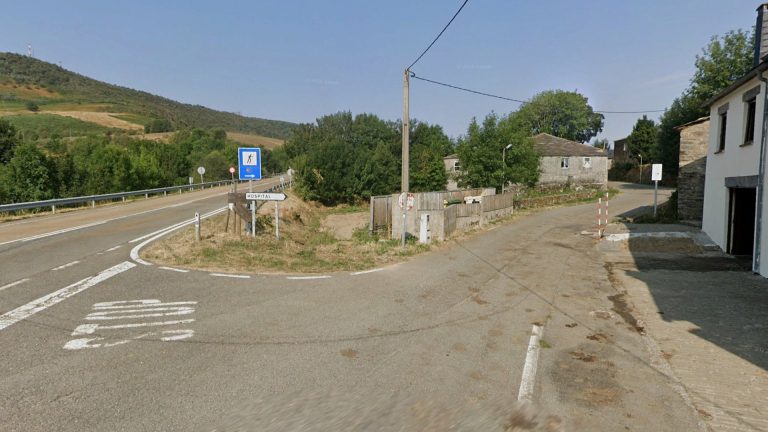
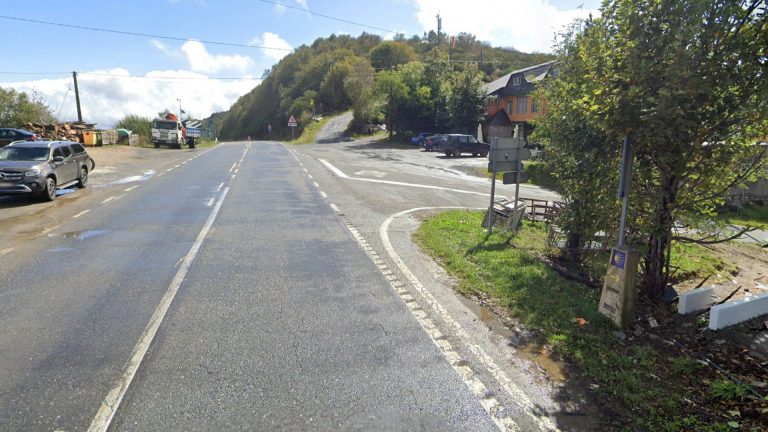
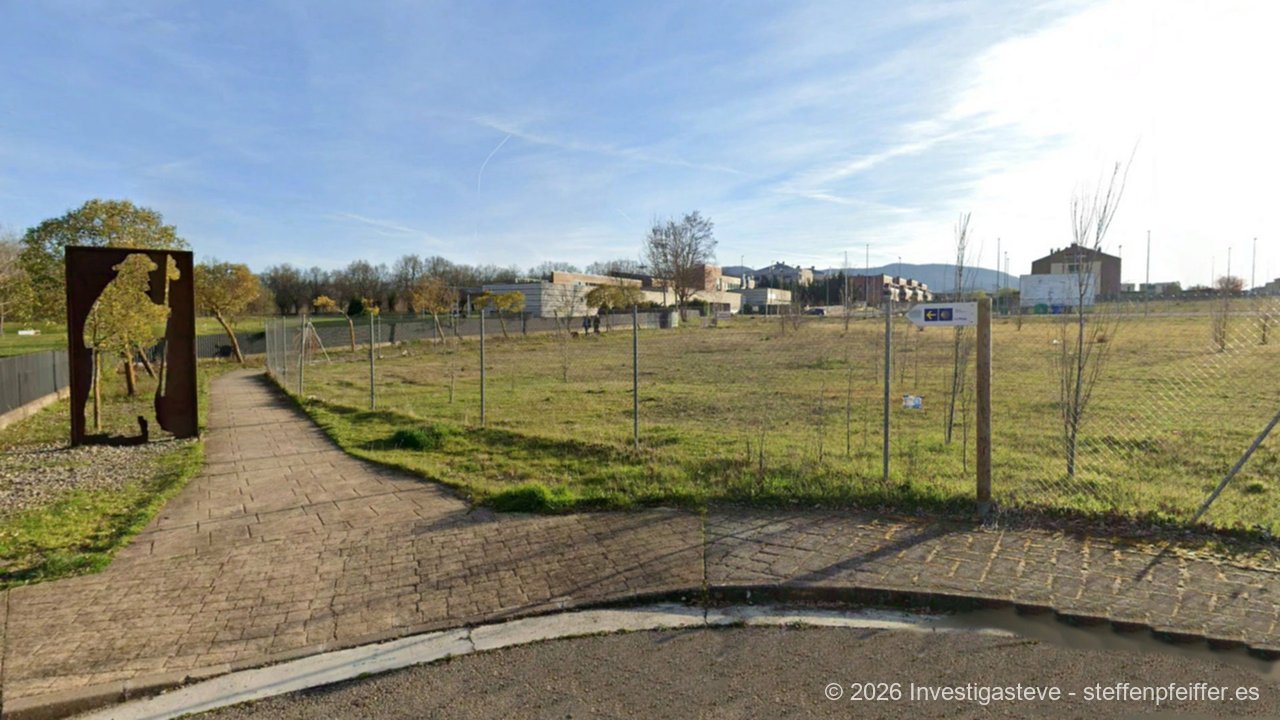
When the pilgrim has left the venerable alleys of Nájera behind and mastered the gentle, steady ascent onto the plateau of the Rioja Alta, the world changes in a way that hardly any other place on the Camino Francés brings about so radically as Cirueña. You emerge from the shady vineyards and the reddish clay paths and suddenly find yourself facing a scene that appears like a mirage of modernity thrown into the barren Castilian landscape. Cirueña is a place of two faces, an architectural paradox that initially plunges the walker into a state of deep irritation. On one side, the tiny, historic village with its squat stone houses; on the other, a gigantic, almost clinically appearing urbanization with a brightly green golf course lying like an artificial emerald ribbon amidst the ochre wheat fields.
The acoustic backdrop upon arrival is characterized by an almost eerie silence. While in other places the distant sound of a tractor or the barking of a dog fills the air, here you often hear only the rhythmic hissing of the automatic irrigation systems fighting against the relentless dryness of the plateau. It is a tactile experience of contrasts: you feel the fine, bright dust of the pilgrim path still in the pores of your skin, while you walk on perfectly asphalted paths leading through deserted avenues. The wind blows sharper here over the open land, it smells of dry straw and sun-scorched earth, but suddenly mingles with the scent of freshly cut, damp grass as soon as you reach the borders of the golf resort. Psychologically, this contrast triggers in many pilgrims a deep reflection on their own journey – you feel like an anachronism, a medieval wanderer in a suburban setting that, after the 2008 real estate crisis, often appears like a “ghost town.”
In the early morning hours, when the mist still hangs over the hollows, Cirueña unfolds an almost mystical aura. You hear the click of your own hiking poles on the hard ground, echoing louder than usual because no other sounds dampen it. It is the hour when the village reclaims its historical weight. The five-dimensional immersion begins here: the eye searches for the old walls of the church of San Andrés, while the nose captures the smell of damp clay and old stone. You feel the cool breeze of the plateau wafting down from the distant mountains of the Sierra de la Demanda. Cirueña is not a place you simply walk through; it is a psychological caesura that forces the pilgrim to readjust their expectations of the path’s authenticity and to find beauty in the surreal.
What This Place Tells
The history of Cirueña is a narrative of ascent, deep spiritual brilliance, and a modern reinvention that did not proceed without pain. As early as the 10th century, the place is mentioned in chronicles, closely connected to the power of the Monastery of San Andrés, founded here in 972. At that time, Cirueña was not an insignificant hamlet, but a spiritual center of rank that achieved prosperity through donations from the Navarrese king Sancho Garcés II. Historical causality leads us back to a time when the monastery functioned as a bulwark of faith and as a resting station for the early pilgrims, before it fell under the jurisdiction of the powerful Monastery of Santa María la Real in Nájera in the 11th century. Those who stroll through the old village center today almost hear in their minds the echo of the Cluniac monks who once shaped these paths.
Architecturally, the Iglesia de San Andrés is the heart of the historical narrative. Even though the current building primarily shows Baroque and later elements, it rests on foundations that have witnessed the entire millennium of pilgrim history. Inside, a sacred coolness prevails, smelling of old incense and cool masonry – an olfactory anchor in time. You feel tactilely the uneven stones of the door thresholds, smoothed polished by millions of feet. The church tells of a time when Cirueña was a flourishing community, before wars and rural exodus almost pushed the place into oblivion. The psychological weight of this past stands in stark contrast to the “Urbanización Rioja Alta,” planted into the landscape like a foreign body at the beginning of the 21st century.
The modern history of the place is one of economic hubris. Planned as a luxurious refuge with hundreds of villas and a championship golf course, the global financial crisis hit Cirueña with full force. Today, the place also tells a story about failure and constancy. You see the half-finished streets, the empty pools, and the immaculate facades behind which there is often no life. This historical causality of the present is fascinating for the pilgrim: you realize that the Camino does not only lead through a static museum, but through a living, changing, and sometimes erring world. Cirueña teaches us that monuments do not always have to be made of stone; sometimes an empty street is just as powerful a memorial as a crumbling castle. It is the story of a place that tried to trade its soul for progress and is now laboriously learning to reconcile both worlds.
Addresses & tips in Cirueña
Camino Distances
The stage through Cirueña is characterized by wide views over the Rioja Alta. The path is mostly flat or gently undulating, but due to the exposed location on the plateau, it offers little shade, which requires good preparation, especially in the summer months.
| Previous Place | Distance (km) | Next Place | Distance (km) |
|---|---|---|---|
| Azofra | ca. 9.5 km | Santo Domingo de la Calzada | ca. 6.0 km |
Sleeping & Arriving
Arriving in Cirueña is a sensory borderline experience. After walking for kilometers through the solitude of the fields, the yellow arrow leads directly into the heart of the modern urbanization. Suddenly you hear the distant “plop” of a golf ball hitting a green – a sound that in the silence of the Meseta almost acts like a gunshot. The ground beneath your feet becomes firm and even, the hiking boots clatter on the fresh asphalt of the Avenida de la Rioja. It is a moment of psychological dissonance: you expect a medieval hostel and find yourself in a suburban idyll reminiscent of Californian luxury resorts. Yet it is precisely in this contrast that the relief of arrival lies.
The albergues in Cirueña, such as the well-known Albergue Victoria, offer a level of comfort that is often far above the average on the path. You enter and smell the cleanliness of modern facilities, mingled with the scent of freshly brewed coffee that the hospitaleros keep ready for the arrivals. Tactilely, arrival is characterized by the blessing of a hot shower in a modern bathroom, where the water pressure is not yet hampered by centuries-old pipes. You feel the cool tiles beneath your battered feet and the soft padding of the beds, which here often offer more space than in the overcrowded mass accommodations of the larger towns. The psychological metamorphosis is palpable: the “ordeal” of the day gives way to an almost luxurious regeneration.
In the evening, when the pilgrim community gathers in the modern common rooms or in the garden, a very own atmosphere arises. You hear the muffled murmuring of conversations, while outside the irrigation systems envelop the golf course in a damp mist. It smells of freshly cut grass and the cool evening air rising from the mountains. Many pilgrims use the arrival in Cirueña for a conscious break. You are away from the hustle of stage destinations like Santo Domingo de la Calzada. Arrival becomes a ritual act of pausing in an environment that may seem artificial, but precisely through that offers a protected space for inner reflection. You feel the throbbing in your calves, the sign of the kilometers covered, and let your gaze wander over the empty streets – a moment of peace that grounds the soul in its almost surreal silence.
The night in Cirueña has a depth found only in places actually built for thousands of people but inhabited by only a few. Only the soft creaking of modern building materials cooling down after the heat of the day is audible. Those who set up camp here choose silence. It is a tactile experience to slip into the cool sheets and know that outside modern Spain sleeps, while you yourself remain deeply rooted in the rhythm of an ancient tradition. Waking the next morning, often accompanied by the first pale light reflecting in the glass facades of the villas, marks the beginning of a new stage, strengthened by the unusual security of this place.
Eating & Drinking
The culinary world of Cirueña also reflects the duality of the place. When you settle down in the bar of the golf club or in the small establishments of the village, you encounter honest Rioja cuisine served here without tourist frills. The scent of “Patatas a la Riojana,” the classic stew of potatoes and spicy chorizo, wafts through the rooms. It is an olfactory promise of strength and warmth. When the first spoonful of the creamy sauce touches the palate, you taste the sun of the region, the fine aroma of Pimentón de la Vera, and the earthy texture of the locally grown potatoes. Tactilely, it is a pleasure to break the heavy, rustic country bread, whose crust cracks loudly and whose soft crumb is perfect for soaking up the last drops of the sauce.
Another heart of the local fare is the wine of the Rioja Alta. In Cirueña, you do not drink it from exquisite crystal goblets, but often from simple glasses that nevertheless carry the full aroma of red fruits and oak wood. The wine is deep red, almost violet in the light, and its heavy bouquet combines with the smell of grilled meat prepared over vine wood. Acoustically, the meal is often accompanied by the clinking of glasses in toasts and the hearty laughter of the locals enjoying their evening here. Psychologically, a meal in Cirueña has a grounding effect – it reminds the pilgrim that despite the modern setting, the roots of culture lie in agriculture and viticulture.
To conclude, the “Queso Camerano” should not be missed, a goat cheese from the nearby mountain region, often served with honey or quince paste. The creamy consistency of the cheese in contrast to the sticky sweetness of the honey is a tactile feast for the senses. Those with a sweet tooth should look for the “Fardelejos,” a puff pastry filled with almond cream, smelling of vanilla and roasted nuts. Eating in Cirueña means finding the balance between the tradition of the Rioja and the modern claim of the place. It is a nourishing, honest cuisine that strengthens the body for the remaining path to Santo Domingo and fills the mind with cozy satisfaction. You leave the table not only satiated, but with the feeling of having tasted a piece of the local soul.
Supplies & Logistics
Although Cirueña is often labeled a “ghost town,” the logistical infrastructure for pilgrims is surprisingly functional. Since the place is an important stopover on the way from Nájera to Santo Domingo de la Calzada, the supply points have specialized in the needs of walkers. You will not find overcrowded supermarkets here, but small units run with heart and mind. The smell in the small shops is a mixture of fresh pastries, sports creams, and the metallic aroma of drink cans – an olfactory testament to modern pilgrim daily life.
Shopping: There is a small grocery store, usually attached to the bar or the hostel. Here you get all the essentials: from fresh fruit to energy bars to blister plasters. The selection is limited, but strategically perfectly reduced to the necessary.
Gastronomy: The restaurant in the golf clubhouse offers a more upscale atmosphere and an excellent view, while the pilgrim bars in the village center focus more on speed and heartiness. Both offer pilgrim menus that are fairly priced and of high quality.
Accommodation: Capacities are distributed among modern albergues and private holiday apartments within the urbanization. Especially for groups or pilgrims wanting to treat themselves to the luxury of their own room with a bathroom, Cirueña offers excellent options.
Public Facilities: A public fountain with drinking water is located near the playground in the old village part. Medical care is more likely to be found in the neighboring larger towns, but in emergencies, the hospitaleros are excellently connected and helpful.
The logistical significance of Cirueña lies in its role as a recovery anchor. Many pilgrims use the place for an extended lunch break to avoid the blazing sun of the plateau. The paths in the village are perfectly marked; the yellow arrows shine on the new asphalt almost as brightly as the green of the golf turf. Tactilely, logistics are supported by the evenness of the terrain – the joints can recover for a few kilometers from the uneven field path. Psychologically, this good supply conveys a feeling of security: you know you will not get lost here, even if the streets may seem deserted. Cirueña is a logistical jewel for the modern walker who values efficiency and peace.
Don’t Miss
– The Contrast View from the Golf Course: Stand at the edge of the perfectly manicured lawn and look back at the dusty paths – a visual monument to the diversity of the Camino.
– Iglesia de San Andrés: Visit the church in the old village center and let the silence and cool air of the millennia-old place work on you.
– Sunset in the “Urbanización”: Experience the surreal beauty when the light of the setting sun bathes the empty streets in a golden glow.
– The Automatic Irrigation Systems: Listen to the rhythmic hissing and feel the fine spray mist on your skin – a tactile contrast to the dry Rioja Alta.
– The View of the Sierra de la Demanda: Use the exposed location for a panorama of the distant mountains dominating the horizon.
Insider Tips & Hidden Places
Beyond the glittering facades of the golf resort and the well-known pilgrim paths, Cirueña hides small treasures that only reveal themselves to those willing to leave the beaten path for a moment. One of these places is the old village fountain, located somewhat off the beaten track in a shady hollow of the historic core. Here, a completely different acoustics prevail: the gentle splashing of the water mingles with the rustling of the old poplars. The water is ice-cold and clear; when you dip your hands in, you feel a tingling that immediately enlivens the senses. The smell of damp moss and cool stone offers a soothing contrast to the shimmering heat of the surroundings. It is a place of ritual cleansing where you can symbolically wash off the dust of the Rioja.
Another insider tip is a narrow footpath leading north of the village to a small elevation. Up there, far away from the golfers and the asphalt, you find the remains of an old shepherd’s hut made of dry stone. When you sit on the rough stones, you have an unobstructed view of the wide sea of grain surrounding Cirueña. Up here, it smells of wild rosemary and thyme, the essential oils rising in the midday heat and intoxicating the senses. It is a place of absolute immersion in nature, where you hear only the wind in your ears and the distant ringing of a flock of sheep. Here you can dissolve the psychological dissonance of the place and recognize that, in the end, the landscape always triumphs over architecture.
For the curious, there is also a hidden alley in the old village where a local artist exhibits his sculptures made from scrap and finds of the Camino outdoors. The tactile quality of the rusty surfaces, standing in sharp contrast to the modern villas, is fascinating. You see here the creativity that grows from scarcity and history. It is a private museum without walls that captures the soul of Cirueña better than any glossy brochure. When you run your fingers over the metal, you touch the rough reality of a place that refuses to be just a backdrop.
To conclude a day in Cirueña, a walk to the “Punto del Silencio” at the edge of the urbanization is recommended, where the asphalt abruptly transitions into the nothingness of the fields. At dusk, when the bats silently trace their circles, this place unfolds a melancholic magic. You hear the distant roar of the highway, which sounds like an ocean, and feel the infinity of the path lying ahead of you. This place is an insider tip for inner reflection; it marks the boundary between yesterday and tomorrow, between the security of the village and the freedom of the highway. These hidden corners make the stay in Cirueña a mosaic of unexpected impressions that go far beyond the visual.
Moment of Reflection
In Cirueña, the pilgrim often reaches a point of inner friction that can be decisive for the onward path. The sight of the empty villas and artificial greenery forces engagement with the theme of “value.” What is valuable on this journey? Is it the comfort of a modern shower or the tactile weight of an old stone? Psychologically, Cirueña is a mirror of modern society, with all its promises and failures. In the silence of the place, you begin to think about your own “urbanizations” in life – those projects you planned big and that may have remained empty. The historical causality – that a powerful monastery can disappear and a modern dream likewise – gives a deep sense of transience.
Perhaps you sit on a bench in the evening and watch the shadows of the modern houses wander over the old pilgrim path. The emotional metamorphosis from the hurried wanderer to the thoughtful observer happens here almost by itself. You recognize that authenticity does not mean everything must be old, but that you learn to find truth in contrasts. Cirueña teaches us patience and the acceptance of the imperfect. It prepares us mentally for the coming challenges by showing us that the path leads through all worlds – through the medieval, the Baroque, and the crisis-ridden modern. When you shoulder your backpack the next morning, you carry not only the dust of the path, but also the realization that we ourselves are the bridge connecting these different times and realities.
Camino of the Stars
This place lies on the Camino Francés, on the stage from Nájera to Santo Domingo de la Calzada. The sequence of places is:
Nájera → Alto de San Antón → Azofra → Cirueña → Santo Domingo de la Calzada
Did you also feel that moment of irritation in Cirueña when you searched for the old spirit of the Camino between golf courses and empty villas? Perhaps you found a deep peace in the silence of the Albergue Victoria or experienced a moment of refreshment at the hidden old village fountain? Share your impressions, your photos of the surreal architecture, or your thoughts on this paradoxical place with us. Your story is a valuable part of the infinite Camino mosaic that makes Cirueña so unique!
About the Author