A First Glance – Introduction & Atmosphere
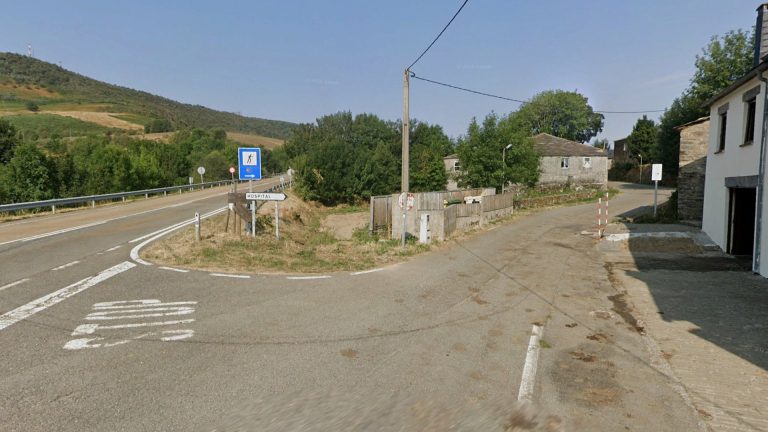
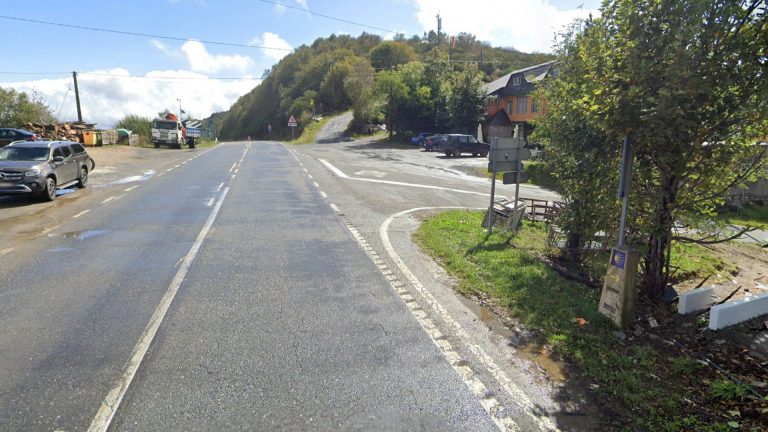
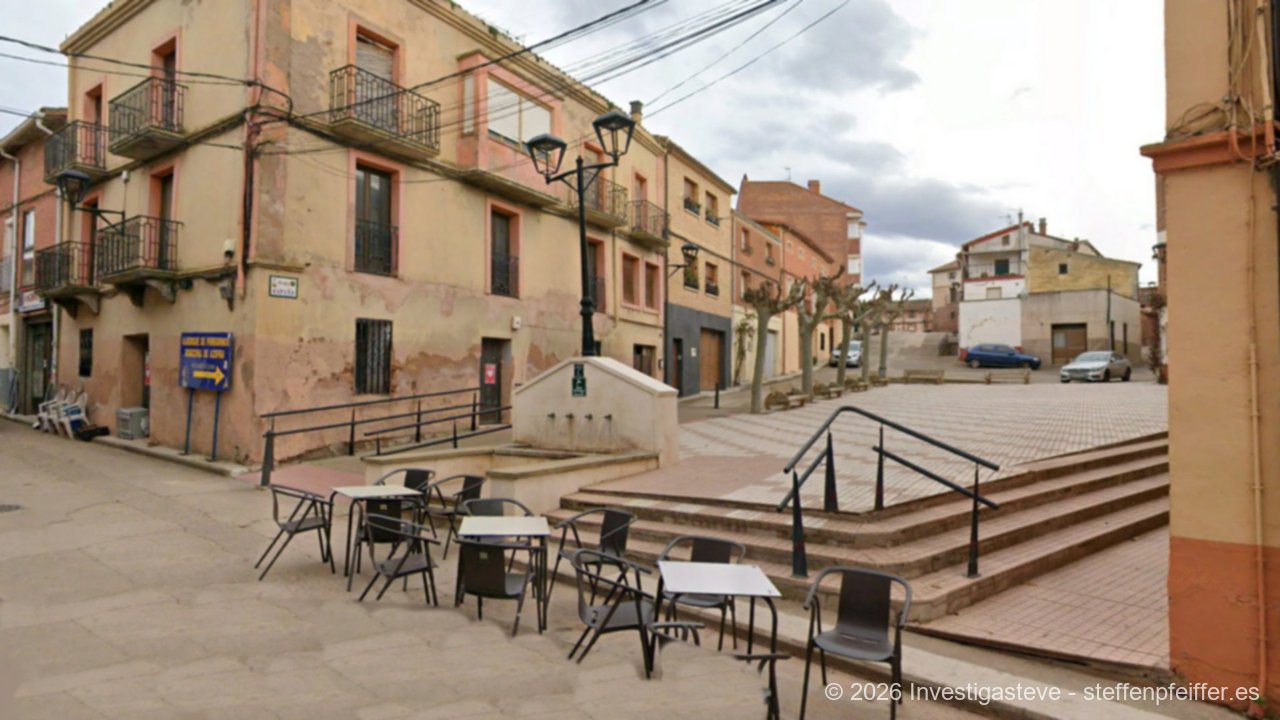
When the pilgrim climbs the reddish clay hills behind Nájera and the view expands to encompass the gently undulating sea of the Rioja Alta, Azofra appears like a silent promise of constancy and tranquility. It is a place that does not impose itself through monumental size, but through its archaic connection to the ground on which it stands. Situated at an altitude of about 550 meters, the village nestles into a hollow that acts like a protective hand against the winds of the Meseta. Those who approach Azofra first feel the tactile change of the path. The soft, often dusty trail through the vineyards gradually gives way to the firm paving of the Calle Mayor. The ground beneath the boots vibrates differently here – it tells of centuries of trampling, of millions of feet that have smoothed the same stones until they gleam almost like polished marble in the pale light of the morning sun.
The atmosphere in Azofra is characterized by an almost tangible silence, interrupted only by the rhythmic click of hiking poles and the distant rustling of the wind in the endless rows of vines. The air here has a special density; it smells of damp earth, of the sweetish aroma of fermenting grapes in autumn, and of the tart scent of burned wood wafting from the chimneys of the old stone houses. Acoustically, the distant ringing of church bells dominates, rolling over the valley and forcing the day into a sacred rhythm. Psychologically, Azofra triggers in the pilgrim a deep feeling of grounding. After the often hectic dynamics of Nájera, this village acts like a filter that sheds the haste of kilometer-chasing. You feel the historical causality in every crack in the wall – this place exists because the path exists. It is a five-dimensional immersion into rural Spain, where time does not flow, but seems stored in the massive stone blocks of the houses.
In the evening hours, when the sun is low and the shadows of the church spire creep far over the fields, Azofra transforms into a visual masterpiece. The reddish light of Castile bathes the ochre facades in a glowing orange. It is the hour when the tactile world of the village comes to life. You run your hand over the rough surfaces of the limestone walls, feel the stored warmth of the day, and hear the muted murmuring of the locals sitting on their benches before the gates. This psychological metamorphosis of the pilgrim – from searching wanderer to arriving guest – finds its perfect counterpart in Azofra. It is a place of pausing, a moment of preparation for the vastness that waits beyond the horizon. Here, in the heart of the Rioja, you learn that the path consists not only of movement, but above all of the ability to understand the silence of the stone.
What This Place Tells
The history of Azofra is inseparably interwoven with the Arab heritage and the strategic importance of the Reconquista. The very name, derived from the Arabic “As-Zafra,” meaning “the rock” or “the stone,” points to the physical nature of the place. Azofra was founded during the Muslim rule over the Iberian Peninsula, but it gained its true significance as a Christian bastion and indispensable pilgrim station in the Middle Ages. In the 12th century, the “Hospital de San Antón” was founded here, a refuge for the poor and sick that was famous far beyond the borders of the region. Historical causality shows itself here in a deeply rooted tradition of hospitality that continues to this day in the modern hostels. You feel psychologically the weight of responsibility that this place has carried for almost a thousand years: the protection of seekers.
The architectural jewel and spiritual center is the Iglesia de Nuestra Señora de los Ángeles. A structure that rests with its massive presence like an anchor in the village. When you step through the heavy portal, a sacred coolness greets you, smelling of old stone, candle wax, and incense. Inside, an altarpiece of rare beauty reveals itself, created in the 17th century. Particularly noteworthy is the sculpture of Judith, a rare depiction in Spanish village churches, telling of courage and steadfastness. Tactilely, history becomes tangible when you touch the cool, smooth surfaces of the church pews or feel the uneven stone slabs of the floor beneath your soles. Acoustically, the space offers a silence so dense that you think you can still hear the echo of medieval prayers in the vaults. It is a time capsule that promotes the pilgrim’s emotional metamorphosis through confrontation with the timeless.
Historically, Azofra was also a place of law and order. It is reported that Isabella the Catholic herself granted privileges to the place to ensure the care of pilgrims. This royal protection gave the village a significance that went far beyond its modest size. Those who walk along the Calle Mayor today literally walk in the footsteps of kings, knights, and saints. Historical causality here is not an abstract theory, but a physical reality manifesting in the coat of arms stones above the portals of the old noble houses (Casas Solariegas). You see the symbols of power – swords, crosses, and lions – carved into the hard stone to defy oblivion. Azofra tells of a world in which faith was the foundation and architecture the expression of this foundation. It is a narrative of steadfastness that teaches the pilgrim that they too are part of an infinite structure made of flesh, blood, and hope.
Addresses & tips in Azofra
Camino Distances
The stage from Nájera to Azofra is short but intense in its scenic beauty. It offers the pilgrim the opportunity to loosen their legs before the longer stretch to Santo Domingo de la Calzada follows the next day.
Sleeping & Arriving
Arriving in Azofra has a very own, almost ritual quality. After crossing the wide wine fields, the path leads directly into the heart of the village, where the famous municipal hostel (Albergue Municipal) awaits the exhausted walker. The moment you let the heavy backpack slide from your shoulders is marked by a physical redemption that is reinforced in Azofra by an architectural peculiarity: the hostel offers double rooms instead of the usual mass accommodations. Psychologically, this is a decisive turning point. After days in overcrowded dormitories, this place suddenly offers a space of intimacy and retreat. You hear the muffled murmuring of fellow pilgrims, the clatter of dishes in the communal kitchen, and the distant ringing of the church bell, yet in the silence of your own room, the soul finds itself again.
Tactilely, arrival is defined by the cool tiled floors and the firm mattresses of the hostel. It smells of freshly washed laundry dancing in the wind in the courtyard, and of the metallic aroma of well water with which you wash the dust of the day from your face. The inner courtyard of the hostel, often equipped with a fountain or a small water basin, is the social center of regeneration. The feeling of cool water on the skin and the sound of steady splashing create an atmosphere of purification. Here, the emotional metamorphosis of the day is completed – you are no longer a seeker, you are an arrival. The community of pilgrims gathering here at long wooden tables shares not only bread, but also the experiences of the last kilometers. It is a tactile and social immersion that replenishes the reserves of strength for the coming days.
For those seeking an even more traditional accommodation, the “Casas Rurales” in the village offer comfort deeply rooted in Castilian construction. You sleep behind thick stone walls that keep out the heat of the day, beneath heavy wooden beams that smell of old resin. Arriving in these houses feels like a journey through time. You feel the uneven pavement in the corridors and the heavy coolness of the linen sheets. In Azofra, sleeping is not merely an act of rest, but a continuation of the path by other means. It is the experience of constancy. When you look out the window in the evening at the dark outlines of the vineyards and enjoy the absolute silence of the night, you recognize the psychological significance of this place: it is an anchorage where you may lay down the weight of the world for a few hours, protected by the stone that gave the village its name.
The night in Azofra has a depth sought in vain in larger cities. There are no disturbing light sources, only the clear starry canopy over the Rioja. The acoustic backdrop reduces to the distant rustling of leaves and the occasional creaking of timber. Those who fall asleep here do so in the certainty of resting on historic ground. The tactile pleasure of snuggling into the cool pillows while outside the wind sweeps over the fields is a reward for every blister and every aching muscle. Arriving in Azofra is thus a holistic experience that refreshes the pilgrim physically and strengthens them mentally. It is the moment of complete presence in the here and now, before the path resumes its relentless direction westward the next morning.
Eating & Drinking
The gastronomy in Azofra is a love letter to the simplicity and strength of Rioja cuisine. Those who settle down after arrival in one of the local bars or in the hostel’s restaurant are greeted by scents that immediately revive the spirits. The dominant smell is that of “Sopa de Ajo” – the traditional garlic soup, prepared here with almost religious devotion. The combination of toasted bread, plenty of garlic, olive oil, and the smoky aroma of Pimentón de la Vera creates an olfactory experience that leads deep into the peasant history of the region. When the first spoonful of hot soup touches the palate, you feel the warmth spreading haptically to your fingertips – a blessing for the body that has often spent hours in the glaring sun or the cool wind.
Another heart of the local fare is, of course, the wine. In Azofra, you do not just drink wine; you drink the essence of the soil. The robust red wines of the Rioja Alta, shimmering deep red in the glass, carry aromas of dark berries, vanilla, and a hint of oak wood. The heavy weight of the wine glass in the hand and the rich red in the sunlight are visual and tactile details that make the meal an experience. It is often served with “Chorizo al Vino” or locally produced cheese, whose spicy aroma harmonizes perfectly with the wine. You hear the clinking of glasses in toasts and feel the immediate psychological relaxation that a good glass of wine can trigger after physical exertion. The conversations at the table flow as easily as the wine itself, and the language barriers between pilgrims fall away over a shared plate of “Jamón Ibérico” and regional olives.
For dessert, homemade specialties like “Arroz con Leche” (rice pudding) often beckon, whose creamy texture and fine aroma of cinnamon and lemon form a gentle conclusion to the meal. The tactile softness of the pudding stands in wonderful contrast to the crusty country bread enjoyed earlier. Eating in Azofra means connecting with the rhythms of nature and the harvest. There are no fashionable frills; what counts is the quality of the product and the love in its preparation. This culinary honesty has a psychologically grounding effect. You leave the table not only satiated, but with a deep feeling of gratitude for this barren but generous land. The meal in Azofra is thus an essential part of the pilgrim experience, a five-dimensional celebration of life that nourishes the body and strengthens the soul for the coming kilometers.
Supplies & Logistics
Although Azofra is a rather small place, it offers a logistical infrastructure perfectly tailored to the needs of the modern pilgrim. Everything is within walking distance, which greatly facilitates regeneration after the stage. The smell in the small shops is a fascinating mixture of fresh pastries, dried ham, and the metallic aroma of household goods – a scent that immediately inspires confidence and reminds of a simpler time. Here you find everything needed for daily needs without being overwhelmed by sensory overload.
Shopping: A small grocery store in the village center supplies pilgrims with fresh fruit, cheese, bread, and regional specialties. The selection is small but fine, and the owners often know the best tips for the next stage.
Gastronomy: The bars on the Calle Mayor offer, in addition to the classic pilgrim menu, also tapas and raciones. Here you can enjoy the first “Café con Leche” in the morning, whose aroma awakens the spirits while you watch the first rays of sunlight bathe the stone houses in light.
Accommodation: The municipal hostel is one of the best-rated on the Camino Francés, supplemented by private guesthouses and Casas Rurales. A reservation for private accommodations is advisable in the high season, while the hostel often offers sufficient places.
Public Facilities: In the village, there is a doctor (Consultorio Médico), a pharmacy, and several public fountains with cool drinking water. An ATM is also available, which is an important logistical support in this rural area.
The logistical significance of Azofra lies primarily in its function as a tranquil haven. It is not a place for quick errands, but a place for the essentials. The paths in the village are short, everything is reachable within a few minutes, sparing tired joints. Tactilely, logistics are supported by the well-marked paths; you do not get lost, the yellow arrows are safely and prominently attached to the massive facades. Psychologically, this good organization conveys a feeling of security. You know you will not get lost here and that basic needs are taken care of. Azofra proves that good supply does not depend on the size of the place, but on the efficiency and warmth of the people living there. It is a place that teaches that less is often more.
Don’t Miss
– Overnight Stay in the Municipal Hostel: Enjoy the rare luxury of a double room and the wonderful courtyard – a tactile and psychological highlight for every pilgrim.
– Iglesia de Nuestra Señora de los Ángeles: Admire the Baroque altarpiece and the rare depiction of Judith inside this defensive church.
– Botanical Garden of the Rioja: Only a few kilometers away lies this extraordinary garden, an olfactory and visual paradise with thousands of plant species.
– The Central Village Fountain: Refresh yourself at the clear, ice-cold water of the central fountain – a tactile pleasure that immediately enlivens the senses.
– The Historic Noble Houses: Pay attention to the stone-carved coats of arms above the portals of the Calle Mayor, telling of Azofra’s proud past.
– The View of the Vineyards at Sunset: Go to the edge of the village and watch the light transform the vines into liquid gold – a visual meditation par excellence.
– The Ritual Breaking of Bread: Try the traditional country bread from the local bakery – the crackling crust and soft crumb are a tactile delight.
Insider Tips & Hidden Places
Away from the plaza and the famous churches, Azofra hides small jewels that only those willing to slow their pace even further will find. One of these places is the old washhouse on the edge of the village, somewhat hidden in a shady hollow. Formerly, this was the acoustic center of the village, where the women exchanged news under the rhythm of beating laundry on the stone. Today, an almost mystical silence reigns there. When you sit on the rough stone edge and dip your hands into the ice-cold water, you feel a tingling that immediately enlivens the senses. The sound of the steadily flowing water has a meditative quality that calms the mind. The smell of damp moss and old stone offers a soothing contrast to the dry heat of the vineyards. It is a place of ritual cleansing where you can symbolically wash off the dust of the journey, not only physically but also symbolically.
Another insider tip is a narrow footpath leading north of the village to a small elevation. Up there, far from the clatter of hiking poles on asphalt, you find the remains of an old hermitage. When you sit on the rough stones, you have an unobstructed view of the wide panorama of the Rioja Alta to the distant peaks of the Sierra de la Demanda. Up here, it smells of wild rosemary and thyme, the essential oils rising in the midday heat and intoxicating the senses. It is a place of absolute immersion in nature, where you hear only the wind in your ears and the distant ringing of sheep herds. Psychologically, this place is an altar of freedom, a point where the weight of the backpack and the worries of everyday life become completely meaningless. You recognize here the psychological dissonance of life – the small, busy world of the village below and the infinite vastness of creation up here.
For history enthusiasts, it is worth searching for the small, carved markings on the door thresholds of some of the oldest houses in the side streets. They are often protective symbols or markings of former inhabitants, barely perceptible haptically, but establishing a deep connection to popular piety. When you run your fingertips over these grooves in the stone, you directly touch the fears and hopes of generations who lived here before us. These hidden details make Azofra a living history book. In a small alley, you can also often find an old workshop where leather is still processed in the traditional way. The smell of tanned leather and beeswax is overwhelming and offers an olfactory bridge to the centuries-old pilgrim culture, in which leather was the most important material for equipment and protection.
To conclude a day in Azofra, a walk to the Río Cañas on the edge of the village is recommended. There are small, hidden riverbank spots where you can put your feet in the flowing water. The feeling of pebbles under the soles and the rush of the water dancing over the stones is an acoustic and tactile cleansing program. Here you can let your soul dangle before mentally preparing for the coming stages. These hidden corners make the stay in Azofra a mosaic of unforgettable moments that go far beyond mere hiking. It is the quiet tones, the cool shadows, and the rough surfaces that make this place an incomparable experience if you are willing to encounter it with humility and curiosity.
Moment of Reflection
In Azofra, the pilgrim often reaches a point of inner consolidation. The short stage from Nájera has given the body time to recover, and now the mind begins to sort the impressions of the last days. The name of the place – “As-Zafra,” the rock – serves here as a powerful psychological symbol. It poses the question of one’s own foundation: What is my life built upon? Am I as constant as the stone of this village, or do I let myself be driven by the wind of circumstances? The tranquility in the double rooms of the hostel supports this process of introspection. It is a rare moment of privacy on a path otherwise characterized by collective dynamics. Psychologically, this is the phase of acceptance: you accept your own weaknesses and the necessity of silence.
Perhaps you sit on a bench on the Plaza Mayor in the evening and watch the interplay of light on the facade of the church. The emotional metamorphosis from the hurried wanderer to the calm observer happens here almost by itself. You recognize that authenticity does not mean everything must be old, but that you learn to find truth in contrasts – between the Arab past and the Christian present, between the exertion of the path and the recovery in the stone. Azofra teaches us patience and the beauty of the simple. It prepares us mentally for the challenges of the coming days by showing us that we already carry everything we need within ourselves – if we only dig deep enough until we strike the rock. The stay in Azofra is thus a rebirth in stone, a moment of pausing before the path leads us further into the heart of Spain.
Camino of the Stars
This place lies on the Camino Francés, on the stage from Nájera to Santo Domingo de la Calzada. The sequence of places is:
Nájera → Alto de San Antón → Azofra → Cirueña → Santo Domingo de la Calzada
Did you also enjoy that rare moment of privacy in the silence of the double rooms of Azofra and feel the tactile power of the name-giving stone? Perhaps you experienced a moment of cleansing at the hidden washhouse or discovered the olfactory diversity of the Rioja in the Botanical Garden? Share your personal impressions, your photos of the coat of arms-adorned noble houses, or your thoughts on inner reflection with us. Your story is a valuable part of the infinite Camino mosaic that makes this place so unique!
About the Author