A First Glance – Introduction & Atmosphere
When the pilgrim leaves behind the wide, almost hypnotic wheat fields of Palencia and searches the horizon for the first harbingers of the Kingdom of León, San Nicolás del Real Camino emerges like a saving island from the dust of the Senda. It is a place that does not impose itself on the walker, but receives him with an archaic, almost monastic tranquility. The shimmering midday heat of the Meseta seems to reach a particular density here, between the last hills of Palencia, broken only by the distant, rhythmic clattering of the storks on the church tower. The tactile experience of this first moment is characterized by the roughness of the ground – the feet feel every pebble, every unevenness of the ancient path, while the fine, calcareous dust settles like a gray veil over shoes and calves, a testament to the kilometers already wrested from the Tierra de Campos.
In the air lies a mixture of scents that captures the essence of central Spain: dry straw, the tart note of wild thyme defiantly growing in the ditches, and occasionally the distant, sweetish scent of burning poplar wood from one of the few chimneys. Acoustically, San Nicolás is a revelation of silence. It is not an empty silence, but one filled with the whispering of the wind in the distant rows of poplars and the muted murmuring of pilgrims gathering in the shade of the adobe walls. Psychologically, reaching this village marks a mighty milestone. You feel the historical causality of the border; here, not only a province ends, here the feeling of the journey changes. The relief that spreads through the body when you set down your backpack for the first time at one of the massive wooden tables of the local bar is almost physically tangible – an emotional metamorphosis from the exhaustion of the wide path to the anticipation of what lies ahead.
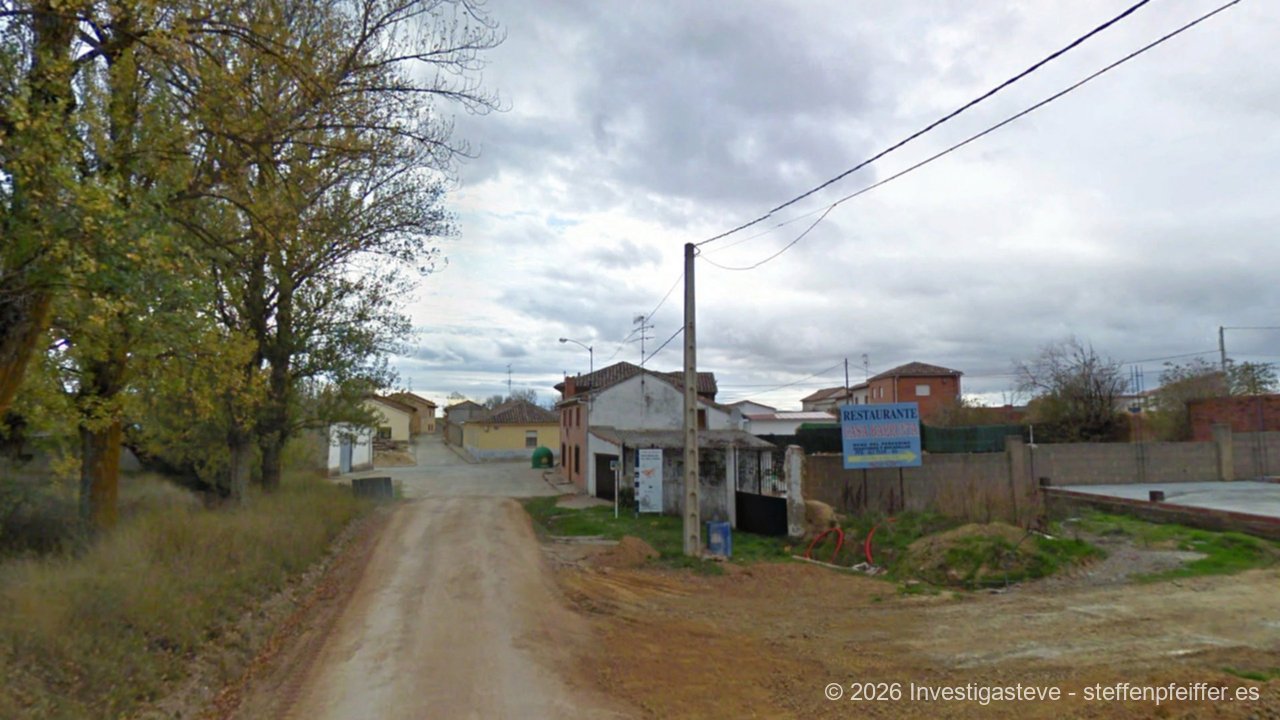
The light in San Nicolás has a special quality, especially in the late afternoon sun. It bathes the ochre-colored clay houses in a deep, glowing orange that highlights the texture of the adobe bricks. When you run your hand over these walls, you feel the stalks of straw and the graininess of the earth that was shaped by hand generations ago. It is an architecture that breathes, that cools in summer and retains warmth in winter – a tactile connection to the land that gives the pilgrim a deep sense of grounding. San Nicolás is the vestibule to León, a place of final pause before the silhouette of Sahagún on the horizon accelerates the dynamics of the journey once more. Here, in the silence of the fields, the mind finds the space to order the impressions of the past days and readjust its spiritual center.
What This Place Tells
The history of San Nicolás del Real Camino is a narrative of protection, healing, and royal privilege. The name itself carries the legacy of Saint Nicholas, the patron saint of travelers, sailors, and children, which gave the place an aura of care from the very beginning. In the Middle Ages, this village was far more than just an agricultural outpost; it was a spiritual sanatorium on the lifeline of Europe. Particularly the historical causality of the Templar presence is deeply rooted here. The knights of the Order of the Temple, whose legacy is so present in the nearby region around Terradillos de los Templarios, also held their protective hand over San Nicolás. One must imagine the psychological effect such a place had on a medieval walker: in a world full of dangers and diseases, San Nicolás offered physical protection and spiritual comfort.
A particularly dark but fascinating chapter of the village’s history is the former leprosarium San Lázaro. Located outside the village walls, it served for centuries as a refuge for those cast out by society. This historical layering gives San Nicolás an almost tangible melancholy. Those who roam the fields today walk on ground that witnessed infinite hardship, but also the deepest Christian charity. The ruins and the still visible foundations of old hospitals tell of a time when the Camino was the only bridge between worlds. The epithet “del Real Camino” also underscores the strategic importance of the place; it stood under the direct protection of the crown, which guaranteed the settlers and pilgrims a security that was not a given in those times.
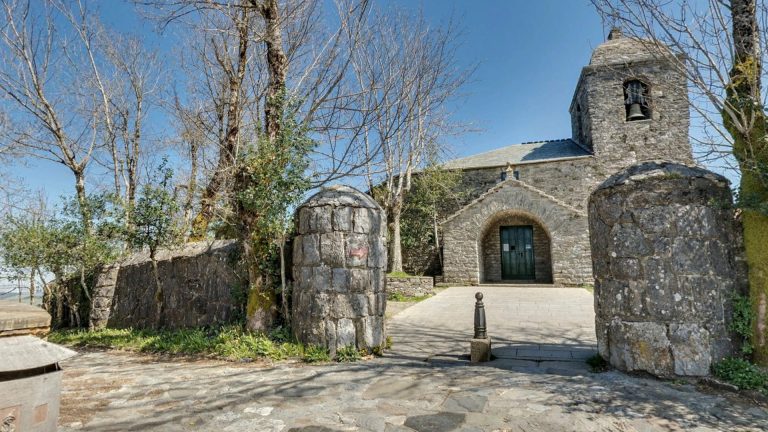
Architecturally, the parish church of San Nicolás de Bari is the stone center of the narrative. Although it was remodeled several times over the centuries, its interior preserves treasures such as the Baroque altarpiece, which visualizes the constancy of faith in this barren landscape. When you enter the church, you are enveloped by the cool, heavy air of the sacred space, a tactile contrast to the glaring heat outside. You hear the creaking of the old wooden benches and smell the centuries-old incense deeply embedded in the masonry. This five-dimensional experience of history makes it clear that San Nicolás is not a place of passage in the modern sense, but an archive of pilgrimage. Here, the fates of the lepers, the Templar knights, and today’s walkers merge into a timeless continuity that stimulates the spirit to reflect on its own mortality and destiny.
The emotional metamorphosis one undergoes when studying this history is profound. You realize that you are not the first to fight against the dust and solitude here. San Nicolás teaches us humility before the past and appreciation for the privileges of the present. The historical causality of the border between Palencia and León, which runs only a few kilometers further west, adds another layer to the place: it is the last guardian of a province that one now leaves behind. This feeling of farewell to the Tierra de Campos and the greeting of the Leonese vastness is a psychological turning point that finds its solemn frame in San Nicolás.
Addresses & tips in San Nicolás del Real Camino
Camino Distances
San Nicolás del Real Camino is strategically located at the end of a long stage through Palencia and just before the border to the Kingdom of León. The paths are flat but exposed.
Sleeping & Arriving
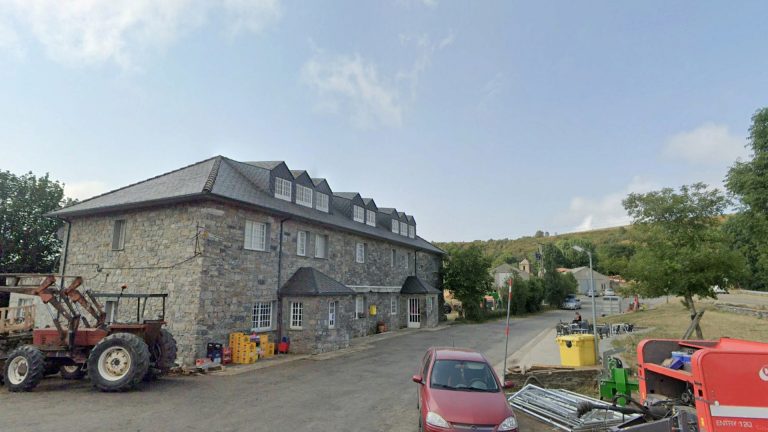
Arriving in San Nicolás del Real Camino is an act of physical and mental relief. When you leave the last meters of the Senda behind and reach the first adobe houses of the village, the weight of the backpack subjectively lightens. The tactile experience of arrival is characterized by the texture of the hostels, such as the well-known “Albergue Laguna de los Templarios.” When you place your hand on the massive stone and clay walls, you feel the thermal inertia of the building, which feels like a promise of a cool night. The acoustic panorama upon check-in is a soft murmuring in various languages, underscored by the rhythmic clatter of hiking poles leaned against the walls. It is a sound that signals arrival and security.
Psychologically, San Nicolás offers an intimacy often lost in larger towns. Here, you are not an anonymous number in the pilgrim stream, but part of a small, temporary community. The hospitaleros often welcome you with a warmth deeply rooted in the tradition of the “Real Camino.” The smell in the dormitories is of fresh linen, disinfectant, and the tart aroma of hiking boots – an olfactory signature of pilgrim life that conveys security. The visual experience of the simple, clean beds triggers a wave of gratitude as you watch the light fall through the small windows, illuminating dancing dust particles in the air.
Staying overnight in San Nicolás means surrendering to the silence of the Meseta. After showering, when the warm water has washed the dust of the day from the skin, a phase of deep regeneration sets in. You sit in the garden or in front of the hostel door and let your gaze wander over the endless plain you have just crossed. This visual retrospective is an important psychological process; you realize your own achievement and find peace in the monotony of the landscape. The acoustic backdrop of the evening is dominated by the distant barking of a village dog and the wind sweeping through the dry grasses – a lullaby that gently rocks the mind into stillness.
The tactile feeling of lying in the cool sheets at night, while the temperature of the Meseta drops rapidly outside, is a moment of pure existence. You feel your own vulnerability to the elements, but also the protection of the centuries-old walls. San Nicolás offers no luxury in the modern sense, but a luxury of reduction. It is a place that focuses on basic needs: rest, sleep, and community. Those who stay here consciously choose silence over the hustle of nearby Sahagún and are rewarded with a night that clears the mind and strengthens the body for the border crossing into León. It is an emotional metamorphosis from the haste of moving forward to the quality of staying.
The amenities in the hostels are simple but thoughtful. You feel the historical causality of pilgrim care in every detail – from the placement of power outlets to the provision of foot baths. These small tactile comforts are what anchor San Nicolás in the walker’s memory. You leave the lodging the next morning not only physically rested, but with a mental fortitude drawn from the silence of this special place. Saying goodbye to San Nicolás is always also a farewell to the intimacy of Palencia, before facing the historical weight of the Kingdom of León.
Eating & Drinking
The gastronomy in San Nicolás del Real Camino is an honest homage to the treasures of the Tierra de Campos. Here, the cuisine of the Meseta reigns: powerful, down-to-earth, and designed to fill the exhausted body with new energy. When you sit down in the bar or the hostel in the evening, the first olfactory impression is often the scent of a steaming “Sopa de Ajo,” the traditional garlic soup. The smell of olive oil, toasted bread, plenty of garlic, and the characteristic Pimentón de la Vera wafts through the room and instantly awakens the spirits. It is an aroma that speaks of hard work and deep tradition, a culinary embrace that dispels the cold of the encroaching night.
The tactile experience of eating is dominated by the texture of the local bread – outside a crusty, almost hard rind that cracks under the fingers, and inside a soft, fragrant crumb perfect for soaking up the remnants of the spicy sauces. When you then bite into a “Cocido,” a stew of chickpeas, meat, and vegetables, you experience an explosion of flavor that makes you forget all the hardships of the day. The chickpeas are buttery soft, the chorizo has just the right spiciness, and the meat practically melts on the tongue. Psychologically, this form of eating is an act of self-care; you give back to the body what you demanded of it on the dusty kilometers.
A robust red wine from the region is almost always served with it, often a drop from the nearby growing areas of Tierra de León or Ribera del Duero. Its color is a deep ruby red, and its aroma carries notes of ripe wild berries and a fine minerality. When you touch the cool glass and take the first sip, you taste the sun of Castile in liquid form. It is a five-dimensional experience, where the clinking of glasses when toasting with table neighbors forms the acoustic crown. Here, at the long pilgrim tables, eating becomes a social ritual, where stories are shared and friendships are made for a day or a lifetime.
For dessert, you must not miss the simple but delicious pastries of the region, often crumbly almond cookies or a piece of liquid cheesecake that celebrates the sweetness of life amidst the barren plain. The emotional metamorphosis is complete upon leaving the table: exhaustion has given way to satisfaction, and the mind is ready for reflection on the day. Eating in San Nicolás is not mere calorie intake; it is the absorption of local identity. You taste the ground on which you walked, and you smell the history of a region that has nourished walkers for centuries. It is the pure, unfiltered hospitality of the Real Camino that goes here through the stomach directly to the heart.
Supplies & Logistics
Although San Nicolás del Real Camino is one of the smallest villages on the Camino Francés, the logistics here function with a pragmatic efficiency that pleasantly surprises the pilgrim. The place is small enough to be walked through in five minutes, but offers exactly what is essential for survival and movement in the Meseta.
Shopping: There is no large supermarket, but the hostels and the bar often function as small sales points for the most necessary items: water, fruit, blister plasters, or chocolate bars. For larger purchases, you must cover the distance to Sahagún (approx. 7 km).
Gastronomy: The local bar “Casa Barrunta” is the social hub. Here, there are small snacks (Bocadillos), coffee, and in the evening the classic pilgrim menu. The quality is rustic and honest.
Accommodation: Two to three hostels (private and municipal) offer sufficient capacity for the average pilgrim flow. The prices are moderate, the amenities functional and clean.
Public Facilities: A public fountain with drinking water is centrally located. Medical care is available at first-aid level in the hostels; for pharmacies or doctors, Sahagún is the nearest point of call.
The psychological security of encountering functioning infrastructure in such a small hamlet takes much pressure off daily planning. You feel the historical causality of hospitality; San Nicolás exists today almost exclusively for the Camino. Acoustically, the logistics are underscored by the occasional passing of a tractor or the rustling of the nearby N-120, a constant reminder that you are in a living agricultural region. The emotional relief of filling supplies at the fountain is a tactile ritual that initiates departure the next morning. San Nicolás proves that true supply lies not in quantity, but in reliability.
Don’t Miss
1. Parish Church of San Nicolás de Bari: A place of silence with an impressive Baroque altarpiece. The cool air inside offers a perfect five-dimensional escape from the heat of the Meseta.
2. The storks of San Nicolás: Pay attention to the massive nests on the church tower. The wooden clattering is the acoustic trademark of the village and a symbol of life in the wasteland.
3. Albergue Laguna de los Templarios: Even if you don’t stay there, it’s worth a look at the architecture and the garden – a place with a deep historical Templar atmosphere.
4. The Adobe Houses: Stroll through the only main street and touch the old walls of sun-dried clay. It is the most authentic construction method of the Tierra de Campos.
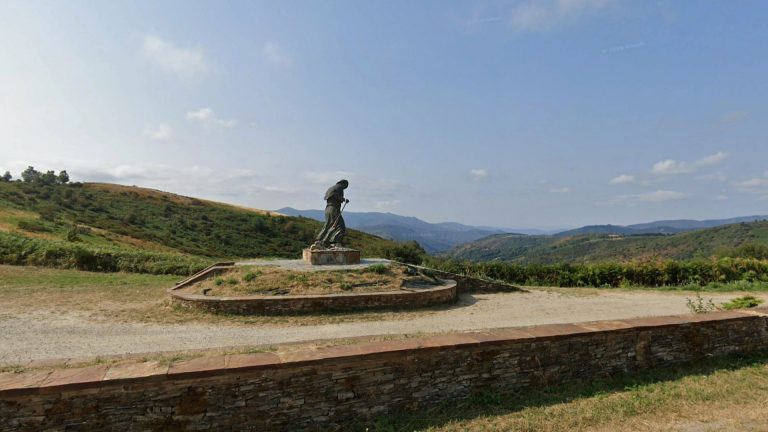
5. The Pilgrim Monument: A small but significant point in the village that invites reflection on your own journey and offers a classic photo motif.
6. The sunset over the fields: Walk a few hundred meters west out of the village. When the sky over León glows in flaming red and violet, you feel the true magic of the Meseta.
7. The border to León: Only a few kilometers behind the village, a stone marks the transition from Palencia to León. A psychological milestone you should consciously perceive.
8. The ruins of the leprosarium: Look on the edge of the village for the sparse remains of the San Lázaro Hospital – a place that admonishes humility and remembrance of past hardship.
Insider Tips & Hidden Places
San Nicolás del Real Camino guards its secrets well behind the ochre-colored façades. One of these hidden places is the small path behind the church that leads to an old, almost forgotten irrigation canal. Here, in the shade of some weather-beaten poplars, you find an acoustic oasis. The soft gurgling of the water mingles with the rustling of leaves into a symphony of relaxation, standing in stark contrast to the dry silence of the fields. The ground here is soft and mossy, a tactile blessing for swollen pilgrim feet. It smells of damp earth and fresh greenery – a psychological refuge to let your thoughts flow before facing the dust of the Senda again.
Another insider tip is a visit to the small hermitage at the edge of the village at sunrise. While most pilgrims hastily pack their backpacks, this moment offers an emotional metamorphosis of a special kind. The first light of the sun breaks in the cracked walls of the chapel, making the dust of the night dance like liquid gold. In this absolute stillness, before the village awakens, you feel the historical causality of religious devotion most intensely. You are alone with your God, your path, or simply with yourself. It is a moment of transcendent clarity that gives you the strength for the coming kilometers to Sahagún.
Those who keep their eyes open will find faded symbols and inscriptions on some old barn walls in the village, pointing to the agricultural past and Templar influences. They are small, tactile archives of history not found in guidebooks. When you trace the engraved lines in stone or wood with your fingers, you establish a physical connection to the people who did the same centuries ago. These discoveries trigger deep curiosity and make it clear that San Nicolás is much more than just a collection of houses – it is a living book of time, whose pages must be turned slowly.
Finally, there is a small viewpoint on a gentle hill north of the village, from which, in clear weather, you can glimpse the distant peaks of the Picos de Europa. This visual far-reaching view is a psychological redemption after the often claustrophobic horizons of the Meseta. Suddenly, you grasp the dimensions of Spain and realize that the path is inexorably approaching its end. The fresh breeze that almost always blows up there is a tactile reward and an olfactory harbinger of the mountains. This place is an insider tip for all who need a break from linear progression and want to absorb the vastness of the world.
Moment of Reflection
San Nicolás del Real Camino forces the pilgrim into an existential stocktaking. In the reduction of this small village, your own journey is reflected: you have shed the ballast of everyday life, just as this village has lost everything superfluous to survive in the harsh climate of the Meseta. The psychological effect of this environment is a form of catharsis. Those who pause here recognize that strength lies not in the monumental cathedral, but in the constancy of the adobe wall. The emotional metamorphosis takes place in the acceptance of simplicity. You learn to appreciate the quality of a cool sip of water and the peace of a shady spot more than any modern comfort.
The historical causality of the lepers and Templar knights who shaped this ground before us inevitably leads us to the question of our own legacy. What do we leave behind on this path? Is it only dust, or is it a changed perspective on life? In San Nicolás, on the edge of two kingdoms, the boundary between the old and new self becomes fluid. The tactile experience of the earth and the visual experience of the infinite sky form the framework for a deep spiritual realignment. Those who leave San Nicolás carry not only Palencia in their hearts, but also the anticipation of León – strengthened by the silence of a place that has done nothing else for 1200 years but prepare walkers for what is to come.
Camino of the Stars
This place lies on the Camino Francés, on the stage from Carrión de los Condes to Sahagún. The sequence of places is:
Carrión de los Condes → Calzadilla de la Cueza → Ledigos → Terradillos de los Templarios → Moratinos → San Nicolás del Real Camino → Sahagún
Did you also experience that magical silence in San Nicolás del Real Camino that first opens the heart and then the mind? Perhaps you found a moment of humility at the ruins of San Lázaro or had an encounter in the Templar hostel that changed your view of the path? Share your stories, your thoughts on crossing the border into León, or your tips for the best bar in the village with us. Your experiences make this path come alive for all of us!
About the Author