A First Glance – Introduction & Atmosphere
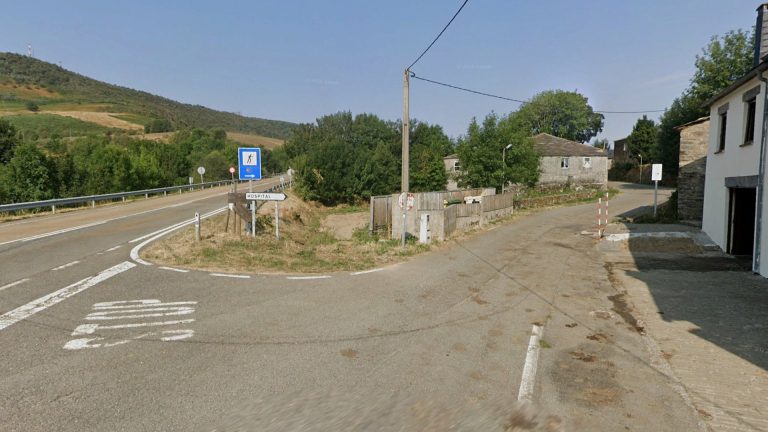
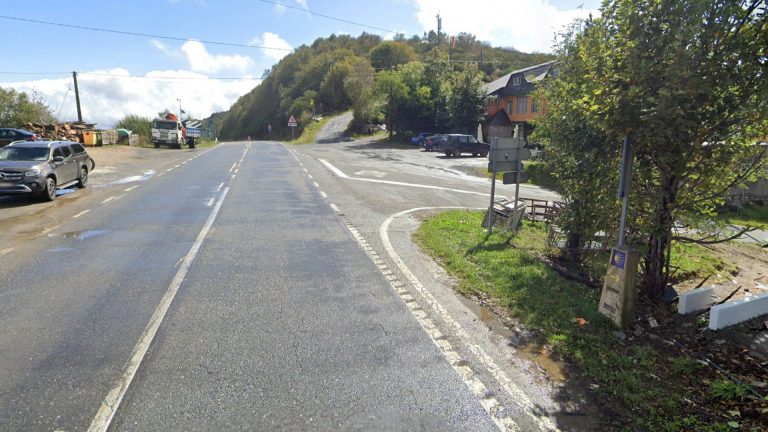
When you leave Reliegos behind and cover the last kilometers through the wide, shimmering heat of the Leonese high plateau, the topography changes in a way that immediately speaks to your exhausted senses. You feel the tactile contrast under your soles as the reddish, dusty marl soil gradually gives way to firmer, almost clay-like structures. The air, which previously smelled only of dry grain and hot stone, suddenly becomes cooler, saturated with a fine, almost imperceptible moisture. You approach the Río Esla, and with it one of the most significant threshold places of the Camino Francés. Mansilla de las Mulas appears on the horizon not as an ordinary village, but as a fortress of history, whose massive, reddish shimmering city walls wrap around the settlement core like a protective belt. It is a moment of psychological relief: the exposed vulnerability of the open Meseta ends here, and the promise of safety and urban structure welcomes you with a majestic gravitas.
The atmosphere in Mansilla is marked by a strange, almost solemn density. As soon as you step through one of the massive city gates, the acoustics change abruptly. The hiss of the wind on the plain is replaced by the echo of your steps on the cobblestones, bouncing back and forth between the high walls. You hear the steady, soothing gurgle of the Esla, the rhythmic clattering of stork beaks on the gable towers, and the distant murmuring of pilgrims gathering in the shady alleys. It smells of damp limestone, of the tart scent of river algae, and of the inviting aroma of freshly baked bread and roasted meat wafting from the taverns. Mansilla de las Mulas is a place that embraces you tactilely; the weight of the stones and the coolness of the shadows offer physical regeneration, preparing you for the fact that you have now reached the portal to the royal city of León.
What This Place Tells
Mansilla de las Mulas is a living history book, whose pages are made of stone, clay, and water. The historical causality of this place begins long before the time of the pilgrims, in the ruins of the nearby ancient city of Lancia. This once mighty Asturian-Roman metropolis was subdued by the legions of Rome only at great cost. When Lancia fell, Mansilla became its strategic heir. You stand on ground literally soaked with the military discipline of Rome and the will to survive of the Asturian tribes. The psychological effect of this deep-rootedness is palpable in every corner. For centuries, the place functioned as the “Gate to La Sobarriba,” as the indispensable control point for trade and defense of the León region. The name “de las Mulas” also speaks of economic vitality; Mansilla was the scene of significant livestock markets where mules and horses changed hands – a tactile heritage of leather, sweat, and loud haggling that made the city prosperous.
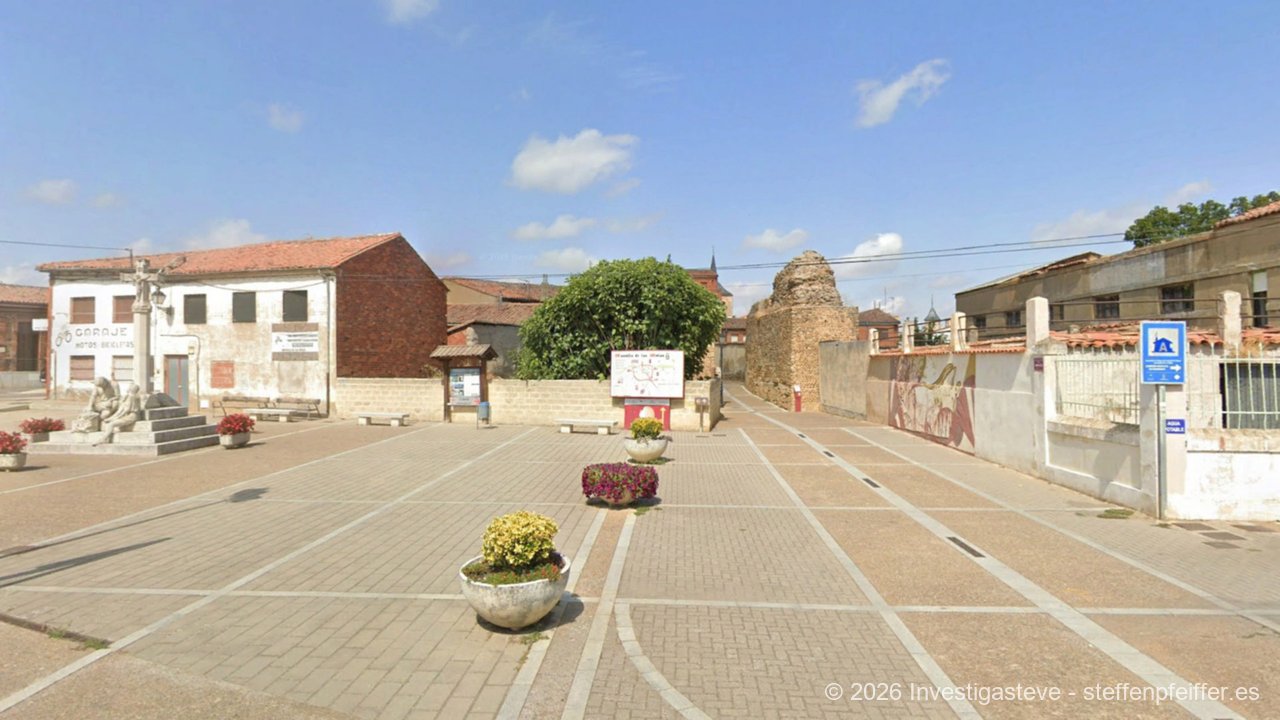
The dominant architectural element, the Murallas from the 12th century, are a triumph of medieval engineering. When you let your hand glide over the uneven surfaces of the walls, you feel the different textures of river stones, lime mortar, and brick fragments. These walls were not only physical protection against the Moors or rival Christian kings; they were a psychological statement of power and permanence. Historical immersion here is achieved through understanding that Mansilla was a hinge place. The bridge over the Esla, originally constructed with eight arches, was the bottleneck of the pilgrimage. Those who crossed this bridge had left the dangerous no-man’s-land behind. The historical causality is clear: where geography dictated the river crossing, there the fates of kings, knights, and beggars converged. Mansilla was one of the few cities that possessed the privilege of maintaining its own jurisdiction and a flourishing market, making it a center of attraction.
Within the walls of the church of Santa María and the former monastery of San Agustín, the spirit of the Reconquista breathes. Olfactorily, the smell of cold dust mingles here with the freshness of the river mist. You feel the historical weight of the buildings, once centers of scholarship and faith. Particularly the Museo Etnográfico Provincial de León, housed in the former monastery of San Agustín, offers a tactile journey through the rural life of the region. Every tool, every costume, and every plow tells of the relentless work on the barren land of the Meseta. Mansilla de las Mulas is a place of metamorphosis; it has transformed from a military outpost to a trading center and finally to a spiritual resting place. Those who pass through the Postigo gate enter not only a city but a time capsule, reminding the pilgrim that constancy is the result of resistance and adaptation. The city wall of Mansilla is the stone backbone of this narrative, a monument of steadfastness in the wind of the centuries.
Addresses & tips in Mansilla de las Mulas
Camino Distances
The stage leads you through the flat but history-rich plain southeast of León, with Mansilla functioning as the all-dominating fixed point.
| Previous Place | Distance (km) | Next Place | Distance (km) |
|---|---|---|---|
| Reliegos | approx. 6.1 km | Villamoros de Mansilla | approx. 3.5 km |
Sleeping & Arriving
Arriving in Mansilla de las Mulas means for the pilgrim a caesura of enormous psychological significance. After the days in the solitude of the fields, the city offers infrastructure that is both functional and steeped in history. The Albergue de Peregrinos Municipal is one of the best-known points of call on the Camino Francés. Housed in a carefully restored historic building, it offers space for over 80 walkers. When you enter the cool inner courtyard, you are enveloped by a smell of cleanliness, mixed with the aroma of damp stone and the distant scent of the river meadows. It is an auditory experience of community: the rhythmic clatter of hiking poles in the stand and the murmuring in a dozen different languages form the soundtrack of your arrival.
The tactile experience of the accommodation in Mansilla is characterized by the solidity of the medieval masonry. The thick walls preserve a pleasant coolness even in high summer, acting like a balm on overheated skin. Those seeking a more private atmosphere will find retreats of great warmth in hostels like the Albergue Gaia or private guesthouses like the Hostal San Martín. You feel here the long tradition of hospitality; the hospitaleros act with a stoic serenity that can only result from decades of experience with exhausted walkers. In the communal areas, you feel the tactile comfort of a soft blanket and the psychological security of resting within the protective city walls.
Arriving in Mansilla is also a logistical relief. The city is compact enough to run all errands on foot, yet offers the amenities of an urban center. Many pilgrims choose Mansilla as a stage destination to dare the final jump to León with fresh strength the next morning. When you sit on the Plaza Mayor in the evening, you hear the laughter of the locals and the clinking of glasses – sounds welcoming you back to civilization. The knowledge that you can get everything here that the body needs for regeneration lends the stay a deep satisfaction. The night in Mansilla, accompanied by the distant rushing of the Esla and the stoic ringing of church bells, prepares you mentally for the splendid entry into the provincial capital.
Eating & Drinking
Culinarily, Mansilla de las Mulas is a celebration of down-to-earthness and regional freshness. The city is famous for its “Tomate de Mansilla,” a product that enjoys almost sacred status here. When you bite into one of these sun-ripened fruits, you experience a tactile explosion of juiciness and a depth of flavor that recalls childhood gardens. The smell in the local greengrocers is enchanting – a mix of earthy freshness and sweet aroma. In the restaurants around the city wall, this tomato is often served simply with high-quality olive oil and sea salt, making the psychological connection to the soil and the hard work of the farmers immediately tangible.
Another highlight is Leonese meat cuisine. The smell of roasted lamb (Lechazo) and spicy chorizo wafts through the alleys in the evening, forming an irresistible olfactory invitation. The tactile texture of the Morcilla de León, a creamy blood sausage often served warm on toasted bread, is an experience in itself. The taste is robust, spicy, and carries the aroma of smoked paprika (Pimentón). You best drink a wine from the region with it, perhaps a Prieto Picudo, whose intense cherry color and full body reflect the power of the Leonese earth. The clinking of glasses and the loud, temperamental Spanish in the bars form the acoustic backdrop for a meal that not only fills the stomach but warms the soul.
Those with a sweet tooth should try the “Mantecadas,” offered here in an artisanal quality that is hard to beat. The scent of fresh butter and vanilla wafts from the local bakeries in the morning. These pastries have a tactile consistency that is at once crumbly and moist – a perfect energy provider for the onward path. Eating in Mansilla is thus a ritual act of incorporating the landscape; you taste the water of the Esla in the tomatoes and the sun of the Meseta in the wines. Every meal in this history-soaked environment is a homage to the culinary autonomy of the León region.
Supplies & Logistics
Logistically, Mansilla de las Mulas is a power center that offers the pilgrim all modern conveniences after the barren sections of the Meseta. The city has several well-stocked supermarkets, pharmacies, and specialty stores where you can find everything from blister plasters to replacement hiking poles. The smell in these shops is a mix of fresh fruit, cleaning products, and the familiar aroma of coffee – an olfactory confirmation that civilization supports you excellently here. It is a tactile pleasure to stock up for the path to León and strategically redistribute the weight in your backpack once more.
Medical care is ensured by a local health center (Centro de Salud), whose staff are well-versed in the ailments of pilgrims. Psychologically, this gives the walker enormous security. ATMs are plentiful and easily accessible. In addition, Mansilla is excellently connected to the public transport network; regular bus connections to León offer a logistical fallback option should your strength ever wane. Everything in the city is designed to make the transition from rural seclusion to urban complexity as smooth as possible.
Shopping: Several supermarkets like Lupa or local Tiendas offer comprehensive supplies of food and equipment.
Gastronomy: A large selection of bars, cafés, and restaurants around the Plaza Mayor serves everything from a quick breakfast to an opulent evening menu.
Accommodation: The city offers a high capacity of public and private hostels as well as comfortable hostals for every budget.
Public Facilities: Pharmacy, ATMs, post office branch, and a modern health center ensure maximum logistical security.
In summary, Mansilla logistically forms the perfect bridge to León. You enjoy all the advantages of a modern small town, while your soul still lingers within the medieval walls. Use this stay to maximize your physical and material reserves. The paths in the city are short, the infrastructure is robust, and the people are accustomed to the steady stream of pilgrims. Being in Mansilla means having the certainty that you are perfectly equipped for the next big step.
Don’t Miss
1. The city walls (Murallas): Walk along the best-preserved medieval fortification in the province of León and feel the tactile power of the ancient stones.
2. The Ethnographic Museum (Museo Etnográfico): Immerse yourself in the rural heritage of the region and marvel at the craftsmanship of past generations.
3. The bridge over the Esla: Cross the monumental structure and enjoy the view of the water that has shaped the identity of the place for millennia.
4. The Plaza Mayor: A lively meeting point with shady arcades, ideal for observing the colorful bustle of pilgrims over a café con leche.
5. The church of Santa María: A place of silence and spiritual constancy, inviting inner contemplation with its cool atmosphere.
6. The Postigo gate: Pass through this historic portal and imagine the bustling activity of medieval merchants.
7. Eat a tomato from Mansilla: The incomparable taste of the local specialty is a must for every gourmet on the Camino.
8. The walk along the riverbank: Use the cool paths along the Esla to dip your tired feet in the water and enjoy nature.
9. The pilgrim statue: A popular photo motif reminding you of your own strength and determination on this long path.
10. The monastery of San Agustín: Admire the architectural remains of this former intellectual center and feel the historical weight of the place.
Insider Tips & Hidden Places
Away from the great monuments, Mansilla de las Mulas conceals small corners of rare stillness and beauty. One such place is the “Rincón del Postigo,” a small area near the city wall overlooked by most pilgrim streams. Here, wild fig trees grow, whose sweetish scent hangs heavy in the midday heat. You hear only the distant rustling of the wind in the battlements and the occasional fluttering of pigeons. It is a tactile retreat where you can lean against the warm stone and enjoy absolute tranquility. Psychologically, this is the ideal place to close a difficult chapter of your journey and find the necessary clarity for the entry into León.
Another insider tip is a small path leading along the riverbed directly below the Esla bridge. Many pilgrims only cross the bridge, yet the perspective from below is breathtaking. You stand between the massive stone pillars, feel the tactile power of the immense construction, and hear the echo of your own voice in the vaulted space. Down here, it smells of river pebbles and algae – an olfactory experience of great purity. You recognize the historical causality of the construction phases: Roman foundations meet medieval arches. It is a place of historical immersion that reminds you that progress always builds on what already exists.
On one of the narrow side streets, not far from the museum, you will also find a small workshop where leather is still processed traditionally. The smell of tanned leather and beeswax is an olfactory journey through time. If you are lucky enough to catch a glimpse inside, you hear the rhythmic beating of hammers. The tactile quality of the handmade bags and belts recalls the time of the muleteers who once made Mansilla great. Such encounters with living craftsmanship are the true treasures of the path. They give the place a soul that goes beyond mere logistics.
Finally, a look into the gardens of the residents, often accessible through small gates in the city wall, is worthwhile. If you wander through the alleys early in the morning, the scent of blooming jasmine and fresh herbs will guide your way. It is a visual and olfactory still life of great tenderness amidst the defensive walls. These small oases of fertility show the people’s love for their land. In these moments of silence, when the dew still glistens on the leaves and the distant ringing of the church bell announces the day, you grasp the true essence of Mansilla de las Mulas – a place that offers protection and at the same time celebrates life in all its fullness.
Moment of Reflection
Mansilla de las Mulas challenges you to think about your own “city walls.” Just as the mighty stones have protected the place from external enemies for centuries, we too build walls around our soul in the course of our lives. Psychologically, Mansilla is the place where you can examine which of your walls protect you and which isolate you. The Camino has led you through the openness of the Meseta, has made you vulnerable. In Mansilla, you find structure again. Have you used the solitude to strengthen your inner foundations? The historical causality of fortification teaches us constancy. Not every stone in the wall is perfect, but in their entirety, they withstand every storm.
Take the time to pause on the bridge over the Esla. Feel the tactile reality of the firm ground under your feet and listen to the ceaseless flowing of the water. The river beneath you is a symbol of time, passing inexorably, while the walls of Mansilla stand stoically still. This reflection gives you the necessary psychological firmness for the final stretch to León. In Mansilla, the solidarity of the path becomes a physical certainty. Use the silence of the night within the walls to clarify your motivation. With every stone you tread, you solidify your own determination. You leave Mansilla strengthened, knowing that you are now ready for the radiant goal on the horizon.
Camino of the Stars
This place lies on the Camino Francés, on the stage from Sahagún to León. The sequence of places is:
Sahagún → Bercianos del Real Camino → El Burgo Ranero → Reliegos → Mansilla de las Mulas → Puente Villarente → Arcahueja → León
Did the majestic presence of the city walls in Mansilla impress you as deeply as it did us, or was it the first bite into a juicy tomato from the Vega that gave you new energy? Share your experiences from this historic guardian city with us – tell us about your moment at the Esla bridge, the echo in the city gates, or your discovery in the Ethnographic Museum. Your story inspires other pilgrims to discover the treasures of Mansilla de las Mulas with all their senses!
About the Author