A First Glance – Introduction & Atmosphere
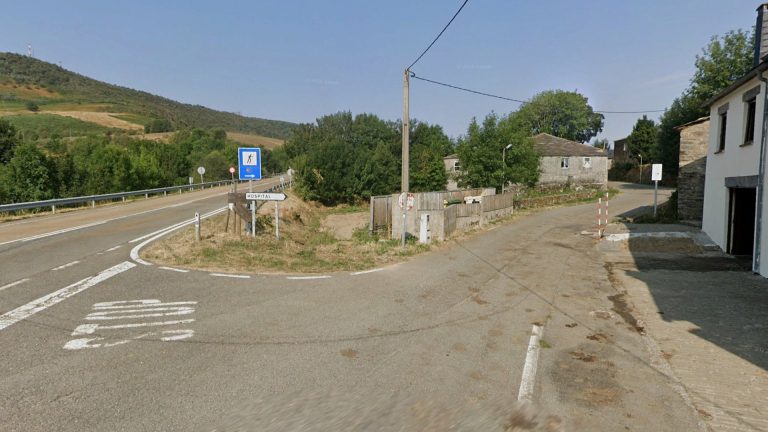
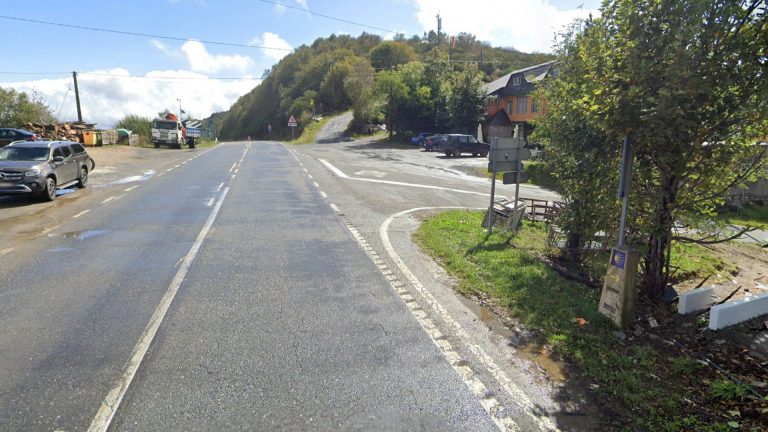
When the horizon of the Castilian high plateau dissolves into an seemingly endless golden yellow, and the shimmering midday heat blurs the contours of the distant clay buildings, the pilgrim reaches El Burgo Ranero. It is a place that embodies the essence of the Meseta in its purest form – a linear settlement that braced itself like a protective wall against the infinity of the Tierra de Campos. Already from afar, the village announces itself through the far-audible clattering of the storks, a rhythmic, almost mechanical sound that echoes in the dry air and becomes the heartbeat of this place. The first contact with El Burgo Ranero is tactile: the fine, calcareous dust of the plain settles like a second skin on the heated forehead, while the feet feel the change from the hard gravel path of the “Senda” to the warm, almost velvety asphalt of the Calle Real.
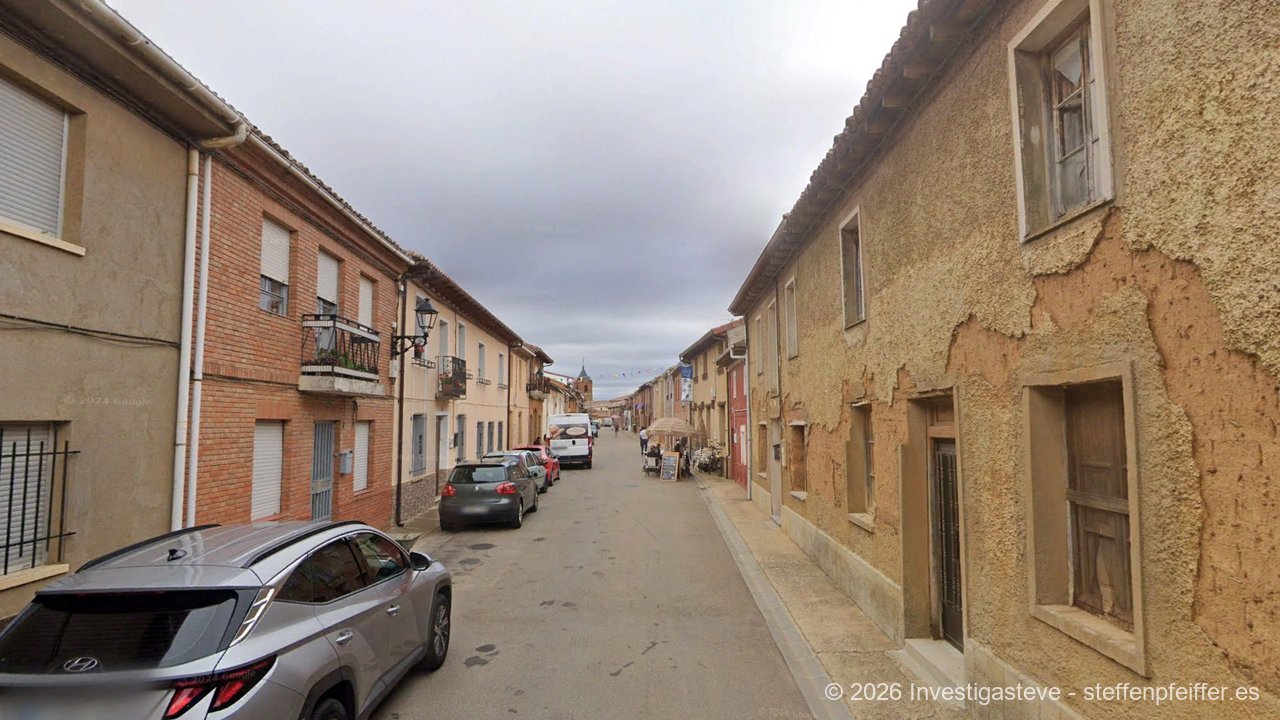
The atmosphere here is characterized by a deep, earthy tranquility. It smells of dry grain, of the spicy sweetness of straw drying in the sun, and occasionally of the cool, damp breath of the nearby lagoons. The houses, many still built in traditional adobe construction of sun-dried clay and straw, radiate an organic warmth. When you run your hand over the rough façades, you feel the stalks and pebbles that were mixed into the mud decades ago – an architecture that literally grew out of the ground on which you walk. Psychologically, the place offers immediate deceleration; after the kilometer-long, straight-as-an-arrow paths of the Meseta, the village feels like a protective harbor, where time is measured not in minutes but in the duration of a stork’s flight.
You enter a world here that resists modern tempo. The light of the province of León has a special quality here – it is hard and clear in the morning, but transforms in the late afternoon into a soft, ocher-colored glow that gently traces the cracks in the old wooden doors and the furrows in the faces of the few locals sitting in the shade of the arcades. El Burgo Ranero is not a place for quick sightseeing; it is a place for long exhalations, for the silent observation of shadows growing longer, as you slowly let the exhaustion of the day drain into the earth.
What This Place Tells
The history of El Burgo Ranero is inextricably linked to movement – to the Roman legions, the medieval settlers, and the millions of pilgrims who have compacted this ground. Founded during the repopulation (Reconquista) under the patronage of King Alfonso VI, the place arose as a deliberate settlement of people who followed the call of the north to cultivate the wide plain. The name itself carries the mystery of water: “Ranero” derives from the frogs (ranas) that hold their nightly concerts in the surrounding wetlands and lagoons. Historically, El Burgo Ranero was always a place of passage, a strategic station on the old Via Trajana, whose foundations still lie beneath the modern paths, forming the historical causality of a 2000-year-old traffic artery.
The architecture of the village tells of the mastery of survival in a barren landscape. The Mudéjar style, characterized by the use of brick and wood, is found in the details of the church of San Pedro. Here, Christian structures merged with Moorish craftsmanship into a unity that is both functional and aesthetically deeply rooted in the soil. The psychological legacy of this era is a form of resilience; you feel the pride of the inhabitants who have held fast to this place despite harsh winters and merciless summers. Every adobe house is a testament to the symbiosis between man and nature, a cycle of earth, water, and sun that has endured for generations.
In the darker chapters of history, El Burgo Ranero witnessed the depopulation of rural areas, a fate shared by many villages in Castilla y León. Yet the emotional metamorphosis that the place undergoes through the Camino is tangible today. Where once the fear of being forgotten prevailed, the steady stream of walkers brings new life to the old alleys. The place is no longer just a relic of the past, but a living interface where ancient Roman logistics meet modern soul-seeking. When you walk through the streets, you recognize in the disproportionately large stork nests on the chimneys and the church tower a symbol of constancy: the birds return every year, just as the Camino sends its pilgrims every year, thus weaving the thread of history ever onward.
Addresses & tips in El Burgo Ranero
Camino Distances
The stage to El Burgo Ranero leads through the heart of the Meseta, shaped by the solitude of the fields and the vastness of the sky. Here are the distances according to the official count:
Sleeping & Arriving
Arriving in El Burgo Ranero has something ritualistic about it. After the long walk from Sahagún, often on the pilgrim path running parallel to the road, the moment you reach the shade of the first houses is a physical redemption. The tactile perception changes abruptly: the burning wind subsides, and the cool air seeping from the thick clay walls of the old buildings receives the walker like a gentle embrace. In the hostels of the place, an atmosphere of camaraderie prevails, intensified by the jointly conquered stage through the “emptiness” of the Meseta. The sound of set-down walking sticks and the rustling of backpacks mingles with the distant clattering of storks into a symphony of the end of the day.
The accommodations in El Burgo Ranero range from the rustic municipal hostel to lovingly managed private guesthouses. In many of these buildings, the ceiling beams are still made of old oak, and the smell of floor wax and clean linen conveys a feeling of domestic coziness. Psychologically, arriving here is an important milestone; you have left behind a large part of the dreaded Meseta plain. The feeling of relief spreads through the body as you dip your aching feet into cold water – a tactile shock that awakens the spirits and opens the mind for the encounters of the evening.
A special feature of many hostels here is the sense of community. There are often inner courtyards where pilgrims hang their laundry to dry while writing in their diaries in the shade of a tree. The light falling through the arcades creates a play of shadows and ochre that makes time stand still. No superficial conversations are held here; the shared experience of heat and vastness has torn down social barriers. You share blister plasters and tips for the next stage to León, while the skin gradually releases the warmth of the day and opens to the cool breeze of the evening.
For the pilgrim seeking peace, El Burgo Ranero offers an almost monastic seclusion. There are no loud discotheques or tourist hustle. The evening belongs to reflection. When the sun sinks as a large, orange-red ball behind the infinite plain, the village wraps itself in a silent devotion. You hear only the soft murmuring in the hostel kitchen and the occasional banging of a window shutter in the wind. It is a deep, almost tactile form of security that this place radiates – you are protected in infinity, a tiny point in the landscape that has found a home for one night.
Eating & Drinking
The cuisine in El Burgo Ranero is as honest and down-to-earth as the people who live here. In the small bars and restaurants, the “cuisine of the fields” is celebrated, based on high-quality, local products. The smell of “Cocido Leonés,” a hearty stew of chickpeas, various meats, and spicy chorizo, wafts through the alleys and awakens the spirits. It is an olfactory promise of strength and satiety. When the first spoonful of the warm broth touches the palate, you feel the centuries-old tradition of providing for travelers. The taste is intense, characterized by the aroma of smoked paprika powder and the earthiness of the legumes grown in the fields right outside the door.
The tactile experience of eating is complemented by the coarse, artisanally baked bread, whose crust cracks loudly when you break it. The hosts often serve a robust red wine from the region with it, a Prieto Picudo, whose deep red color shimmers like liquid ruby in the light of the evening sun. This wine is not just a drink; it is a concentrate of the sun of León, with a structure that fills the mouth and enlivens the senses. In the conversations at the table, the languages of the world mingle, united by the shared praise of the simple yet perfect meal. You eat here not just to get full, but to rebuild the lost energy of the Meseta kilometers layer by layer.
Particularly noteworthy is the culture of tapas, still cultivated with great generosity in the bars of El Burgo Ranero. With a glass of wine or a cool beer, a piece of local cheese or a slice of “Cecina” is often offered – air-dried beef, cut so finely that it melts on the tongue. The psychological effect of this hospitality is enormous; the pilgrim feels welcome and appreciated. The acoustic backdrop – the clinking of glasses, the laughter of the locals, and the subdued light – creates a space of security that perfectly balances the harsh contrast to the glaring solitude of the day.
Supplies & Logistics
Although El Burgo Ranero is a small place, it is logistically excellently adapted to the needs of walkers. The infrastructure is compact and easy to overview, which is very accommodating for the exhausted pilgrim.
Shopping: A small grocery store in the village center offers everything necessary: from fresh fruit to trail provisions to hygiene items. Opening hours often follow the siesta, requiring forward planning.
Gastronomy: Several bars and restaurants offer the classic pilgrim menu. Especially at lunchtime and in the evening, they are lively meeting points where you can also buy small snacks for the road.
Accommodation: In addition to the state-run hostel, there are several private hostels and small guesthouses (Hostales), often with reservation options, which is advisable in high season.
Public Facilities: There is an ATM and a small pharmacy, well-equipped for treating blisters and minor injuries. Public fountains with drinking water are distributed throughout the village.
The place is also well-connected in terms of transport. The small train station of El Burgo Ranero lies somewhat outside and offers connections to León or Sahagún, which can be helpful for pilgrims who need to shorten the stage due to injury or time constraints. The psychological security of being able to access public transport in an emergency takes much pressure off planning. Overall, the logistics in El Burgo Ranero function like a well-oiled medieval clockwork, adapted to modern times without losing its identity as a simple supply point in the plain.
Don’t Miss
1. Church of San Pedro: An architectural gem with an impressive Artesonado ceiling in the Mudéjar style. The wooden construction looks like an inverted ship’s keel and radiates a sublime calm.
2. Laguna del Burgo: A short walk leads to this natural lagoon. Especially at dusk, it is a magical place to observe water birds and listen to the concert of frogs.
3. The storks of El Burgo: Observe the majestic birds on the church tower. The wooden clattering is the acoustic landmark of the village and a symbol of luck along the wayside.
4. Adobe Houses: Stroll through the side streets and pay attention to the traditional houses of clay bricks. The texture of the walls is a tactile archive of Spain’s rural building history.
5. Sunset on the Senda: Sit on one of the benches at the edge of the village towards Reliegos. When the sky over the flat plain is in flames, you experience the true vastness of Castile.
6. Local Prieto Picudo: Try this unique wine in one of the bars. Its robust character is the liquid expression of the Tierra de Campos region.
7. The village cross: A simple but meaningful point for a brief pause or a photo capturing the simplicity of Camino life.
Insider Tips & Hidden Places
Beyond the Calle Real, El Burgo Ranero conceals small treasures that reveal themselves only to those who shed their haste. One such place is the back of the Laguna, where a narrow path leads through the reeds. Here, far from other pilgrims, you find absolute stillness, broken only by the wind in the grass. The ground here is soft and springy, a pleasant contrast to the hard path. It smells of damp earth and wild mint. This place is a psychological refuge, ideal for meditation or simply to let your thoughts drift with the clouds. It is the historical causality of nature that has remained unchanged here for centuries, while the world around it grew faster.
Another insider tip is a visit to the small bakery early in the morning, shortly before you leave the place. When the whole village is still asleep, the air fills with the intoxicating scent of freshly baked bread and sweet “Mantecados.” The tactile experience of holding a still-warm roll in your hands as you step into the cool morning air is the perfect start to the day. You feel the warmth of the oven still in the crust, a small luxury that shortens the coming kilometers through the solitude. In these moments, the pilgrim becomes part of the village rhythm, a brief guest in a life that has followed the same patterns for centuries.
Those who keep their eyes open will find faded inscriptions or symbols on some old barn walls, pointing to the agricultural past of the place. They are the quiet voices of history, telling of hard work and deep faith. When you place your hand on the sun-bleached wood of an old barn door, you feel the rough history of generations who threshed grain here and stored supplies for the winter. These small, insignificant details are what give El Burgo Ranero its soul – away from the splendor of great cathedrals, towards the honest beauty of the everyday.
Finally, there is a small square somewhat off the main route, where an ancient olive tree stands, its twisted trunk seeming to have grown like a sculpture from time itself. Here, the older men of the village often gather in the evening. If you sit down with them and just listen to how their deep, rough voices hang in the evening air, you learn more about the true Castile than from any travel guide. It is an acoustic window into a world of constancy, where the harvest, the weather, and the passing strangers are the only topics that truly matter.
Moment of Reflection
El Burgo Ranero is a place of psychological confrontation with one’s own expectations. Those who seek pomp and sensations will be disappointed; but those who possess the ability to find abundance in reduction will be richly rewarded. The place forces the pilgrim into emotional metamorphosis: you leave the desire for constant distraction in the dust of the Meseta and learn to accept silence as a conversation partner. The clattering of the storks becomes a mantra, the adobe house a symbol of one’s own vulnerability and strength simultaneously. You recognize here that the greatest changes often happen in the quietest moments – when looking at a clay wall or tasting a simple stew.
In the vastness of El Burgo Ranero, the ego shrinks, while the awareness of connection with history and nature grows. The tactile experience of the clay, the smell of the straw, and the acoustic infinity of the plain form a framework in which you can encounter yourself anew. It is the preparation for the coming urban centers, a last school of simplicity. When you leave El Burgo Ranero, you carry not only the dust of the Tierra de Campos on your shoes, but also a deep, inner peace in your heart that knows true constancy comes from the earth itself.
Camino of the Stars
This place lies on the Camino Francés, on the stage from Sahagún to León. The sequence of places is:
Sahagún → Bercianos del Real Camino → El Burgo Ranero → Reliegos → Mansilla de las Mulas → Puente Villarente → Arcahueja → León
Did you also feel the meditative clattering of the storks in El Burgo Ranero as your very personal Camino rhythm, or did the simple beauty of the adobe houses inspire thoughts entirely your own? Share your experiences, your photos of the lagoons, or your tips for the best bar in town with us. Every story helps other pilgrims discover the hidden soul of this special place in the Meseta!
About the Author