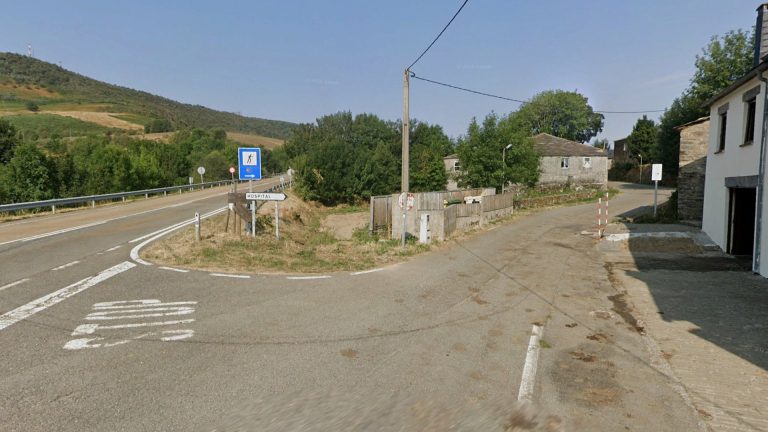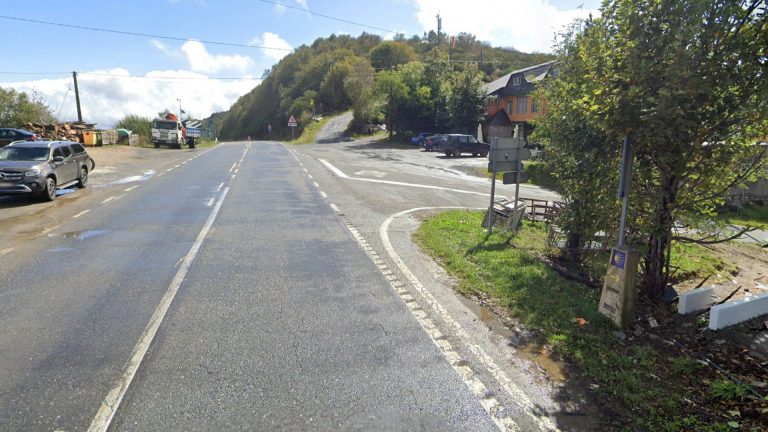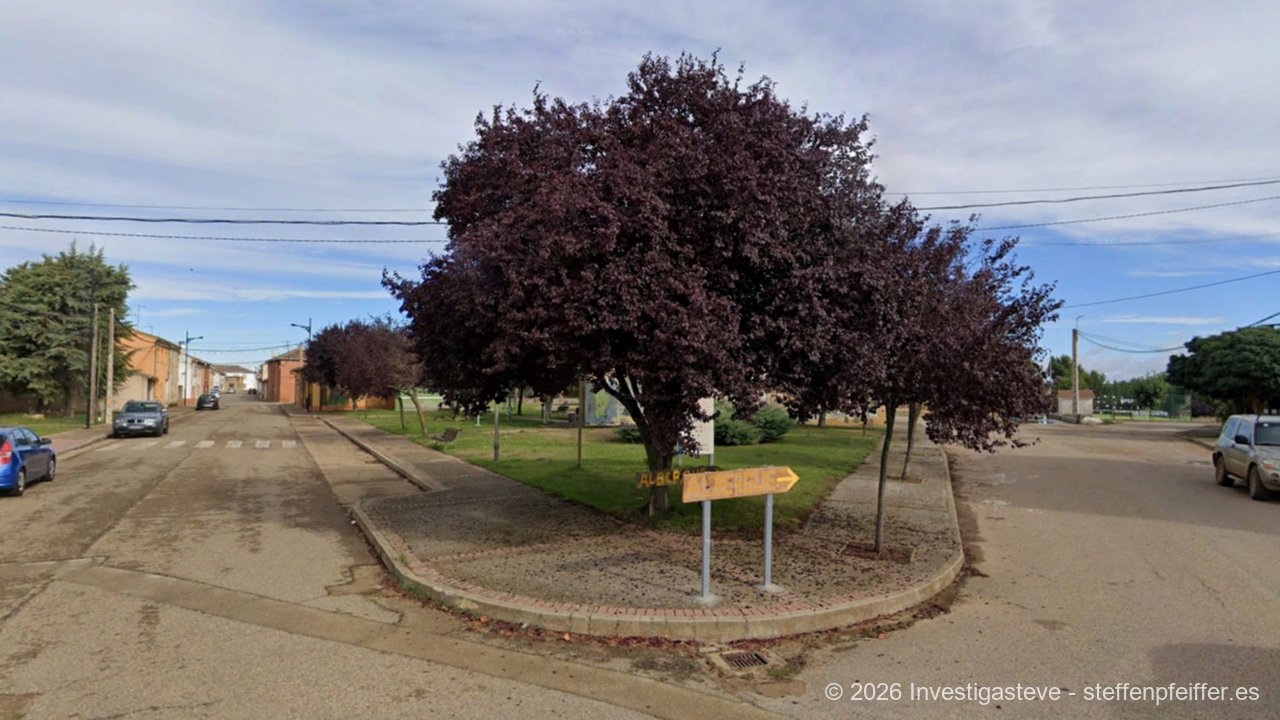
A First Glance – Introduction & Atmosphere
When the pilgrim leaves behind the proud walls of Sahagún, that place which once formed the spiritual heart of the medieval empire as the “Spanish Cluny,” the landscape changes noticeably. You step out into a vastness that feels equally intimidating and liberating. After only a few kilometers on the dusty path, flanked by the seemingly endless grain fields of the province of León, Calzada del Coto appears on the horizon. It is a village that nestles humbly into the flat depression, an ensemble of ochre-colored adobe and fired brick that looks like an optical illusion in the shimmering midday heat of the Meseta. The first contact with the place is a tactile experience: the fine, calcareous dust of the Tierra de Campos settles like a protective veil on the skin, while the soles of the hiking boots register the change from the hard gravel path to the softer earth of the village entrance.
The atmosphere in Calzada del Coto is characterized by a deep, almost archaic tranquility. You hear the distant, rhythmic clattering of the storks on the bell tower of San Esteban, a sound that echoes like a wooden echo of past centuries through the quiet alleys. It smells here of dry earth, of the tart scent of rosemary and thyme wafting from the nearby hills, mixed with the cool, slightly musty note of old cellar vaults. Psychologically, arriving in Calzada marks a turning point. After the monumental impact of Sahagún, this small village offers an intimacy that turns the gaze inward. It is the vestibule to one of the most important decisions on the Camino Francés: the crossroads between the traditional Senda and the historic Calzada Romana. Those who arrive here feel the historical causality in every stone; you are no longer just a walker, but part of a millennia-old logistics that once guided legions and today guides seekers of souls.
The light in Calzada del Coto possesses a remarkable clarity. When the sun hangs low, the rough façades of the clay houses transform into glowing gold. You feel the texture of history under your fingertips when you run your hand over the roughly plastered walls, in which the stalks of straw that stabilized the clay generations ago are still visible. It is a place of deceleration, where the acoustic panorama is reduced to the essentials – the rustling of the wind in the distant poplars and the occasional murmuring of pilgrims gathering in the shade of the arcades. In Calzada del Coto, the Meseta becomes graspable, smellable, and touchable, a five-dimensional immersion into rural Spain that stubbornly resists the pace of modernity.
What This Place Tells
The history of Calzada del Coto is inextricably linked to the term “Coto,” which in Spanish means something like an enclosed, protected territory. In the Middle Ages, this land belonged to the seigniorial domain (Coto) of the powerful Abbey of Sahagún. The historical causality is tangible here: the Benedictine monks administered these lands with a strict hand and wise foresight to ensure the supply of the abbey and the pilgrim hospitals. When you walk through the village, you walk on the remains of a feudal system that shaped the landscape for centuries. The name “Calzada,” in turn, refers to the old Roman road, the Via Trajana, which once connected Asturica Augusta (Astorga) with Burdigala (Bordeaux). You stand here literally at an intersection of world empires – where Roman engineering met medieval monastic power.
Architecturally, the parish church of San Esteban is the stone memory of the place. Its massive tower of brick and natural stone has defied the storms of the plain since the 16th century. Inside, an altarpiece reveals itself, testifying to deep faith and masterful craftsmanship. Yet the true story is often told in the smaller structures, such as the Ermita de San Roque, which watches over the health of travelers at the edge of the village. Roque, the patron saint against the plague, was an indispensable companion for medieval pilgrims. The psychological component of the place feeds on this constant presence of protection and guidance. The inhabitants of Calzada have developed a resilience over the centuries that is expressed in the simplicity of their construction. Adobe – clay, water, and straw – is the material of the earth, which cools in summer and warms in winter, a tactile connection to the soil that gives the people here their identity.
Particularly fascinating is the historical development of the “Despoblados” in the surrounding area. Places like Valdelaguna or Villarrubia, which have disappeared from the map today, tell of hard times, of wars, plague epidemics, and the relentless rural exodus. Calzada del Coto remained as a firm anchor point, a survivor in a barren world. The pilgrim’s emotional metamorphosis is fueled here by the realization that constancy is not a coincidence, but the result of community and work. When you sit on the historic milestones of the Roman road, some of which are still built into the foundations of the houses, you feel the continuity of being. The silence of the place is not emptiness, but a space filled with stories, waiting to be deciphered by the walker.
The historical significance as a crossroads has given Calzada a special dynamic. Here, not only the roads diverged, but also the fates. While some followed the “Senda,” others chose the solitude of the ancient Calzada Romana. This decision-making situation shaped the character of the village as a place of pause and deliberation. In the old chronicles, Calzada is often mentioned as a place of last preparation before plunging into the supposed wilderness of the Leonese high plateau. This aura of preparation is still palpable today when you set down your backpack at the fountain and let your gaze wander over the endless vastness that begins beyond the village.
Addresses & tips in Calzada del Coto
Camino Distances
Calzada del Coto is a strategic point on the Camino Francés, directly after leaving Sahagún. Here, the further course of the stage often decides itself.
| Previous Place | Distance (km) | Next Place | Distance (km) |
|---|---|---|---|
| Sahagún | approx. 4.5 km | Bercianos del Real Camino (via Senda) | approx. 6.0 km |
| Sahagún | approx. 4.5 km | Calzadilla de los Hermanillos (via Calzada) | approx. 8.5 km |
Sleeping & Arriving
Arriving in Calzada del Coto is an act of physical and mental landing. After the short but often wind-swept stretch from Sahagún, the village offers a shelter that appeals to all the senses. The tactile perception of the San Roque hostel, housed in a former school building, is characterized by the coolness of the stone floors and the warmth of the wood of the bunk beds. When you take off your sweaty clothes and place your hand on the massive walls, you feel the thermal inertia of the adobe, which immediately calms the body. The acoustic panorama upon check-in is a soft murmuring in various languages, underscored by the distant barking of a village dog and the wind playing in the cracks of the old window shutters.
The psychological relief of finding accommodation in such a small place is immense. You escape the hustle of the larger towns and return to an almost monastic simplicity. In Calzada, there is no anonymity; you are often greeted with a nod of the head from the locals sitting on their benches in front of the houses. The smell in the dormitories is a mix of fresh linen, the aroma of hiking boots, and a light note of lavender, which many pilgrims use for relaxation. This olfactory signature of arrival becomes a fixed part of the Camino experience. It is the time of regeneration, when you put your feet up and mentally sort the day’s events, while outside the shadows of the poplar rows grow ever longer.
Particularly noteworthy is the quality of sleep in Calzada del Coto. The absence of urban noise and light pollution allows for a recovery that penetrates deep into the cells. At night, you hear only the soft breathing of fellow pilgrims and the occasional creaking of the roof beams. It is a tactile form of security to snuggle under the blanket, knowing that outside the infinity of the Meseta keeps watch. Those who stay here consciously choose silence over consumption. The emotional metamorphosis takes place in these hours of rest, when the ego shrinks and the connection to the ground on which you sleep grows.
The sanitary facilities in the hostels are often simple but functional. The warm water on the skin after a hot day is a tactile luxury that puts any modern wellness oasis to shame. It is the appreciation of the elemental that Calzada teaches. When you sit in the small garden of the hostel in the evening and watch the stars flicker over the flat plain, you feel the connection to the medieval pilgrim who spoke his prayers right here, under the same sky. Arrival in Calzada is not a logistical process, but a spiritual docking to the earth of León.
Eating & Drinking
The gastronomy in Calzada del Coto is an honest homage to the Tierra de Campos. Here, cooking is not for gourmets, but for people who work with their bodies. The smell of “Sopa de Ajo,” the traditional garlic soup made from old bread, olive oil, garlic, and plenty of Pimentón, wafts through the bars in the evening. It is a scent that immediately awakens the spirits and drives out the cold that often creeps into the Meseta after sunset. The taste is intense, spicy, and warming – a culinary embodiment of the Castilian soul. You often eat here at simple wooden tables; the tactile experience of the crusty bread, which you break with your hands, is part of the fixed ritual of every meal.
Another highlight are the local stews with chickpeas or lentils, which have simmered for hours on a low flame. The texture of the legumes, which melt on the tongue, mixed with the spiciness of a good chorizo, offers a five-dimensional explosion of flavor. You drink the wine of the region with it, usually a robust red from the Prieto Picudo grape. Its color is a deep ruby red, and its aroma carries notes of wild berries and dry earth. Drinking this wine is like absorbing the landscape itself. Acoustically, the meal is often accompanied by the loud conversations of the villagers debating harvests, weather, and politics – a lively contrast to the silence of the path.
Psychologically, communal eating in Calzada is an act of fraternization. You share carafes of wine and bread baskets with strangers who become companions within a few hours. The taste of the “Tortilla de Patatas,” often served particularly juicy here, remains as a golden accent in memory of the journey. Those who eat in Calzada del Coto experience the historical causality of supply: pilgrims here have always been nourished by what the land yielded. It is a form of sustainability that existed long before the term. When you enjoy the last sip of wine and feel the warmth of the meal in your stomach, you are ready for whatever the next day may bring.
Supplies & Logistics
Calzada del Coto is a small place, but logistically surprisingly well-equipped, as it functions as a hub. The infrastructure is compact and concentrates around the central square and the main street.
Shopping: A small village shop supplies walkers with basic needs: fresh fruit, water, bread, and typical pilgrim supplies. The selection is limited, but the quality of the local products is often excellent.
Gastronomy: There are several bars offering pilgrim menus and bocadillos. Especially in the afternoon, they are popular meeting points to study maps over a cold beer.
Accommodation: The municipal Albergue San Roque is the main point of call, supplemented by some private options and guesthouses in the immediate vicinity.
Public Facilities: A public fountain with drinking water is available, as is a small pharmacy and regular bus connections to Sahagún or León, should your strength ever wane.
The psychological security of encountering functioning logistics in this isolated region takes much pressure off travel planning. You sense that the inhabitants are accustomed to the pilgrim flow and display a pragmatic warmth. The acoustic backdrop of the logistics is characterized by the distant roar of the highway passing the village at a safe distance, a constant reminder of the modern world, while you yourself walk in the rhythm of the Middle Ages. Supply in Calzada is not luxury, but a reliable service to people, translating the historical tradition of hospitality into modernity.
Don’t Miss
1. Church of San Esteban: An impressive example of León’s sacred architecture with an altarpiece that should be viewed at leisure. The cool air inside is a tactile blessing on hot days.
2. Ermita de San Roque: The small chapel at the edge of the village is a place of silence. Pay attention to the statue of the saint with his dog – a symbol of loyalty and healing on the Camino.
3. The crossroads: Shortly behind the village, the path divides. Take the time to pause at this point. The psychological weight of this decision is part of the Camino experience.
4. The Adobe Architecture: Take a conscious walk through the side streets. Touching the texture of the clay walls is like a journey back in time to rural building history.
5. The Stork Concert: Especially in spring, the nests on the roofs are a spectacle for eyes and ears. The clattering is part of Calzada’s acoustic identity.
6. The Village Fountain: A ritual place. Letting the cold water run over your wrists is a tactile highlight after a dusty stage.
7. Sunset on the Plain: Walk a few hundred meters out of the village. When the sky over the Tierra de Campos explodes in violet and orange, you feel the true magic of the Meseta.
8. Prieto Picudo Wine Tasting: Ask in the bar for the local wine. Its robust character is the liquid expression of the region.
Insider Tips & Hidden Places
Off the beaten paths, Calzada del Coto offers hidden jewels for the attentive observer. One such place is the small oak forest “El Coto,” which gave the village its name. Only a few pilgrims take the time to immerse themselves in this small refuge. Here, it smells of damp leaves and old wood, an olfactory contrast to the dry grain plain. The ground here is soft and springy, a tactile pleasure for tired feet. In this forest, the historical causality of the old hunting grounds of the Abbey of Sahagún seems still alive. It is a place of psychological regeneration, where you can forget for a moment that you are a walker on a fixed route.
Another insider tip is the search for the remains of the “Despoblados” in the immediate vicinity. With a good map, you can find the foundations of former hamlets, now overgrown with grass and bushes. These places exude a melancholy beauty and stimulate reflection on transience. When you touch the weathered stones, you feel the weight of history and the fates of the people who once lived here. It is an acoustic experience of absolute stillness, only interrupted by the cry of a bird of prey in the wide sky. These places are the psychological shadows of the Camino, which only make it complete.
For photography lovers, there is a special viewpoint at the bridge over the railway line. From there, you have a perfect view of the silhouette of Calzada del Coto as it stands out against the wide sky. At dusk, when the first lights come on in the village, the place looks like a luminous island in a dark sea. The tactile experience of the cold iron railing of the bridge under your hands forms a sharp contrast to the warm atmosphere of the village. This place offers the best perspective to grasp the isolation and simultaneous security of the settlements in the Meseta.
Finally, a look into the private vegetable gardens, often hidden behind high walls, is worthwhile. If you are lucky and a door is open, a small green paradise of tomatoes, peppers, and vines reveals itself. The smell of freshly watered earth is enchanting here. These gardens are the psychological symbol of the fertility wrested from the barren soil. Those who observe a local at work understand the deep connection of the people to their land, which goes far beyond tourist perception. It is a lesson in patience and devotion that the Camino gives the attentive pilgrim in Calzada del Coto.
Moment of Reflection
Calzada del Coto is a place of existential decision. Here, the pilgrim is confronted with the freedom of choice: the comfortable Senda or the historic Calzada. This psychological situation reflects the great life decisions where there is no right or wrong, only the chosen path and its consequences. The emotional metamorphosis takes place here in the moment of pause. You recognize that the path consists not only of kilometers but of the conscious decisions you make. The historical causality of the Roman road, which has followed the same course for millennia, provides a stable framework, while the Senda offers the more modern, perhaps more human alternative.
In the stillness of Calzada, while contemplating the adobe walls and listening to the storks, the question of one’s own constancy often arises. How much clay and straw is there in one’s own convictions? The tactile experience of the village, its earthliness and simple beauty, acts like a mirror for the soul. Those who leave Calzada del Coto carry not only dust on their shoes but a new clarity in their minds. They have learned that even small places can raise big questions and that the true depth of the Camino often lies in the inconspicuous moments between the major stage destinations. It is the preparation for the heart of León, a final school of humility before the infinity of the plain.
Camino of the Stars
This place lies on the Camino Francés, on the stage from Sahagún to León. The sequence of places is:
Sahagún → Calzada del Coto → Bercianos del Real Camino → El Burgo Ranero → Reliegos → Mansilla de las Mulas → Puente Villarente → Arcahueja → León
(Note: From Calzada del Coto, the Via Trajana via Calzadilla de los Hermanillos can alternatively be chosen.)
Did you also stand at the crossroads of Calzada del Coto and wrestle with yourself about which route was the right one for you? Did you enjoy the cool stillness of the Ermita San Roque or find a piece of old Spain in the adobe alleys? Share your story, your photos of the starry sky over the Tierra de Campos, or your tips for the best garlic soup in town with us. Your experiences make this path richer for all of us!
About the Author