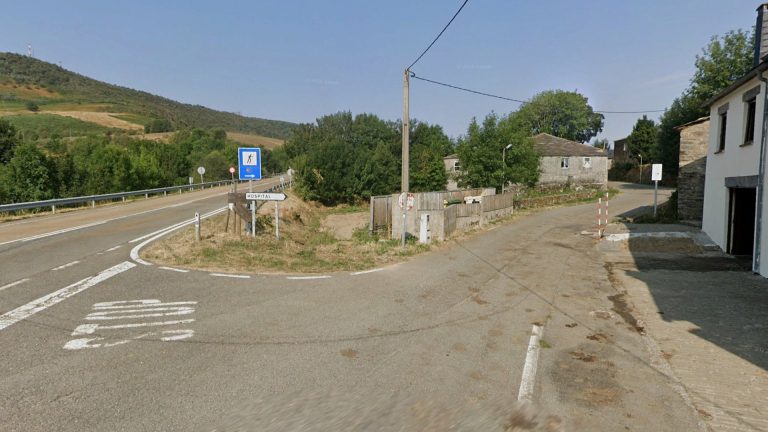
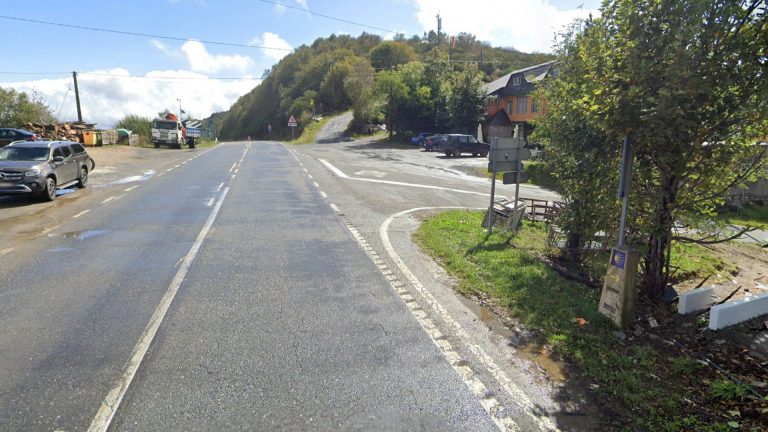
A First Glance – Introduction & Atmosphere
When you leave Mansilla de las Mulas and give yourself over to the wide, often shimmering plain of the Leonese high plateau, a sensory change takes place shortly before Puente Villarente, revitalizing your exhausted pilgrim senses in an almost magical way. After the dry, dusty kilometers of the Meseta, where the wind often sweeps relentlessly over the grain fields and the sun has turned the reddish soil into a hard crust, you suddenly feel a change in the air humidity. A cooler breath, saturated with the tart aroma of river water, damp mud, and the sweetish scent of poplars, wafts towards you. You approach the Río Porma, and with it one of the most striking topographical cuts on the path to León. Puente Villarente lies at about 810 meters and receives you with an atmosphere marked by a deep, almost reverent gravity. It is a place of threshold experience: here the absolute vastness of the plain ends, and the first harbingers of the urban world of León begin to mingle with the rural fabric.
The visual and tactile center of this place is undeniably the monumental bridge that stretches like a stone skeleton over the wide riverbed of the Porma. When your boots first touch the uneven cobblestones, smoothed by millennia, of the bridge, you feel the vibration of history under your soles. It is an auditory experience of a special kind: the rhythmic clicking of your hiking poles on the stone mingles with the steady, soothing gurgle of the water under the mighty arches. In the summer months, you also hear the characteristic, frantic chirping of swallows nesting under the bridge arches, and the distant, stoic clattering of storks on the church towers of the place. Psychologically, Puente Villarente marks for the pilgrim a moment of redemption. The water of the Porma symbolizes purification and renewal after the physical and mental strain of the preceding days. You stand here at a bottleneck of the pilgrimage, at a point where you can perceive the power of engineering and the constancy of faith in every fiber of your body.
What This Place Tells
Puente Villarente is not merely a village that happened to arise on a road; it is a settlement whose entire reason for existence was forged from stone and water. The historical causality takes us back to the time of the Roman conquest of northern Spain. Even the legionaries of Augustus recognized the strategic necessity of permanently taming the often unpredictable Río Porma at this point. The foundations of today’s bridge still breathe the spirit of Roman architecture, even though the structure underwent a fascinating architectural metamorphosis over the centuries. With its impressive 20 arches, the Puente de Villarente is among the most significant and longest bridge constructions on the entire Camino Francés. When you let your hand glide over the rough, lichen-covered ashlars of the pillars, you touch material that offered protection from the raging floods to generations of pilgrims, merchants, and soldiers. The stone is often cool, even when the midday sun burns on it, and its irregular texture tells of countless repairs and extensions after devastating floods.
A central historical narrative of the place is inextricably linked to the care for the weak. In the Middle Ages, Puente Villarente was famous for its pilgrim Hospital, founded in the 12th century by the noble Domina Alvito. In her will, she decreed that no wanderer should be turned away – early evidence of institutionalized hospitality along the Camino. The psychological weight of this tradition is still present in Puente Villarente. You walk on ground saturated by the hope and pain of millions of people who found their first safe rest here before the gates of León. The Hospital was not only a place of physical healing but a spiritual anchor point in a time when crossing a river could still be a life-threatening venture. Olfactorily, the memory of the smoke of medieval cooking fires mingles here with the modern scent of freshly plowed earth from the surrounding Vega lands.
The bridge itself served for centuries as a kind of tactile archive. The chronicles of the 15th century report how travelers celebrated the arches of the bridge as landmarks and symbols of safety. The fact that the bridge does not run in a straight line but crosses the riverbed in a gentle zigzag course shows the builders’ deep understanding of the Porma’s flow dynamics. This historical immersion teaches the modern pilgrim humility before the achievement of their ancestors. Puente Villarente tells the story of overcoming obstacles through perseverance. The place was always a hinge between the agriculturally shaped Sobarriba and the stately city of León. Those who rest here in Villarente feel the historical weight of the border. It is the place where paths converge, where the identity of the walker gains new solidity through the monumental presence of the bridge. You recognize that the Camino consists not only of spiritual visions but of the hard, tactile reality of stone, mortar, and the tireless will to pave the way.
Addresses & tips in Puente Villarente
Camino Distances
The stage leads you from the fertile basin of the Esla River up towards the Leonese metropolis, with Villarente functioning as a logistical link.
| Previous Place | Distance (km) | Next Place | Distance (km) |
|---|---|---|---|
| Mansilla de las Mulas | approx. 6.5 km | Arcahueja | approx. 4.5 km |
Sleeping & Arriving
Arriving in Puente Villarente means, after the heat and the vastness of the Meseta, immersing yourself in a protective, water-rich oasis. For many pilgrims, reaching the monumental bridge is the psychological turning point of the day. The village has perfectly adapted to the needs of walkers and offers infrastructure ranging from rustic simplicity to modern comfort. The Albergue San Pelayo is one of the best-known points of call. When you enter the building, you are enveloped by a smell of cleanliness, mixed with the characteristic aroma of dried wood and freshly washed cotton. It is an auditory experience of community: the soft clatter of hiking poles deposited in the stands at the entrance and the rhythmic hiss of the coffee machine in the communal kitchen form the soundtrack of your arrival. The tactile experience of taking off your heavy boots after a long march and feeling the cool stone floor of the hostel under your socks is a form of physical redemption for the pilgrim.
The hostel culture in Villarente is characterized by a stoic warmth. You can tell that the hospitaleros know what a pilgrim needs after the kilometers from Mansilla. The psychological effect of a friendly welcome and a well-organized sleeping place is immense. In the dormitories, a respectful silence often prevails, broken only by the occasional rustle of sleeping bags or the muted murmuring in various languages when the day’s experiences are exchanged. Those seeking a more private atmosphere will find retreats in the local hostals or the Hotel Puente Villarente, often offering a direct view of the riverbank. There, in the evening, you can sit by the window and watch the last light of the sun bathe the 20 bridge arches in a warm, glowing orange – a visual spectacle that soothes the soul and lets the day’s efforts be forgotten.
Arriving in Villarente is also a logistical relief. Since the place has grown compactly around the main axis and the bridge, all paths are short. You feel the tactile lightness of your body when you stroll through the alleys after showering without a backpack. In the evening, it often smells of roasted Morcilla and the hearty aroma of pilgrim menus served in the numerous inns. This feeling of supply security gives the walker back a psychological stability sometimes lost in the lonelier sections of the Meseta. Staying overnight in Puente Villarente means gathering strength for the final jump to León. At night, you often hear the steady rushing of the Porma, an auditory anchor reminding you that nature still holds sway here, even if the stone bridge has kept it in check for millennia. It is a night of regeneration in which you can reflect on the historical causality of your own path in the silence of the place.
Eating & Drinking
The cuisine in Puente Villarente is an honest homage to the fertile river landscape of the Porma and the hearty tradition of the province of León. Here, cooking is not for gourmets with refined palates, but for people who carry the dust of the path in their throats and exhaustion in their bones. In the inns along the main street, the midday smell of Sopa de Ajo, the Leonese garlic soup, is temptingly present, prepared here with a special intensity. The tactile warmth of the heavy clay bowl in your hands and the first spoonful of the hot, spicy liquid, in which the bread slowly dissolves, are a sensory comfort. The taste is characterized by high-quality Pimentón de la Vera and local garlic – a combination that immediately floods the body with new energy.
An absolute culinary must is the Morcilla de León. This blood sausage differs significantly from the Burgos variety; it is softer, creamier, and often served warm as a spread on toasted bread. When you spread the dark, spicy mass onto the crispy bread, you experience a tactile texture that triggers a true taste explosion on the palate. Olfactorily, the aroma of cinnamon, cloves, and onions mingles here to form a complex note. You best drink a wine from the region with it, perhaps a Prieto Picudo, whose robust structure and mineral undertones pair perfectly with the heartiness of the dishes. The clinking of glasses and the loud, hearty laughter of the locals, who meet in the bars for tapas in the evening, form an acoustic backdrop of great authenticity.
Those who prefer fish should not miss the trout from the Porma. The river has always been known for its abundance of fish, and in Villarente, the trout is often prepared “a la leonesa” – with a strip of finest Jamón inside. The tactile experience of the tender, white fish meat in contrast to the salty, crispy ham is a delight you will not soon forget. For dessert, homemade Arroz con leche (rice pudding) with a generous cinnamon crust or the famous Nicanores de Boñar, a fine puff pastry from the province, often tempt. Eating in Puente Villarente is a ritual act of strengthening. You eat the strength of the Vega and the endurance of the river fishermen to prepare yourself mentally and physically for the ascent to Arcahueja. It is an honest cuisine that wears no masks and precisely thereby unfolds its deep, psychological effect on the hungry pilgrim.
Supplies & Logistics
Logistically, Puente Villarente is a prime example of a functional pilgrim hub before a large provincial capital. Since the place lies directly on the axis leading to León, supply security here is absolutely guaranteed. There are several well-stocked grocery stores where you can stock up on fresh fruit, nuts, and water for the coming kilometers. The smell in these Tiendas is a nostalgic mix of fresh pastries, detergent, and the tart aroma of hanging hams. It is a tactile pleasure to choose the plump apples or the firm country bread. The logistics of the place are designed to spare the walker all unnecessary detours; everything essential is found along the main street.
Medical care is secured by a pharmacy directly in the village, whose staff are well-versed in the typical ailments of pilgrims. Psychologically, it gives the walker great security to know that blister plasters or anti-inflammatory ointments are only a stone’s throw away. ATMs are available and easily accessible, which is a logistical relief after the smaller villages of the Meseta. In addition, Puente Villarente is excellently connected to public transport. City buses run regularly to León, allowing for flexible planning should your feet need a break after the rigors of the plateau or if luggage is to be sent ahead.
Shopping: Several supermarkets and small Tiendas in the village center comprehensively cover daily needs for food and pilgrim supplies.
Gastronomy: A high density of bars and restaurants serves pilgrim menus, tapas, and regional specialties in every price range.
Accommodation: Two larger hostels as well as hostals and hotels offer space for hundreds of walkers in an authentic setting.
Public Facilities: Pharmacy, ATM, and regular bus connections to León ensure perfect logistical security.
In summary, Puente Villarente perfectly fulfills its role as a logistical springboard to León. The paths in the village are efficient, the infrastructure is robust, and the people are accustomed to the steady stream of pilgrims. Use this place to thoroughly replenish your supplies and check your gear once more. The psychological calm emanating from the excellent supply in Villarente is the best preparation for the final ascent onto the plateau of Arcahueja. Here in Villarente, logistics become secondary because everything functions so smoothly that you can fully concentrate on your inner journey.
Don’t Miss
1. Crossing the bridge: Take your time for the 20 arches; stop in the middle and feel the wind blowing over the Porma.
2. The stork panorama: Pay attention to the huge nests on the roofs – the clattering of the white storks is the characteristic soundtrack of the place.
3. The church of San Pelayo: A simple but dignified building preserving wonderful silence and coolness inside.
4. Walk along the riverbank: Briefly leave the main path and explore the green meadows of the Porma below the monumental bridge.
5. Taste Morcilla de León: Experience the unadulterated taste of the creamy blood sausage in one of the village bars.
6. View of the Pyrenean foothills: In clear weather, you can already make out the silhouette of the distant mountains in the north.
7. The archaeological remains of the Hospital: Look for traces of Domina Alvito and feel the historical depth of pilgrim care.
8. Sunset over the Porma: When the light breaks through the bridge arches, this is the most magical moment for a photo.
9. Local wine Prieto Picudo: Treat yourself to a glass of this characterful drop and feel the power of the Leonese earth.
10. A conversation with the fishermen: If you see fishermen on the Porma in the evening, ask them about the secrets of the river – you often hear fascinating legends.
Insider Tips & Hidden Places
Away from the busy main street and the monumental bridge, Puente Villarente conceals small corners of rare stillness and beauty. If, at the edge of the village, you do not immediately follow the asphalt but take a small dirt road upstream, you will reach an old, partially dilapidated mill after a few hundred meters. Here, the rushing of the Porma is more intense, and the smell of damp moss and old masonry creates an almost mystical atmosphere. You hear only the hiss of the water and the distant rustling of the trees. It is a tactile retreat where you can sit on a moss-covered stone and enjoy the coolness of the shade. Psychologically, this is the ideal place to finally leave the impressions of the Meseta behind and attune yourself to the new, water-rich phase of your path.
Another insider tip is a small path leading under the bridge. Many pilgrims only cross over it, but the perspective from below is breathtaking. You stand between the massive stone pillars, feel the tactile power of the immense construction, and hear the echo of your own steps in the vaulted space. Down here, it smells of river pebbles and algae – an olfactory experience of great purity. You recognize the historical causality of the construction phases: Roman foundations meet medieval arches. It is a place of historical immersion that reminds you that progress always builds on what already exists. Down here, in the shadow of the 20 arches, you find a tranquility often disturbed by traffic up on the road.
Tucked away on one of the side streets, somewhat hidden behind the modern buildings, you will also find a small private Bodega that often opens its doors to interested walkers. If you are lucky, you will be invited into the cool belly of the earth, where the wine matures in old barrels. The smell of damp clay and fermenting must is an olfactory revelation. The tactile cold of the walls is a physical blessing on hot days. Here you hear stories about the time when Villarente was still an important trading center for grain and wine. These small, personal encounters are the true treasures of the Camino – they give the place a soul that goes beyond mere logistics.
Finally, a look at the vegetation on the riverbank in the early morning hours is worthwhile. When the mist hangs over the Porma, the poplars look like ghosts in a silver world. The visual experience of the rising steam over the water and the distant ringing of church bells from the neighboring villages creates a spiritual depth that lets you arrive fully within yourself. Psychologically, this moment of stillness prepares you perfectly for the coming ascent to Arcahueja. You leave Villarente not only with a full stomach and new supplies, but with a feeling of connection to history and nature that will protect you like an invisible cloak over the next kilometers.
Moment of Reflection
Puente Villarente poses a quiet but persistent question about your own “bridge-building strength.” Just as the stone arches have spanned the Porma for millennia, you too build bridges on your path – between your past and your future, between your exhaustion and your will. Psychologically, Puente Villarente is the place where you can test the load-bearing capacity of your inner foundation. Have you used the Meseta to anchor your pillars deep in the soil of self-knowledge? The monumental presence of the bridge teaches you constancy. Not every arch is perfect, but in their entirety, they withstand every flood. What are your 20 arches that carry you through life?
Take the time to pause in the middle of the bridge. Feel the tactile reality of the uneven ground and listen to the flowing water. The water of the Porma beneath you flows unceasingly, just like time. The historical causality teaches us humility: we are only part of this path for a tiny moment, but we stand on the shoulders of giants like Domina Alvito. In Puente Villarente, the solidarity of the path becomes a physical certainty. Use the silence of the night by the river to clarify your motivation. With every stone you tread, you solidify your own determination. You leave Villarente strengthened, ready for the radiant goal of León, knowing that you have successfully crossed one of the most important thresholds of your journey.
Camino of the Stars
This place lies on the Camino Francés, on the stage from Sahagún to León. The sequence of places is:
Sahagún → Bercianos del Real Camino → El Burgo Ranero → Reliegos → Mansilla de las Mulas → Puente Villarente → Arcahueja → Puente Castro → León
Did the sheer length of the 20 bridge arches in Puente Villarente impress you as much as it did us, or was it the unexpected coolness in the shadow of the Porma that gave you new strength? Share your experiences from this historic river place with us – tell us about your moment under the arches, the taste of the Morcilla, or your encounter at the old mills. Your story makes this path a little more alive for all those who still have it ahead of them!
About the Author