A First Glance – Introduction & Atmosphere
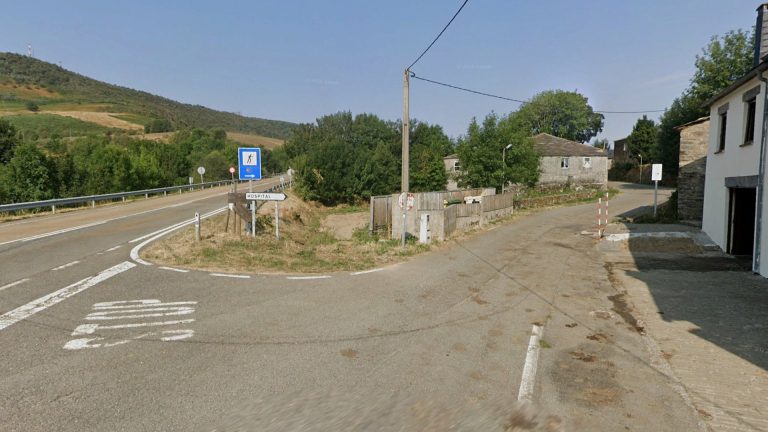
When the pilgrim traverses the almost hypnotic vastness of the Tierra de Campos, that “granary of Spain,” which in summer undulates like a liquid sea of gold and in winter freezes in an ascetic, brown-gray severity, then Lédigos does not announce itself through monumental towers or a striking skyline. It is a village that nestles humbly into a gentle valley hollow, as if seeking protection from the merciless winds of the Meseta. The first contact with Lédigos is characterized by an archaic acoustics: the rhythmic crunch of the calcareous gravel under the soles abruptly ceases as soon as you reach the first, time-worn adobe houses. Here, silence takes command – a dense, almost physically tangible stillness, broken only by the distant, wooden clattering of the storks on the church tower or the soft whistling of the wind in the cracks of the old barn doors.
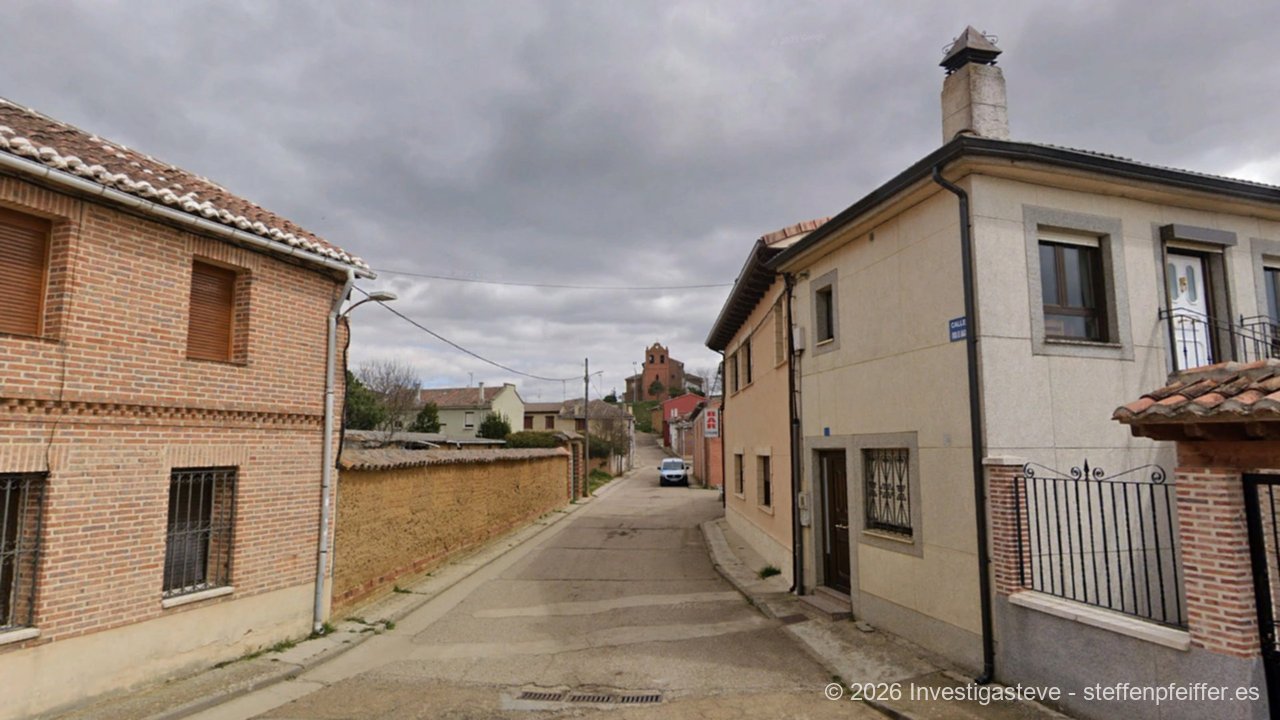
The visual immersion is a study in ochre and rust tones. The tactile perception is dominated by the roughness of the sun-dried clay bricks, in which, upon closer inspection, you can still recognize the straw stalks mixed into the mud generations ago. It smells here of dry earth, of the spicy sweetness of dried wheat, and – when the wind blows from the right direction – of the tart aroma of burning poplar wood. Psychologically, Lédigos offers the walker an immediate deceleration. After the often monotonous kilometers of the “Senda,” which runs parallel to the country road, the village feels like a protective cocoon. It is a place of transition, where the exhaustion of the day gives way to a deep, earthy contentment, while the light of the setting sun bathes the façades in a glowing orange that underscores the historical causality of this place as an eternal pilgrim station.
You feel here the emotional metamorphosis that the Camino forces in this phase of the journey. You are no longer the tourist observing a landscape; you have become part of a living archive. The coolness seeping from the thick clay walls forms a tactile contrast to the pilgrim’s glowing forehead, while the eye lingers on the stork nests that sit like architectural crowns on the roofs. Lédigos whispers of constancy in a world spinning ever faster, and receives the walker with an honesty that knows no tourist masks. It is the pure, unfiltered Castile that awaits discovery here in every cracked door and every dusty pebble.
What This Place Tells
The history of Lédigos is a narrative of royal generosity and deeply rooted spirituality, dating back to the 12th century. It is the place inseparably linked to the name of Queen Urraca of Castile and León. The historical causality is fascinating: in 1116, the monarch donated the entire village to the Cathedral of Santiago de Compostela. This donation was no coincidence, but a political and religious statement that made Lédigos a direct outpost of the Apostle’s tomb in the distant Galician Meseta. When you walk through the alleys today, you walk on ground that for centuries was legally and spiritually directly subordinate to the Archbishop of Santiago – a connection that lends the place a dignity far beyond its modest size.
The architectural and spiritual centerpiece of this narrative is the parish church of Santiago el Mayor. Inside, it conceals an art-historical unique treasure that perfectly reflects the psychological and theological breadth of the Camino: the three statues of Saint James. Here we find the apostle in his three essential iconographies: as the “Matamoros” (Moor-slayer) on horseback, as the humble “Peregrino” (pilgrim) with staff and scallop shell, and as the transfigured “Apóstol” (apostle). This triad offers a five-dimensional immersion into the medieval worldview. The tactile weight of the wooden figures and the smell of old incense, deeply embedded in the brick masonry, make the 1200-year history of the Camino physically tangible. Each statue tells a different nuance of the path – from struggle through seeking to enlightenment.
Lédigos, however, also tells the melancholic story of the “España vaciada,” the empty Spain. The village, which once housed several hospitals for pilgrims – including the Hospital of San Lázaro, which today only lives on in field names – has undergone a harsh demographic change over the centuries. The ruins of old barns, whose roofs are slowly becoming one with the earth again, are tactile monuments of transience. Yet precisely here, the emotional metamorphosis of the place sets in: through the Camino, Lédigos experiences a modern renaissance. The old adobe walls are no longer left to decay but are restored with love and respect for traditional construction methods to offer shelter to new generations of seekers. The history of Lédigos is therefore not a closed chronicle, but an ongoing dialogue between royal heritage and the indomitable will to survive of a small community in the heart of Palencia.
Addresses & tips in Lédigos
Camino Distances
The stage through Lédigos leads through the flat highland of the province of Palencia, where the paths seem to disappear straight as an arrow on the horizon.
| Previous Place | Distance (km) | Next Place | Distance (km) |
|---|---|---|---|
| Terradillos de los Templarios | approx. 3.5 km | Moratinos | approx. 3.0 km |
Sleeping & Arriving
Arriving in Lédigos is an act of physical redemption. When you reach the valley hollow where the village lies, the visual burden of the endless Senda kilometers falls away from you. The tactile experience begins at the threshold of the hostels, such as the well-known “Albergue La Morena” or the “Albergue El Palomar.” The transition from the glaring heat of the Meseta into the cool, twilight atmosphere of an adobe house is like a cool shower for the senses. You feel the thermal inertia of the massive clay walls, which keep the heat of the day outside, while the smell of fresh cotton, mixed with the earthy note of the house, triggers an immediate psychological relaxation. Setting down the backpack, the metallic click of the buckles, and the sigh upon first sitting on a wooden bench form the acoustic panorama of arrival.
Staying overnight in Lédigos means surrendering to the intimacy of a small village. There is no anonymity here; you are often received with a warm directness typical of the people of Palencia. The tactile experience continues when you walk barefoot across the often cool tiled floors of the hostels, a moment of grounding after hours in heavy hiking boots. The dormitories are places of shared silence, where the distant chiming of the church clock sets the rhythm for the night. The psychological effect of this environment is profound: you reduce yourself to the essentials – a bed, a shower, a blanket. The historical causality of pilgrim hospitality comes alive here; you are part of an infinite chain of people who have sought shelter from the infinity of the plain within these very walls for centuries.
The evenings in the hostels of Lédigos are characterized by a very special social dynamic. In the inner courtyards, often lined with old agricultural implements that look like sculptures of the past, the walkers gather. You hear the clinking of glasses, the rustling of maps, and the murmuring in many languages. It smells of olive oil, garlic, and the cool evening breeze sweeping over the grain fields. This five-dimensional immersion into communal life creates bonds that often last beyond the Camino. Arrival here is not a purely logistical process, but an emotional docking to the community of seekers. You feel safe in the seclusion, a tiny point in the vastness of Castile that has found a home for one night.
Particularly noteworthy is the architectural peculiarity of some accommodations, which have integrated old dovecotes (Palomares). These round or square towers are tactile testimonies of a past economy. Those who sleep in such an environment feel the connection to the soil even more intensely. When you look out the window at night, you see a starry sky whose clarity is almost intimidating – the “Milky Way,” which once served pilgrims as a heavenly guide. In Lédigos, the night is not simply dark; it is a velvety cloth that settles over the worries of everyday life and creates space for dreams of distant cathedrals. Those who wake here do so with a mental clarity that can only grow from the deep silence of the Meseta.
Eating & Drinking
The gastronomic landscape of Lédigos is an honest homage to the products of the Tierra de Campos. Here, the cuisine of substance reigns, designed to nourish the exhausted body with the strength of the Castilian earth. When you sit in the dining room in the evening, the first olfactory impression is often the enchanting scent of a steaming “Sopa de Ajo,” the traditional garlic soup. The smell of olive oil, toasted bread, plenty of garlic, and the smoky aroma of Pimentón de la Vera wafts through the room and instantly awakens the spirits. It is a taste experience that appeals to all the senses: the warmth of the bowl in your hands, the spicy depth of the broth, and the tactile crunch of the bread soaked in the soup. It is more than just a meal; it is a psychological embrace.
A classic that you must definitely try in Lédigos is the lamb dish, often served as “Lechazo” or in stews. The meat is so tender that it almost falls off the bone without resistance, a tactile proof of hours of preparation on a low flame. A robust wine from the region is served with it, often a drop from the nearby growing areas of Tierra de León or Ribera del Duero. Its color is a deep, almost opaque ruby red, and its aroma carries notes of ripe wild berries and a fine minerality that seems to come directly from the calcareous soil of the Meseta. Drinking this wine in the community of fellow pilgrims is a social act of fraternization, underscored by the acoustic tapestry of clinking cutlery and lively conversations.
For dessert, you must not miss the simple but delicious pastries, often crumbly almond cookies or a piece of liquid cheesecake that celebrates the sweetness of life amidst the barren plain. The emotional metamorphosis in eating in Lédigos consists of rediscovering simplicity as luxury. You learn to appreciate the quality of a fresh olive oil and the earthiness of the chickpeas more than any gourmet menu from the big city. Those who leave Lédigos culinarily do so with an inner satiety that goes far beyond physical hunger. You have literally absorbed the ground you walked on, thus establishing a physical connection to the landscape.
Supplies & Logistics
Although Lédigos is one of the smallest villages on the Camino Francés, logistics here function with admirable, pragmatic efficiency. The place has completely adapted to the needs of walkers without losing its village character.
Shopping: There is no large supermarket, but the hostels often function as small supply centers. You will find the most necessary items there: fresh fruit, water, bread, and typical pilgrim supplies like blister plasters or chocolate for a quick energy boost.
Gastronomy: Several bars and restaurants in the hostels offer continuous catering. The pilgrim menus in the evening are especially famous for their quality and large portions, tailored to the caloric regeneration of the walkers.
Accommodation: Lédigos offers a considerable number of beds in private and municipal hostels, as well as in some guesthouses, making the place an ideal stage destination for those seeking peace before the larger Sahagún.
Public Facilities: A public fountain with drinking water is centrally located. Emergency medical care is only rudimentary; for pharmacies or doctors, the short distance to nearby Sahagún must be covered.
The psychological security of encountering functioning infrastructure in this isolated region takes much pressure off daily planning. You feel the historical causality of hospitality; Lédigos exists today almost exclusively for and through the Camino. Acoustically, the logistics are underscored by the occasional passing of a tractor, a constant reminder that you are in a living agricultural region. The emotional relief of replenishing supplies at the fountain is a tactile ritual that initiates departure the next morning. Lédigos proves that true supply lies not in quantity, but in reliability and warmth.
Don’t Miss
1. Church of Santiago el Mayor: An absolute must for every pilgrim. Admire the three apostle statues and let the cool, sacred atmosphere affect you – a moment of spiritual stocktaking.
2. The storks of Lédigos: Pay attention to the massive nests on the church tower and the roofs. The wooden clattering is the acoustic heartbeat of the village and a symbol of luck along the wayside.
3. Restored adobe houses: Stroll through the side streets and pay attention to the texture of the clay walls. The tactile connection to Castile’s traditional construction method is particularly intense here.
4. The valley hollow at sunset: Walk a few hundred meters out of the village. When the light of the setting sun bathes the Meseta in flaming gold and Lédigos disappears in the shadow, you feel the true magic of the plain.
5. Local red wine in the hostel: Try a wine directly from the province of Palencia or León. Its robust character is the liquid expression of the Tierra de Campos region.
6. Conversation with a local: Take the time for a brief word at the village fountain. The warmth of the people in Lédigos is an emotional enrichment beyond all monuments.
Insider Tips & Hidden Places
Lédigos guards its secrets well behind the ochre-colored façades and cracked walls. One of these hidden places is the small path behind the church that leads to an old, almost forgotten irrigation canal. Here you find a small group of trees that cast an almost unreal shade. The ground here is softer, and you hear the soft gurgling of water – an acoustic blessing in the dry Meseta. Here it smells of damp earth and wild mint, an olfactory refuge for a short meditation. It is a place of psychological regeneration, where you can forget for a moment that you are walking on a fixed route. The historical causality of agriculture, which has wrested water from the barren soil for millennia, becomes tangible here in its simplest form.
Another insider tip is the search for the ruins of the former Hospital of San Lázaro, located on the edge of the village. Even though only sparse wall remains exist, this place radiates a deep melancholic beauty. Those who touch the rough stones feel the weight of history and the fates of the pilgrims who sought healing and comfort here centuries ago. It is a place of existential reflection, where the pilgrim’s emotional metamorphosis is fueled by confrontation with their own transience. The silence here is only interrupted by the distant rustling of the grain fields, underscoring the timeless atmosphere.
For photography lovers, there is a special point slightly above the village on the road towards Moratinos. From there, you have the perfect view of the silhouette of Lédigos as it nestles into the valley hollow. Especially in the blue hour, when the first warm lights come on in the windows of the hostels, the place looks like a luminous island in a dark sea. The tactile experience of the cold wind, which blows more steadily up here, forms a sharp contrast to the security of the village. This place offers the best perspective to grasp the isolation and simultaneous security of the settlements in the Meseta.
Finally, a look into the private vegetable gardens, often hidden behind high clay walls, is worthwhile. If you are lucky and a door is open, a small green paradise of tomatoes, peppers, and vines reveals itself. The smell of freshly watered earth is enchanting here. These gardens are the psychological symbol of the fertility wrested from the barren soil. Those who observe a local at work understand the deep connection of the people to their land, which goes far beyond tourist perception. It is a lesson in patience and devotion that the Camino gives the attentive pilgrim in Lédigos.
Moment of Reflection
Lédigos forces the pilgrim into an existential stocktaking. In the reduction of this small village, your own journey is reflected: you have shed the ballast of everyday life, just as this village has lost everything superfluous to survive in the harsh climate of the Meseta. The psychological effect of this environment is a form of catharsis. Those who pause here recognize that strength lies not in the monumental cathedral, but in the constancy of the adobe wall. The emotional metamorphosis takes place in the acceptance of simplicity. You learn to appreciate the quality of a cool sip of water and the peace of a shady spot more than any modern comfort.
The historical causality of the donation by Queen Urraca inevitably leads us to the question of our own legacy. What do we leave behind on this path? Is it only dust, or is it a changed perspective on life? In Lédigos, in the shadow of the three apostles, the boundary between the old and new self becomes fluid. The tactile experience of the earth and the visual experience of the infinite sky form the framework for a deep spiritual realignment. Those who leave Lédigos usually do so with a new firmness in their step. They have learned that true constancy grows from the connection of history, faith, and love for the simple.
Camino of the Stars
This place lies on the Camino Francés, on the stage from Carrión de los Condes to Sahagún. The sequence of places is:
Carrión de los Condes → Calzadilla de la Cueza → Lédigos → Terradillos de los Templarios → Moratinos → San Nicolás del Real Camino → Sahagún
Did you find your own, very personal moment of clarity in Lédigos at the threshold of the three apostles? Or did the archaic silence of the adobe alleys inspire thoughts you would like to share? We look forward to your stories, your photos of the storks’ clattering, or your tips for the best garlic soup in the village. Every story makes this special place in the Meseta even more alive for all of us!
About the Author