First Glance – Introduction & Atmosphere
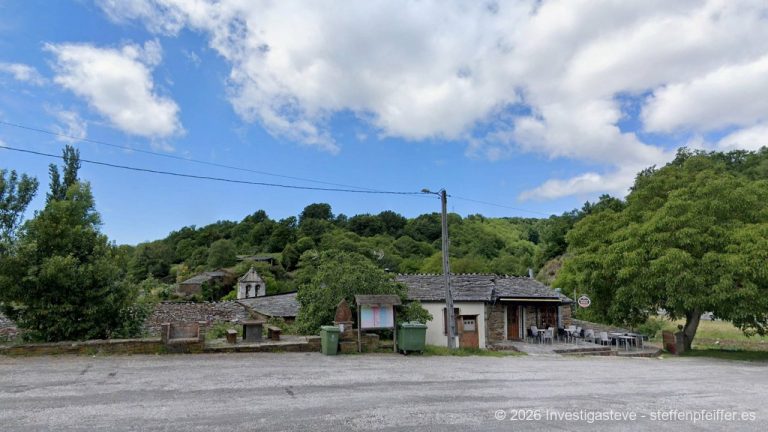
When you have left the mist-shrouded peaks of O Cebreiro behind you and the path leads you down over the wind-swept Alto do Poio into the green depths of Galicia, you reach Fillobal, a place that feels like a deep sigh of relief from the landscape. The long, often arduous descent through the dense chestnut and oak forests finds its first true resting point here. As soon as you enter the hamlet, you feel the pulse of the Way slowing down. The air down here is noticeably milder, saturated with the scent of damp earth, old moss, and the sweetish aroma of flowering broom bushes that line the paths. You hear the rhythmic click of your pilgrim staff on the compacted ground, a sound that finds a soft echo in the almost sacred silence of the surrounding forests. Only occasionally is this peace interrupted by the distant, melancholic ringing of a cowbell or the gentle rustle of the wind in the high treetops of the carballeiras.
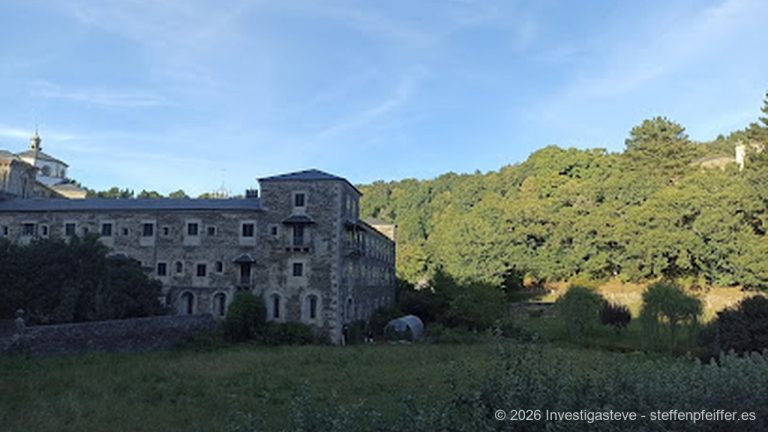
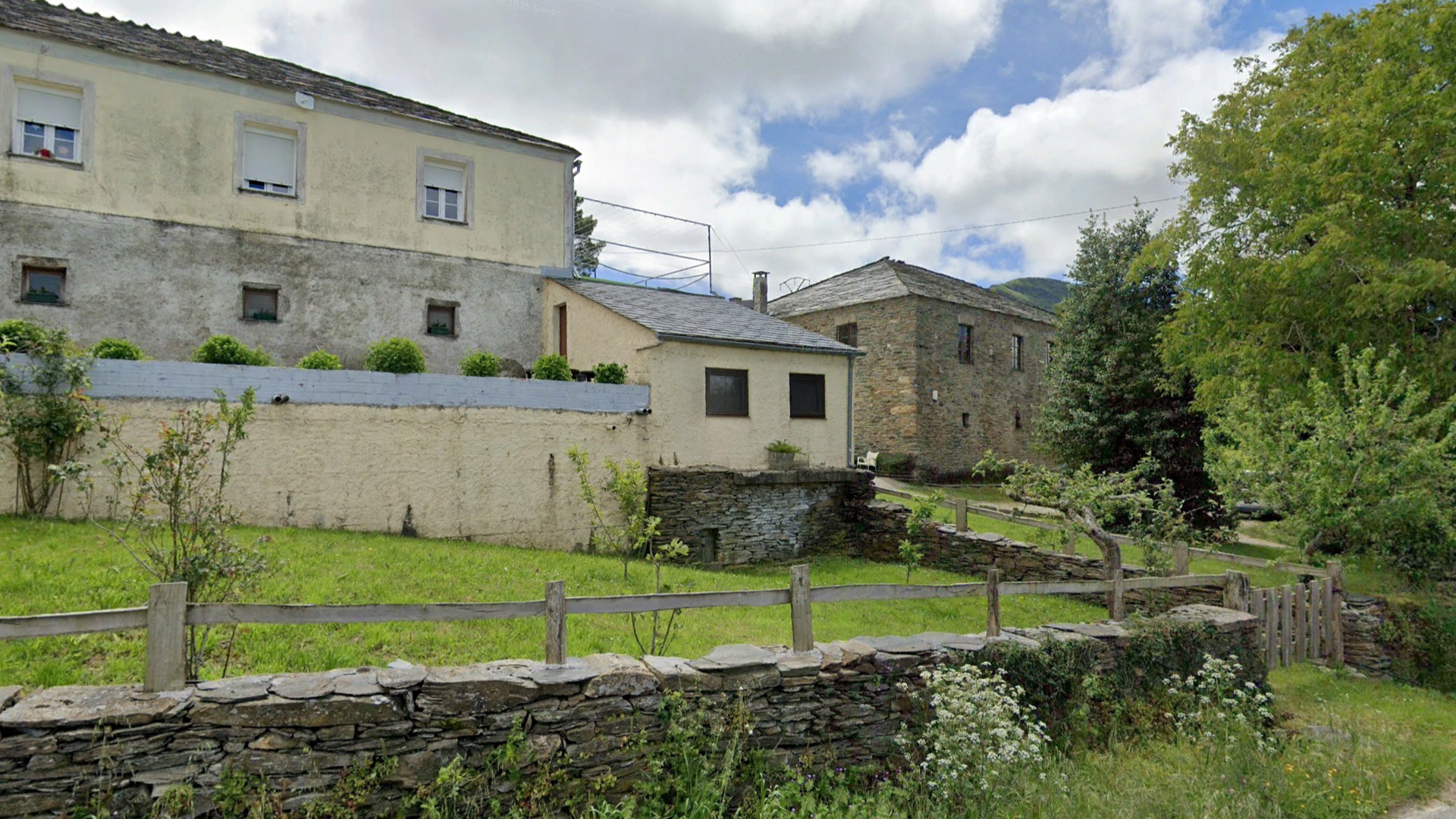
In Fillobal, you feel the constancy of Galician granite, which shapes every building here. The massive walls of the farmsteads, often covered with silvery lichen, radiate a coolness that acts like a balm after the physical exertion of the mountain pass. Psychologically, this small place marks for many pilgrims a decisive moment of transformation: the rough, epic wilderness of the mountains is finally behind you, and ahead of you opens a corridor of security that will lead you directly into the historic valley of Triacastela. The visual panorama is dominated by an almost overwhelming abundance of shades of green, softened by the milky Galician drizzle – the orballo. Here you smell the distant smoke of a wood fire and the promise of honest hospitality. In Fillobal, you are no longer just a walker in transit; you become a guest of a timeless ensemble of stone and forest that teaches you to understand slowness as the highest quality of the journey.
What This Place Tells
Fillobal is a silent chronicler of Galician rural self-sufficiency. Its history is not one of great battles or royal decrees, but of silent constancy. The name itself points to the deep roots in the vegetation of the region. In this narrow forest valley at the foot of the Sierra de Rañadoiro, survival for centuries was an act of symbiosis with nature. The architecture of the hamlet tells of a time when every stone was laboriously hewn and joined without modern mortar to create shelters that would endure for generations. When you walk through the narrow passageways between the stone houses, you touch material that has stored the warmth of a thousand summers and the icy cold of the Galician mountain winters. It is the narrative of a place that refused to give up its identity, despite the harsh living conditions and the migration to the cities.
The historical causality of Fillobal lies in its function as a “lung” for pilgrims before reaching the stage destination. While Triacastela was an administrative centre in the Middle Ages, Fillobal offered those who were seeking the necessary grounding after the dangerous mountain crossing. One can imagine the historical immersion: in the shade of the mighty chestnut trees, which have stood here for hundreds of years, walkers found shelter from sudden thunderstorms and shared their meagre supplies. This tradition of hospitalitas is inscribed in the foundations of the village. In Fillobal, history is not represented by monuments, but through the continuation of simple structures. The typical slate roofs, which glisten silver in the rain, and the small, defiant window openings testify to a time when the house was a fortress against the elements.
Particularly fascinating is the psychological sharpness that this place radiates. Fillobal is the place where you realise that you have left the “roof of the world” and are now immersing yourself in the true, rural Galicia. The smell of damp fern and the sound of the small streams that emerge from the rock everywhere after rainfall connect you directly with those millions of pilgrims who have touched the same soil here since the 9th century. Every turn of the path and every glance at the ancient dry stone walls that surround the fields reminds you that the Camino is a living fabric of labour, faith, and nature. In Fillobal, you become aware that true strength often lies in inconspicuousness. It is a place of pause that urges you to recalibrate your inner compass before civilisation catches up with you again.
Addresses & tips in Fillobal
Camino Distances
Fillobal lies as a picturesque resting point on the last section of the descent to Triacastela.
| Previous Town | Distance (km) | Next Town | Distance (km) |
|---|---|---|---|
| Pasantes | ca. 1.6 km | Triacastela | ca. 3.3 km |
Sleeping & Arriving
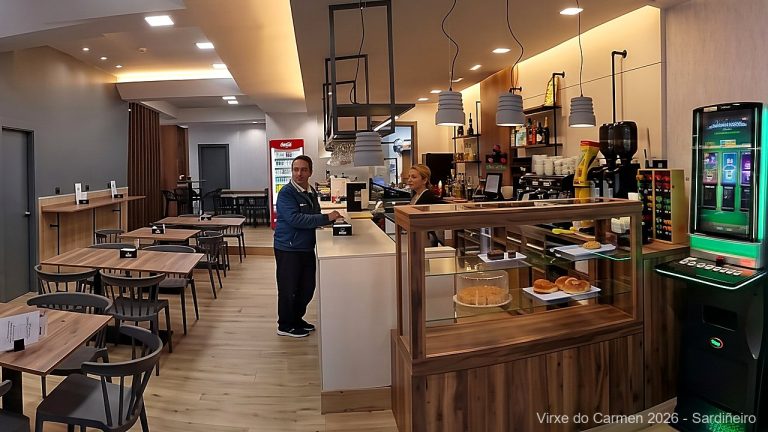
Arriving in Fillobal is an experience of radical deceleration. When you reach the first houses of the hamlet after the long descent from the mountains, a psychological weight lifts from your shoulders. There is no urban noise here, no honking, no hustle. The heart of the accommodation is the private Albergue Fillobal. In this masterfully restored stone house, history becomes a place to sleep for the pilgrim. You put down your backpack on the cool floors and immediately feel the security of the massive stone walls that buffer the heat of the day and the coolness of the evening alike. The acoustic backdrop is characterised by an almost sacred silence, only occasionally interrupted by the creaking of an old door or the distant rustle of the wind in the treetops.
In the hostel, the tradition of personal care is emphasised. Arriving here is associated with a welcoming ritual – a kind word from the hospitaleros, a glass of clear mountain water, and the view of the deep green slopes of the Oribio Valley. The rooms offer a quality of rest deeply rooted in rural silence. The feeling of fresh sheets on heated skin after a day in the Galician sun acts like a physical blessing. The psychological effect of Fillobal as an overnight stop is immense: you feel safe and protected from the hustle often found in larger stage towns. Those who stay here consciously choose solitude over the mass quarters.
The sanitary facilities in the accommodation are modern and offer that warmth indispensable after a day in the often changeable mountain weather. The feeling of hot water on tense muscles feels like a ritual purification here. Particularly appreciated is the social immersion in the communal kitchen or on the terrace, where pilgrims from all over the world share their experiences amidst the scent of freshly brewed coffee. You are not a number here, but part of a small, temporary community that comes together under the protection of Galician granite. Those who come to rest in Fillobal wake up the next morning with a clarity that will carry them light-footedly the last kilometres to Triacastela.
For many pilgrims, Fillobal is the place where they first feel a true connection to the Galician hinterland. The accommodations preserve the character of the region: the cool roughness of the stone in summer and the pleasant warmth of the heating in autumn offer that contrast that regenerates the body. Arriving in Fillobal means taking a step back to a simpler time, when the basic needs – a safe camp, a warm meal, and a kind word – were the most important milestones of the day. It is a healing stay that prepares the mind for the coming spiritual challenges and lets the soul vibrate in time with nature.
Eating & Drinking
In Fillobal, gastronomy becomes an act of existential strengthening. As the place is small, the culinary experience concentrates on the bar and restaurant of the hostel, which for many pilgrims appears like a saving oasis after the descent. As you approach the house, the scent of freshly prepared tortilla española mixes with the strong aroma of homemade stew. It is an olfactory promise that immediately revives the spirits. The experience of taking a seat at a solid wooden table in the rustic dining room and feeling the sun on your skin is the perfect start to regeneration.
The pilgrim’s menu in Fillobal is a homage to the honest country cooking of Galicia. The Caldo Gallego, that hearty soup of cabbage, potatoes, and white beans, is often served here in heavy ceramic bowls that retain the warmth for a long time. You taste the minerality of the soil and the care of the preparation in every spoonful. Particularly appreciated is also the artisan-baked country bread, whose crust is so crispy that it gives a loud, auditory signal of freshness when broken. Combined with the mild taste of the regional cheese, a sensory feast of rare purity is created. To drink, a light wine of the region or a cool beer is often served, offered in traditional vessels.
Eating in Fillobal also means perceiving silence as an ingredient. Since there is no urban hustle, you enjoy every bite more consciously. The psychological component of eating is closely linked here to reward: you have left the mountains behind and are richly gifted in the lap of the valley. The taste of homemade desserts, such as the fine Tarta de Santiago with its characteristic almond scent, rounds off the culinary experience. Those who dine here absorb a piece of Galician joy of life that lets them continue strengthened. It is food for the soul that teaches you that true enjoyment lies in simplicity and closeness to the source.
Supplies & Logistics
Logistically, Fillobal is a place of concentration on the essentials. As a pilgrim, you must be aware that this hamlet is not a shopping centre in the modern sense; it rather functions as a highly efficient rest stop at a strategically important point on the stage. The administrative simplicity of the place is more than compensated for by the high quality of the services available in the hostel.
Shopping: There are no supermarkets or independent shops on site. Pilgrims should have already replenished their main supplies of special hygiene items or medications in O Cebreiro. Smaller snacks, water, and refreshments can be obtained at any time from the hostel’s offerings. The next comprehensive shopping opportunity is only in Triacastela, about 3.3 km away.
Gastronomy: Catering is excellently covered by the offering of the albergue. Here you get hot meals, breakfast, and provisions tailored specifically to the rhythm and needs of walkers. Opening hours are strictly aligned with the flow of pilgrims.
Sleeping: With the private Albergue Fillobal, a high-quality overnight accommodation is available. Due to the limited bed capacity, advance reservation is recommended in high season for psychological planning security.
Public Facilities: There are no medical facilities, banks, or post offices in Fillobal. All formal administrative care must be used in Triacastela. In an emergency, however, the connection via the nearby country road LU-633 is excellent, and the emergency services are quickly reachable via 112.
Safety in Fillobal is exceptionally high due to the clarity of the site and the social control of the small community. You immediately feel part of a small, protected world. Acoustically, the place remains an oasis as it is located far from major traffic arteries. Logistically, the hamlet acts as a “check-in of attention” – here you do not check your luggage weight, but your mental state for the further course through the river valley. Fillobal proves that good pilgrim logistics sometimes consist of needing nothing but what you carry in your own heart.
Don’t Miss
- The view from the valley slope: Stop at the upper edge of the village and enjoy the panorama over the green forests – a visual proof of your physical achievement.
- The granite architecture: Look at the old farmsteads and pay attention to the massive stone blocks that endure for an eternity without modern mortar – a testimony to Galician building craft.
- The terrace of the hostel: Treat yourself to a break and feel the coolness of the shade while listening to the rustle of the forest – an auditory meditation.
- The Caldo Gallego: Try this traditional soup right here; it is considered the best fortification for the further descent to Triacastela.
- The old chestnut trees: Admire the monumental trees by the wayside, whose rough bark has seen generations of pilgrims come and go.
- The silence of the night: Step outside the accommodation after 9 p.m. and simply listen to the silence of the valley – a moment of pure magic.
Insider Tips & Hidden Places
Away from the marked pilgrim path, just a few hundred metres behind the last farmstead of Fillobal, a narrow, almost invisible path leads down to a small stream, almost completely overgrown with ferns and wild bramble vines. Here the water emerges crystal clear from the slate rock and forms tiny cascades over mossy granite stones. It is a place of extreme acoustic isolation, where you only hear the distant gurgle of the water and the whisper of the leaves. The ground here is so soft that it yields silently under every step – a pleasant change from the hard stone of the main path. In the air lies an intense scent of wild mint and damp alder, making this hidden corner a place of deep purification. This is the perfect spot for a private reflection, far from the cameras and conversations of other walkers, where you can feel the primordial power of the landscape, just as the ancestors saw it centuries ago. Another hidden treasure is the old stone fountain on the western edge of the village, often overlooked by walkers hurrying past; the water there is ice-cold and crystal clear, a relic from a time when such springs decided over life and death on the path. In the evening hours, when the light falls flat through the branches of the chestnut trees, the silhouettes of the distant mountains are reflected in the well water, creating an almost mystical atmosphere. It is a space without distraction where the history of Galicia whispers in every crack of the masonry and the spiritual energy of the place becomes physically tangible. Those who take the time to explore these acoustic and olfactory nuances discover a Fillobal that is far more than just a hamlet by the road – it is a place of fine vibrations that only reveal themselves when you adapt the pace of your journey to the speed of your soul.
Moment of Reflection
In Fillobal, you stand at a point of maximum relaxation. The arduous descent from the mountains is almost overcome, and the silence of the valley challenges you to think about your own “inner landing”. In the peace of this place, ask yourself: “What from the rugged mountain world of my thoughts do I leave behind here in the forest in order to enter the valley of Triacastela with a light heart?” The psychological metamorphosis that takes place here is the change from the tension of the crossing to the gentleness of the river valley. The granite gives you the necessary grounding, while the green of the forests opens your soul for what is to come.
The historical causality of your being here connects you with the millions of pilgrims for whom this place has been a saving anchor after the mountain passes for centuries. Do you feel the responsibility to carry forward this heritage of pausing? In Fillobal, you become aware that the Camino is not a race, but a search for your own centre. The coolness of the rough stone under your hands reminds you of your own resilience. Use this moment of reflection to recalibrate your inner compass. When you leave Fillobal tomorrow, take a piece of the stone calm of this place with you. It will be your anchor when the hustle of Santiago finally reaches you. Here, in the silence of the forest, you have found the strength to continue your journey with a new, clear sovereignty.
Camino of the Stars
This place lies on the Camino Francés, on the stage from O Cebreiro to Triacastela. The sequence of places is:
O Cebreiro → Liñares → Hospital da Condesa → Padornelo → Alto do Poio → Fonfría → Biduedo → Fillobal → Pasantes → Ramil → Triacastela
Did you also feel that deep moment of relief after the descent from the mountains in the absolute silence of Fillobal, or gather new strength at the old stone fountain? Perhaps you have found your own secret place of power in the forest or experienced a special encounter in the small hostel? Share your personal impressions, your photos of the granite farmsteads, or your thoughts on the constancy of this hamlet with us. Every story makes this special threshold point on the Camino come alive for the community – we look forward to your tale!
About the Author