A First Glance – Introduction & Atmosphere
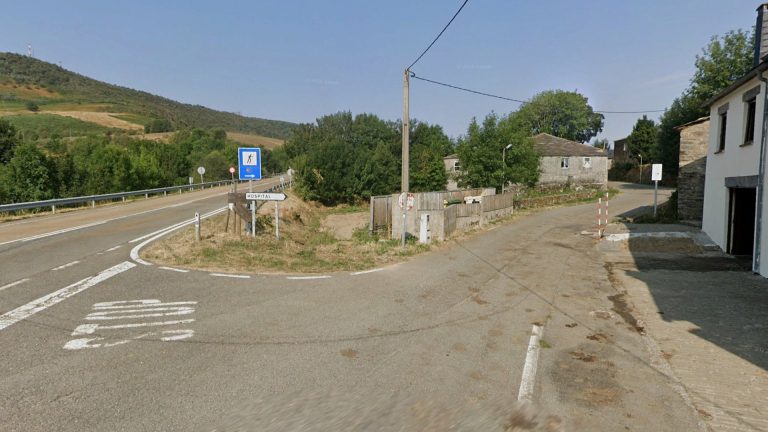
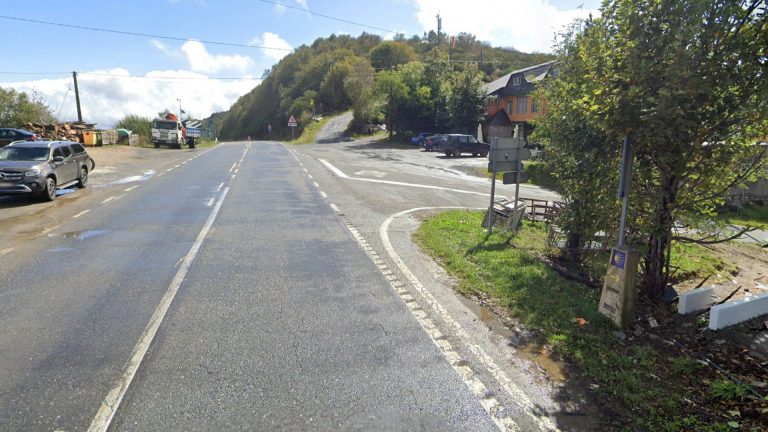
When you have left behind the monumental stone bridge of the Paso Honroso in Hospital de Órbigo, that place that seems almost to burst with knightly pride and stony history, the Camino Francés undergoes a gentle but profound metamorphosis. Only about two and a half kilometers separate the loud echo of medieval tournaments from the deep, almost monastic tranquility of Villares de Órbigo. The path leads you away from the proximity of the asphalt of the national road into a labyrinth of green corridors. You immediately feel how the temperature changes – the heat of the open Meseta is filtered here by the dense canopy of poplars and ash trees. It smells of moist earth, of the tart aroma of hop plants, and the sweetish scent of wild mints thriving along the edges of the watercourses. Villares does not greet you with pomp, but with a tactile gentleness: the ground under your boots becomes softer, more springy, while the rhythmic gurgling of the Acequias, the ancient irrigation canals, becomes your new companion.
In Villares de Órbigo, time seems to have a different consistency; it flows as steadily and calmly as the water of the Órbigo River, channeled through the veins of the village. It is a place of auditory contemplation. You hear the rustling of willow leaves in the wind, the occasional distant clatter of a tractor, and the steady splashing of small waterfalls at the wooden sluices. Psychologically, this hamlet marks a phase of relaxation. After the physical weight of the last kilometers and the mental overstimulation from the great monuments, Villares offers a retreat for the senses. Here you can open your visor, breathe deeply, and let the simplicity of a genuine Leonese farming village affect you. Arriving here feels like entering a secret garden, where green is not just a color but a promise of rest.
What This Place Tells
The history of Villares de Órbigo is not a tale of kings and battles, but an epic of water and human endurance. The name “Villares” suggests the existence of smaller Roman settlements or ruins that once lined this fertile valley. The historical causality here is inextricably linked to the Órbigo River. While the Romans primarily used the area as a logistical corridor for transporting their gold, the inhabitants of the Middle Ages developed a highly complex irrigation system that transformed the region into the “Ribera del Órbigo” – one of the most fertile zones in all of northern Spain. When you walk through the alleys, you see the tactile reality of this heritage: the foundations of the houses are often made of the round pebbles of the river, while the upper floors consist of adobe, the sun-dried clay. This architecture is a physical testament to the symbiosis between man and nature; it breathes coolness in summer and stores the rare warmth in winter.
The social structure of the place was shaped for centuries by the “Presa de la Tierra,” a cooperative system of water distribution that is among the oldest in Spain. The knowledge of water distribution was vital for survival and created a community based on cooperation rather than competition. You can almost feel the historical depth when you look at the old sluices, their wood smoothed by generations of hands. Psychologically, this tradition is reflected in today’s hospitality. The people of Villares know what it means to receive and care for someone – in the past, it was merchants and muleteers; today, it is pilgrims. The village is a living archive of rural culture, where the cultivation of hops (Lúpulo) – now the region’s dominant plant – mingles with the old tradition of linen processing that once founded the valley’s wealth.
Amidst this agrarian idyll stands the church of Santiago Apóstol as a spiritual anchor point. It is not as imposing as the cathedral of Astorga, but in its simplicity, it possesses a tactile honesty that often touches the pilgrim more deeply. Inside, you are enveloped by a smell of old wood and incense, an olfactory journey back to the 18th century when the current structure took its shape. Particularly noteworthy is the altarpiece, which shows the devotion of the inhabitants to Saint James. Historical continuity becomes tangible here: for over a thousand years, people have passed by this church, seeking shelter from sun or rain, and leaving their prayers in the silent walls. Villares de Órbigo tells the story that the true meaning of the Camino often lies in the spaces in between – in those places that do not make headlines but form the foundation of the path.
Addresses & tips in Villares de Órbigo
Camino Distances
The path now leads you deeper into the fertile hill country, with the distances between the small hamlets allowing for a meditative rhythm.
| Previous Place | Distance (km) | Next Place | Distance (km) |
|---|---|---|---|
| Hospital de Órbigo | approx. 2.5 km | Santibáñez de Valdeiglesias | approx. 2.7 km |
Sleeping & Arriving
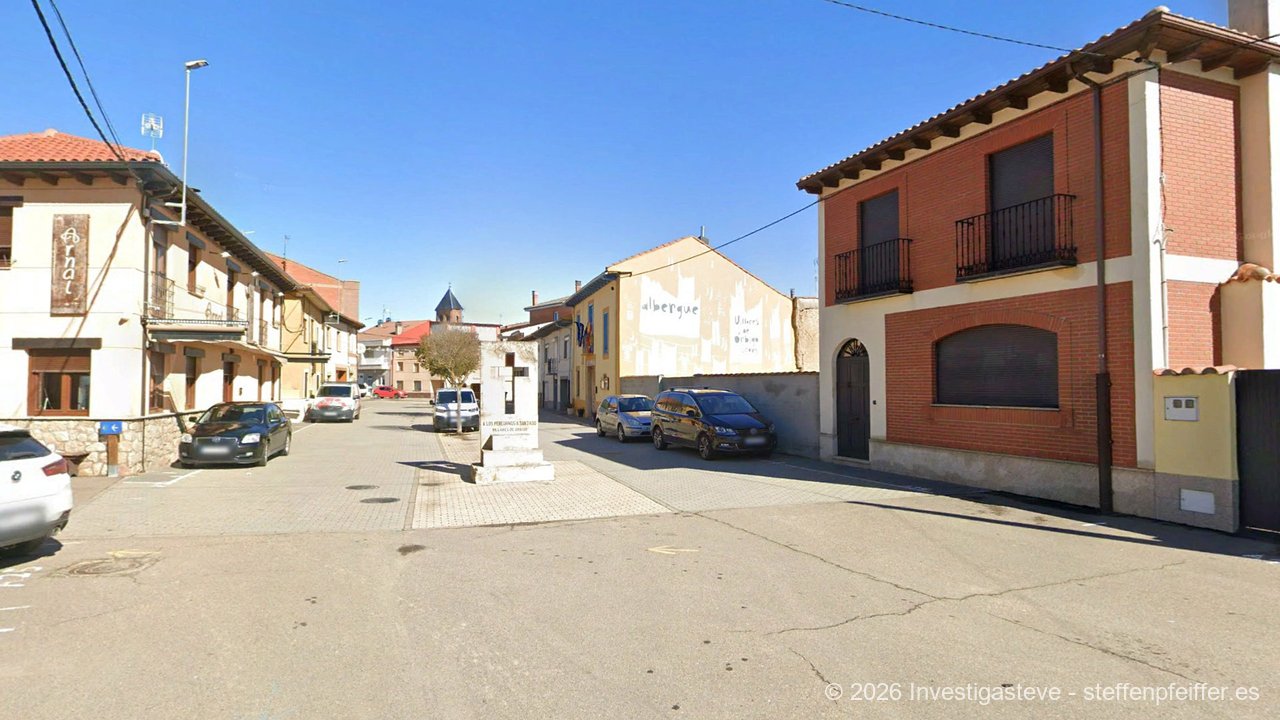
Arriving in Villares de Órbigo is an act of conscious deceleration. Since the place lies only two and a half kilometers behind Hospital de Órbigo, it is often overlooked by the “fast ones,” making it an ideal spot for pilgrims wanting to avoid the masses. The Albergue de Villares de Órbigo is known far beyond the region’s borders for its family atmosphere. When you enter the courtyard, you are often greeted by the scent of a freshly baked “Bizcocho” (Spanish sponge cake) that the hospitaleros bake for arriving guests. It is an olfactory welcome that immediately conveys a feeling of home. The tactile experience of clean sheets and a well-ventilated dormitory in a rustic building is the best medicine against the exhaustion of the day.
In Villares, there is a very distinct acoustic backdrop. While in larger towns the noise of bars and traffic dominates, here in the evening you hear the distant calls of owls and the steady murmuring of water in the canals. Psychologically, this silence is invaluable for processing the impressions of the journey. Many pilgrims report that in Villares, they found a deep, dreamless rest for the first time in days. The hostels here place great value on community; there are often communal dinners at long wooden tables, where sharing bread and wine becomes a ritual core of the pilgrim experience. The tactile feeling of holding the heavy earthenware dishes in your hands and feeling the warmth of the soup grounds the walker in a way that no modern hotel can offer.
For those seeking an even more private atmosphere, the place also offers small guesthouses and private rooms, often housed in lovingly restored farmhouses. These accommodations preserve the charm of adobe construction and combine it with modern comfort. You sleep under massive oak beams as old as the pilgrim routes themselves. Waking up in Villares is a gentle process – the light falls softly through the narrow windows, and the first sound of the day is usually the rhythmic chirping of swallows nesting under the eaves. It is an arrival that nourishes the soul and charges the body with a gentle energy essential for the upcoming kilometers over the hills towards Astorga.
Eating & Drinking
The gastronomy in Villares de Órbigo is an ode to the freshness of the “Ribera.” Here, you do not just eat; you taste the earth and water of the valley. An absolute highlight is the local vegetables, often harvested only a few meters from the kitchen. The tomatoes here have a tactile firmness and a flavor intensity reminiscent of childhood gardens. The smell of garlic fried in olive oil and fresh bell peppers wafts through the streets at midday, forming an irresistible olfactory invitation. The area is particularly famous for its hops; Villares lies in the heart of Spanish hop production. Even though it is primarily exported for beer brewing, you feel the influence of this “green gold plant” everywhere. Drinking a cool, local beer on one of the shady terraces is a tactile experience of freshness and tart sweetness.
In the cooler months or on rainy days, the inns often serve traditional “Sopa de Ajo” (garlic soup), which here is particularly robustly seasoned with regional Pimentón (smoked paprika). The taste is an explosion of warmth and spice that immediately reactivates tired limbs. The trout from the Órbigo are also a delicacy not to be missed. They are often prepared “a la navarra” with a strip of ham inside, creating an exciting tactile texture of delicate fish and crispy bacon. For dessert, there is often “Frutas de la Vega,” apples or pears stewed in wine, an olfactory feast of cinnamon, cloves, and fruit aromas. Eating in Villares is not mere calorie refueling; it is a form of communication between the land and the walker.
Supplies & Logistics
Logistically, Villares de Órbigo is a small but fine supply point. There is no huge supermarket, but a charming little village shop that offers exactly what a pilgrim needs. The smell in this shop is a nostalgic mix of fresh bread, hard cheese, and the slightly sweet aroma of dried fruit. It is a tactile pleasure to select the plump, locally grown fruits or to buy a piece of artisanal cheese from the mountains of León. The logistics of the place are geared towards pedestrians; everything is within a five-minute walk, sparing the joints after a long march.
The water supply in Villares is legendary. The numerous fountains in the village offer ice-cold, clear water fed directly from the mountains. It is an auditory and tactile experience to hold your drinking bottle under the steady stream and let the cold water run over your wrists. Many hostels also offer laundry service, which is particularly effective in this green, airy place, as laundry dries in record time in the wind of the Vega. If you need a pharmacy or a bank, you will find them in Hospital de Órbigo, only 2.5 kilometers away, or later in Astorga. Villares is the place to replenish your supplies of rest and fresh food.
Shopping: A small grocery store in the village center offers fresh bread, regional fruit, and the most important hygiene items.
Gastronomy: Several hostel restaurants and a cozy bar serve pilgrim menus and local specialties like trout.
Accommodation: Two well-run hostels as well as private guesthouses offer sleeping accommodations in an authentic, rural setting.
Public Facilities: There is a small medical outpost for emergencies; the nearest pharmacy is in Hospital de Órbigo.
In conclusion, Villares de Órbigo offers the perfect balance between isolation and connectivity. It is small enough to feel safe, but large enough to cover all physical basic needs. You should enjoy the tranquility here once more before the path reaches the lonelier hill sections before San Justo de la Vega the next day.
Don’t Miss
1. The church of Santiago Apóstol: A place of silence with a remarkable Baroque altarpiece reflecting the region’s deep veneration of St. James.
2. The system of Acequias: Observe the intricate irrigation network right by the roadside – a technical heritage from the Middle Ages.
3. The hop fields (Lupulares): Walk between the meter-high vines of the “green gold,” which form an impressive green labyrinth, especially in late summer.
4. Traditional adobe architecture: Pay attention to the houses made of clay and river stones, a perfect example of sustainable building in León.
5. The fountain on the main square: One of the best places to enjoy the cool water and refresh tired feet for a moment.
6. The stork’s nest on the church tower: Almost all year round, you can observe the majestic birds here and listen to their clattering.
7. A walk through the gardens of the Vega: Briefly leave the main path to see the diversity of local agriculture up close.
8. The old wooden sluice gates: A tactile experience to touch the wood that has controlled the water flow in the valley for decades.
9. Sunset in the Ribera: When the light breaks through the rows of poplars and bathes the entire valley in a golden glow.
10. A conversation with the hospitaleros: Many have years of Camino experience themselves and are happy to share their wisdom and insider tips.
Insider Tips & Hidden Places
Away from the marked route, Villares de Órbigo hides corners of rare beauty. If, at the edge of the village, you do not immediately follow the yellow arrow but take a small dirt road towards the river meadows, you will reach a small, almost enchanted area that the locals call “El Refugio del Agua.” Here, two irrigation canals meet, and the sound of cascading water over small stone steps creates a natural soundscape that puts any meditation app to shame. The smell of damp moss and ferns is particularly intense here. It is a tactile retreat where you can sit on a moss-covered stone and enjoy the coolness of the shade. Psychologically, this is the ideal place to close a difficult chapter of your journey or simply to feel the pure presence of nature.
Another hidden treasure is a small, private bodega on the edge of the village, whose owner often leaves the door open. If you are lucky, you will be invited to descend into the cool belly of the earth. The smell of damp clay and fermenting wine is an olfactory revelation. The tactile cold of the walls in contrast to the outside heat is a physical shock that sharpens your senses. Down here, stories are often told about the time when Villares was a center of linen weaving. You learn that almost every house used to have a loom in the basement. These encounters with the hidden history of the place give your walk a depth that goes far beyond the purely athletic.
On one of the narrow side streets near the church, you will also find an old house with an unusual coat of arms above the door. It does not display knightly symbols, but agricultural tools. It is a rare testament to the peasant self-awareness in the region. The tactile quality of the roughly hewn stone and the traces of weathering over centuries make history tangible. It reminds you that the true power in this valley always lay with those who cultivated the land and tamed the water. A moment of pause before this door allows you to understand the historical causality of the region better.
Finally, a tip for the early morning hours: seek out the small viewpoint west of the village before you finally leave Villares. When the morning mist still hangs over the hop fields, the tall poles look like ghosts in a mystical landscape. The distant ringing of church bells from Hospital de Órbigo mingles with the awakening of the birds in Villares. It is an auditory and visual experience of such purity that it gives you the necessary psychological clarity for the upcoming day. Up here, you feel the connection between the plain you are leaving and the hills you are now climbing.
Moment of Reflection
Villares de Órbigo poses a quiet but persistent question to you: Where do you find your nourishment – not only for the body, but for the spirit? In the midst of this lush greenery and the constant presence of flowing water, you are called to reflect on your own resources. The Camino has led you through dry phases, and now you stand in an oasis. Psychologically, this is a moment of refueling. How often do we pass carelessly by small sources in life because we only have the big goal in sight? Villares teaches you to appreciate the quality of transition. The water of the Acequias does not flow for nothing; it is channeled purposefully to create fertility. Can you channel your energy just as purposefully?
When you look at the church of Santiago, recognize the historical continuity of your actions. You are part of a current as constant as the irrigation system of the Ribera. The tactile experience of the rough walls and the tranquility of the place invite you to examine your own “inner architecture.” Is your foundation as solid as the river stones of Villares? Are you ready, like the adobe walls, to absorb and transform influences from outside? The silence of Villares de Órbigo is not a vacuum, but a space full of possibilities. Take this peace with you when you leave the hamlet. It will be your psychological anchor when the path becomes stonier again and the sun more relentless.
Camino of the Stars
This place lies on the Camino Francés, on the stage from Hospital de Órbigo to Astorga. The sequence of places is:
Hospital de Órbigo → Villares de Órbigo → Santibáñez de Valdeiglesias → San Justo de la Vega → Astorga
Did the green silence of the hop fields in Villares de Órbigo fascinate you as much as it did us, or did you have a very special encounter in one of the hostels that changed your path? Share your experiences from this little oasis on the Órbigo with us – tell us about your moment at the fountain or your walk through the enchanted Acequias. Your story inspires other pilgrims to pause and discover the treasures away from the main paths!
About the Author