A First Glance – Introduction & Atmosphere
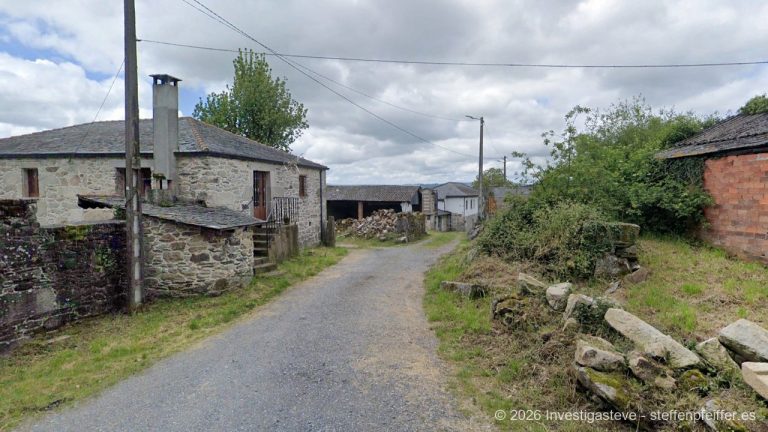
When you have left Melide behind you and the gentle hills of Galicia lead you deeper into the dense oak groves, the so-called Carballeiras, you reach a place that measures time not in years but in layers of moss and granite. Castañeda welcomes you with an almost sacred silence, broken only by the rhythmic, almost meditative clicking of your pilgrim poles on the soft, damp forest floor. It is a haptic experience of a special kind: the ground gives way slightly, cushioned by decades of fallen leaves and chestnut husks, while the cool, Atlantic-saturated air lies like a damp veil on your skin. It smells here of primeval Galicia – of heavy humus, of the sweetish aroma of rotting wood, and the tart freshness of ferns thriving in the shady niches of the ancient stone walls.
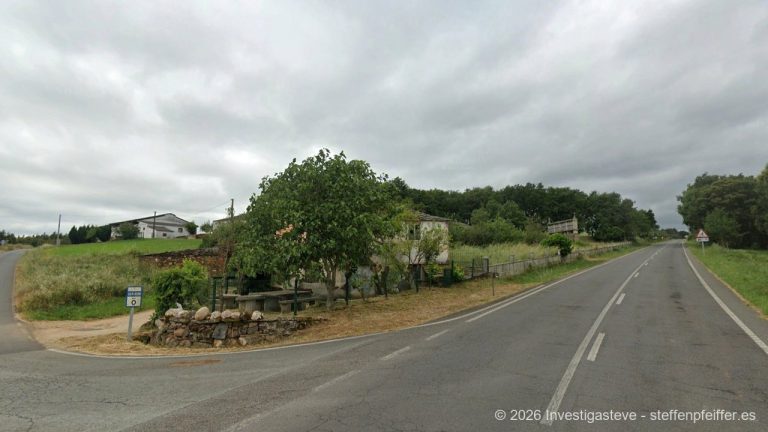
You set foot in this tiny hamlet and immediately feel a change in the energetic fabric of the Way. The hustle and bustle of the larger stage destinations fades behind the dense canopy of sweet chestnut trees that gave this place its name. Castañeda is not a place of spectacle; it is a place of deep, archaic presence. The few stone houses seem as if they have grown directly out of the earth, entwined with lichens and climbing plants that blur the boundaries between architecture and nature. Here, on a slight elevation, where the morning mist often lingers in the treetops well into the late morning, the Camino Francés becomes a mysterious path of self-encounter. The auditory panorama is reduced to the rustling of the wind in the leaves and the distant, barely perceptible gurgle of hidden streams. Castañeda is the whispering conscience of the Way, a moment of absolute grounding before the modern world reaches for you again in Arzúa.
In this wooded stretch between Melide and Arzúa, a psychological metamorphosis takes place. The pilgrim, often exhausted by the preceding kilometres, is thrown back upon their own physicality here. You feel the heaviness of your legs, the coolness of the shade, and the indomitable life force of nature, which in Castañeda claims every crack in the stone for itself. It is a place of contemplation, where the visual – the play of beams of light breaking through the dense foliage – becomes nourishment for the soul. Whoever passes through here recognises that the Camino has no destination consisting only of cathedrals, but that every step in this forest is already part of the sanctuary. The timelessness of this hamlet gives you permission to slow down and inhale the historical depth with every breath.
What This Place Tells
The history of Castañeda is inextricably linked to the construction of the Cathedral of Santiago de Compostela and represents one of the most fascinating chapters of medieval pilgrim logistics. The Codex Calixtinus, the famous Book of Saint James by Aimeric Picaud from the 12th century, already documents a practice that made Castañeda a symbol of collective participation. Pilgrims coming from Triacastela carried limestone blocks with them for over 70 kilometres – a physical sacrifice that went far beyond mere walking. In Castañeda stood the immense kilns where these stones were burnt into lime, the indispensable binding agent for the walls of the cathedral. When you walk through Castañeda today, you tread on ground that witnessed this “alchemical” transformation: where the heavy stone of penance became the white lime of the sacred work.
This tradition gave the pilgrim a new identity: they were no longer just a supplicant, but a builder of God. The historical causality is impressive – every pilgrim physically contributed to allowing the towers in Santiago to grow towards the sky. Psychologically, the transport of the stone was a penitential work, a form of atonement intended to purify the soul through physical exertion. In Castañeda, this burden was finally relinquished. The moment of handover to the kiln masters must have been a moment of deep spiritual relief for the medieval walkers – their sins were “settled” for this stage, symbolised by the stone now transfigured in the fire. This connection between manual labour and spiritual ascent is still stored in the pores of the remaining granite buildings.
Castañeda, however, also tells of nature as a lifeline. The name itself – derived from “castaña” (chestnut) – testifies to the centuries-old dependence of the Galician rural population on the tree fruit, long considered the “bread of the poor.” In the barren winters, it was these forests that ensured survival. While the importance of the lime kilns waned with the completion of the cathedral in the 18th century, and the place fell into a Sleeping Beauty-like slumber, the power of the forests remained. Only with the Holy Year of 1993 and the ensuing boom of modern pilgrimage was Castañeda rediscovered as the “place of cathedral construction.” Today, the hamlet is a monument to historical participation, a place that teaches us that every great work consists of the small contributions of countless individuals. The archaeological finds of kiln remains underscore this significance, making Castañeda a place where the history of Galicia is tangible with your hands.
Addresses & tips in Castañeda
Camino Distances
In Castañeda, you become aware of how close the destination already is. The kilometres shrink while the historical significance of the surroundings increases.
Sleeping & Arriving
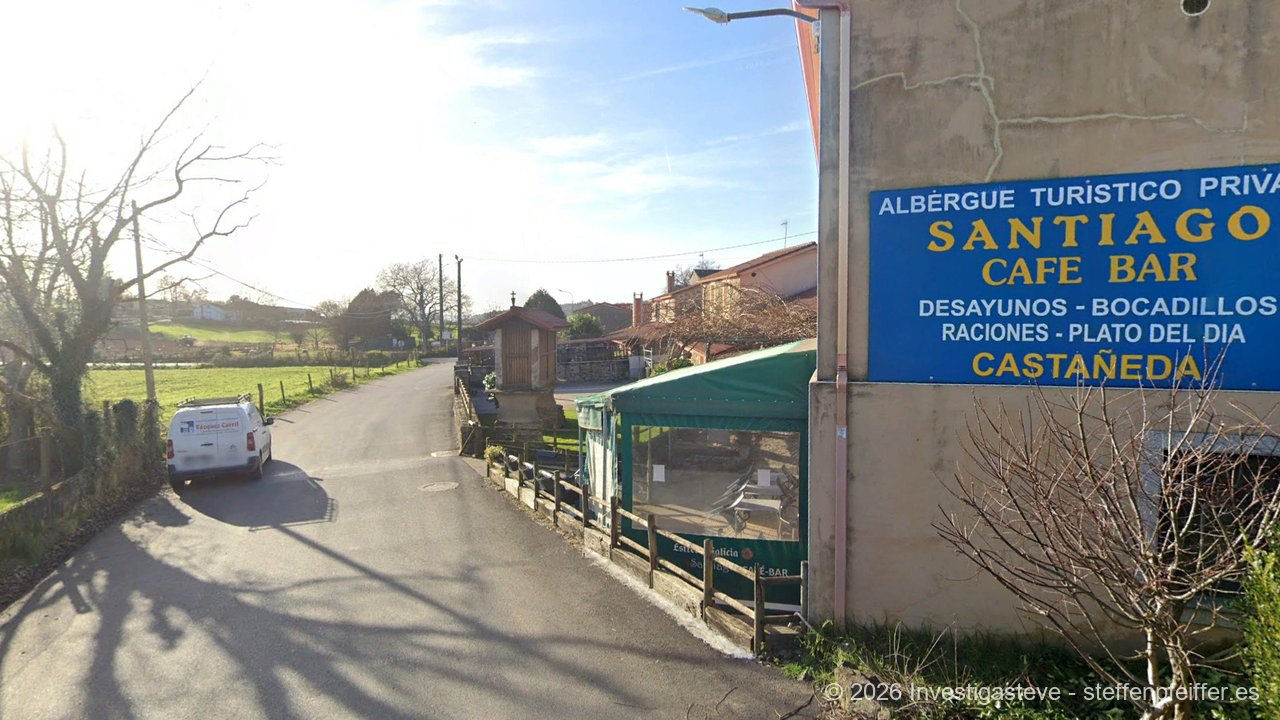
Arriving in Castañeda is a haptic experience of absolute deceleration and a conscious turning away from the commerce of larger towns. When you reach the small clearing of A Fraga Alta after the march through the Carballeiras, you immediately feel the family-like, almost intimate atmosphere of this place. Anyone who decides to stay here instead of walking the last 2.5 kilometres to Arzúa seeks silence and authenticity. The Albergue Santiago, a heart of the place since 2007, is far more than just a place to sleep; it is a refuge for the pilgrim’s soul. Setting down your backpack on the terrace is a ritual act of liberation. Your feet, often marked by the heat of the day or the dampness of the Galician fog, finally find the rest here they need for the final push to Santiago.
The atmosphere in the hostel is characterised by the passion of the owners, who have made Castañeda one of the best insider tips on the Camino Francés. Here, arriving is not defined by an anonymous check-in, but by a warm welcome in a house that breathes history. The haptic warmth of the stone walls and the carefully designed outdoor areas invite you to put your feet up and let your gaze wander over the gentle forested hills. There is an auditory panorama of camaraderie: the quiet murmur of international pilgrims, the clatter of dishes in the distance, and the rustling of chestnut leaves in the wind create a feeling of security often lost in mass quarters. Arriving in Castañeda means stopping time and reflecting on the essentials of the journey – human encounter and your own regeneration.
Psychologically, this place is a milestone. Many pilgrims use the tranquillity here to sort their thoughts before the emotional rollercoaster of the last two stages begins. The seclusion of A Fraga Alta acts like a filter; the noise of the world stays outside while you find yourself inside the hostel or in the shade of the old trees. The nights in Castañeda are characterised by a deep, almost unnatural darkness and silence, guaranteeing restful sleep. When the moon stands over the oak groves and only occasionally a little owl calls, you feel the historical continuity of this place most strongly. Here you sleep not only in a bed, but in the lap of a 1,200-year tradition of hospitality. This arrival is a promise to yourself: here I may be, here I may rest, here I am part of the whole.
Eating & Drinking
The culinary world of Castañeda is as rugged, honest, and unadulterated as the landscape itself. In the restaurant of the Albergue Santiago, eating is celebrated not merely as energy intake but as an act of appreciation for the pilgrim. The olfactory appeal begins even before the door: the heavy, savoury scent of freshly prepared Caldo de Gallina or an aromatic Lentejas soup wafts through the garden and awakens the spirits. Here, Galician home cooking reigns in its purest form. The “Menú del Peregrino” is legendary – not for its extravagance, but for its quality and warmth. When the steaming bowl arrives on the table and you hold the hearty country bread in your hands, whose crust cracks with every squeeze, you know you have arrived at a place of genuine care.
A haptic highlight that no pilgrim should miss is the Tortilla de Patata, often praised as one of the best on the entire Camino. It is juicy, warm, and carries the full aroma of the regional potatoes. Served alongside is a simple but characterful red wine, often in the traditional white ceramic bowls, the Cuncas, whose cool surface lies in your hand and grounds the taste of the wine. The auditory backdrop in the bar is characterised by the laughter of pilgrims and the clatter of cutlery – a soundscape of contentment. In Castañeda, there is no glitz and glamour; you eat what the land provides, and you share what you have. The portions are generous, for here they know what it means to walk all day against the wind and the hills.
Psychologically, the communal dinner in Castañeda fulfills an important function of community building. Here, people sit together who were strangers to each other that morning, sharing their stories about the legendary lime kilns or their experiences in the forests. For dessert, there are often simple but delicious Galletas or a homemade flan, followed by a strong Café Solo that dispels the tiredness of the day. Those who eat in Castañeda taste the causality between the hard work on the Way and the reward in the evening. It is a culinary experience that remains in the memory because it is so honest and unpretentious. Here, Galicia tastes of home, of the hearth, and of the constancy of traditions that have been nurtured for generations in these stone houses.
Supplies & Logistics
Logistically, Castañeda is a place of absolute reduction to the essentials. It is a minimalist pilgrim stop that offers no urban amenities like supermarkets or banks. This conscious absence of infrastructure is part of the experience and forces the walker to plan. Everything you need, you either have to carry in your backpack or you will find it in the only hostel in the place.
Shopping: There are no shops in Castañeda. Pilgrims must definitely replenish their supplies in Melide (about 5 km before) or Boente (about 1.5 km before). The next supermarket is only in Arzúa, 2.5 km away.
Gastronomy: The only food option is the bar-restaurant in the Albergue Santiago. It offers drinks, snacks, and the evening menu; occasionally, the small Bar Ana opens in the village centre during summer.
Accommodation: The Albergue Santiago is the only overnight option within a 400-metre radius. With only 6 dormitory beds and a few private rooms, a reservation, especially in high season (March to November), is strongly recommended.
Public Facilities: There are no post offices, no banks, and no medical care. The nearest pharmacy and health centre are in Arzúa (about a 45-minute walk).
Despite its small size, Castañeda is logistically perfectly positioned for pilgrims wanting to avoid the mass quarters of Arzúa. Haptically, logistics here means: short distances. Everything is concentrated on the area around the albergue. Connection to the outside world is via telephone and the hostel’s internet. In an emergency, dial the general emergency number 112, bearing in mind the remote location in the forest. Backpack transport services reliably serve the Albergue Santiago. Castañeda teaches you self-sufficiency – a valuable lesson shortly before the end of the journey, where you realise that a bed, a soup, and a dry place for your laundry are all you really need to be happy.
Don’t Miss
- The historic fountain: A place of refreshment and a meeting point for centuries; feel the ice-cold water on your heated skin.
- The Iglesia de Santa María: A small, simple village church reflecting the religious constancy of the place over the centuries.
- The chestnut forest (Carballeira): Dive deep into the greenery and enjoy the cool shade; in autumn, the fruits are a haptic testament to the namesake.
- The terrace of the Albergue Santiago: An ideal spot to watch the sunset over the Galician hills with a glass of wine and enjoy the community of pilgrims.
Insider Tips and Hidden Places
Away from the marked path that only briefly touches Castañeda, there are small, almost forgotten corners that reveal themselves only to the attentive eye. One of these places is the kiln-archaeological site, hidden somewhat south of the actual village in the dense forest. Here, off the official route, you can still sense the moss-covered remains of the medieval structures once used for lime burning. It is a place of absolute silence, where you can almost grasp the historical causality of the place. The ground is particularly soft here, and the smell of old rock and humus is intense. It is an ideal spot for a short, meditative pause, far from the conversations of other pilgrims, to reflect on your own participation in the “great construction” of the Camino.
Another natural wonder is the chestnut tree “El Viejo” (The Old One), standing north of the village at the edge of the forest. This tree, estimated to be over 400 years old, is a living monument and the actual namesake of the region. Its bark is deeply furrowed, covered with lichens, and feels under your fingers like the skin of the earth itself. Many pilgrims briefly place their hands on its trunk here, a ritual moment of connection with the continuity of life. If you look closely, you will discover a rich birdlife in its branches, whose song in the early morning hours sounds like a natural concert. It is a place that radiates constancy and shows the walker that true greatness does not need speed.
A little-noticed but deeply atmospheric place is the small chapel cemetery south of the Iglesia de Santa María. It is often overgrown, but among the ferns and grasses, you can discover historical grave plaques bearing names of generations of pilgrims. It is a place of melancholy, but also of deep spiritual calm. The light falls especially softly here through the tall trees, and you feel the layers of history that make this place a contemplative retreat. Anyone who lingers here for five minutes hears only the wind and the occasional crack of a branch – a moment of radical presence in transience. These hidden spots make Castañeda a place of absolute authenticity, going far beyond a mere rest stop.
Moment of Reflection
Castañeda is the place of great transformation. Here, where once stones were turned into lime and penance into blessing, the existential question arises: What have I sacrificed on this Way, and what has come of it? The place is a psychological filter. The experience of the deep forest silence washes away the superficiality of daily life and reveals the true core of your pilgrimage. You feel here the haptic reality of your own transformation – your hands have become rougher, your gaze clearer, and your heart more open to the small wonders along the wayside. Are you ready to give away your “stones” here and set off lighter on the final path to Santiago?
You reflect on the historical causality of your own steps: Why am I here? What led me to this point? The 1,200-year history of the Camino de Santiago becomes a deeply personal experience in Castañeda. You are part of an infinite chain of people who have all contributed to the great edifice of faith and humanity. In the silence of this hamlet, you realise that although Santiago is physically close, the actual place of realisation can lie right here – in the humility of a small forest village. The smell of the forest, the rough bread, the cool water: all these are haptic anchors that remind you that life consists of moments, not destinations. You breathe deeply, feel the cool air in your lungs, and recognise that you have already become part of the cathedral.
Camino of the Stars
This place lies on the Camino Francés, on the stage from Melide to Arzúa. The sequence of locations is:
Melide → Raido → Parabispo → Peroxa → Boente → Castañeda → Ribadiso → Arzúa
Did you feel the historical presence of the cathedral builders in the dense chestnut forests of Castañeda, or did you experience the legendary tortilla at Albergue Santiago as your personal highlight? Which sounds of the forest particularly stand out in your memory in this quiet hamlet, and did you perceive the memorial stone at the fountain as a moment of reflection? Share your personal experiences and insider tips from this place of transformation with us – every story keeps the Camino alive for everyone!
About the Author