A First Glance – Introduction & Atmosphere
When you take the last steps from the town’s railway station up into the historic centre of Saint-Jean-Pied-de-Port, you immediately feel that this is no ordinary place. It is the moment of total concentration. Here, where the red sandstone of the houses seems almost to glow in the soft light of the evening sun and the Nive sings its eternal, gurgling song beneath the medieval bridges, the expectation of a thousand kilometres condenses into a single moment. The air is saturated with a peculiar mixture of departure and history; it smells of damp limestone, the tart aroma of the nearby beech forests, and the sweet scent of fresh pastries wafting from the small boulangeries into the narrow alleys. You perceive the weight of the atmosphere, settling over the town like a protective cloak – a town that has served for centuries as the bottleneck for all those who have answered the call of the Way of St. James.
In Saint-Jean-Pied-de-Port, the Basque Donibane Garazi, arriving is a deeply emotional border crossing for every pilgrim. You feel the texture of the ground beneath your soles – the rough, uneven cobblestones of the Rue de la Citadelle, already preparing your feet for the harsh reality of the Pyrenees. The soundscape is unique: a polyphonic murmur of voices in dozens of languages mingles with the distant ringing of church bells and the metallic clinking of equipment being tightened one last time. It is a place of nervous anticipation, where the heart beats a little faster as the gaze repeatedly drifts upwards, towards the mighty, dark green silhouettes of the mountains looming like sleeping giants over the town.
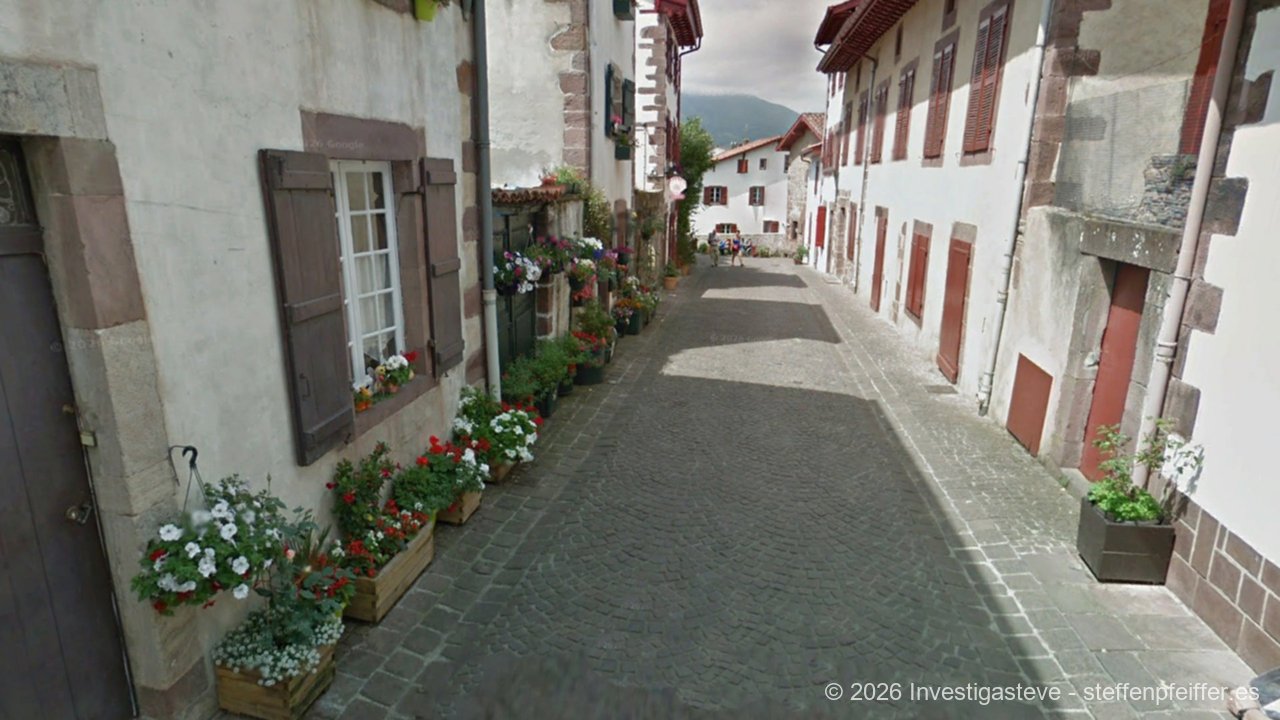
The visual composition of the town is a masterpiece of Lower Navarre. The white facades with their deep red shutters and door lintels seem like a colourful echo of the region’s blood and pride. You perceive the coolness emanating from the shady archways and feel the smooth, almost velvety surface of the ancient walls as you run your hand over the stone. Here, at an altitude of about 163 metres, Saint-Jean becomes the epicentre of your new life. It is the threshold where you shed your old identity like a worn-out skin and prepare yourself for the metamorphosis. Everything about this place – from the majesty of the citadel to the soft splashing of the fountains – whispers to you: Now it truly begins.
What This Place Tells
Saint-Jean-Pied-de-Port does not carry its history like a burden, but like a royal robe. The name itself – “Saint John at the foot of the pass” – is a geographical and spiritual positioning. Founded in the 12th century by the kings of Navarre, the town quickly became the administrative and military centre of the Lower Navarre region. The historical causality is engraved in every defensive wall and every city gate. Saint-Jean was the last bastion before the dreaded Ibañeta Pass, a place where pilgrim streams gathered to jointly take on the battle against the wilderness of the mountains. When you stand before the Porte Saint-Jacques, now a UNESCO World Heritage site, you stand in the same spot where, since the Middle Ages, millions of seekers have entered the town, often exhausted from the long journeys through France, but animated by the goal before them.
The architecture speaks of power and resistance. Richard the Lionheart once almost completely destroyed the town, yet like a phoenix, it rose from the ashes, fortified by the genius of engineers like Vauban, who in the 17th century built the mighty citadel on the ruins of the old royal castle. As you climb the steep steps to the fortress, you feel the strategic seriousness of this place. From up here, the soldiers controlled the pass routes, protected the borders, and watched over the fate of travellers. The massive walls of the characteristic red sandstone (Grès rose) are silent witnesses to sieges, peace treaties, and the incessant change of empires. Yet amidst the military austerity, there is also sacred depth: the church of Notre-Dame-du-Bout-du-Pont, located directly on the Nive, welcomes you with a simple Gothic elegance that needs no loud gestures to unfold its spiritual effect.
The history of Saint-Jean-Pied-de-Port, however, is also a story of cultural fusion. As the capital of the Cize region, it was a melting pot of Basque traditions and European influences. In the lintels of the old houses, you find inscriptions telling of craftsmen, blacksmiths, and merchants who found their prosperity here. The metamorphosis of the town from a military outpost to today’s global starting point of the Camino Francés is a fascinating process of civilisational renewal. Here, the past is not merely preserved; it is lived. As you walk through the Rue d’Espagne, where merchants once hawked their wares, you perceive the energy of all those who checked their supplies and said their prayers here before you. Saint-Jean-Pied-de-Port is a living palimpsest, on which every generation has left its own trace without damaging the foundation of its forefathers.
Addresses & tips in Saint-Jean-Pied-de-Port
Camino Distances
In Saint-Jean-Pied-de-Port, the great adventure begins. It is point zero, where the theory of preparation meets the harsh practice of the Pyrenees.
| Previous Place | Distance (km) | Next Place | Distance (km) |
|---|---|---|---|
| Starting Point | 0.0 km | Honto | approx. 5.3 km |
Sleeping & Arriving
Arriving in Saint-Jean-Pied-de-Port marks the emotional apex of your entire preparation time. When you step off the little train from Bayonne, which has chugged through the green hills of the Basque Country, you are greeted by an atmosphere that is almost physically palpable. You stand on the platform, the heavy backpack on your shoulders, and for a moment, there is complete silence in your head. The first act is almost always ritual: the walk to the pilgrim office at 39 Rue de la Citadelle. You feel the tension in your legs as you climb the steep alley, past the red-and-white houses that welcome you like an honour guard. It smells of old paper and ink in the small office, where volunteers from all over the world hand you your first stamp and the famous scallop shell. In this moment, the walker becomes a pilgrim.
The accommodation in Saint-Jean is as diverse as the fates of the people who arrive here. There are the large, busy Gîtes like “Beilari” or “L’Esprit du Chemin,” where community is paramount. Here, you share not only a dormitory but often a communal dinner, where stories of departure fill the room. You feel the texture of the solid wooden beds, which creak softly under your weight, and perceive the coolness of the thick stone walls that keep the day’s heat out. In these houses, there is a concentrated energy – a mix of nervousness, hope, and the deep need for rest before the storm on the Pyrenees.
For those who prefer a more private atmosphere for their first night, charming guesthouses and small hotels like “Les Pyrénées” offer almost princely comfort in a historic setting. Here, you sleep behind heavy curtains in beds with snow-white linen that smells of fresh air and lavender. With the window open a crack, you hear the distant rushing of the Nive outside and the occasional echo of footsteps on the cobblestones. It is a deep sleep, often accompanied by intense dreams, for the subconscious knows that tomorrow holds the greatest physical challenge of the first weeks.
Arriving also means surrendering to the logistics of the village. In the narrow alleys, you find everything crucial for the continuation of your journey. You check the adjustment of your straps one last time, buy last-minute supplies, or a new walking pole. You feel the rough texture of the equipment in your hands and the firmness of your boots on the stone. Every action in Saint-Jean is marked by a special seriousness. You observe the other pilgrims, recognising the professionals by their worn-out gear and the newcomers by their shiny equipment. It is a moment of social reflection, where you seek your place in the endless procession of seekers.
When evening finally descends on the town and the lights come on in the windows of the Rue de la Citadelle, an almost sacred silence settles over Saint-Jean. You might stand on the old bridge one last time, feel the cool breeze from the river on your face, and look up at the citadel. Arriving here is not an end, but a necessary purification. You leave the noise of your old life behind in the valley and mentally prepare yourself for the heights. The psychological relief that comes with receiving the pilgrim passport gives you the stability you need for the night. You are now part of a story that reaches far beyond you, and Saint-Jean-Pied-de-Port has taken you within its protective walls, only to release you tomorrow into the freedom of the mountains.
Eating & Drinking
The gastronomy in Saint-Jean-Pied-de-Port is a powerful and honest declaration of love to the Basque terroir. Here, in Lower Navarre, eating is not mere pastime but a ritual act of fortification. When you settle in one of the rustic auberges in the evening, the first thing to enchant your senses is the heavy, spicy aroma of “Axoa” – a traditional veal ragout with peppers and onions. The scent of garlic, bay leaf, and the famous Piment d’Espelette fills the dining rooms and makes you instantly forget the evening chill. The taste is intense, down-to-earth, and carries all the strength of the mountain pastures.
An absolute must for anyone starting their journey here is “Piperade,” a dish of peppers, tomatoes, and onions, often served with a hearty slice of Jambon de Bayonne. You feel the juiciness of the vegetables and the salty firmness of the ham, which melts on the tongue. The bread here is still true craftsmanship; the crust is so hard it cracks under your fingers, while the inside is soft and elastic – ideal for soaking up the last remnants of the spicy sauces. To accompany it, you drink an “Irouléguy,” the only mountain wine of the Basque Country. It is deep red, mineral, and carries a note of dark berries and wild herbs. When you take the first sip, you feel the warmth spreading through your body and releasing inner tension.
For dessert, the “Gâteau Basque” must not be missed. This crumbly cake, traditionally filled with a fine cream or black cherry jam from Itxassou, is the culinary soul of the region. The scent of fresh butter and vanilla caresses your nose when the cake is served. The first bite is a revelation: the crumbly texture harmonises perfectly with the fruity or creamy filling. It is a taste of comfort that makes you forget for a moment that tomorrow you will seek the solitude of the mountains. The sheep’s cheese “Ossau-Iraty,” served with quince paste, is also a tactile and gustatory experience, combining the tartness of the Pyrenees with the sweetness of the gardens.
Eating and drinking in Saint-Jean is always also a social act. At the long tables of the hostels, languages and stories mix. You share a carafe of wine, break bread together, and feel the barriers between strangers melt away. It is the preparation for the community of the Way, a culinary foundation for the coming weeks. When you finally leave the dining room full and warmed from within, you feel a deep contentment. Saint-Jean has welcomed you not only physically but also gastronomically into its world. You absorb the energy of these honest dishes as if you were eating the strength of the earth itself to be able to withstand gravity tomorrow.
Supplies & Logistics
As the starting point of the Camino Francés, Saint-Jean-Pied-de-Port is logistically a perfectly oiled machine. The town has specialised over decades in preparing thousands of pilgrims for their journey each year without losing its medieval charm. Everything essential for your progress is concentrated in a manageable area between the Porte Saint-Jacques and the Porte d’Espagne.
Shopping: The town offers numerous specialist shops for hiking equipment, such as “Direction Pyrenees,” where you can find last-minute gear, high-quality socks, or replacement poles. There are also small grocery stores and a larger Carrefour market on the edge of town for provisions. It smells here of new nylon, leather, and fresh fruit.
Gastronomy: The choice ranges from quick boulangeries for breakfast to upscale restaurants and pilgrim-friendly auberges. In high season, it is advisable to find a table early for dinner or to join the communal meal at the hostel.
Accommodation: Saint-Jean has an enormous density of Gîtes d’étape, private hostels, guesthouses, and hotels. Despite the capacity, a reservation for the first night, especially in the months of May, June, and September, is absolutely essential. The pilgrim office helps in emergencies to find a bed.
Public Facilities: The heart is the pilgrim office (Bureau d’Accueil des Pèlerins) at Rue de la Citadelle. Here, you receive credencials, current weather reports for the Pyrenees crossing, and lists of hostels. There are also post offices, ATMs, and pharmacies in the town centre.
Saint-Jean’s logistical strength lies in its compact structure. You can do all necessary errands on foot, allowing you to focus entirely on your mental preparation. Particularly important is the advice at the pilgrim office regarding the Route Napoléon. Should the weather in the mountains change, the information here is your most important safety line. The staff are experienced and radiate a calm that immediately transfers to you. Saint-Jean-Pied-de-Port is your base station, a place that gives you the security you need to start into the uncertainty of the coming weeks. It is a functional harmony proving that modern logistics and centuries-old tradition can go hand in hand.
Don’t Miss
Although Saint-Jean is often perceived only as a transit point, the town holds treasures with deep symbolic and historical power.
1. The Vauban Citadel: Climb the steep path up to the fortress. The view from the walls over the town’s roofs and into the valleys of the Pyrenees is the ultimate panorama of your departure. Up here, you feel the vastness of your coming journey.
2. The Porte Saint-Jacques: This UNESCO World Heritage site is the traditional gate through which pilgrims from the north enter the town. A moment of pause at this historic stone arch is a must for every seeker.
3. The Rue de la Citadelle: This alley is the pulsating heart of the pilgrim town. Admire the red sandstone lintels of the old houses and soak up the energy of the constant coming and going.
4. The Church of Notre-Dame-du-Bout-du-Pont: Enter the cool interior of this Gothic church on the riverbank. The silence here forms a wonderful contrast to the bustling activity outside and offers space for a first prayer or meditation.
5. The bridge over the Nive: Stand for a moment in the middle of the bridge and watch the water. It is the point where the town reflects in the waves and you cross the physical boundary between the lower town and the historic core.
Insider Tips and Hidden Places
Beyond the Rue de la Citadelle, Saint-Jean-Pied-de-Port hides corners that only grant their magic to those who choose slowness and leave the beaten path for a moment. If you follow the path along the old city wall that begins at the Porte de Navarre, you reach spots where nature has reclaimed the stones. Here, wild vines grow over the battlements, and the view into the gardens behind the houses reveals a private, peaceful face of the town. You hear here only the buzzing of bees and the distant rushing of the Nive. It is a place of absolute isolation, where you can feel the historical weight of the fortress without the bustle of fellow pilgrims.
Another hidden place is the small “Chemin de la Digue,” running directly along the riverbank below the church. Here, where the water glides over flat stones, you find a coolness that is refreshing even on hot days. The ground here is often damp and mossy, a tactile experience connecting you directly with the primal power of the water. It is the ideal place to cool your feet one last time before the great march and to order your thoughts. At dusk, the light here refracts in a way that makes the water appear silver – a sight of almost unreal beauty that few visitors perceive.
Also look for the small, private backyards in the Rue d’Espagne. Sometimes the heavy wooden gates stand ajar, revealing tiny oases of peace with climbing plants, old stone fountains, and carefully tended geraniums. In these corners, you feel the deep-rootedness of the inhabitants with their soil. It smells there of damp earth and the history of entire family dynasties. These glimpses make Saint-Jean more than just a backdrop for you; it becomes a living organism that hosts you for a night.
A real insider tip for the early morning is the small cemetery on the edge of town. It offers a stillness marked by a deep, peaceful melancholy. The old tombstones tell the names of the region and of those who ended their lives here. When the mist still hangs in the cypresses and the sun slowly rises over the mountains, this place has a transcendent power. It is a tactile reminder of finiteness, lifting your decision to walk the Camino to a deeper level once more. Such undiscovered corners are the true treasures of Saint-Jean-Pied-de-Port – they teach you that beauty often lies hidden.
Moment of Reflection
Saint-Jean-Pied-de-Port is the place of the great transition. Here, at the foot of the Pyrenees, preparation ends and true being begins. In the silence of your first night in the Gîte or while gazing from the citadel, a profound spiritual metamorphosis takes place. You realise that you are no longer just a traveller counting kilometres, but a link in an infinite chain of people who have all undertaken the same adventure. The massive presence of the red sandstone and the seriousness of the Vauban fortress reflect your own inner resolve. You are here to leave the old behind and face the uncertainty of the path.
Reflection in Saint-Jean is often marked by a mixture of humility and pride. You recognise the magnitude of the task ahead and simultaneously feel the strength arising from this decision. The historical weight of the town, the millions of steps this pavement has already carried, gives you a sense of continuity. You are not alone. In the multilingual community of the hostels, you become aware that your individual worries and hopes are part of a universal human experience. Saint-Jean-Pied-de-Port acts like a filter: the unimportant things of daily life begin to fade here, while the elemental questions of your existence emerge more clearly.
In this moment of caesura, you learn to understand silence not as emptiness, but as space for growth. You breathe in the pure mountain air deeply and feel your perception sharpening. Nervous anticipation transforms into quiet determination. When you walk through the Porte Saint-Jacques tomorrow, you do so with a new seriousness. Saint-Jean has prepared you, given you protection, and grounded you with its history. You leave the town not as the same person who entered it – you are now a pilgrim, ready for the transformation the Camino holds for you. The gate is open, the path lies before you, and your heart is now in rhythm with the mountain.
Camino of the Stars
This place is the classic starting point of the Camino Francés at the foot of the Pyrenees. The sequence of places (Napoleon route) on the first stage is:
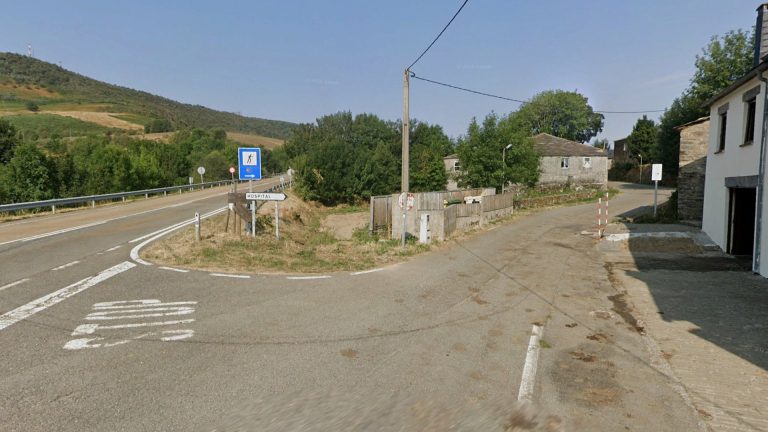
Saint-Jean-Pied-de-Port → Honto → Refuge Orisson → Auberge Borda → Roncesvalles
The sequence of places (Valcarlos route) on the first stage is:
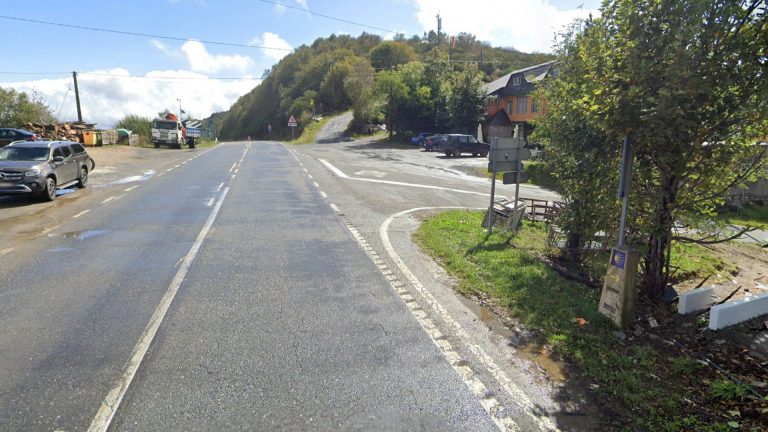
Saint-Jean-Pied-de-Port → Arnéguy → Valcarlos → Ibañeta Pass → Roncesvalles
Did you also feel that magical moment in the red alleys of Saint-Jean-Pied-de-Port when you held your first credential in your hands? Was it the view from the citadel or the first communal pilgrim meal that sealed your resolve? Share your experiences at the starting point of your journey with us! Your story is a precious part of the eternal Camino. Tell us about your very personal departure and inspire others to dare the first step through the Porte Saint-Jacques!
About the Author