A new stage day – entering the stage
The morning in Zubiri begins with an almost paradoxical atmosphere, in which the archaic silence of the Navarrese foothills of the Pyrenees mingles with the metallic, cold breath of modernity. When you step out of your hostel, a dense, milky fog often lies over the valley of the Arga, softening the contours of the surrounding wooded slopes and muffling the sounds of the world. But amidst this natural idyll, you perceive a specific, almost sharp smell: the aroma of the magnesium factory, which stands like a stone foreign body on the edge of the town. It is an olfactory contrast that immediately snaps you wide awake. You feel the cool, damp morning air creeping through your clothes as you lace up your hiking boots and feel the weight of your backpack for the first time, which now, on the third day, almost feels like a part of your own body.
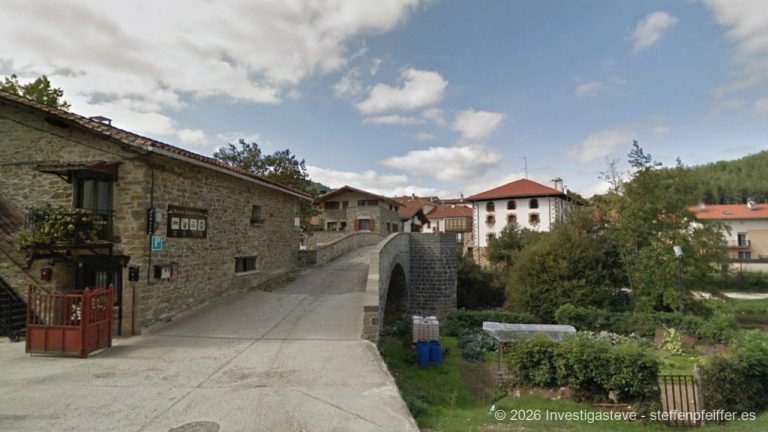
The departure from Zubiri inevitably leads you over the historic “Puente de la Rabia,” the Bridge of Rabies. When your hand runs over the rough, cold stone of the parapet, you touch centuries of legends. You hear the rhythmic, powerful gurgling of the Arga below you, a deep bass murmur that will accompany you like a common thread today. It is a ritual farewell from the industrial heaviness of the place to the meditative gentleness of the river valley. Your gaze wanders westward, where the path plunges into the deep green of the forests, and you feel a psychological relief. Behind you remains the noise of the factory, ahead lies the promise of the first real metropolis of the Way. It is a departure between worlds: from the rough craft of the mountains to the proud elegance of Pamplona, the city of bulls and kings.
Route and elevation profile
Distance: 20.4 km
Elevation gain: ↑ 230 m / ↓ 380 m
Difficulty: Moderate. The stage is physically less demanding than crossing the Pyrenees, but demands good concentration due to constant small ascents and the increasingly hard terrain towards the end.
Special features: Gentle forest paths along the banks of the Arga, a steep, short ascent to Zuriáin, and the final, often underestimated passage through the suburbs of Pamplona on asphalt.
Today’s route is a study in approach. We leave the rugged mountain ranges behind us and follow the natural gradient of the Arga Valley. The elevation profile resembles a gentle, descending staircase, which, however, is repeatedly interrupted by short, sharp ascents that briefly challenge the calf muscles. The ground is initially a blessing for sore soles: soft forest paths, covered with a layer of pine needles and damp leaves, cushion every step and exude an earthy, calming scent. In the middle of the stage, the texture changes to stony paths and field tracks, which can be dusty in dry weather and sticky in rain.
From Arre onwards, the character of the path changes radically. The natural softness of the forest gives way to the relentless hardness of asphalt and concrete. The entry into the urban fabric of Villava and Burlada is a haptic test for the joints. The psychological challenge here lies in the contrast: after hours of forest silence, the soundscape of civilization – traffic, voices, the clatter of the city – hits the pilgrim unfiltered. But precisely this process of densification prepares the mind for the majestic finale: passing through the mighty portal of Pamplona’s city wall, where the historic paving of the old town signals arrival in a new phase of the journey.
Variants and small detours
The stage from Zubiri to Pamplona offers an interesting strategic choice that significantly influences the character of the morning. The official main route leads via Larrasoaña and Akerreta. This is the historically documented path that guides you through small, almost sleeping villages and repeatedly seeks contact with the Arga. It is scenically varied and offers the best infrastructure for short breaks. Whoever appreciates the solitude of Navarrese architecture will choose this route to absorb the massive stone houses and the simple beauty of the Romanesque village churches.
A small but fine variant presents itself shortly before Zabaldika. Here, the pilgrim has the choice of either staying on the flat cycle path directly along the river or tackling the short but steep ascent to the church of San Esteban in Zabaldika. We strongly recommend the ascent. Once at the top, you will not only be rewarded with a wide view over the valley, but also with the opportunity to ring the church bell yourself. It is a moment of interaction with history that immediately makes you forget the sweat of the ascent. It is these small detours that turn the Camino from a mere hike into an individual experience, where you stop time for a moment to feel the depth of the space.
Description of the path – with all senses
The path leading out of Zubiri is initially a haptic experience of relief. As soon as you have left the magnesium factory behind you, the forest envelops you like a protective cocoon. The ground under your feet is yielding, a mosaic of dark earth and weathered slate. You hear the soft crunching of small pebbles under your soles and the constant, soothing murmur of the Arga to your right. The air here in the deep valley is impregnated with the smell of damp moss, ferns, and the sweetish aroma of wild blackberries growing along the wayside. It is a phase of psychological decompression; the exertions of the Ibañeta Pass are behind you, and today your body finds a flowing, almost dance-like rhythm for the first time.
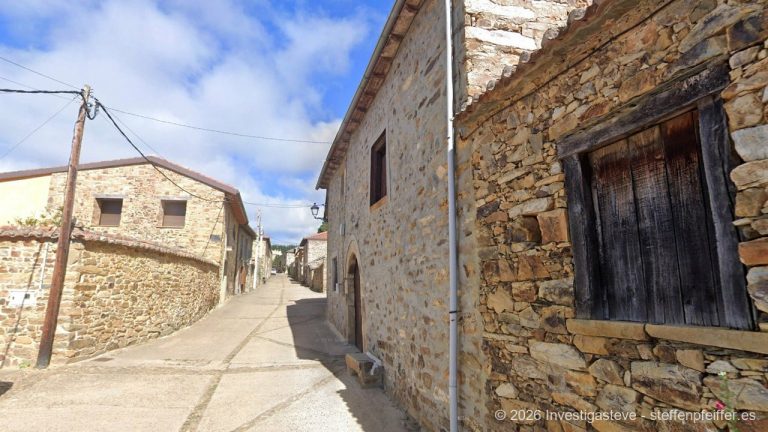
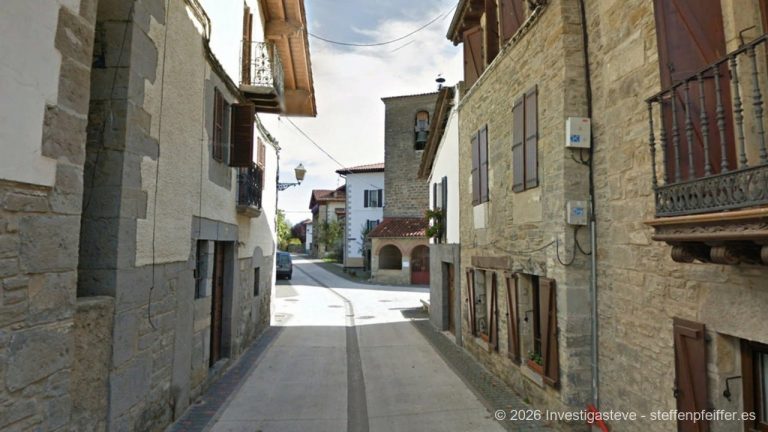
In Larrasoaña, you encounter the architecture of permanence. The narrow alleys reflect the morning coolness, and the massive wooden gates of the old farmsteads look like silent guardians of a bygone time. You hear the distant barking of a dog and the rhythmic clatter of dishes from an open window – signs of life from a community that has breathed with the pilgrim stream for centuries. When you cross the medieval bridge of the town, you feel the vibrations of history. The stones are uneven and challenge your balance, a haptic reminder that the Camino is not a smooth course, but a path through the rough reality of Navarre.
Behind Akerreta, the path plunges into a passage of almost mystical quality. The paths become narrower, the vegetation denser. The light breaks in a thousand green shades through the canopy of oaks and beeches. Here, the acoustic backdrop is reduced to the chirping of birds and the distant ringing of a sheep bell. The historical causality becomes tangible here: you are walking on paths that have remained almost unchanged since the 11th century. As you pass, your fingers brush the rough bark of old trees, and you feel the connection to the millions of seekers who sought the same shade right here. The smell changes to a spicy bouquet of pine resin and dry broom as the path lifts out of the valley for a moment.
The ascent to Zuriáin is a short, sharp reminder of the physical presence of your body. You feel the throbbing pulse in your temples and the slight burning in your thighs. But the reward is the wide view: the valley opens up, and in the distance you can already see the first signs of approaching urbanity. The descent to Iroz leads you over stony field tracks that demand your attention. The ground is restless, small stones roll away under your steps, and the sun, now higher, burns on your neck. You taste the fine dust of the country road on your lips, a salty mixture of exertion and the dry earth of Navarre.
In Zabaldika, the stage reaches a spiritual climax. When you decide to ring the bell of the church of San Esteban, it is an auditory event that vibrates through your entire body. The sound is deep, pure, and resonant – a signal to the valley that says: “I am here. I am walking my path.” The smell in the small church is characterized by cold stone, old wax, and a trace of incense that has settled in the cracks of the Romanesque walls. It is a moment of complete immersion, where time seems to stand still, before the path leads you back to the reality of the suburbs.
The approach to Arre is a sensory shock. The transition from forest to asphalt is abrupt. Suddenly you hear the roar of the main road, an aggressive, modern sound that cuts through the meditative silence of the last hours. But amidst this noise, the monastery of Trinidad de Arre awaits you. When you cross the bridge over the Ulzama, you feel the massive, fortified architecture of the former pilgrim Hospital. The coolness radiating from the thick walls is a blessing. Here it smells of damp limestone and the freshness of flowing water. The historical dimension is almost tangible here: for centuries, the monastery was the gateway to the city, a place of safety before the walls of Pamplona.
The march through Villava and Burlada is an exercise in mental discipline. The haptic experience of the hard pavement sends vibrations up to your back with every step. You pass modern cafés, colorful shop windows, and busy people going about their daily lives. The smell of freshly roasted coffee mixes with car exhaust fumes and the scent of pastries from the local bakeries. You feel strangely out of place in your dusty pilgrim attire, an anachronism in a modern world. But this phase is necessary; it is the filter that makes the tranquility of Pamplona’s old town all the more precious. Your eyes constantly search for the yellow arrows among billboards and traffic lights – a visual scavenger hunt through the concrete jungle.
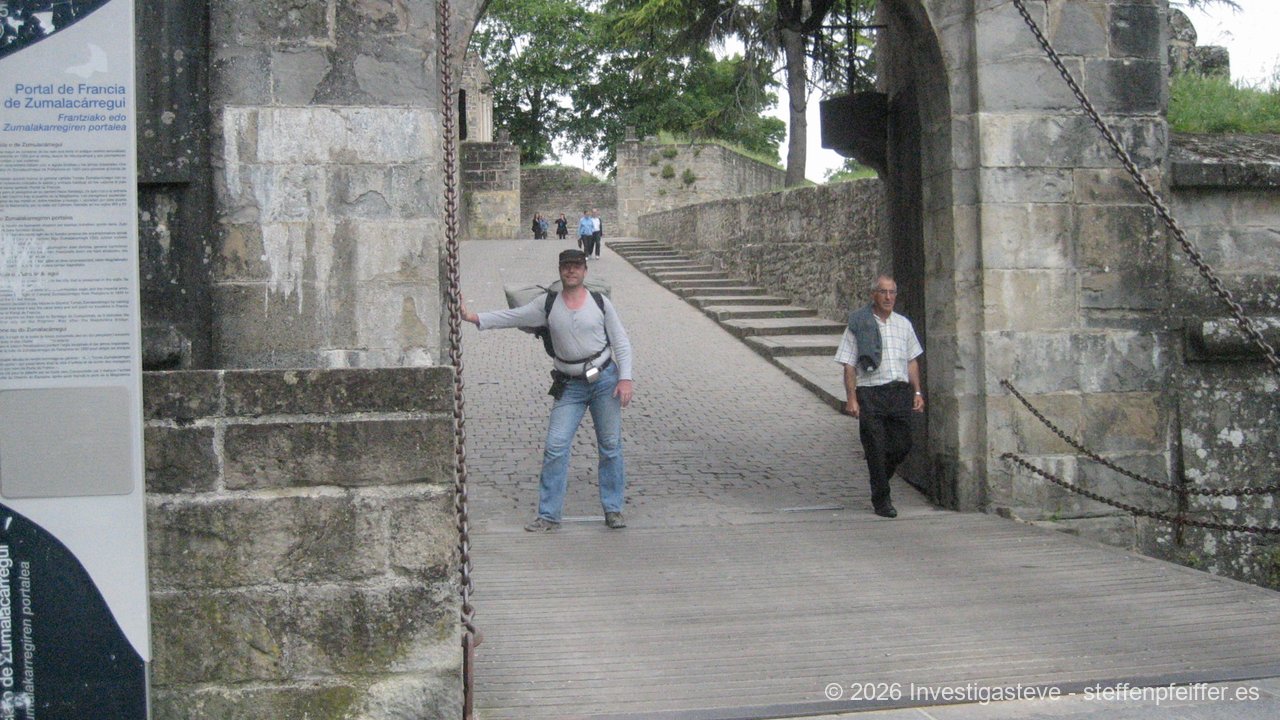
And then you reach the Magdalena Bridge. When you cross this venerable stone bridge, the acoustics change again. You hear the rhythmic clicking of your poles on the massive stone blocks, a sound that echoes from the mighty city walls of Pamplona. The visual dominance of the fortifications is overwhelming. You feel small under the huge bastions of ochre limestone. The smell changes: it becomes more sacred, more steeped in history. A hint of old dust, parks, and the distant kitchen of the old town wafts towards you. Passing through the Portal de Francia is the emotional climax of the day. The heavy chain of the drawbridge above your head is a haptic monument to the defensibility of this city.
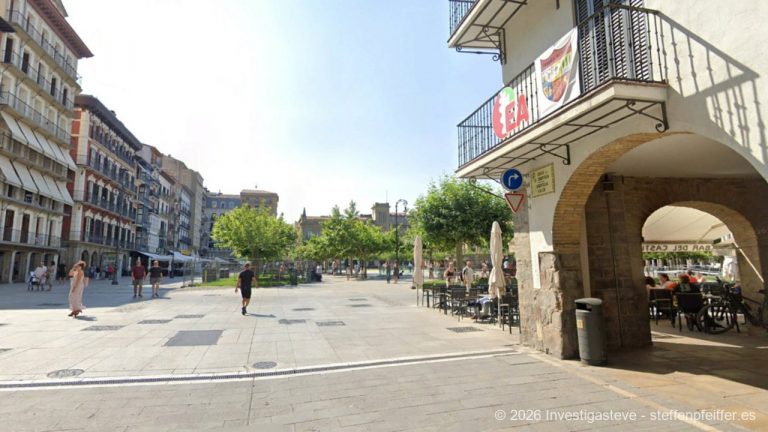
Arriving in the old town of Pamplona, you immerse yourself in a labyrinth of light and shadow. The cobblestones of the Calle Curia are polished smooth by millions of footsteps. You hear the polyphonic murmur of people in the bars, the clinking of glasses, and the distant ringing of the cathedral. The smell of “pincho” culture – grilled chorizo, sharp vinegar, and fine olive oil – hits you and awakens your spirits. The psychological metamorphosis is complete: from the exhausted wanderer of the forests, you become the amazed visitor of a majestic metropolis. You feel the energy of the city, carrying you like a wave towards the Plaza del Castillo, while your legs carry the weight of the 20 kilometers like an honorable distinction.
The arrival in front of the Cathedral of Santa María la Real is a five-dimensional reward. You see the Neoclassical facade, hear the mighty booming of the “María” bell, and smell the age of the stones. When you finally place your hand on the cool granite of a pillar, you realize that the path has led you today not only to Pamplona, but also a little deeper into yourself. The stage from Zubiri to Pamplona was not merely a hike; it was a journey through the layers of civilization, which today finds its crowning conclusion in the security of one of the most beautiful cities in Spain.
Intermediate places & special features
Larrasoaña – This small village is a prime example of Navarrese architecture. Particularly worth seeing is the medieval bridge that leads the pilgrim over the Arga. In the Middle Ages, Larrasoaña was an important resting place, which is still reflected today in the massive construction of the houses. The atmosphere is characterized by a quiet melancholy that invites the walker to reflect on their own rhythm. Here, one still feels the archaic power of the Camino, before the landscape widens and becomes more urban.
Trinidad de Arre is a place of immense historical significance. The monastery and the associated hospital of Trinidad de Arre are spectacularly situated on a medieval bridge over the river Ulzama. This ensemble is one of the best-preserved examples of early pilgrim care. The Romanesque architecture radiates a simple but powerful dignity. For the modern pilgrim, this place marks the end of the natural passage and the beginning of the urban space. The coolness of the monastery walls offers a final moment of silence before plunging into the vibrant life of the city districts of Pamplona.
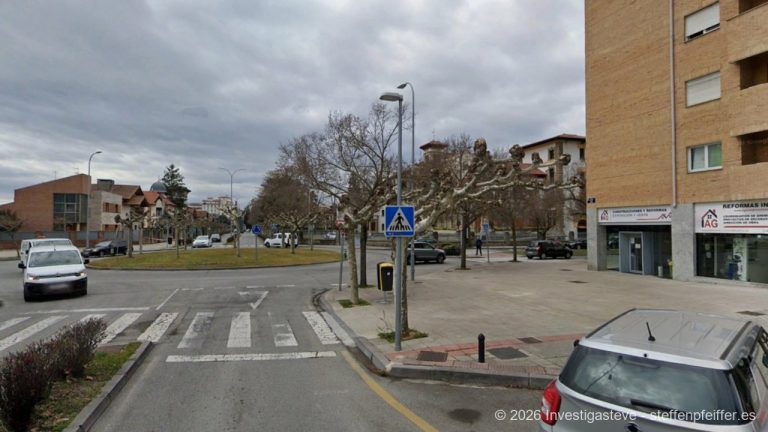
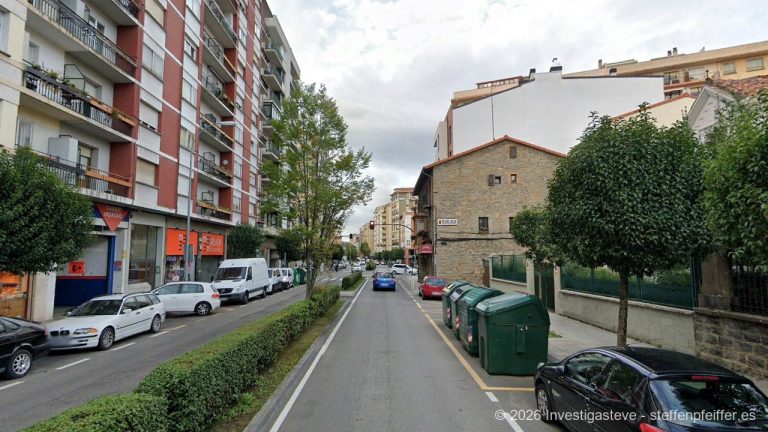
Villava and Burlada – These two suburbs of Pamplona are now almost completely merged with each other and with the metropolis. Villava is famous as the birthplace of the legendary cyclist Miguel Induráin. For the pilgrim, these places offer excellent functional infrastructure: numerous bars, pharmacies, and small supermarkets line the path. Architecturally, they are a mixture of modern residential construction and small remnants of old industrial culture, offering an interesting insight into modern Navarrese life beyond the clichés.
Pamplona (Iruña) – The capital of Navarre is a city of superlatives. Famous for the “Sanfermines” and the annual running of the bulls, Pamplona offers far more than just folklore. The massive city wall encloses one of the best-preserved old towns in Spain. The Cathedral of Santa María la Real with its magnificent Gothic cloister is an absolute must for anyone interested in culture. Pamplona is a city that perfectly combines history and modernity – a place where, after the hardships of the first days, you can fully enjoy the luxury of Spanish gastronomy and the flair of a lively student city.
Dining, accommodation & supplies
The supply situation on this stage is excellent, which makes it attractive for pilgrims who like to take frequent breaks. In almost every village passed, there are bars and small shops.
Gastronomy: In Villava and Burlada, there are numerous options for a second breakfast or a quick lunchtime snack. In Pamplona itself, visiting the tapas bars (pinchos) around Calle Estafeta and Plaza del Castillo is a gastronomic must.
Accommodation: In Pamplona, the selection of accommodations is immense. From the traditional municipal hostel Paderborn (at the city entrance) to luxurious hotels like the Gran Hotel La Perla, where Hemingway once stayed, there is something for every budget. We recommend the Albergue Jesús y María, housed in a former church, which offers a unique atmosphere.
Public facilities: In Pamplona, there is everything your heart desires: specialized outdoor shops for replacement equipment, large post offices for sending packages, and excellent medical facilities.
The special thing today
The absolute unique selling point of this stage is the encounter with the literary legacy of Ernest Hemingway in Pamplona. While the path leads us physically through the forests of Navarre today, it guides us psychologically into the world of the “aficionado.” Hemingway came to Pamplona for the first time in 1923 and fell in love with the city, its wine, and the running of the bulls. His novel “The Sun Also Rises” (Fiesta) made the city world-famous. The special thing today is the search for traces: when you sit in the Café Iruña in the evening at one of the marble tables, you feel the spirit of the “Lost Generation.” Hemingway taught us that the Camino consists not only of steps, but of the stories we tell at the tables of the bars.
A second special aspect is the architecture of Pamplona’s city fortifications. It is considered one of the most significant examples of Renaissance military architecture in Europe. The special thing is the ritual entry into the city through the Portal de Francia. In an age of open borders, this mighty gate reminds us that for centuries the Camino was a path through fortified territories. The lowering of the drawbridge (which is still functional today) symbolizes the transition from unprotected land to the protective security of civilization. It is a moment of historical causality that immerses the pilgrim deeply in the medieval worldview.
Finally, the “bell experience” in Zabaldika is a special feature often referred to as the “little miracle by the wayside.” The fact that pilgrims are allowed to actively intervene in the acoustic landscape here creates a deep emotional bond with the place. It is a psychological metamorphosis: one is no longer merely a passive observer, but becomes an actor. Ringing the bell is an archaic act of self-assertion and community at the same time. It connects you with all the pilgrims who stood here before you and sent the same message of presence into the valley.
Reflection at the end of the stage
When you walk through the illuminated streets of Pamplona in the evening, while the setting sun bathes the ochre stones of the city wall in a warm gold, a strange kind of clarity sets in. You notice how your perception has sharpened over the last three days. The hustle and bustle of the suburbs is now only a distant background music to the deep contentment that fills you here in the heart of the city. You are not a tourist who came by bus; you have earned every stone of this pavement with your own feet.
Pamplona is a stage on which every pilgrim becomes the protagonist of their own novel. Whether you ponder the transience of life in the Café Iruña or seek the silence of the centuries in the cathedral – the city offers you the space for this reflection. You realize that the Camino is a constant alternation between the solitude of the forest and the abundance of community. In the quiet of the evening hours, surrounded by thick walls and living history, you become aware: the path has changed you today. You are ready for the coming kilometers, for today you have learned that true strength lies in the ability to absorb both the silence and the storm of the city within yourself.
Camino of the Stars
This stage lies on the Camino Francés, on the stage from Zubiri to Pamplona. The sequence of places is:
| Stage | Start | Destination | Distance (km) | Elevation gain | Difficulty | Intermediate places |
|---|---|---|---|---|---|---|
| 03 | Zubiri | Pamplona | 20.4 | ↑ 230 / ↓ 380 | moderate | Larrasoaña → Akerreta → Zuriáin → Zabaldika → Arre → Villava → Burlada |
Did you feel the moment when the bell of Zabaldika vibrated through your limbs, or did you find your inner Hemingway at the counter of Café Iruña? Share your story of the approach to the city of bulls with us – every experience is another point of light in the sky of the pilgrim community.
About the Author

Zubiri – The Stone Gateway to Tranquility on the Banks of the Arga
Ilarratz – Camino Francés
Larrasoaña – The Stone Echo in the Valley of Thieves
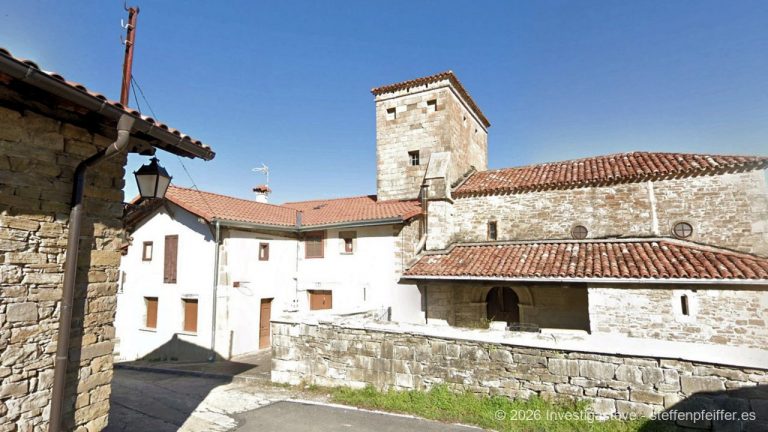
Akerreta – The Whispering Silence of the Esteríbar Valley
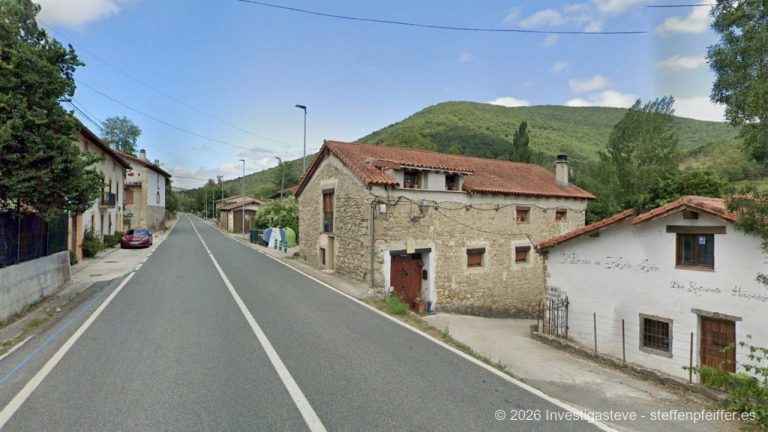
Zuriáin – The Stone Echo on the Banks of the Arga
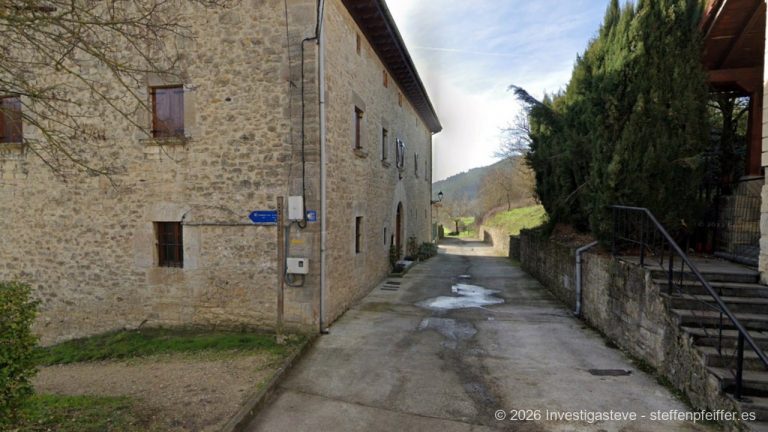
Zabaldika – The Bell Symphony of Silence Before the Gates of Pamplona
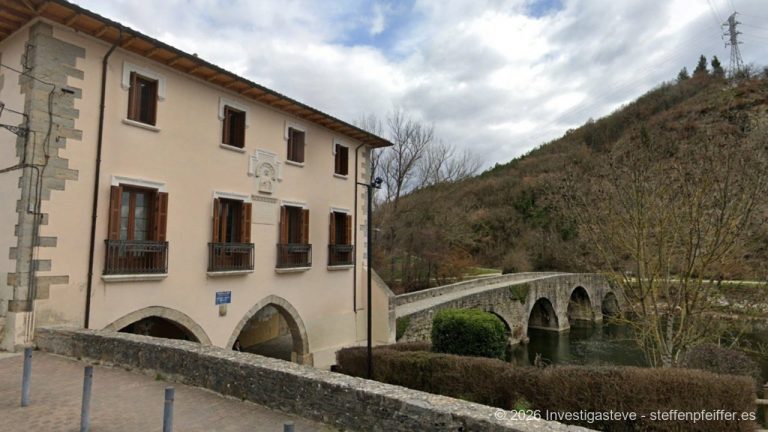
Arre – The Stone Refuge at the Gateway of Metamorphosis
Villava – The Stone Gateway to Navarre's Capital
Burlada – The Stone Vestibule to Navarre's Pride