A First Glance – Introduction & Atmosphere
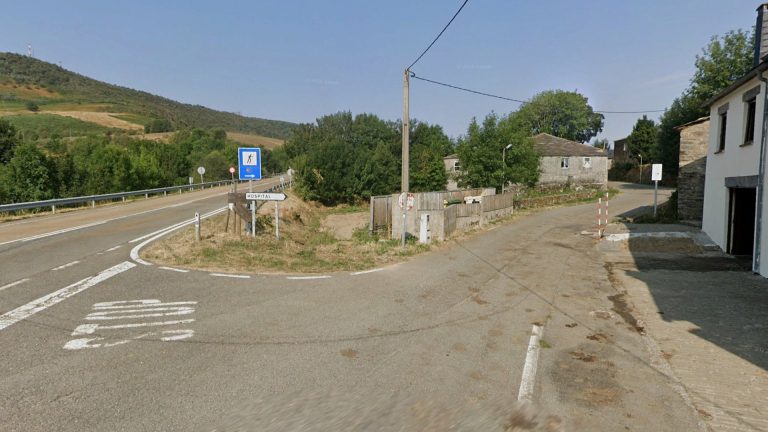
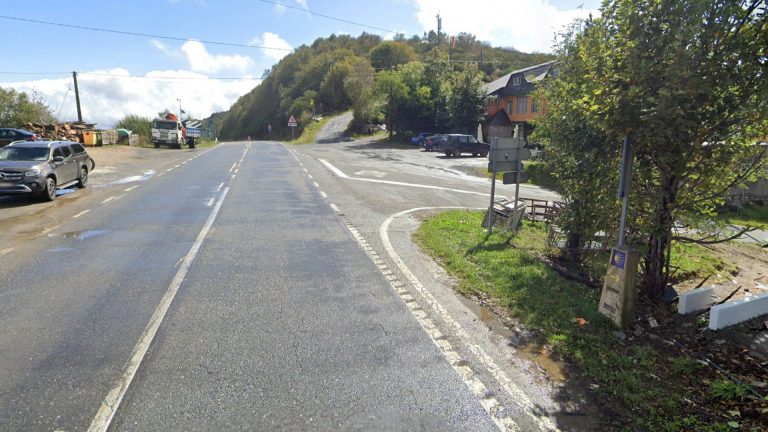
When you leave the shady path along the Arga and the dense canopy of the Esteríbar Valley slowly opens up, Villava – or in Basque, Atarrabia – announces itself not with an abrupt end to nature, but with a majestic, almost reverent gesture of stone. It is that magical moment on the Camino Francés when you cross the boundary between rural stillness and the pulsating heart of Navarre. From afar you hear the deep, rhythmic roar of the water at the confluence of the Ultzama and Arga rivers, an auditory crescendo marking the transition from wilderness to civilization. The air here is saturated with the river’s moisture, mixed with the first, sharp scent of warm asphalt and the enticing aroma of freshly baked bread wafting from the bakeries along Calle Mayor.
Tactilely, you experience Villava first through your feet. The soft, yielding soil of the riverside paths gives way to the unyielding, history-laden stone of the Trinidad de Arre. When you cross the medieval bridge, you feel the vibrations of centuries beneath your boots. The rough texture of the limestone, polished smooth by millions of pilgrim footsteps over a millennium, offers a firm hold and lets you sense the physical constancy of the Way. The coolness emanating from the massive walls of the monastery brushes your skin like an invisible breath of the past, while Navarre’s midday sun simultaneously heats the metal of your hiking poles. It is a sensory bath of contrasts that psychologically prepares you for the arrival in the nearby capital, Pamplona.
Psychologically, Villava marks a deep caesura. You are no longer in the lonely forest, but not yet fully in the urban bustle. It is an “in-between,” an anteroom of relief. Knowing that the first major stage after the Pyrenees is almost complete makes the emotional weight of the backpack melt for a moment. Villava welcomes you with a closed, almost protective architecture that radiates security. The tall, narrow rows of houses form a stone alley that funnels you like a funnel toward the distant goal. Here, pride in your own achievement mingles with anticipation of the city’s cultural richness, while your eye lingers on the soft ochre and earth tones of the facades.
What This Place Tells
Villava is an epic set in stone, whose first lines were written in 1184 by King Sancho VI el Sabio. He founded this place as “Villa Nova,” a new settlement strategically placed at the narrows between the rivers. Yet the story runs deeper: long before the official founding, this point was a vital lock. The Trinidad de Arre, that building complex at the entrance to the town, tells of the historical causality of helping. Here, at the seam with the neighboring town of Huarte, stood one of the most important pilgrim hospitals of the Middle Ages. The stones of the monastery whisper of the prayers of the exhausted and the tireless work of the monks who for centuries bound wounds and consoled souls. The tactile weight of the Romanesque arches bears witness to a time when architecture had above all to be one thing: protection against the vagaries of nature and politics.
A special chapter in the story is written by the industrial heritage of the place. For centuries, Villava was the pulsating center of milling and cloth-making in Navarre. The power of the water was tamed here to grind grain and process fabrics. The Batán de Villava, a former fulling mill, is the tactile monument of this era. When you enter the building today, it smells of damp wood and old iron. The historical metamorphosis from an agrarian outpost to the region’s industrial engine is palpable in every crack in the walls. It is the narrative of the transformation of natural force into human prosperity, a causality that made Villava the prosperous and dense place we see today. With only 1.06 square kilometers, it is the smallest municipality in Navarre, leading to a fascinating architectural density – a vertical testament to the value of the land at this strategic point.
Villava, however, tells not only of kings and mills but also of modern heroes. In the modern streets you inevitably come across the monument to Miguel Induráin, the legendary cyclist born here. This connection gives the place a psychological dimension of endurance and triumph. For the pilgrim, this is a powerful symbol: the long breath that Induráin displayed on the Tour de France passes is the same breath the walker needs on the paths to Santiago. Villava’s story is thus one of transition – from the vulnerable in the medieval Hospital to the powerful actor of modernity. The place serves as a bridge between eras, with the Trinidad de Arre as the archaic anchor point, while the bustling Calle Mayor beats the pulse of the present.
Addresses & tips in Villava
Camino Distances
Villava lies immediately before the gates of Pamplona and, together with Burlada, forms an almost seamless transition into the urban fabric of the capital. The path here is characterized by paved surfaces and a flat topography along the river floodplains.
| Previous Place | Distance (km) | Next Place | Distance (km) |
|---|---|---|---|
| Trinidad de Arre | approx. 0.2 km | Burlada | approx. 0.5 km |
Sleeping & Arriving
Arriving in Villava is a sensory experience of deceleration amidst density. Once you have left the Trinidad de Arre behind and step into the first houses of Calle Mayor, the rhythm of your steps changes. The Albergue Municipal de Villava (Atarrabiako Aterpetxea) is often the first port for those who wish to postpone the hustle of the nearby big city of Pamplona for another day. Upon entering the hostel, you are enveloped by the cool silence of a functional but welcoming house. It smells here of freshly washed cotton and a hint of disinfectant – that typical scent of order that, after the dusty kilometers of the day, feels like a promise of purity.
The tactile quality of arrival is defined by setting down the backpack. In the dormitories, you feel the smooth surface of the mattress covers and the cool metal of the bunk beds. It is a moment of physical surrender to exhaustion. The auditory experience in the hostel is characterized by a soft murmur of languages; here, Basque, Spanish, and the dozens of dialects of world pilgrims mingle into a background hum that conveys comfort. Psychologically, Villava offers a unique form of “arriving before the goal.” You are so close to Pamplona that you can almost breathe the city, yet you still enjoy the intimacy of a manageable place. This creates an emotional buffer zone that allows you to quietly process the experiences of the Pyrenees crossing.
For pilgrims seeking a more private form of retreat, the Hotel Villava offers a modern alternative. Here, the tactility is characterized by soft carpets and the luxury of a hot shower in absolute privacy. The feeling of exchanging your dusty pilgrim self for that of a cultivated traveler for a night is a form of psychological metamorphosis that for many walkers is essential after the first week on the Way. Yet the view from the window of the surrounding hills of San Cristóbal constantly reminds you that you remain part of the landscape. Arriving in Villava means experiencing the hospitality of a region that, despite its high population density, has retained an amazing efficiency without losing warmth toward the stranger.
Eating & Drinking
The gastronomy in Villava is a love letter to the fertile soil of Navarre. Here you taste the “Huerta,” the vegetable gardens that thrive along the Arga and Ultzama rivers. When you sit down in one of the bars along Calle Mayor, you are immediately enveloped by the scent of roasted peppers and the savory aroma of “Chistorra,” a spicy local sausage often sizzling on the grill. The texture of the crusty bread, still baked here traditionally, forms a perfect contrast to the soft, oily textures of the tapas. A first bite into a “Pintxo de Tortilla” is a sensory revelation – the interplay of sweet onions, creamy eggs, and firm potatoes gives back to the body the energy it left on the paths of Navarre.
A must for every pilgrim is tasting the regional vegetable dishes. Think of “Espárragos de Navarra” (white asparagus), whose tender fibers almost melt on the tongue, or “Menestra de Verduras,” a vegetable stew that tastes like distilled spring. The olfactory appeal of these dishes is characterized by freshness and earthiness. To accompany them, drink a robust red wine from the region, a Tempranillo, whose dark ruby gleams in the glass and whose bouquet smells of blackberries and a hint of oak. The heavy glass in hand and the warmth of the room create an atmosphere of psychological satiety. You feel not only nourished but honored by the quality of the ingredients.
For dessert, Villava often offers “Cuajada,” a sheep’s milk pudding heated with a hot stone, giving it a subtle, archaic smoky note. Together with local forest honey and walnuts, this creates a tactile experience between creaminess and crunchiness. Eating in Villava is a ritual act of community; you often share tables with locals, whose lively Basque and Spanish form an auditory backdrop of joy. Here the pilgrim learns that the Camino is also a journey through the tastes of a proud land. Every sip and every bite is a historical causality of agriculture that has kept this place alive for centuries.
Supplies & Logistics
Logistically, Villava is a true powerhouse. Despite its small area, the place offers a density of services that gives the pilgrim absolute security for the next stages. Since Villava is practically merged with Pamplona and Burlada, you benefit here from urban infrastructure without losing orientation.
Shopping: There are several well-stocked supermarkets and local “Ultramarinos” where you can stock up on fresh fruit, nuts, and water for the path. The quality of baked goods in the small artisanal bakeries is excellent; the scent of fresh flour and yeast early in the morning is an indispensable part of the experience.
Gastronomy: Calle Mayor is lined with bars, cafés, and restaurants. From a quick “Café con Leche” to a hearty pilgrim menu in the evening, everything is available for every need and budget.
Accommodation: In addition to the municipal hostel, there are private guesthouses and the Hotel Villava. The capacity is considerable for the size of the town, nevertheless a short advance reservation is recommended in high season.
Public Facilities: ATMs, pharmacies, and a medical center are available. This is the ideal place to replenish your travel pharmacy for blisters or joint pain before crossing the capital.
The logistical causality of Villava lies in its compact form. Everything is within a few minutes’ walk, which aids the recovery of your legs. The psychological impact of this security is enormous: you don’t have to worry about the essentials and can fully concentrate on the spiritual side of the Way. The connection to Pamplona’s city bus system also allows you to react flexibly to physical needs or plan a detour to the capital’s cathedral while setting up camp in the quieter environment of Villava. Villava functions as a perfectly oiled lock between nature and metropolis.
Don’t Miss
Villava is rich in details waiting to be discovered. Take time for these five highlights that form the core of the place:
– Trinidad de Arre: The building complex at the entrance of the town is a must. Cross the medieval bridge and feel the coolness of the Romanesque church. It is one of the most atmospheric points on the entire Way.
– Monument to Miguel Induráin: The statue of the five-time Tour de France winner is a tactile symbol of Navarrese endurance. A photo here is a must for many cycling pilgrims and walkers alike.
– Batán de Villava: This old fulling mill is now a museum in the Arga river park. Experience the historical causality of water power and enjoy the green oasis around the building.
– Iglesia de San Andrés: The main church of the town impresses with its architecture and the sacred silence inside. An ideal place for a short meditation in the late afternoon.
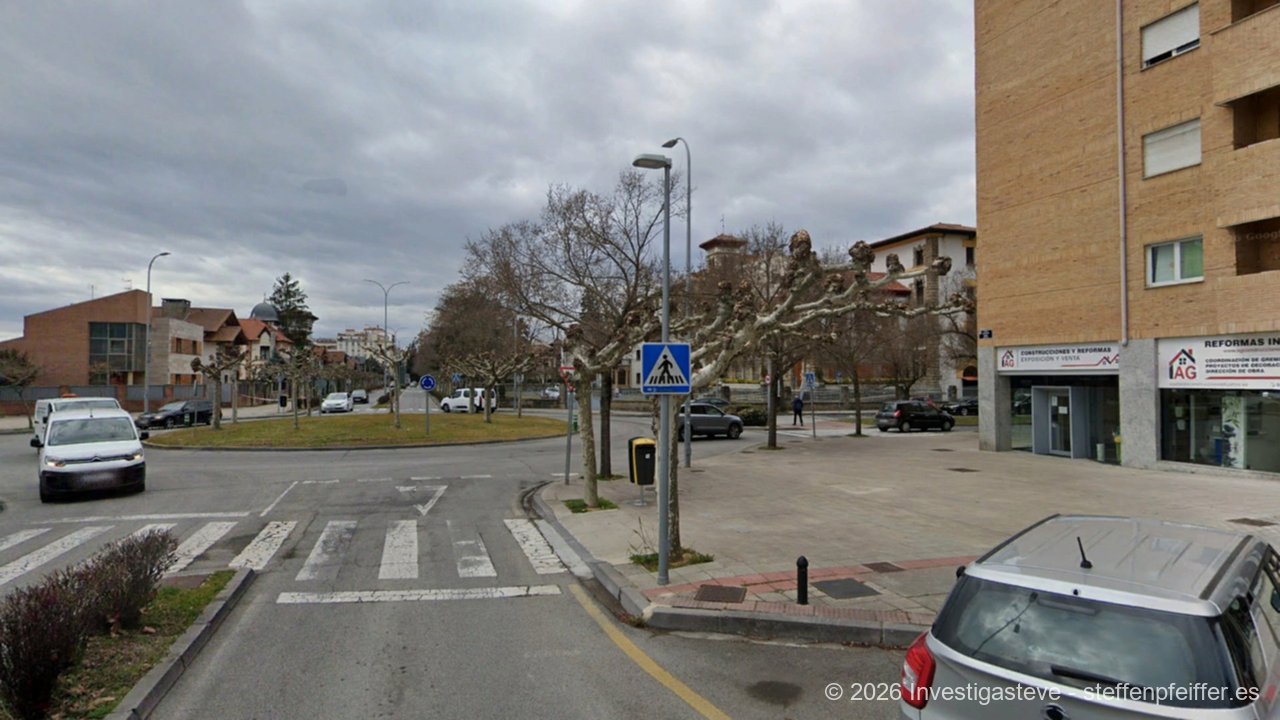
– Calle Mayor: Walk deliberately through the main street. Pay attention to the facades of the old palace houses that bear witness to the town’s royal past.
Insider Tips and Hidden Places
Beyond the marked paths, Villava hides corners that only the attentive pilgrim will find. One of these places is the narrow riverside path that runs directly along the water below the Trinidad de Arre. Here, away from the road, you hear only the gurgling of the rivers and the rustling of willows. It smells of wet moss and river mint – an olfactory experience that makes you forget for a moment the proximity of the city. It is a place of absolute psychological freedom, where you can wonderfully cool your feet and reflect on your own “inner cleansing” that a pilgrimage inevitably brings.
Another insider tip is visiting one of the small, often private courtyards in the old town, if the opportunity arises. In these shady oases, ancient wisteria often grows, whose sweet scent is intoxicating in spring. The tactility of the cool shade and the absolute darkness of some old passageways are an archaic experience that connects you directly with the town’s medieval structure. Here you realize that Villava not only lies by the road but has grown out of it. In some of these courtyards there are old stone wells, whose water is so clear that you see time reflected in it.
Those with an eye for detail will find near the Batán small, hidden artworks made of driftwood and stone, left by local artists or other pilgrims. Touching these tactile traces of creativity is like shaking hands with the collective soul of the Way. There is also a small, unassuming bar in one of the side streets where locals still play cards. The auditory experience of the clacking of dominoes on marble tables is the most authentic sound of Navarre. These hidden places are what transform Villava from a mere transit point into a living, breathing piece of your personal pilgrimage journey.
Moment of Reflection
When you sit on the stone wall at the Trinidad de Arre in the evening and watch the shadows of the pilgrims grow longer while the rivers flow ceaselessly beneath you, a deep reflection arises. Villava is the place of the threshold. You have left behind the wilderness of the Pyrenees and the solitude of the Esteríbar Valley. Ahead lies the promise and the challenge of the big city. Psychologically, Villava challenges you to consider your own metamorphosis. Who were you when you started in Saint-Jean-Pied-de-Port, and who are you now, just before the gates of Pamplona?
The constancy of the medieval bridge beneath you gives you the confidence that every journey needs a solid foundation. In this silence, ask yourself: Which burdens in my backpack are physical, and which are emotional? The Trinidad de Arre reminds us that we are never truly alone on this path; we walk in the footsteps of millions who carried the same worries and hopes. The historical causality of this place as a refuge for the sick and exhausted gives you permission to acknowledge your own weakness. It is not a shame to be tired; it is a grace to do so in a place that for 800 years has done nothing but receive wanderers. When you leave Villava tomorrow, take with you not only the dust on your boots but also the certainty that every transition is a chance for renewal. In the silence of the river, understanding begins that the Way is not made of kilometers, but of moments when the heart merges with the landscape.
Camino of the Stars
This place lies on the Camino Francés, on the stage from Zubiri to Pamplona. The sequence of places is:
Zubiri → Larrasoaña → Akerreta → Zuriáin → Iroz → Zabaldika → Arre → Villava → Burlada → Pamplona
Did you also experience that magical moment in Villava at the Trinidad de Arre, where the history of the Way of St. James became almost tangible? Did the statue of Miguel Induráin inspire you to new endurance, or did you discover a very personal “hidden place” on the riverbank? Share your experiences, your thoughts on Navarre’s smallest municipality, or your tips for the best pintxos in the square with us. Your story makes the path a little brighter for all those who come after you!
About the Author