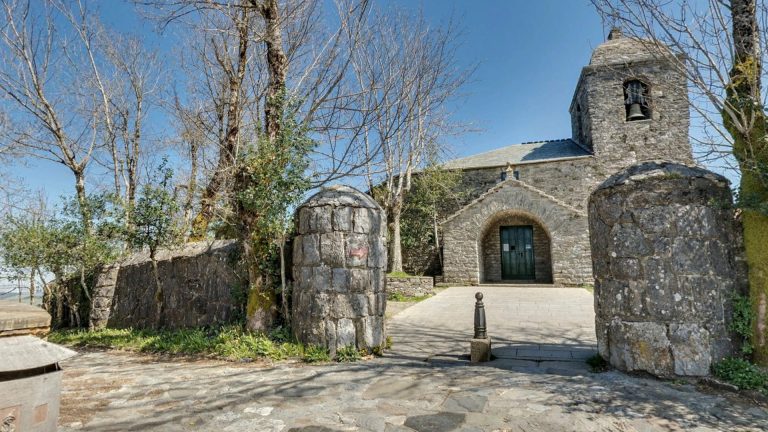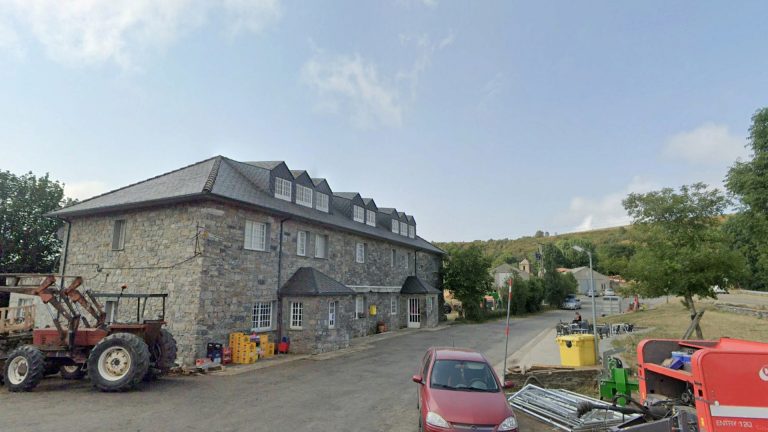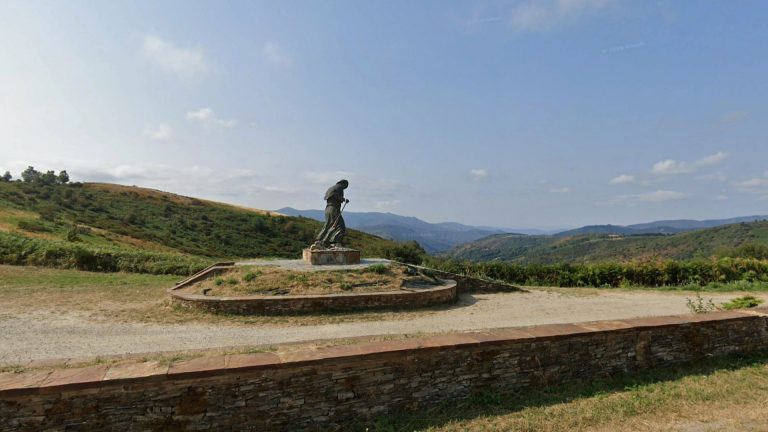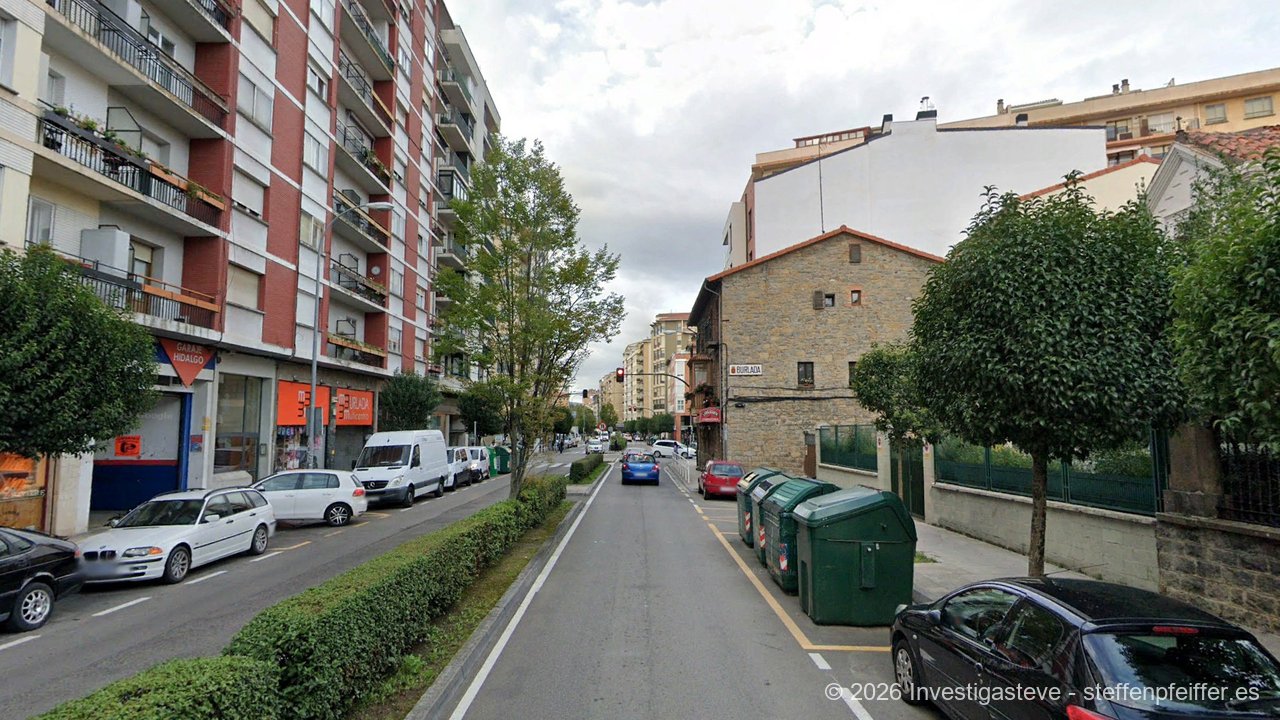
A First Glance – Introduction & Atmosphere
When you slowly approach civilization after the shady, often demanding paths of the Esteríbar Valley, Burlada does not announce itself with an abrupt end to nature, but with a gentle, almost meditative metamorphosis. It is that moment on the Camino Francés when the distant rumble of the city of Pamplona vibrates like a deep bass on the horizon, while the gurgling of the Arga River beneath your feet still sings the melody of the mountains. Burlada, known in Basque as Burlata, welcomes the pilgrim as a gateway of stone and water, a final oasis of reflection before the pulsating heart of Navarre draws the wanderer into its arms. The air here is more humid, saturated with the breath of the river, countering the heat of the asphalt with a cool breeze from the nearby foothills of the Pyrenees.
You feel the texture of the place beneath your boot soles: the soft earth of the riverside paths gives way to the hard, venerable stone of the medieval bridge, whose rough surface has been polished smooth by millions of footsteps over a millennium. It is a tactile transition from the wilderness into the order of the city. The smell is a complex composition – the aroma of freshly mown grass in the Parque Fluvial del Arga mingles with the first scent of freshly baked bread and the tart, metallic hint of nearby urban life. Psychologically, this is a phase of ambivalence: on one hand, the promise of a large city with all its amenities beckons; on the other, the pilgrim’s soul still clings to the tranquility of past days. Burlada offers the perfect space for this emotional decompression phase.
The auditory backdrop is equally layered. The rhythmic clicking of hiking poles on Burlada’s asphalt sounds more metallic, sharper here than on the forest floors beyond Zubiri. It mixes with the distant ringing of church bells and the murmur of locals, who often greet the pilgrim with a brief but heartfelt “¡Buen Camino!” When you stand on the bridge and watch the Arga flowing beneath you, you recognize the historical causality: this place was not built to detain the pilgrim, but to guide him safely. Burlada is the stone promise that the path continues, even as the scenery changes. It is a place of preparation, where the dust of the mountains is ritually exchanged for the anticipation of Pamplona’s cathedral.
What This Place Tells
Burlada is far more than just a suburb of Pamplona; it is a place with a deep, almost aristocratic soul. Its history is inextricably linked to the fate of the Kingdom of Navarre. Even in the Middle Ages, Burlada was a privileged place, a kind of summer retreat for the kings and high nobility of Pamplona. As you wander through the streets today, the remaining manor houses and palaces tell of a time when this place was the green refuge of power. The historical causality lies in its strategic location on the river: the waters of the Arga were both lifeline and border. The medieval bridge you cross is the most important architectural document of this era. It was not only a thoroughfare but a symbol of royal protection for the pilgrim flows.
In the stonework of the old facades, one reads the metamorphosis of Navarre. Robust Romanesque gives way here and there to the finer lines of Gothic and later Baroque pride. The psychological weight of history becomes palpable when you imagine how countless envoys, kings, and ordinary believers paused precisely at this point to shake the dust from their clothes before reaching the gates of the capital. Burlada was the place of etiquette, the vestibule where one gathered oneself. It is rumored that the kings of Navarre often held hunting parties here, their laughter and the sound of horns once echoing through the riverside forests. Today, this echo has faded, replaced by the quiet dignity of the old palaces, such as the Palacete de Burlada, which now serves as a cultural center and breathes the spirit of the Belle Époque.
Particularly fascinating is the role of agriculture and mills in Burlada’s narrative. The power of the Arga was harnessed to grind grain that fed the entire region. This tactile connection to the soil, to food, and to work is an essential part of the local identity. As you breathe in the air, you can still sense this spirit of diligence. Burlada tells a story of constancy; despite Pamplona’s growth, the place has preserved its independence. It is a narrative of the power of roots that run deeper than the modern foundations of the suburbs. A pilgrim who understands Burlada’s historical nuances recognizes that here he is not just walking through a settlement, but through the memory of an entire kingdom that held its breath here before presenting its splendor.
Addresses & tips in Burlada
Camino Distances
Burlada marks the final milestone before the final arrival in the center of Pamplona. Conditions here are characterized by flat terrain and well-maintained paths along the river floodplains.
Sleeping & Arriving
Arriving in Burlada is for many pilgrims a moment of relief, especially when the stage from Zubiri has been completed under the burning sun of Navarre. Although most walkers feel the urge to immediately cover the remaining short distance to Pamplona, Burlada offers its own unique quality of arrival. The hostels here, such as Hotel Burlada or specialized pilgrim accommodations, are characterized by a quieter, almost suburban serenity. You step out of the heat of the path into the cool silence of a building where the scent of freshly washed laundry and the cool breath of tiled floors regenerate your senses. It is a tactile blessing for burning feet, exchanging the weight of the backpack for the softness of a clean mattress.
Psychologically, staying overnight in Burlada is a conscious decision for deceleration. You avoid the often hectic rush on the large hostels in the center of Pamplona and instead enjoy the observer’s perspective. In the communal areas, you hear the soft murmur of pilgrims studying maps or writing in journals. It is an auditory backdrop of peace, far from the urban hustle. The tactility of the place is characterized here by the soft light of the evening sun falling through the windows, making dust particles dance in the room. It is a moment of complete presence, in which the day’s exertion transforms into a pleasant heaviness.
The provisions in the accommodations are excellent. There are often small courtyards or gardens where you can put your tired feet up while the scent of blooming oleanders hangs in the air. Arrival becomes a ritual of letting go: boots are taken off, the dust shaken off, and you feel the cold water from the tap on your skin – a tactile experience that feels almost sacred after hours of heat. Staying overnight in Burlada means giving yourself time to process the impressions of the Pyrenees crossing before plunging into the bustle of the capital the next morning as a “fresher” pilgrim. It is the strategic pause of a wise walker who knows that the path is not a race, but a collection of moments.
The social fabric in Burlada’s hostels is often closer than in the mass quarters. Conversations over a cup of tea or a glass of wine arise here, going deeper than the usual “Where are you from?” The emotional metamorphosis is supported here by sharing stories. You feel the solidarity of those who have the same goal in mind but carry different burdens. Arriving in Burlada means becoming part of a temporary family that dissolves the next morning, but whose traces remain in the soul. It is an arrival in the here and now, carried by the constancy of the walls and the warmth of the hosts.
Eating & Drinking
Culinarily, Burlada is the first true encounter with the high art of Navarrese cuisine, which reaches its peak in Pamplona. Here, the taste of the “Huerta,” the fertile vegetable gardens that thrive along the Arga, reigns. When you sit down in one of the bars or restaurants, you are immediately enveloped by the scent of roasted Pimientos del Piquillo and hearty stews. The texture of the crusty bread, still baked here traditionally, forms a perfect contrast to the delicate textures of the regional vegetables. The first sip of a cool Navarrese rosé wine is a sensory experience that instantly washes away the heat of the path – fruity, fresh, and saturated with the minerality of the soil.
Particularly recommended is trying Pintxos, those small culinary masterpieces that are often served here with an almost arrogant mastery. You feel the crunchiness of fresh baguette, combined with the creaminess of local cheese or the spiciness of chorizo. It is a tactile and gustatory journey of discovery in miniature form. Psychologically, eating in Burlada acts like a reward. The body craves energy, and Navarrese cuisine offers it in its most honest and flavorful form. The auditory experience of a bustling restaurant, the clatter of dishes and the laughter of locals, connects you with the social rhythm of the region.
A typical dinner for pilgrims often includes the famous “Menestra de Verduras,” a vegetable garden on a plate that smells of sun and fertile earth. The combination of texture and aroma regenerates not only the body but also the spirit. To finish, a small glass of Pacharán is a must, that sloe liqueur that smells of anise and berries and gently stimulates digestion. Eating in Burlada means tasting the causality between climate, soil, and culture. It is the culinary preparation for the festive evenings in Pamplona, but here in Burlada, the experience is still more original, less touristy, and more deeply rooted in the daily life of the people.
Supplies & Logistics
Logistically, Burlada is a blessing for the pilgrim. After the more isolated sections in the forest of Zubiri, the place offers everything you need for optimizing equipment or treating minor injuries. The infrastructure is modern, efficient, and perfectly tailored to the needs of travelers.
Shopping: There are several well-stocked supermarkets and specialty stores where you can buy supplies for the next few days or fresh fruit for the way to Pamplona. Prices are fair, and the selection of regional products like cheese and ham is excellent.
Gastronomy: The density of bars and cafés is impressive. From a quick breakfast with “Café con leche” and “Tostada” to a hearty lunch, everything is offered. The bakeries, in particular, exude an irresistible scent early in the morning.
Accommodation: Besides the well-known Hotel Burlada, there are several pilgrim hostels and private guesthouses. The quality of the accommodations is high, and the connection to public transport to Pamplona is excellent.
Public Facilities: Burlada has pharmacies, ATMs, and medical centers. This is the ideal place to stock up the travel pharmacy or get blister plasters before crossing the city limits of Pamplona.
The logistical causality here is clear: since Burlada lies directly on the main artery to Pamplona, it benefits from excellent transport connections. If you have a problem with your equipment, you will find specialized stores here. Psychologically, the good supply security gives the pilgrim a sense of calm. You don’t have to worry about the essentials and can fully concentrate on the spiritual aspects of the path. Burlada functions as a logistical lock that takes in the wanderer, provides for him, and releases him strengthened onto the next stage. Everything is within walking distance, which aids the regeneration of the legs and minimizes stress.
Don’t Miss
Although Burlada is often perceived as a transit point, it offers treasures that should be discovered with an alert eye. Here are the most important stations for your experience:
– Medieval bridge over the Arga: An archaic structure with six round arches that connects you directly with the 12th century. Feel the coolness of the stone under your hands and the roar of the water beneath your feet.
– Parque Fluvial del Arga: A green lung along the river, impressive for its silence and the smell of moisture. Ideal for a short meditation before the city bustle.
– Palacete de Burlada: A magnificent building in the style of French Neoclassicism, surrounded by a small park. It tells of the former wealth and aristocratic summer retreat of the place.
– Iglesia de San Juan Bautista: A church that looks modern but preserves a spiritual peace in its interior that acts like balm after the noise of the street.
– Historic manor houses on Calle Mayor: Pay attention to the stone coats of arms on the facades. They are tactile testimonies of Navarrese aristocratic pride.
Insider Tips and Hidden Places
Away from the marked yellow arrows, Burlada hides corners that remain hidden from the hurried wanderer. One of these places is the small path that leads from the Arga riverbank directly under the bridge arches. Here, sheltered from the wind and the noise of the road, there is a very special acoustics. The rushing of the water becomes a deep rumble here, and the smell of wet algae and cold stone instantly transports you back to the time of the Knights Templar. It is a place for a quiet rest, far from the pilgrim streams, where you can feel the cool moisture on your skin.
Another insider tip is the old mill on the riverbank, which is no longer in operation but whose ruins exude a melancholic beauty. Wild fennel grows here, whose scent releases a bewitching freshness when crushed between your fingers. The tactility of the weathered masonry and the view of the raging current of the Arga illustrate the historical causality of energy production in this region. It is a place for pausing, where you can reflect on transience and the constancy of nature.
In the side streets away from the main route, there are also small, family-run taverns where hardly any tourist stops. Here, the pintxos still taste like “Abuela,” and the red wine is served in heavy, rustic glasses. The auditory experience here is characterized by the local dialect and the clacking of dominoes on the wooden tables. Anyone who stops here experiences the emotional metamorphosis of becoming a local for a while. These hidden places are the true jewels of Burlada – they offer authenticity and the opportunity to shed the pilgrim status for a moment and simply be human.
Moment of Reflection
When you finally stand on the bridge of Burlada and let your gaze wander over the river, this is the perfect moment for a psychological inventory. You have left the mountains of the Pyrenees behind, crossed the dense forests of Roncesvalles and Zubiri, and now stand on the threshold of the great city. The constancy of the bridge beneath your feet is a metaphor for your own path: it has survived countless floods, just as you have survived the blisters on your feet and the doubts in your mind. In this silence, ask yourself: What do I leave behind here in Burlada before I step through the portal of Pamplona?
The historical causality of the place reminds us that we are part of a long chain of wanderers. We are never alone on this path. The feeling of belonging that arises here is an emotional metamorphosis that strengthens the pilgrim. In the tranquility of Burlada, you recognize that the goal is not only the arrival in Santiago but the understanding of transitions. Every place, no matter how inconspicuous, has its purpose. Burlada teaches us the art of preparation and humility before the greatness that lies ahead. When you enter Pamplona tomorrow, you will do so with a different perspective because you have taken the time here to feel the breath of the Arga and to hear the language of the ancient stones.
Camino of the Stars
This place lies on the Camino Francés, on the stage from Zubiri to Pamplona. The sequence of places is:
Zubiri → Larrasoaña → Akerreta → Zuriáin → Iroz → Zabaldika → Arre → Villava → Burlada → Pamplona
Did you also feel this moment of calm before the storm when crossing the bridge of Burlada? Perhaps you made a discovery in the Parque Fluvial or had a conversation in one of the small bars that accompanied you for a long time? Share your experiences, your insider tips, or your thoughts on the threshold of Pamplona with us. Every story enriches the path for those who come after you!
About the Author