A First Glance – Introduction & Atmosphere
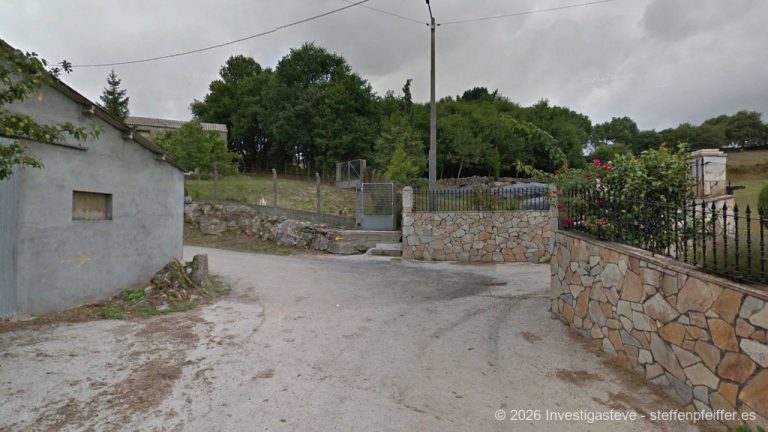
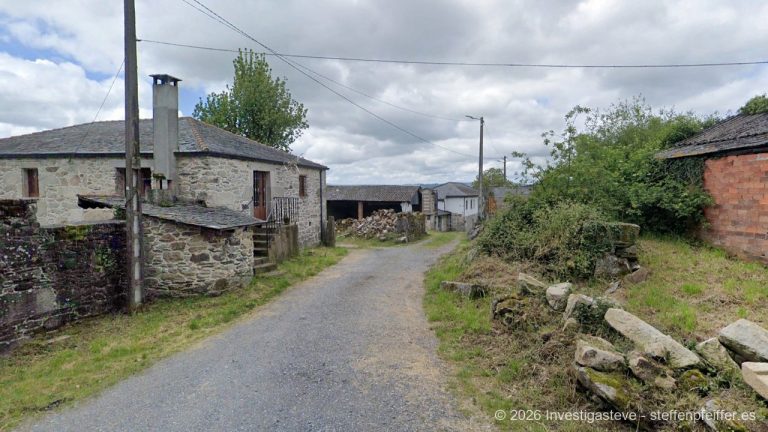
When you leave the dense, almost sacred-seeming eucalyptus forests of Galicia and climb the gentle mountain ranges of the Terra de Melide, a place spreads out before you that, like no other, embodies the pulsating heart of the late Camino Francés. Melide is not just a town on the way; it is an energetic epicentre, a place of convergence where the silence of the Camino Primitivo meets the lively bustle of the Camino Francés. As soon as you enter the outskirts, you feel this very unique rhythm: the clicking of poles on the asphalt becomes faster, the conversations in the alleys become more polyphonic, and the air is pregnant with a scent that is inextricably linked with this place – the spicy aroma of cooked octopus, bay leaf, and sweet paprika. It is an olfactory invitation to forget the exhaustion of the past kilometres for a moment and to immerse yourself in the hospitable embrace of this town.
In Melide, the medieval heaviness of grey granite mixes with a surprising modernity. You feel the haptic roughness of the old walls of the San Roque chapel, while right next to it life pulses in the street cafés. The atmosphere is characterised by a deep, collective relief; you can tell from the pilgrims that the great goal of Santiago is now within reach – only a little more than two day’s marches separate them from the cathedral. The light of Galicia, often milky-soft due to the fine orballo mist, bathes the market squares in a timeless mood. Psychologically, Melide marks for many the transition from solitary walking to community. Here you are no longer alone on your path; you become part of a stream that has been flowing in the same direction for over a thousand years, carried by a history that seems engraved in every stone of this town.
What This Place Tells
Melide is a stone history book whose pages reach back to prehistoric times and the Roman occupation. But the place found its true purpose in the Middle Ages, when it rose to become one of the most important hubs of the Camino de Santiago. The historical causality is palpable on every corner here. Because Melide lies exactly at the point where pilgrims from Oviedo (Primitivo) meet those from the Pyrenees (Francés), the town early on developed into a logistical and spiritual hub. A symbol of this deep rooting is the Cruceiro de Melide, which is often regarded as the oldest stone cross in Galicia from the 14th century. Its Gothic simplicity, the depiction of the enthroned Christ, feels haptically almost fragile and yet unshakeable against the storms of time. It is a silent witness to millions of fates that have passed by its base.
A dark but heroic chapter of the town’s history is told by the spirit of the Irmandiños. In the 15th century, the citizens and peasants rose up against oppression by the nobility and destroyed the proud fortress of Melide. This rebellious spirit, this drive for freedom and self-determination, still resonates today in the robust cordiality of the inhabitants. The town’s architecture reflects this resilience. The parish church of Sancti Spiritus, once part of a Franciscan monastery and pilgrim Hospital from the 14th century, houses Romanesque and Gothic elements inside that act like an architectural echo of centuries of pilgrim care. Here, once upon a time, it smelled of beeswax, monastic medicinal herbs, and the sweat of seekers – an olfactory connection that you can still sense today when you take a seat in the cool silence of the nave.
Particularly fascinating is the church of Santa María de Melide, a Romanesque jewel on the edge of town. Its two portals and the semi-circular apse are masterpieces of medieval stonemasonry. When you touch the smooth, cool surfaces of the Romanesque capitals, you feel the psychological security that these spaces have conveyed since the 12th century. It is a form of historical immersion that goes far beyond the visual. Melide tells not only of saints and kings, but above all of the logistics of charity – of hospitals that offered shelter to the poor and sick, and of a market culture that made the town a flourishing trading centre. This tradition of hospitality is the invisible foundation on which the modern town still stands today.
Addresses & tips in Melide
Camino Distances
Melide marks a crucial point on stage 31 of the Camino Francés, strategically located between Palas de Rei and Arzúa.
Sleeping & Arriving
Arriving in Melide is for many pilgrims associated with an almost physical discharge of tension. When you cross the medieval bridge of Furelos and reach the town limits, the energy changes. The infrastructure for overnight stays is excellent here and tailored to every need. There are a multitude of public and private hostels, often housed in lovingly restored old town buildings. The feeling of taking off your heavy hiking boots after a long march and feeling the cool floor of a hostel under your feet is a haptic reward that is almost impossible to put into words. In the dormitories, there is an acoustic backdrop of soft rustling, the hissing of blister plasters, and the muted laughter of those who have just found their fellow travellers again.
For pilgrims seeking a little more peace after weeks of hardship, Melide also offers numerous guesthouses and hotels with private comfort. The psychological component of “treating oneself” plays a big role here; a private room with soft sheets and a hot shower becomes a luxury that mobilises your reserves for the final sprint to Santiago. Many accommodations have small patios or roof terraces where you can enjoy the evening sun of Galicia while the scent of blooming geraniums and the distant chiming of church bells stretch time.
Particularly noteworthy is the hospitality of the hospitaleros in Melide. They are often experienced pilgrims themselves and understand the deep exhaustion that can set in so close to the destination. In the communal kitchens of the hostels, people often cook together, which strengthens the social component of the Way. It is this moment of sharing – a packet of pasta, a bottle of wine, or a story – that makes Melide a place of emotional metamorphosis. You arrive as an exhausted walker and leave the next morning as part of a close-knit community.
The strategic location of Melide also allows you to plan stage destinations flexibly. If you arrive in the early afternoon, you have enough time to visit the cultural treasures without running out of time. Arriving here is not merely the end of the day’s walk, but a conscious entry into a zone of regeneration. The town is prepared to catch you, to nourish you, and to equip you with new energy. It is a logistical masterpiece of tradition that ensures that every pilgrim, regardless of budget, finds a dignified place to stay here.
When dusk falls over Melide and the streetlights bathe the grey granite in a golden light, a special calm settles over the accommodations. It is the calm before the next big step. You hear the distant murmur of the town, mingling with the steady breathing of the sleeping. Spending the night in Melide means joining the long line of those who have gathered strength here for the last 50 kilometres for centuries. This awareness gives the night an almost meditative quality.
Eating & Drinking
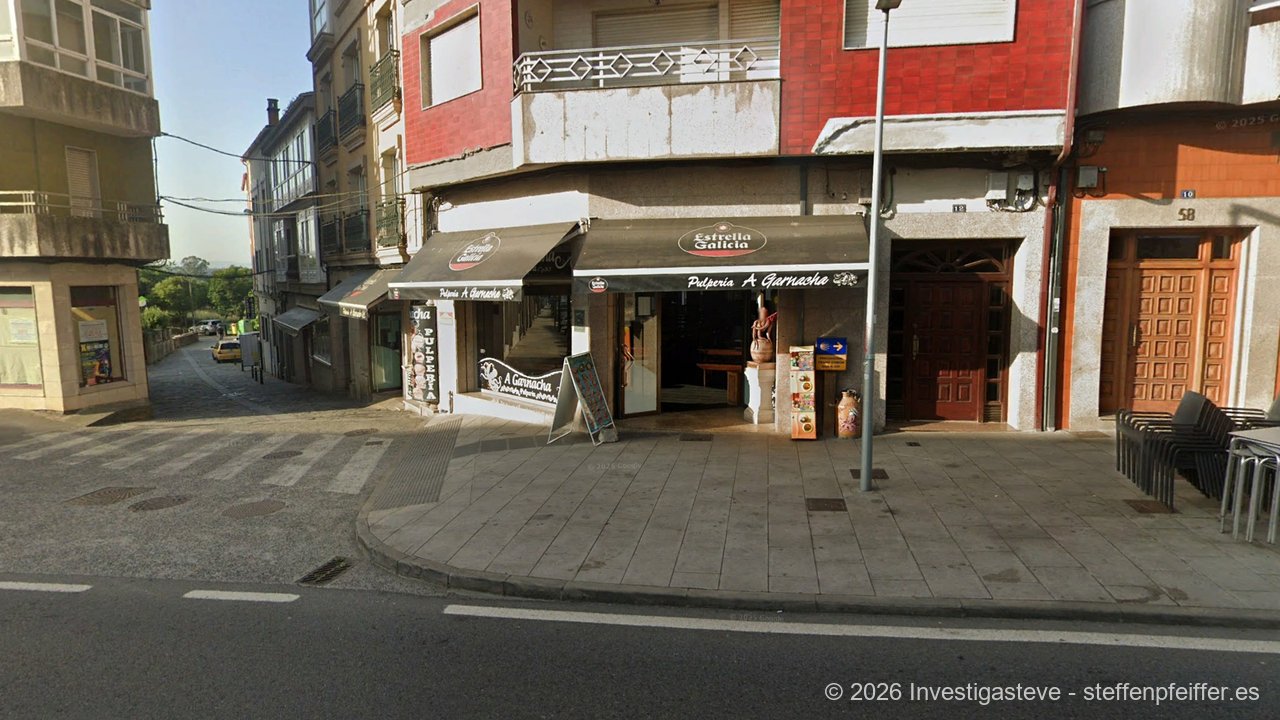
To be in Melide and not eat octopus borders almost on a spiritual transgression for a pilgrim. The town is considered the unofficial capital of Pulpo á Feira in Galicia, even though it is far from the coast. The reason for this lies in its historical significance as a market town, to which merchants brought dried octopus from the coast inland. Today, the Pulperías of Melide, such as the legendary Pulpería Ezequiel or A Garnacha, are places of culinary pilgrimage. The sound of the scissors cutting the tender octopus into bite-sized pieces is the soundtrack of this town. It is a haptic experience when the wooden boards on which the dish is served still radiate the warmth of the water and the olive oil glistens golden in the sun.
The flavour explosion of the tender, perfectly cooked meat, the coarse sea salt, and the spiciness of the Pimentón is a revelation. Traditionally, you drink the local Ribeiro wine from white ceramic bowls (cuncas), which feel cool and heavy in your hand. The scent of fresh bread, served to soak up the remaining oil, completes this five-dimensional feast. But Melide offers more than just octopus. The Melindres, small glazed pastry rings, are a sweet speciality whose recipes are often guarded like state secrets for generations in the local bakeries. Their crispy bite and fine aniseed note are the perfect end to any meal.
In the evening hours, the bars of the old town fill with life. Here, the gastronomic experience becomes a social event. You share raciones of Padrón peppers, local cheeses such as creamy Arzúa-Ulloa, and hearty ham. The psychology of eating together after a long day on the Way creates bonds that often last a lifetime. It is the “reward culture” of the Camino de Santiago, which finds its culinary peak in Melide. When you eat here, you absorb the strength of Galicia – earthy, honest, and of the highest quality.
Supplies & Logistics
Melide is a logistical paradise for pilgrims, offering a density of services that is unmatched on the final stages. Because the town is a regional centre, you find far more here than just the usual tourist offerings. The supply situation is excellent, which also makes Melide an ideal place for a quick pit stop or to buy replacement equipment.
Shopping: Several large supermarkets (such as Froiz or Gadis) as well as numerous small speciality shops offer everything from fresh provisions to special outdoor equipment and hiking maps.
Gastronomy: The density of restaurants and bars is enormous; from quick tapas bars to upscale restaurants with Galician cuisine, everything is within walking distance in the centre.
Accommodation: With over 500 places in various hostel categories, Melide is well prepared for large pilgrim flows; nevertheless, advance booking is recommended during the summer months.
Public Facilities: The town has a modern health centre (Centro de Saúde), pharmacies, banks with numerous ATMs, and a well-equipped tourist information office in the centre.
Particularly noteworthy is the medical care. The Centro de Saúde Melide is specialised in professionally treating typical pilgrim ailments such as tendonitis or infections. There are also solutions for technical problems: bicycle workshops for the “bicigrinos” and shoemakers who can work real miracles on disintegrating hiking boots. The logistics in Melide are designed to remove obstacles so that the focus can return entirely to the goal of Santiago. This efficiency gives the pilgrim a great feeling of security and reliability.
Don’t Miss
- The bridge of Furelos: A medieval masterpiece just before the town entrance, perfect for a moment of pause and a photo.
- The Cruceiro de Melide: Admire the oldest stone cross in Galicia right next to the San Roque chapel and feel the medieval spirituality.
- Visit a Pulpería: The experience of eating octopus directly from the wooden board is an obligatory pilgrim experience in Melide.
- Church of Santa María de Melide: This Romanesque jewel (National Monument) on the edge of town impresses with its simplicity and the beautiful wall paintings inside.
- Museum of the Terra de Melide: It is located in the old pilgrim Hospital and offers deep insights into local archaeology and the history of the Camino de Santiago.
- The Melindres bakeries: Buy a bag of the traditional pastry rings as a perfect energy boost for the way to Arzúa.
Insider Tips and Hidden Places
Away from the main route and the lively squares, Melide hides places of almost ethereal silence. One of these is the small park around the Sancti Spiritus monastery. While most pilgrims only briefly visit the church, the rear area of the site, lined with old trees, offers a retreat where you almost forget the murmur of the town. Here you can feel the haptic coolness of the old cloister ruins and breathe in the scent of damp stone and ferns, so typical of hidden Galicia. It is a place for psychological grounding, far from the hustle and bustle of the pulperías.
Another almost forgotten place is the descent to the small river below the town towards Boente. If you leave the official path for a moment and follow the narrow paths of the locals, you will find hidden washing places (lavadoiros), where the women of the town used to wash their laundry. The steady gurgle of the water and the lush green of the riparian vegetation form an acoustic and visual oasis. Here, the time of the Irmandiño uprising seems not yet entirely past. In these corners, you feel the “true” Melide that exists beyond the pilgrim industry – a place of work, tradition, and a deep connection to the land. Those who take the time to seek out these hidden spots are rewarded with a calm that prepares the mind for the challenges ahead.
There is also a small, unassuming craft workshop in one of the side streets where traditional leather goods for pilgrims are still made. The smell of tanned leather and the rhythmic beating of hammers transport you instantly to another era. It is this combination of craftsmanship, history, and nature that gives Melide its depth. Those who walk here with open senses discover a town that is much more than just a stopover – it is a living organism of faith, resistance, and pure joy of life.
Moment of Reflection
In Melide, you reach a threshold where the outer journey often turns into a deep inner contemplation. You stand shortly before the goal, and the euphoria of nearby Santiago mixes with a quiet melancholy about the imminent end of the Way. In the convergence of the different Caminos, your own complexity is reflected: you are no longer the same person who set off weeks ago. The psychological metamorphosis is almost tangible here. In Melide, you learn that community is not a question of language, but of shared fate. When you sit at the table with strangers and share the octopus, you realise that the essential things in life are simple.
Ask yourself in a quiet moment before the Cruceiro: What is the “octopus of my life” – what truly nourishes me? Melide challenges you to leave the complexity of your daily life behind and to focus on the essentials: the next step, the next conversation, the next smile. It is a place of preparation for the return to the “normal” world, a training camp for the soul. The historical power of the town gives you the certainty that you are part of something larger. You are not only walking to Santiago; you are continuing the history of all those who stood here before you. This moment of reflection in Melide gives you the clarity you need for the last kilometres and for the time after the Camino.
Camino of the Stars
This place lies on the Camino Francés, on the stage from Palas de Rei to Arzúa. The sequence of locations is:
Palas de Rei → San Xulián → Ponte Campaña → Casanova → O Coto → O Leboreiro → Furelos → Melide
Did you also feel the magical convergence of the paths in Melide, or was it the taste of the legendary octopus that made your journey unforgettable? Share your experiences at the oldest Cruceiro in Galicia or your insider tips from the alleys of the old town with us. Your story inspires others to see more than just a lunch break in Melide – we look forward to your comment!
About the Author