First Glance – Introduction & Atmosphere
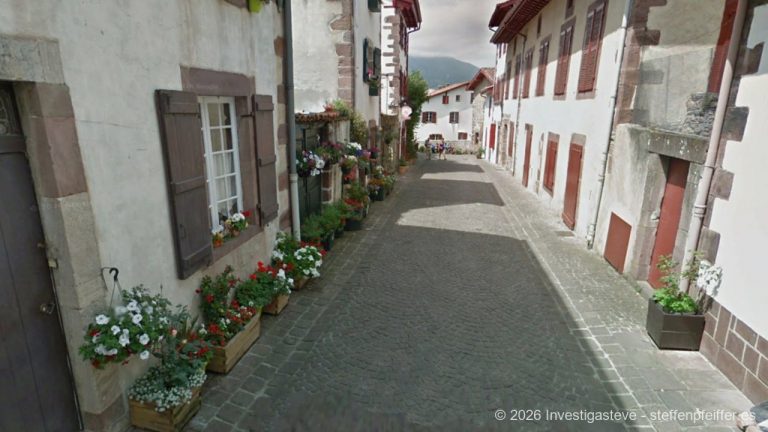
When you have left the last asphalted outskirts of Palas de Rei behind you and the path leads you deeper into the archaic heart of the province of Lugo, after a few kilometres you reach a hollow where time seems to have lost its dominion. San Xulián do Camiño is not a place of loud promises; it is a silent, almost reverent hamlet that nestles like an organic sculpture of granite and slate into the all-dominating Galician green. The air here has a purity that is almost painfully beautiful – saturated with the cool moisture of the nearby streams, the heavy, resinous aroma of the eucalyptus groves and the deep, earthy scent of ferns thriving in the shade of the ancient stone walls. You hear the rhythmic click of your pilgrim staff on the uneven cobblestones, a sound that finds an echo in the almost eerie silence of the village, as if every stone beneath your feet were acknowledging the steps of millions of seekers over the ages.
The atmosphere in San Xulián is characterised by a tactile heaviness. The walls of the squat houses are covered with thick layers of lichen that feel rough and yet velvety under your fingertips – a testimony to centuries of constancy against the unceasing Galician rain. It is a place of psychological grounding. While Palas de Rei still echoes with the hustle of a logistical centre, San Xulián forces you to decelerate. The visual panorama consists of gentle plays of light when the sun breaks through the dense canopy and bathes the grey granite ashlars of the church in a mystical gold. Here you smell the distant smoke of a wood fire and the aroma of freshly mown grass, while the only acoustic signal is the soft rustle of the wind in the treetops. In San Xulián, you are no longer just a walker covering a distance; you become part of a timeless continuum, a spiritual gate that prepares you for what still awaits discovery deep inside you.
What This Place Tells
San Xulián do Camiño is a stone witness to medieval hospitalitas. Its history is inseparable from the figure of Saint Julian the Hospitaller, the patron saint of pilgrims, travellers and hosts. The historical causality of this place lies in its function as a spiritual and physical refuge at the edge of the forest. As early as the 12th century, the foundation was laid here for a community that dedicated itself entirely to the service of one’s neighbour. The heart of this narrative is the Iglesia de San Xulián, a Romanesque gem of simple but overwhelming expressiveness. When you stand before its portal, you feel the historical immersion in every joint of the masonry. The church does not appear as an alien body, but as a rock grown from the earth, defying the storms of time and faith.
Inside, the church preserves a silence that is almost physically tangible. The smell of old incense, cold stone and beeswax forms an olfactory bridge to an era when pilgrimage was an act of absolute trust in divine protection. The legend of Saint Julian, who after a dark deed dedicated his life to penance and the support of travellers, gives the place a psychological depth that touches every modern pilgrim. It is about redemption, about new beginnings and about the healing power of hospitality. This historical causality is also reflected in the ethnographic structure of the village. The houses, grouped closely around the church, tell of a symbiosis between the sacred and the profane, between prayer and hard work in the fields.
Architecturally, San Xulián offers insights into the purest form of Galician Romanesque in rural areas. The tympanum of the church, the proportions of the nave – everything is reduced to the essential. There is no Baroque overload here, only the tactile reality of the stone and the clear line. This architectural honesty acts like a psychological mirror for the pilgrim: it challenges you to shed the ballast of your own history and to reflect on the foundation of your being. San Xulián tells the story of survival; it is a place that whispers to you that constancy does not lie in size, but in loyalty to one’s purpose. Those who walk through the narrow lanes hear the echo of centuries and feel the tactile connection to a tradition that makes San Xulián one of the most authentic stopping points on the entire Camino Francés.
Addresses & tips in San Xulián
| Accommodation | 1 |
| Bars & Cafés | 1 |
| Sights | 3 |
| Services | 3 |
Camino Distances
San Xulián do Camiño marks an important orientation point on the 31st stage, ideally located for a first intensive rest after setting off from Palas de Rei.
| Previous Town | Distance (km) | Next Town | Distance (km) |
|---|---|---|---|
| Palas de Rei | ca. 3.4 km | Ponte Campaña | ca. 1.2 km |
Sleeping & Arriving
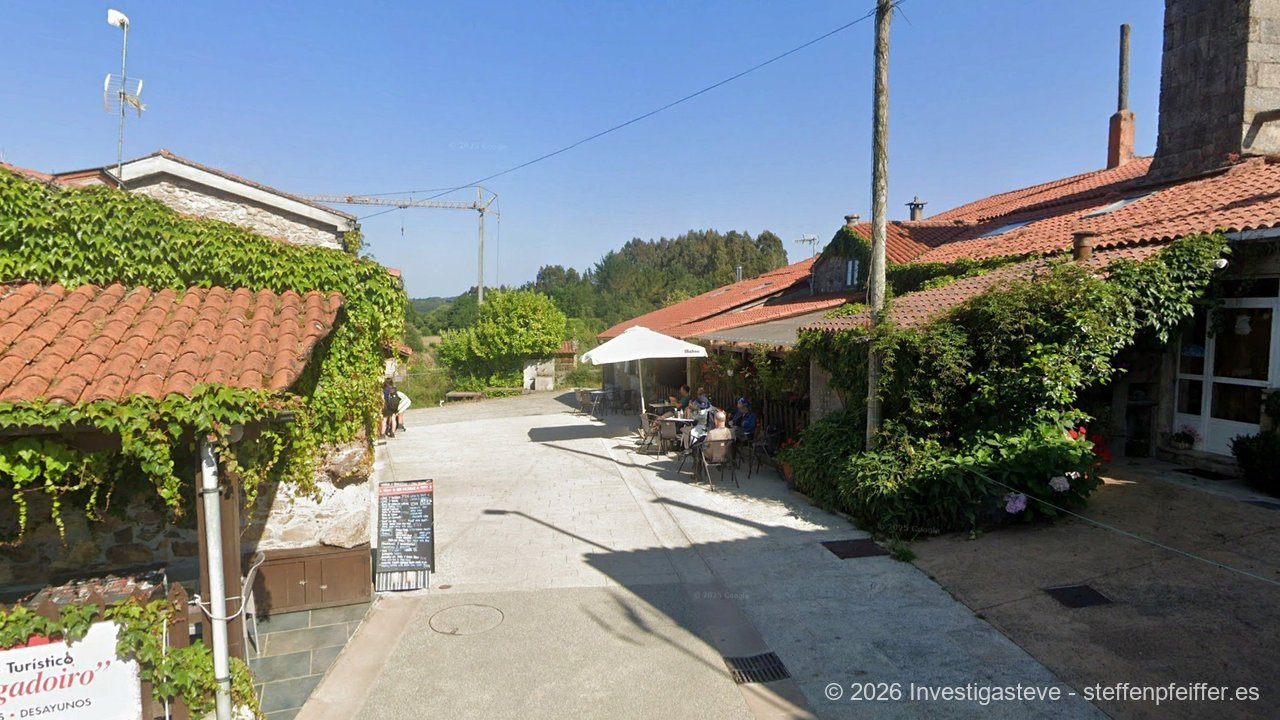
Arriving in San Xulián feels like immersing yourself in a protective capsule. While many pilgrims choose the town of Palas de Rei as their destination, those seeking peace often choose the hamlet of San Xulián. The Albergue O Abrigadoiro here is the epitome of security. The name itself – “The Shelter” – is a tactile and psychological promise. When you step through the heavy wooden gate, you are greeted by an atmosphere far removed from the anonymity of large dormitories. You feel the coolness of the stone on the ground floor and hear the soft creaking of the floorboards, an acoustic sign of a house that lives and breathes. Arriving here becomes a process of deceleration; you put down your backpack and feel the tension of the first kilometres of the day fall from your shoulders.
In the hostel, the historical tradition of hospitalitas is interpreted in a modern way. The rooms offer a tactile mix of rustic stone and light wood, creating a microclimate of peace. The psychological effect of this setting is immense: you do not feel like a traveller passing through, but like a guest in a private home. The communal areas are places of quiet conversation, where you exchange experiences of the path amidst the smell of dried herbs and coffee. It is the quality of silence that makes San Xulián so valuable as an overnight stop. When night falls over the hamlet, you hear only the distant rustling of the trees and perhaps the little owl in the church tower – an acoustic panorama that guarantees deep, regenerative sleep.
For many pilgrims, arriving in San Xulián is also a logistical turning point. After the lively Palas de Rei, this hamlet offers the chance to sort out your equipment in peace and prepare mentally for the upcoming forest passages. The tactile experience of spreading your things out on a solid wooden table and absorbing the peace of the place is a rare luxury. The sanitary facilities are modern and clean, with the hot water on your skin after a cool Galician morning feeling like a tactile blessing. Sleeping in San Xulián means entrusting yourself to the rhythm of the path and the tradition of Saint Julian. It is a place that catches you and gives you the security you need for the onward journey to Santiago.
Those who arrive here often feel a sudden clarity. The reduction to the essentials in the O Abrigadoiro hostel promotes a psychological metamorphosis. You don’t need much to be content – a clean bed, a kind word, and the certainty of resting in a place steeped in history. The visual aesthetic of the complex, with its blooming flower boxes against the grey stone, provides a soothing contrast and creates a feeling of home away from home. It is this specific feeling of “having arrived” that makes San Xulián one of the most important milestones of their journey in the memory of many pilgrims.
Eating & Drinking
The culinary world of San Xulián is small, but of an honest intensity deeply rooted in the Galician soil. In the hostel and the adjoining bar, catering becomes an act of care. The smell of freshly cooked Caldo Gallego wafts through the lanes in the late afternoon – an olfactory invitation smelling of cabbage, potatoes and the smoky aroma of bacon. It is a flavour that brings the causality of the landscape directly to the plate: hearty, nourishing and without any extravagance. When you hold the warm bowl in your hands, you feel the tactile warmth that immediately transfers to your whole body and revives your spirits.
Particularly noteworthy is the local bread, whose crust is so robust that it gives a loud, auditory signal of freshness when broken. The tactile texture of the firm dough, combined with the creamy, almost runny Arzúa-Ulloa cheese, is a sensory experience of rare purity. You taste the milk of the cows you saw grazing in the meadows during the day, and the minerality of the soil. To drink, there is often the simple but characterful wine of the region, served in the typical white ceramic bowls, the cuncas. The coolness of the ceramic in your hands and the earthy taste of the wine form the perfect end to a day of walking.
Eating in San Xulián also means enjoying silence as a side dish. Whether at a simple breakfast of toasted country bread and homemade jam or at the pilgrim’s menu in the evening – the acoustic backdrop remains discreet. The soft clatter of cutlery and the murmuring of fellow pilgrims are the only sounds. This peace while eating promotes a conscious perception of the flavours and a deep gratitude for the gifts of the path. It is the psychological component of satiety that goes beyond mere calorie intake here. You do not just eat to be able to continue walking; you eat to absorb the community and the tradition of this sacred place.
Supplies & Logistics
Logistically, San Xulián is a place of concentration on the essentials. Those who come here are not looking for supermarkets, but for reduction. The strategic causality of its location makes it the ideal peaceful stop after setting off from the larger town.
Shopping: There are no large shops on site. Small essential items can often be obtained directly from the hostel. For comprehensive shopping or pharmacy visits, Palas de Rei (about 3.5 km back) is the logistical anchor point.
Gastronomy: Catering is secured by the excellent offering of the Albergue O Abrigadoiro. Here you get high-quality pilgrim food tailored to the needs of long-distance walkers.
Sleeping: With the hostel, a high-quality accommodation is available, but it is operated seasonally (usually April to October). Advance reservation is strongly recommended for psychological planning security.
Public Facilities: There are no medical facilities or banks directly in the hamlet. All administrative and health infrastructure must be used in nearby Palas de Rei, which is unproblematic due to the short distance.
Safety in San Xulián is exceptionally high. As it is a pure pilgrim zone where the community is closely networked, crime is practically a non-issue. Logistically, the place acts as a “safety valve” for pilgrims wishing to avoid the often overcrowded hostels in Palas de Rei. The acoustic calm and minimal through traffic ensure undisturbed regeneration. However, you should be aware that capacities are limited. Those who choose San Xulián as a stage destination opt for logistical simplicity, which is more than compensated for by the high quality of personal care. It is a place that shows that excellent logistics on the Camino do not lie in the quantity of shops, but in the reliability of the hostel.
Don’t Miss
- The Iglesia de San Xulián: An absolute must for art lovers; pay attention to the Romanesque capitals and the simple, powerful architecture.
- Albergue O Abrigadoiro: Enjoy the atmosphere in this restored stone house – it is one of the most authentic on the entire stage.
- Saint Julian: Look for the depiction of the patron saint in the church and take a moment of devotion.
- The cobblestones: Feel the tactile reality of the medieval path under your soles – a direct contact with history.
- The silence of the hamlet: Take ten minutes, sit on a stone wall and simply listen to the sounds of nature.
Insider Tips & Hidden Places
Away from the marked main path, just a few steps behind the church, a narrow path leads to a small, almost hidden garden plot bordered by old dry stone walls. Here time seems to stand still completely. The ground is covered with a thick layer of moss and lichen, making every step silent – a tactile blessing after the hard pavement. In this corner, it smells intensely of wild thyme and damp earth. It is the perfect place for a psychological inventory of your journey, far from prying eyes. Here you often find small symbols carved into the stone, left by pilgrims of past generations as silent witnesses of their presence.
Another hidden treasure is the small window in the apse of the church, through which at certain times of day the light falls at a very specific angle. It creates a visual spectacle on the rough granite of the altar that seems almost supernatural. The historical causality of such light planning in Romanesque architecture was to make the divine presence experienceable. If you catch this moment, you feel a psychological depth that goes far beyond the visual. It is a tactile light touch of the soul. Such details reveal themselves only to the pilgrim who is willing to adapt their pace to the speed of the place.
Did you know that there is an old fountain in San Xulián, located a little away from the bar in the shade of a mighty oak? The water there is ice-cold and of a clarity rarely found today. The acoustic splashing acts like a natural sedative. Whoever washes their hands here feels the tactile freshness of the Galician subsoil – a ritual act of purification before the next stage. Such hidden places make San Xulián more than just a transit point; they make it a place of small wonders that only those who see with the heart will find.
In the evening hours, it is worth looking at the silhouettes of the old hórreos (granaries) on the periphery of the village. When the last daylight disappears behind the hills, these stone structures appear as archaic guardians. The smell of damp stone and the cool breeze that whistles through the ventilation slots of the granaries create an atmosphere of timeless constancy. It is a place for the flow of your own thoughts, a space without distraction where the history of Galicia whispers in every crack of the granite. Those who lose themselves here often find a part of themselves that they had forgotten in the haste of preparing for the Camino.
Moment of Reflection
In San Xulián do Camiño, you stand at a point of maximum spiritual density. The hamlet, dedicated to the patron saint of pilgrims, challenges you to question your own role on this path. Are you just a walker collecting kilometres, or are you a pilgrim seeking protection and insight? The psychological metamorphosis that takes place here is the change from “doing” to “receiving”. The silence of the place acts as a filter for your thoughts. In the cool darkness of the Romanesque church, you become aware that you are part of a vast human experience that extends far beyond your own small existence.
In the silence of this place, ask yourself: What does hospitalitas mean to me? Where have I experienced shelter on my path, and where can I myself be an “abrigadoiro”, a shelter for others? San Xulián teaches you the art of frugality. The tactile reality of the rough stone and the simplicity of life here are a psychological counterweight to our complex everyday world. Use this moment of reflection to recalibrate your inner compass. When you leave San Xulián tomorrow, take a piece of the peace of Saint Julian within you. It will be your anchor when the path towards Santiago becomes louder and more demanding. Here, in the silence of this small hamlet, you have found the strength to continue your journey not only with your legs, but with your soul.
Camino of the Stars
This place lies on the Camino Francés, on the stage from Palas de Rei to Arzúa. The sequence of places is:
Palas de Rei → San Xulián → Ponte Campaña → Casanova → O Coto → O Leboreiro → Furelos → Melide → Carballal → Barreiro de Abaixo → A Peroxa → Boente → Castañeda → Ribadiso → Arzúa
Did you also feel that moment of absolute clarity in the Romanesque silence of San Xulián, or were you deeply moved by the warm hospitality at O Abrigadoiro? Perhaps you have found your own secret place of power behind the old church? Share your personal impressions, your photos of the cobblestones, or your thoughts on Saint Julian with us. Your story inspires other pilgrims to see more than just a short stop in this small hamlet – we look forward to your tale!
About the Author