First Glance – Introduction & Atmosphere
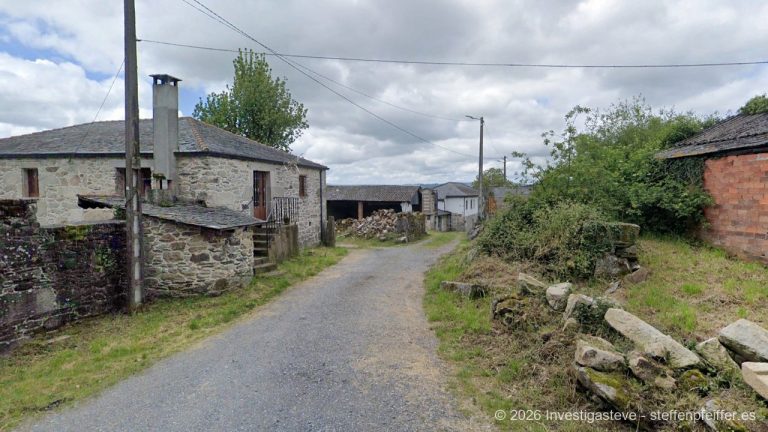
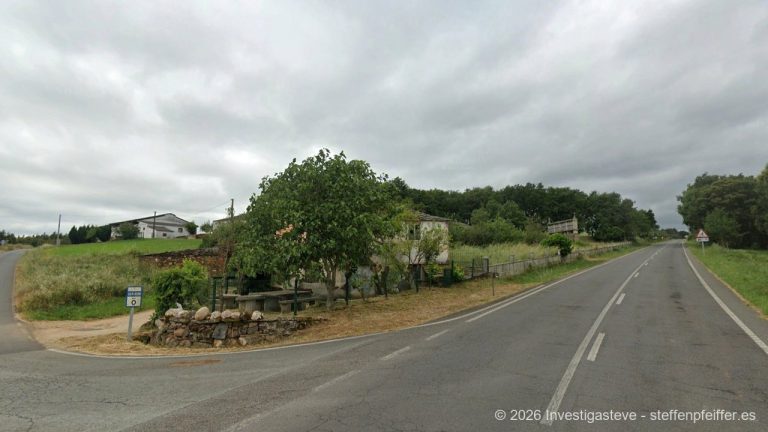
When you emerge from the protective embrace of the Galician forests and the path slowly leads you down into the gentle river valley of the Río Furelos, a scene reveals itself that seems out of time. Furelos is not merely a district of Melide, but an independent, spiritual portal that marks the transition from rural peace to the vibrant energy of the market town. The air here is cooler, saturated with the moisture of the river and the earthy scent of ferns and mosses that cover the ancient walls. The first thing that captivates you in Furelos is the acoustic backdrop: the distant, constant murmur of the water breaking against the pillars of the medieval bridge, mingling with the hard, metallic sound of pilgrim staffs on the uneven cobblestones. It is a rhythm that has endured for centuries.
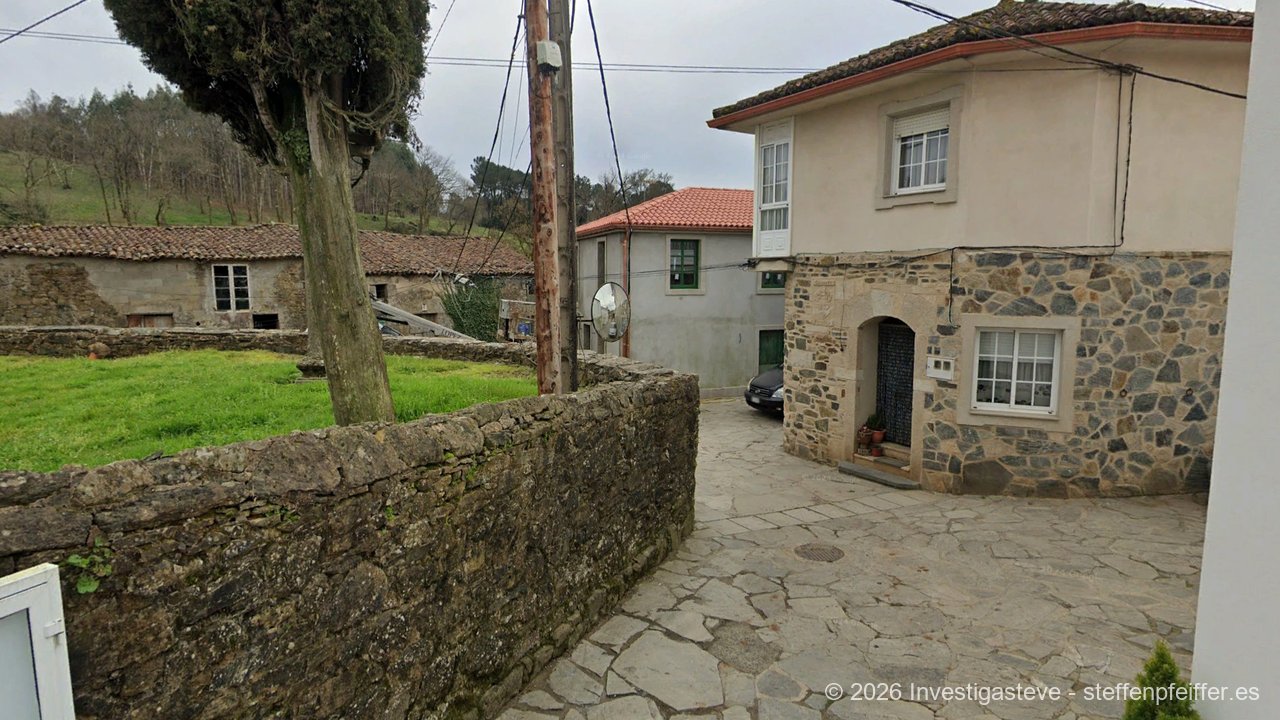
The atmosphere in Furelos is marked by an almost tangible heaviness that, however, is not burdensome but grounding. You feel the tactile roughness of the dark granite from which the houses and the monumental bridge are made – a material that stores the heat of the day and gives off a gentle warmth during the cool Galician evenings. Psychologically, Furelos marks the moment when the pilgrim realises that the solitude of the last kilometres is now giving way to community. It is a place of pause before the hustle of Melide begins. Here, on the riverbank, the breath of history seems to blow directly onto your neck, and the visual harmony between the stone architecture and the lush green of the riparian vegetation creates a state of deep, inner peace.
What This Place Tells
Furelos is a place that guards its secrets in granite. The historical causality of its existence is inseparable from the logistics of medieval faith. In the 12th century, the Order of St. John established itself here – those legendary Knights Hospitaller who made it their mission to protect and heal those seeking their way to Santiago. The village was once the seat of a commandery, and the spirit of this Christian charity still resonates within the walls of the houses today. You can almost imagine the knights in their dark cloaks keeping watch at the bridge to provide pilgrims with safe conduct. The architecture of Furelos is a manifestation of this protection: defiant, enduring, and inviting at the same time.
The heart of the narrative is undoubtedly the Ponte Vella, the old bridge over the Río Furelos. With its four unequal arches from the 12th century, it is considered one of the most significant civil structures of the Camino de Santiago in Galicia. Whoever crosses this bridge touches stones that have been polished smooth by millions of feet – a tactile connection to an 800‑year chain of destinies. Historically, this bridge was the bottleneck through which everything that wanted to reach Melide had to flow. The careful restoration of recent years has uncovered the mirador from which one can admire the architectural mastery. The bridge is not just a structure; it is a stone metaphor for overcoming obstacles on the path to redemption.
Another chapter of this profound story is written in the parish church of San Juan. Here we find a peculiarity unparalleled in Christian iconography: the crucified Christ whose right arm is not nailed to the cross but hangs loosely down. This depiction, known as O Cristo de Furelos, breaks with the traditional representation of suffering and transforms it into a gesture of invitation and comfort. It is said that the artist wanted to express infinite mercy – a God who reaches out his hand to catch the weary pilgrim. This spiritual nuance gives the place a psychological depth that goes far beyond the purely religious meaning and touches every observer in their innermost being.
Addresses & tips in Furelos
Camino Distances
Furelos lies as a strategic outpost shortly before Melide on the 31st stage of the French Way.
Sleeping & Arriving
Arriving in Furelos is an act of conscious deceleration. While most pilgrims have the town of Melide in their sights and hurry past Furelos, those who linger here find a completely different quality of rest. The village offers no anonymous bunkhouses, but a manageable number of private guesthouses and inns, often housed in centuries‑old buildings. The tactile experience of sleeping in a room with metre‑thick stone walls that exude the scent of old wood and fresh laundry is a balm for the senses. Here, no aluminium staff clatters on tiles; here you hear the soft creaking of floorboards and the whisper of the wind in the trees by the river.
In accommodations like Casa Adro, the tradition of hospitality, once established by the Knights Hospitaller, is continued in a modern form. The staff welcomes pilgrims with a warm calm that immediately lowers the pulse. There is no stress at check‑in; you are perceived as a guest of the house, not as a number in a statistic. The psychological component of arriving in Furelos is characterised by the feeling of being “almost home”. You feel the proximity of civilisation in Melide, but still enjoy the privileged isolation of the village. The communal areas of the small guesthouses encourage exchange in an intimate setting, far from the often loud and overcrowded municipal albergues.
For many pilgrims, Furelos is also the ideal place for a long lunch break. You sit down on the riverbank, take off your hiking boots and feel the ice‑cold water of the Río Furelos on your burning feet. This tactile experience is often more valuable than any medical care. Arriving here becomes a ritual act of purification. When you set off again after an hour by the river, you feel physically and mentally transformed. Furelos offers the rare opportunity to reflect on your own journey once more in absolute silence just before the end, before diving into the stream of thousands in Melide.
Eating & Drinking
The culinary world of Furelos is small, but of an honest intensity often missed in larger towns. At the centre of the action is the local mesón, located right by the bridge. Here Galician cuisine is celebrated in its purest form. The smell of fried chorizo and the strong aroma of lomo hang in the air, luring hungry walkers. It is an olfactory promise of satiety and strength. Those who settle here often order the simple but perfect dishes of the region: an omelette with potatoes from the Terra de Melide, the consistency of which is so creamy that it almost melts on the tongue.
Particularly noteworthy is the connection to the water. The Río Furelos was once known for its abundance of fish, and this tradition still resonates on the menus today. Drinking a glass of cool Galician white wine from a traditional ceramic bowl while letting your gaze wander over the medieval arches of the bridge is a sensory total work of art. The tactile feeling of the cool ceramic in your hands and the tart freshness of the wine form the perfect contrast to the physical exertion of the day. It is a form of reward deeply rooted in pilgrim culture.
Although the large pulperías are waiting only a kilometre and a half further on in Melide, Furelos often already offers a foretaste of local delicacies. The small tarts and pastries served in the guesthouses are often homemade and bear the handwriting of Galician grandmothers. The taste of butter, aniseed and almonds lingers long on the palate and provides the necessary sugar boost for the short but steady climb into the city. In Furelos, you don’t just eat to get full; you taste the landscape and the tradition of a place that refuses to sacrifice its identity to mass tourism.
Supplies & Logistics
Logistically, Furelos is an oasis of reduction. It is a place for those who have already taken care of their basic needs or who seek conscious simplicity. Nevertheless, the hamlet offers everything necessary for a short, efficient stay.
Shopping: There are no large supermarkets. Smaller essentials can often be purchased directly from the guesthouses or the mesón. For everything else, Melide with its full services is only about a 15‑minute walk away.
Gastronomy: Catering is concentrated in the mesón and the meal offerings of the accommodation. The quality is high, as they rely on regulars and word‑of‑mouth.
Sleeping: Capacity is limited (approx. 3‑4 private guesthouses), which makes prior reservation in high season unavoidable if you wish to enjoy the village’s tranquillity.
Public Facilities: There are no pharmacies or doctors in Furelos. The full medical network (Centro de Saúde) and all banking services are located in immediately adjacent Melide.
Safety in Furelos is exceptionally high. As this is an almost pure pilgrim zone where the community is closely networked, crime is practically a foreign word. The logistical challenge is merely to consciously decide to stop here rather than give in to the pull of the city. The paths are excellently marked, and the proximity to the large centre of Melide ensures that professional help can be reached within minutes in an emergency. Furelos thus acts as a quiet “anteroom” to a logistical heavyweight.
Don’t Miss
- The Ponte Vella: A walk across the medieval bridge is a must. Pay attention to the different stonework on the pillars.
- The Cristo de Furelos: Visit the church of San Juan to see the Christ with the hanging arm – a globally unique spiritual work of art.
- The Mirador by the river: Use the newly designed viewpoint at the bridge for a panoramic photo of the historic architecture reflected in the water.
- Footbath in the Río Furelos: Go down to the bank below the bridge and give your feet the tactile refreshment of the cool river.
- The Church of San Juan: A Romanesque building of simple beauty that preserves a very special, cool silence inside.
Insider Tips & Hidden Places
Behind the church of San Juan and away from the main route across the bridge, a narrow, often overlooked path leads directly along the riverbank. While most pilgrims stubbornly follow the yellow arrows, this short detour offers a glimpse into the hidden, green heart of Furelos. Here, where the alders and willows bend their branches deep over the water, you find small clearings used by locals for fishing. The ground is soft and cushions your steps – a tactile relief after the hard asphalt. In the air lies the scent of water mint and damp wood. This is the perfect spot for a secret meditation, far from tourist cameras.
Another hidden treasure are the old stonemason marks that can be found on the lower ashlars of the bridge piers when the river level is low. These small symbols – circles, crosses or simple lines – were the signatures of the medieval builders. When you run your fingertips over these notches, you touch the direct handwriting of a craftsman from the 12th century. It is a moment of historical immersion that suddenly makes the abstract age of the bridge very real and tangible. Such details reveal themselves only to the seeker who is willing to lift their gaze from the ground and engage with the language of granite.
Finally, there is a small, almost enchanted square near Casa Adro, where an ancient hórreo (Galician granary) stands, almost completely overgrown with ivy. The interplay between the grey stone and the deep green of the leaves creates a visual still life of high aesthetic power. Here you often hear the busy buzzing of bees and the chirping of birds more clearly than anywhere else in the village. It is a place that breathes the agricultural soul of Galicia and shows the pilgrim that Furelos exists not only for the Camino, but is deeply rooted in the earth and traditions of this region.
Moment of Reflection
In Furelos you stand on a bridge – not only physically above the river, but also metaphorically between your past on the Way and your future at the destination. The river beneath you flows inexorably towards the sea, just as you walk inexorably towards Santiago. This moment challenges you to pause: What have you left behind in the water of oblivion over the last kilometres? The gesture of the Christ with the hanging arm in the village church is a powerful impulse for your soul. It tells you that you don’t have to be perfect to be welcome. You may be tired, you may have flaws – the hand is extended.
The psychological metamorphosis that takes place in Furelos is that of reconciliation. The village’s tranquillity gives you the space to integrate the exertions of the Meseta and the hardships of the Galician mountains. When you stand on the bridge and hear the murmur of the water, you realise that every stone beneath your feet tells a story of constancy. You have become part of that constancy. Use the silence of Furelos to recalibrate your inner compass. In the hustle of Melide and the soon‑to‑come jubilation of Santiago, this moment of clear, cool reflection by the river will become a precious treasure that will nourish you long after your return home.
Camino of the Stars
This place lies on the Camino Francés (French Way), on the stage from Palas de Rei to Melide. The sequence of places is:
Palas de Rei → San Xulián → Ponte Campaña → Casanova → O Coto → O Leboreiro → Furelos → Melide
Have you felt the calming power of the Ponte Vella in Furelos, or were you deeply moved by the unique figure of Christ in the church of San Juan? Perhaps you also found your own moment of silence on the riverbank before the hustle of Melide began? Share your experiences, your photos of the bridge, or your thoughts about this spiritual gateway with us. Every pilgrim story makes Furelos even more alive for the community!
About the Author