First Glance – Introduction & Atmosphere
When you have left Palas de Rei behind you and the landscape slowly transforms into the deeper, more mystical Galicia, you reach Casanova, a place that in its extreme reduction feels almost like a hallucination. The small aldea, home to just a handful of souls, nestles so tightly against the gentle hills of the Comarca Ulloa that you could almost overlook it, were it not for that very specific atmosphere of transition. The air here is thick and heavy with the moisture of the Galician hollows, an olfactory painting of wet fern, old granite and the sharp, ethereal scent of the nearby eucalyptus trees, which lays itself over the path like an invisible veil. You hear the rhythmic click of your pilgrim staff on the uneven ground, a sound that finds an echo in the almost eerie silence of Casanova, as if the path itself were answering you.
In Casanova, time seems to have a different density. It is the tactile experience of stillness: the rough, lichen-covered stone walls of the old houses feel cool and unyielding, a testament to centuries of constancy against the unceasing Galician rain, the orballo. Psychologically, for many pilgrims this place marks the moment of total immersion. You are far enough away from the hustle of the larger towns, but not yet close enough to your goal to fall into haste. The visual panorama is a lush, almost unnaturally bright green, filtered through the milky mist that softens the contours of the world. Here, in the solitude of this hamlet, you feel the physical reality of your journey most intensely – the burning in your calves, the weight of your backpack, and the deep, archaic peace of a place that refuses to follow the tempo of the modern world.
What This Place Tells
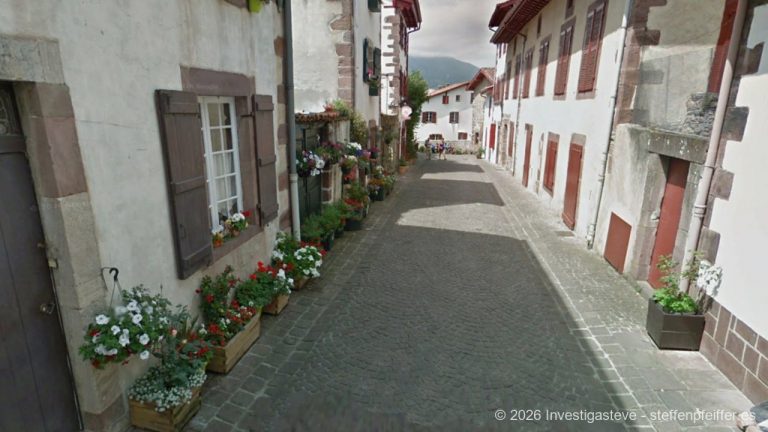
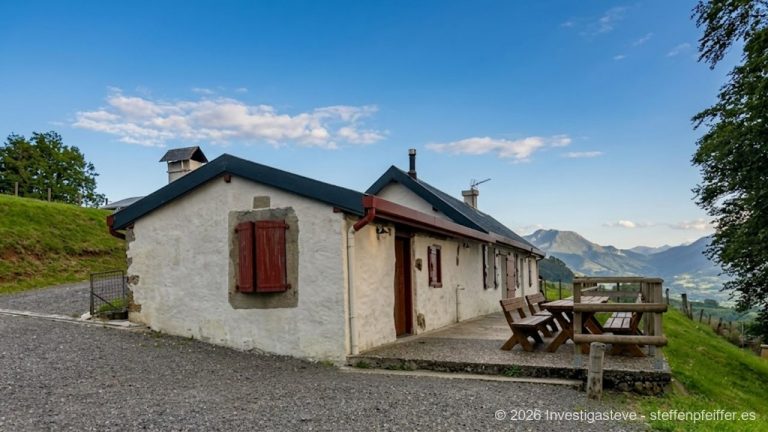
Casanova is a silent witness to the agrarian causality of Galicia. Its history is not one of great battles or royal decrees, but a narrative of survival. The name itself – “New House” – is an almost ironic designation for a place whose roots are deeply anchored in the medieval settlement system of the Ulloa region. Historically, Casanova was always a functional part of the parish of San Xoán de O Mato, a small knot in a network of hamlets that ensured the survival of pilgrims through agriculture and simple hostels. As you walk through the narrow lanes, you feel the historical immersion in every stone. The causality of the construction – granite from the immediate vicinity, slate for the roofs – tells of a time when man and nature formed an inseparable unity.
The spiritual dimension of Casanova reveals itself in the simplicity of its sacred traces. Even though the place itself has no monumental cathedral, it is nonetheless part of a sacred landscape in which every cross by the wayside and every small chapel in the surrounding area held deep psychological meaning for those who were searching. In the history of the Camino de Santiago, Casanova often functioned as the “last post” of the province of Lugo before the path crosses the border into A Coruña. This border location gave the place a strategic importance for the logistics of pilgrim care. You can imagine the soundscape of the Middle Ages: the snorting of mules, the murmuring of prayers in different languages, and the smell of simple grain porridge being prepared in the soot-blackened kitchens of the farmhouses.
Particularly fascinating is the connection to the spectacular forest corridor, the Corredoira, which lies immediately before the village. These sunken paths, lined with stone walls and vaulted by ancient oaks and chestnut trees, are like stone tunnels through time. The historical causality of these paths lies in their use as both drovers’ roads and pilgrim paths. The feeling of walking through these green cathedrals triggers a psychological metamorphosis – you feel small and at the same time sheltered in the lap of history. In Casanova, history is not read; it is inhaled and felt through the soles of your feet. It is the history of the common people, the farmers and the nameless pilgrims who have shaped this soil for over 1200 years.
Addresses & tips in Casanova
| Accommodation | 2 |
| Bars & Cafés | 2 |
Camino Distances
Casanova lies on the 31st stage of the Camino Francés, deeply embedded in the rural idyll of the province of Lugo, shortly before the border with A Coruña.
| Previous Town | Distance (km) | Next Town | Distance (km) |
|---|---|---|---|
| Ponte Campaña | ca. 1.2 km | O Coto | ca. 1.1 km |
Sleeping & Arriving
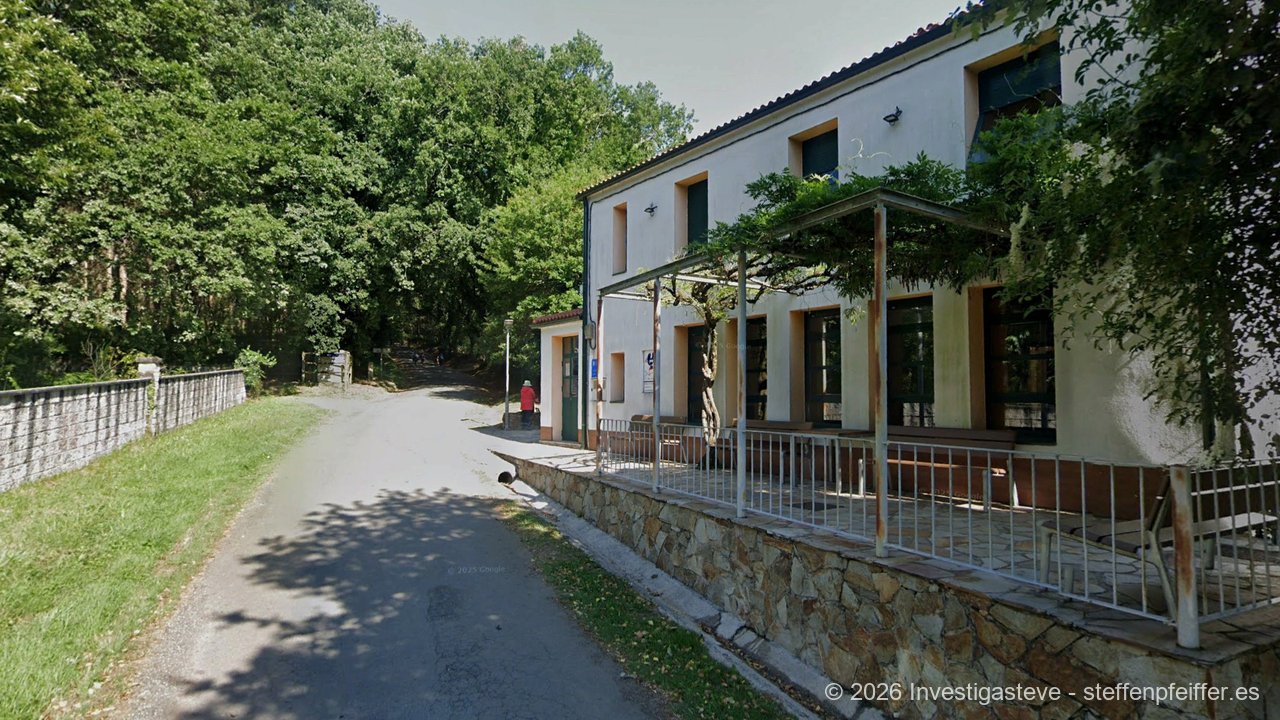
Arriving in Casanova is an experience of absolute reduction. When you leave the last bend of the forest path behind you and the first stone houses of the hamlet appear, a feeling of deep relief often sets in. There are no glowing neon signs here, only the quiet certainty of a hostel. The public Albergue de Casanova is a model example of the successful transformation of old building fabric into modern pilgrim infrastructure. The tactile experience of the cool stone walls inside, combined with the functional warmth of the wooden fittings, creates an atmosphere of security. The acoustic panorama when checking in is shaped by the soft rustle of sleeping bags and the muffled whispering of pilgrims who respect the sacred silence of the place.
A special gem for overnight stays is the private hostel “O Fogar do Caminante”. The name – “The Home of the Walker” – is a promise kept here. Psychologically, this place offers exactly what the soul needs after the kilometres from Palas de Rei: human warmth and an almost family-like atmosphere. Arriving here becomes a ritual of letting go. You feel the soft soil of the garden under your bare feet, a tactile contrast to the hard path, while the scent of home-cooked food wafts through the house. It is a place where the social component of the Camino is lived in its purest form, far from mass processing.
The rooms and dormitories in Casanova are places of silence. The absence of street noise or urban hustle means you perceive sounds you have long forgotten: the distant rustling of the wind in the treetops, the rhythmic chirping of crickets, and your own calm breathing. This acoustic isolation is an essential part of psychological regeneration. Those who stay here consciously choose the quality of peace. It is a tactile experience to snuggle into the clean sheets while the Galician mist swallows the world outside.
For many pilgrims, Casanova is also the ideal place for a long lunch break. Its strategic location between Palas de Rei and Melide makes it a perfect anchor point for the day’s logistics. Even if you do not stay overnight, arriving in the small communal kitchen or on the terrace of the hostel offers a mental refreshment. You smell the aroma of freshly brewed coffee and feel the cool breeze that moves through the valley. Arriving in Casanova is not a mere logistical stop; it is an emotional pause in a world that otherwise rushes past you far too quickly.
The sanitary facilities in the hostels are modern and offer that tactile comfort that is indispensable after a day in the rain: hot water that washes the pain from your joints, and clean, bright rooms. Sleeping in Casanova means submitting to the rhythm of nature. When the sun sinks behind the hills of the Ulloa, a darkness settles over the hamlet that is so deep and velvety that you feel you could almost touch the stars. It is the night of the pilgrims, a time of healing and preparation for the next day, carried by the centuries-old hospitality of this small, magical place.
Eating & Drinking
In Casanova, gastronomy becomes an act of spiritual strengthening. Because the place is so small, the culinary experience centres on the hostels, above all the restaurant at “O Fogar do Caminante”. Here, as soon as you enter, you smell the essence of Galicia: the heavy, savoury scent of a Caldo Gallego that has been simmering for hours. The olfactory promise of potatoes, cabbage and the spicy aroma of chorizo and bacon makes your mouth water and immediately revives your spirits. The tactile experience of holding a warm ceramic bowl in your chilled hands and spooning up the first hot broth is a moment of pure, unadulterated bliss.
The pilgrim’s menu in Casanova is a homage to the products of the Comarca Ulloa. You taste the causality of the landscape: the juicy meat of local cattle, the fresh eggs from the neighbour’s chickens, and the heavy, dark country bread whose crust is so crispy that it gives a loud, auditory signal of freshness when broken. The tactile chewing of this honest bread, combined with the creamy Arzúa-Ulloa cheese, is a feast for the senses. To drink, there is often the local country wine, which in its simplicity and earthiness matches the surroundings perfectly. The taste is tart, honest and without any airs – just like Casanova itself.
Particularly noteworthy is the breakfast for early risers. When the mist still hangs over the fields, the acoustic backdrop of a waking kitchen – the clatter of cups, the hiss of the coffee machine – provides a psychological anchor for the start of the day. The smell of freshly toasted bread and the sweetness of regional jams form the energetic basis for the path to Melide. Eating in Casanova means being part of a cycle in which nothing is wasted and the quality of the ingredients comes directly from the soil in front of the door. It is a culinary immersion that shows that true luxury on the Camino lies in simplicity and authenticity.
Supplies & Logistics
Logistically, Casanova is a place of specialisation. It is important to understand that this hamlet is not a shopping centre, but a highly efficient rest and overnight station. The strategic causality lies in its tranquillity; whoever comes here is not looking for supermarkets, but for reduction to the essentials.
Shopping: There are no grocery stores or supermarkets in Casanova. The supply of snacks or small travel items is exclusively through the points of sale within the albergues. For larger purchases or specialised pilgrim equipment, the centre of Palas de Rei (about 5.5 km back) or Melide (about 9 km ahead) is the destination.
Gastronomy: Meals are secured by the excellent kitchens of the albergues. “O Fogar do Caminante” in particular is known as a culinary fixture. Opening hours are strictly aligned with the flow of pilgrims.
Sleeping: With the public albergue and the private hostel, sufficient places are available, although in high season an advance reservation in the private accommodation is advisable for psychological peace of mind.
Public Facilities: There are no medical facilities, banks or post offices in Casanova. In an emergency, you must rely on the infrastructure of Palas de Rei, which, however, is quickly reachable via local taxi services or the support of the albergues.
Safety in Casanova is extremely high due to its small size and social control. You immediately feel part of a small, protected community. Acoustically, the logistical processes – the collection of suitcases by transport services or the arrival of new pilgrims – are very discreet and hardly disturb the meditative peace of the place. Casanova acts as a logistical “buffer” that decongests the flow of pilgrims and offers a home to those seeking authentic, silent Galicia. Those who plan to stay here should have stocked up in Palas de Rei, but can then rely entirely on the excellent hospitality of the hostels in Casanova.
Don’t Miss
- The forest corridor (Corredoira): An absolute highlight – walk through this green stone tunnel with all your senses.
- O Fogar do Caminante: Enjoy the pilgrim’s menu here, which among connoisseurs is considered one of the best in the region.
- The public albergue: Admire the architecture of the restored stone house, which combines tradition and modernity.
- The sunset over the Ulloa: Find a spot on the edge of the village and experience how the light bathes the granite walls in gold.
- The silence of the night: Step outside after 10 p.m. and listen to the absolute absence of civilisation noise.
Insider Tips & Hidden Places
Away from the official pilgrim path, just a few metres behind the public albergue, a small, almost invisible path leads into an adjacent oak grove. Here the world seems to come to a complete standstill. The ground is so soft and springy, covered by a thick layer of moss and rotting leaves, that every step becomes silent – a tactile blessing for the battered tendons of your feet. In this hidden corner you often find small stone arrangements left by pilgrims who have meditated here in silence. The air smells intensely of forest honey and damp bark, an olfactory experience that immediately grounds you. It is the perfect place for a psychological inventory of your journey, far from prying eyes.
Another insider tip is the small stream that winds its way through the undergrowth below the hamlet. While most pilgrims stubbornly follow the yellow arrows, the short descent to the water offers an acoustic oasis. The steady splashing of the water over the round granite stones acts like a natural sedative. Here you can dip your hands into the ice-cold water and feel the tactile freshness that instantly clears your senses. It is a place of ritual purification, such as pilgrims centuries ago might have used to wash the dust of the path from their skin. Such places of isolation are what give Casanova its deeper meaning.
Did you know that on clear days from a small hill west of the village you can see as far as the distant peaks of the Serra do Careón? Most walkers hurry on to reach Melide, but those who take five minutes are rewarded with a visual panorama that truly makes the vastness of Galicia comprehensible. The play of light and shadows wandering over the green valleys creates a psychological spaciousness that opens the heart. It is a moment of historical immersion when you realise that this landscape has hardly changed for generations.
In the evening hours, it is worth looking at the old stone ovens that can still be found on some of the residential houses. They are often half-ruined and overgrown with ivy, but they tell of the tactile reality of baking bread that once supplied the entire village. When you run your fingers over the rough, sooty stone, you touch the hard work of the past. These small details, these hidden traces of a disappearing Galicia, make Casanova a place of discovery for those willing to adapt the speed of their steps to the speed of their soul. It is a place that imposes nothing on you, but offers everything if you only look and listen closely.
Moment of Reflection
In Casanova you stand at a point of maximum deceleration. The place with its seven inhabitants is a living memento mori for our modern, hectic world. In the silence of this hamlet, ask yourself: “What do I really need to be happy?” You will find the answer here in simple things: a solid roof of stone, a warm meal, and the community of like-minded souls. Psychologically, Casanova acts like a filter. The noise of your worries and the planning of your future fade in the face of the constancy of Galician granite. You feel a psychological metamorphosis – away from “doing” towards pure “being”.
The historical causality of your being here is part of a 1200-year chain. Every step you take through the Corredoira connects you with the millions of people who were here before you. In Casanova, you become aware that you are not alone, even when you walk in the solitude of the forest. Use this moment of reflection to feel gratitude for your body and your spirit, which have carried you this far. When you leave Casanova tomorrow and cross the border into A Coruña, take a piece of this stone calm with you. It will be your anchor when the path towards Santiago becomes louder and busier again. Here, in the silence of the Ulloa, you have found the strength to walk the final kilometres with dignity and clarity.
Camino of the Stars
This place lies on the Camino Francés, on the stage from Palas de Rei to Arzúa. The sequence of places is:
Palas de Rei → San Xulián → Ponte Campaña → Casanova → O Coto → O Leboreiro → Furelos → Melide
Have you felt the magical silence in the forest corridor before Casanova or experienced the warmth of Galician hospitality at “O Fogar do Caminante”? Perhaps you have also found your own personal place of power by the little stream? Share your experiences, your photos of the ancient stone walls, or your thoughts about this special hamlet with us. Every story enriches the community and inspires other pilgrims to see more than just a short stop in Casanova – we look forward to your contribution!
About the Author