First Glance – Introduction & Atmosphere
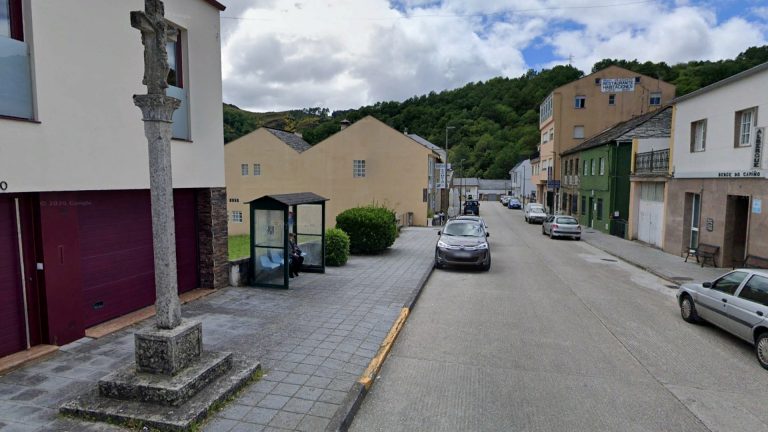
When the horizon of the Bierzo gradually narrows and the vast, sun-scorched plains of Castile finally give way to the massive, emerald-green flanks of the Sierra de Ancares, the pilgrim reaches Vega de Valcarce. It is a place that does not simply present itself but rather sucks the hiker in. The first thing you notice is the dramatic change in humidity. The dry, dusty heat that may have accompanied you in Villafranca transforms here into a cool, almost liquid freshness. It smells of damp moss, the tart aroma of ancient chestnut forests, and that metallic, pure scent that only a mountain river like the Río Valcarce exudes as it tumbles over millennia-old pebbles.
In Vega de Valcarce, the light seems to have a different consistency. It breaks in the low-hanging wisps of cloud that often hang like sleeping giants in the valley hollows, bathing the slate roofs of the houses in a silvery anthracite. Your hearing adjusts instantly: the distant roar of the motorway bridges spanning the valley high above mixes with the rhythmic gurgling of the river into an almost hypnotic melody. Beneath your feet, you feel the transition from hard asphalt to cobbled alleys that return the vibrations of your steps. It is a haptic reminder that the time of flat paths is over. Psychologically, Vega de Valcarce is a transit space – a cocoon of green and stone that protects you before releasing you tomorrow into the relentless ascent to O Cebreiro. Here, at 630 meters altitude, you feel the premonition of Galicia in every fiber of your body; it is the calm before the spiritual storm.
What This Place Tells
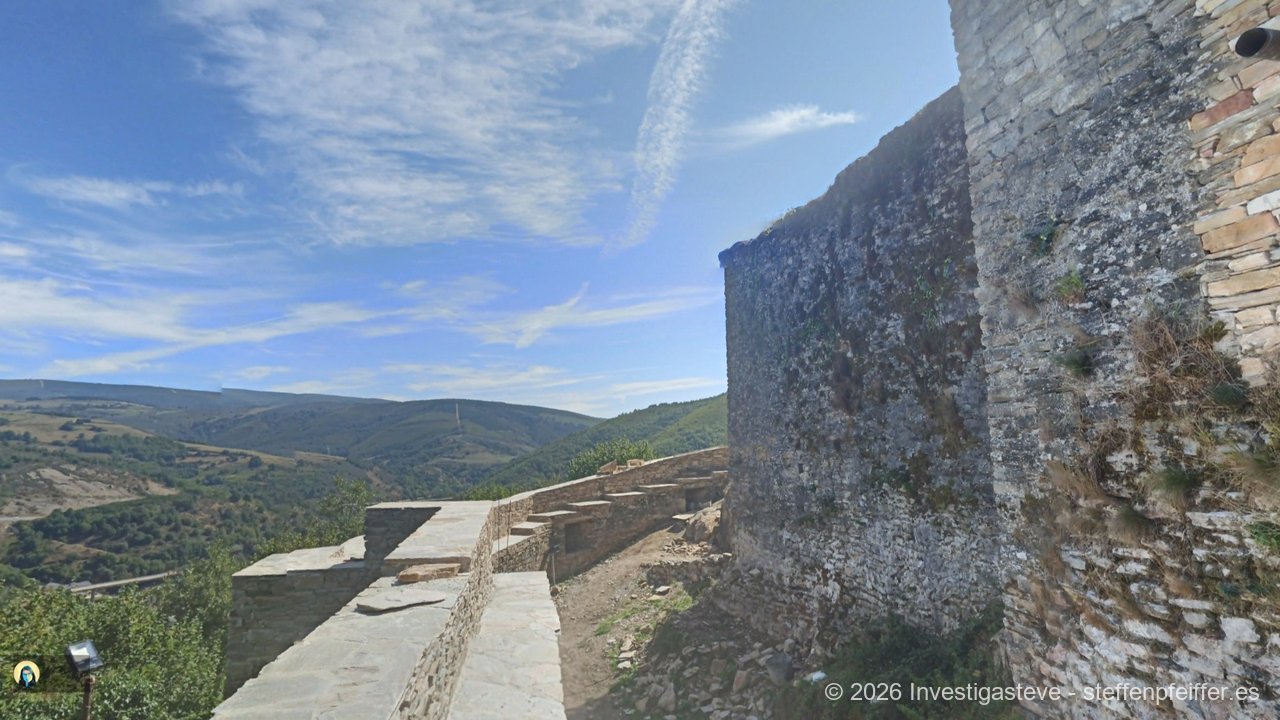
The story of Vega de Valcarce is a narrative of power, money, and the iron will to dominate nature. Those who stroll through the peaceful village today easily forget that this place was one of the most feared bottlenecks on the entire Way of St. James in the Middle Ages. High up on the rugged rock tower the ruins of the Castillo de Sarracín, a fortress that watches over the valley like a petrified guardian. Here, history was not only written but defended with the sword. In the 9th century, the valley was the scene of the notorious “Portazgo” – a toll station where the lords of the castle demanded a fee from every pilgrim. It was a place of conflict: on one side the faithful wanderers, on the other the worldly greed of the nobles who mercilessly exploited this strategic bottleneck.
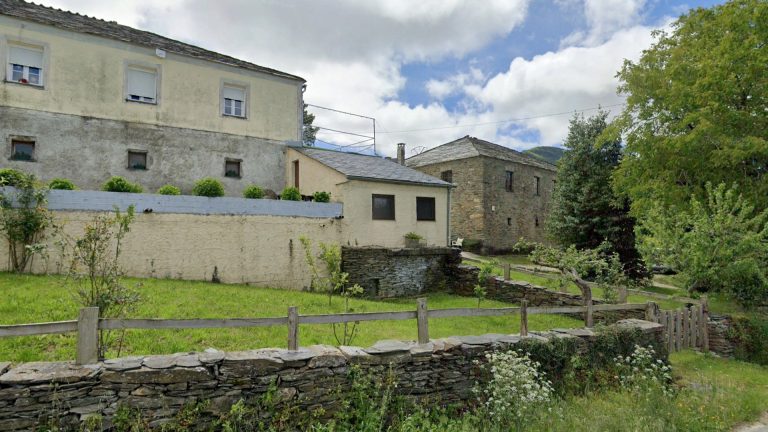
You can almost grasp the historical causality when you stand before the old bridge. Every generation has left its traces in the stone here. The Romans laid the first paths, the Moors tried in vain to take this mountain fortress, and the Templars once patrolled the surrounding forests to protect pilgrims from highwaymen lurking in the dense chestnut groves. The architecture of the place reflects this struggle for survival: defiant walls of local stone, small window openings, and roofs of heavy slate that is so sharp-edged it acts like armor against the forces of nature. When you close your eyes, you hear the metallic clinking of armor and the heavy breathing of pack animals that have been driven through this bottleneck westward for over a thousand years.
Vega de Valcarce also tells the story of a deep connection to nature. The place was never just a transit station, but a center of agriculture and charcoal burning. The smell of burning oak wood, which still often wafts from the chimneys of the old farmhouses today, is an olfactory time tunnel connecting you directly to the life of the ancestors. It is a place of thresholds: here the influence of the Leonese highlands ends, and the mysterious realm of Celtic myths begins. The legends of Sarracín say that on foggy nights, the spirits of the Templars still guard the castle walls – a psychological charge of the landscape that makes the pilgrim feel that he has now definitively left the realm of the ordinary.
Addresses & tips in Vega de Valcarce
Camino Distances
In this table you will find the distances to the immediate neighboring villages. Please note that the conditions after Vega de Valcarce become significantly more demanding, as the incline steadily increases.
| Previous Location | Distance (km) | Next Location | Distance (km) |
|---|---|---|---|
| Ambasmestas | approx. 1.8 km | Ruitelán | approx. 1.5 km |
| Trabadelo | approx. 5.3 km | Las Herrerías | approx. 2.5 km |
| Villafranca del Bierzo | approx. 16.5 km | O Cebreiro | approx. 12.0 km |
Sleeping & Arriving
Arriving in Vega de Valcarce is a haptic experience of a special kind. When you push open the heavy door of one of the hostels, such as the Albergue El Paso or the Albergue Fernandez, the damp wind of the valley gives way to a pleasant warmth that often smells of freshly brewed coffee and dried leather. You feel the relief in your knees when you let your backpack slide from your shoulders – that sudden feeling of weightlessness that can be almost dizzying. The floorboards of the accommodations creak under your feet and tell of the thousands who set up camp here before you. There is a communal exhaustion that hangs in the rooms, but also a deep, almost reverent satisfaction.
Spending the night in Vega de Valcarce is a tactical decision with great psychological significance. Many pilgrims choose this place to give themselves the necessary rest before the massive ascent to O Cebreiro. The atmosphere in the dormitories is often calmer here than in the big cities. You hear the steady breathing of fellow pilgrims, the soft rustling of sleeping bags, and outside the eternal, meditative murmur of the Río Valcarce. It is a sleep in the arms of the mountain. The coolness of the night penetrates the thick walls and envelops you as you inwardly visualize the stages of the next day.
The hostels here are often housed in old buildings where the spirit of the past still lives in every niche of the wall. The feeling of walking barefoot on the cool tiles or warm wood after a hot shower is pure luxury for the senses. You feel the connection to the earth as you take care of your gear. It is a moment of metamorphosis: you finally wash the dust of the Meseta from your skin and prepare yourself for the mists of Galicia. Arriving here is not an end, but a conscious pause in a sacred corridor. Those who sleep in Vega de Valcarce seek not only a bed but the security of a valley that has served as a shelter for the weak and the strong alike for centuries.
Eating & Drinking
The cuisine in Vega de Valcarce is an honest homage to the El Bierzo region and at the same time a harbinger of the Galician culinary world. Those who sit down at one of the massive wooden tables in the local mesóns are immediately enveloped by a cloud of aromas of garlic, paprika, and slowly cooking meat. Here, Botillo reigns – that legendary sausage specialty made from pork, so intense and robust in taste that it instantly revives the spirits. It is a haptic feast to soak up the meat with bread, whose crust is baked so hard in the local wood-fired ovens that it cracks loudly when broken.
It is accompanied by a robust red wine of the Mencía variety. The wine sparkles in the glass like liquid ruby and carries the aroma of wild blackberries and the slate soil on which the vines grow under extreme conditions. Every sip tells of the hard work on the steep slopes of the valley. But the trout from the Valcarce River is also a must for every gourmet. Prepared fresh, often only filled with a bit of ham and fried in olive oil, it offers a delicate, mineral taste that reflects the purity of the mountain streams. The sensory experience is rounded off by the local cheese, which is often creamy with a fine acidic note that harmonizes perfectly with the heavy wine.
In the bars of Vega de Valcarce, there is a lively bustle. The clinking of glasses, the laughter of pilgrims, and the loud discussions of the locals about the weather and the harvest form an acoustic backdrop that immerses you deeply in Spanish village life. For dessert, chestnuts in syrup or a simple but rich almond cake beckon. It is a cuisine that makes no compromises; it is meant to steel the body and warm the soul. When you go to sleep through the cool night air after such a meal, you feel the warmth of the food resonating inside you for a long time – an indispensable source of energy for the upcoming summit assault.
Supplies & Logistics
Logistically, Vega de Valcarce is the last major anchor point for all practical matters before the wilderness of the mountains begins. Here, the pilgrim calibrates his gear one last time. The pharmacy in the village is far more than just a drugstore; it is the unofficial field hospital of the valley. You see pilgrims limping in and coming out with new blister plasters and encouraging words from the pharmacist. It smells of disinfectants and essential oils, a scent that for many symbolizes the hope of pain-free walking. The psychological security of being able to get everything necessary here one last time takes the pressure off the upcoming mountain stage.
The small shops in the village are also specialized in the needs of hikers. Here, water bottles are refilled, nuts and dried fruits for a quick energy boost are bought, and the last supplies of fruit are secured. There is a busy, almost nervous activity in the early morning when the backpacks are finally packed. The haptic checking of straps, the weighing of the luggage on your own shoulders – all this is part of the logistics of Vega de Valcarce. The place also offers ATMs and a small post office, making it the ideal place to send unnecessary ballast home by post or forward to Santiago.
Shopping: Several small grocery stores and shops for pilgrim supplies cover daily basic needs.
Gastronomy: A good selection of restaurants and bars offers everything from pilgrim menus to upscale regional cuisine.
Accommodation: Numerous hostels, guesthouses, and casa rurales are available; advance reservation recommended in high season.
Public Facilities: Pharmacy, ATM, doctor’s office, and post office available – the last complete infrastructure before O Cebreiro.
In summary, Vega de Valcarce is the logistical base station for the “Everest of the Way of St. James.” Those who do not do their homework here will regret it at the latest on the climb to La Faba. The place radiates a professional calm that rubs off on the pilgrim and gives him the necessary confidence in his own preparation.
Don’t Miss
– The ruins of the Castillo de Sarracín: A steep ascent leads to this legendary fortress, from which you have a majestic view over the entire Valcarce Valley.
– The bridge of San Roque: A simple but historically significant crossing that has borne the steps of pilgrims for centuries.
– The Iglesia de la Magdalena: A small, atmospheric church in the village center that invites quiet reflection and contemplation.
– The murmur of the Río Valcarce: Find a spot directly on the bank to cool your feet in the ice-cold water – a haptic revelation after a long march.
– The ancient chestnut groves: Walk through these giant trees on the edge of the village, whose trunks seem to whisper stories from a thousand years.
– The “toll tradition”: Pay attention to the information boards about the Portazgo to better understand the historical significance of the place.
– The slate roofs: Observe how the light changes the color of the stone roofs from deep blue to light gray over the course of the day.
– The local markets: If you are lucky enough to be here on a market day, you will experience the unadulterated rural culture of the Bierzo.
Insider Tips & Hidden Places
Off the official Camino path, there is a small, almost forgotten trail in Vega de Valcarce that leads deeper into the forest to a hidden spring. The locals call it the “Spring of Silence.” There, where the water bursts directly from the rock, it is so cool and pure that you feel like you are drinking liquid light. It is a place of total auditory immersion – no human sound, only the distant screech of a jay and the gentle dripping of water on the moss carpet. It smells of fern and that deep, earthy freshness found only far from the roads. It is the perfect place to shed the identity of a “pilgrim with a kilometer goal” for a moment and simply be part of nature.
Another insider tip is the back side of the Castillo de Sarracín at sunset. While most tourists and hikers are already sitting in the hostels, the rear rocks offer a view of the motorway bridges that float like futuristic sculptures over the primeval valley. This contrast between the 1,200-year-old pilgrimage history and modern engineering is psychologically fascinating and leads to deep reflection on progress and permanence. Those who look closely often find small, handwritten notes from pilgrims in the crevices of the castle ruins, who have “walled in” their worries or wishes there – a silent, almost magical communication across space and time. In these hidden corners, Vega de Valcarce reveals its true, mystical soul, which goes far beyond what is written in guidebooks.
Moment of Reflection
In Vega de Valcarce, the inner journey reaches a decisive turning point. You stand at the foot of the mountain that everyone fears and everyone longs for. Psychologically, this is the moment of confrontation with your own finiteness and strength. As you sit in the valley, the mountains around you appear like an insurmountable barrier, but also like a protective womb. It is the historical causality of your path: millions have stood here before you, had the same blisters, the same hunger, and the same awe. In Vega de Valcarce, you become aware that you are part of a chain that never breaks. The valley teaches you humility – it shows you that you are small, but it also gives you the resources to grow beyond yourself.
The metamorphosis takes place here in silence. Perhaps, as you watch the flowing water, you feel your own resistances melting away. You accept that tomorrow will bring pain, but you also know that this pain is the ticket to a new consciousness. Vega de Valcarce is the place where you pay your “Portazgo,” your inner toll. What do you leave behind in the valley? Which fears, which unnecessary thoughts? As you inhale the cool night air, you prepare your lungs for the thinner air of O Cebreiro. You are no longer the same person who set out from Villafranca; you are now a border crosser, ready to cross the threshold to holy Galicia. The power of this place lies in its silence – use it to realign your inner compass.
Camino of the Stars
This place lies on the French Way, on the stage from Villafranca del Bierzo to O Cebreiro. The sequence of locations is:
Villafranca del Bierzo → Pereje → Trabadelo → La Portela de Valcarce → Ambasmestas → Vega de Valcarce → Ruitelán → Las Herrerías → La Faba → Laguna de Castilla → O Cebreiro
Did you also feel that moment of pause in Vega de Valcarce before the mountain called you? Perhaps you found an answer to a question you had been carrying for weeks in the ruins of Sarracín? Share your experiences, your thoughts on the riverbank, or your tips for the best provisions before the great ascent with us. Your story is the echo that keeps this path alive for others!
About the Author