First Glance – Introduction & Atmosphere
When the muscles in your thighs burn like glowing iron and every heartbeat resonates as a rhythmic pounding in your temples, La Faba announces itself not as a mere village, but as salvation. You are right in the middle of the notorious ascent from Las Herrerías, a passage that pilgrims reverently call “La Traviesa” – the traverse, the obstacle. Here, at about 920 meters altitude, you finally leave the gentle babbling of the Río Valcarce behind. The air becomes thinner, clearer, and already carries the first, pungent greeting of the Atlantic currents that sweep over the ridges of the Sierra de Ancares. The ground beneath your feet has changed: the soft forest floor of the lower elevations has given way to hard, splintery slate, which crunches under your heavy hiking boots with every step, releasing a dusty note of ancient rock.
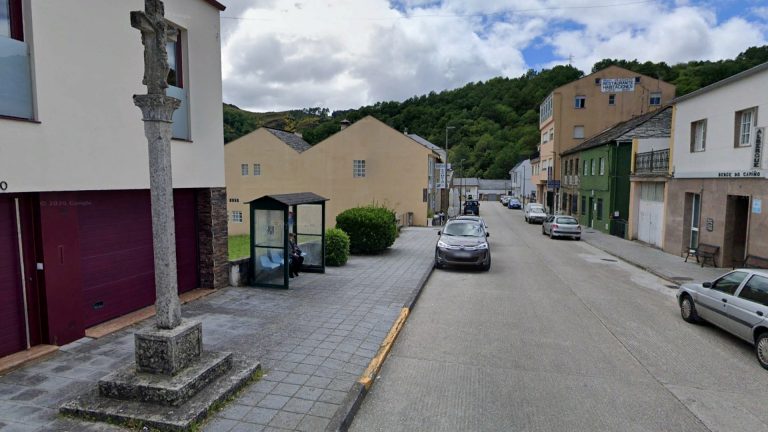
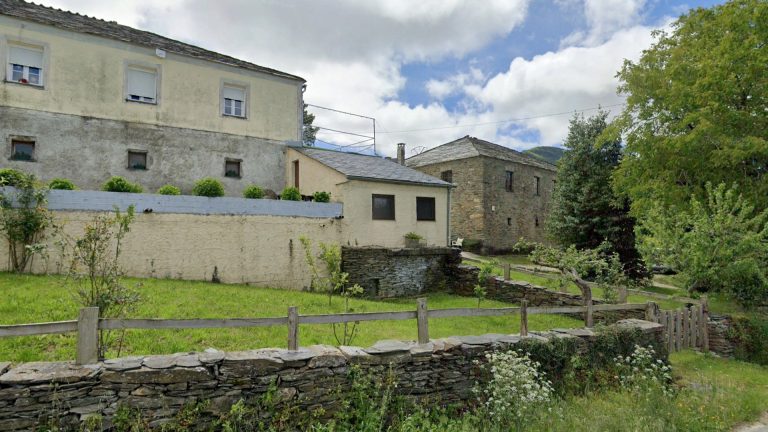
La Faba nestles against the steep southern slope with an almost defiant humility. When you reach the village entrance, you are enveloped by an atmosphere that seems out of time. The houses are built from the dark local slate and rough granite, their roofs drawn down low to withstand the immense snow loads of winter. It smells here of damp fern, the sweetly heavy aroma of blooming chestnut trees, and the unmistakable, earthy scent of livestock that has determined the pulse of this settlement for centuries. The silence is broken only by the distant, metallic ringing of cowbells, tossed like a cosmic wind chime between the peaks. It is a haptic experience: the coolness of the stone walls, which you brush with your fingertips as you pass, contrasts sharply with the heat radiating from your body through the exertion of the ascent. You physically feel that you have crossed a border – not only geographically, but also mentally.
What This Place Tells
La Faba is far more than a collection of farmhouses; it is a historical testimony to the human will to survive in an extreme location. The history of the place is inextricably linked to the fate of the pilgrims who have chosen this arduous path to Santiago de Compostela for over a millennium. Architecturally, slate and stone dominate, materials extracted directly from the mountain, making the houses appear almost like natural protrusions of the terrain. Every wall, every foundation tells of the painstaking work of the ancestors who terraced this barren slope to wrest the bare necessities from the soil. In the center of the village towers the Iglesia de San Andrés, a building that suggests Romanesque origins in its core but was remodeled in the Baroque style in the 18th century. The heavy wooden doors of the church seem to have absorbed the secrets and prayers of millions of wanderers.
A special chapter in the village’s more recent history is its deep connection to the German-speaking world. In the 1980s, when the Way of St. James had almost been forgotten, it was an initiative of German pilgrim friends that brought the dilapidated church and today’s hostel back to life with the support of the Diocese of Astorga. This commitment has made La Faba a symbol of European understanding. When you walk through the narrow alleys today, you feel this spirit of cooperation: the hard, angular sounds of the local Leonese dialect mix with the diverse languages of the world’s pilgrims. Psychologically, La Faba is the place of decision. Here, the wheat is often separated from the chaff; those who have made it this far possess the necessary resilience to also master the final summit assault to O Cebreiro. The historical causality is tangible here: the place exists because the Way exists, and the Way remains alive because places like La Faba offer it protection and shelter.
Addresses & tips in La Faba
Camino Distances
The following distances mark the crucial section of the ascent into the Ancares mountains. The elevation gain makes these kilometers a particular challenge for fitness and gear.
| Previous Location | Distance (km) | Next Location | Distance (km) |
|---|---|---|---|
| Las Herrerías | approx. 3.3 km | Laguna de Castilla | approx. 2.5 km |
| Ruitelán | approx. 4.3 km | O Cebreiro | approx. 5.0 km |
Sleeping & Arriving
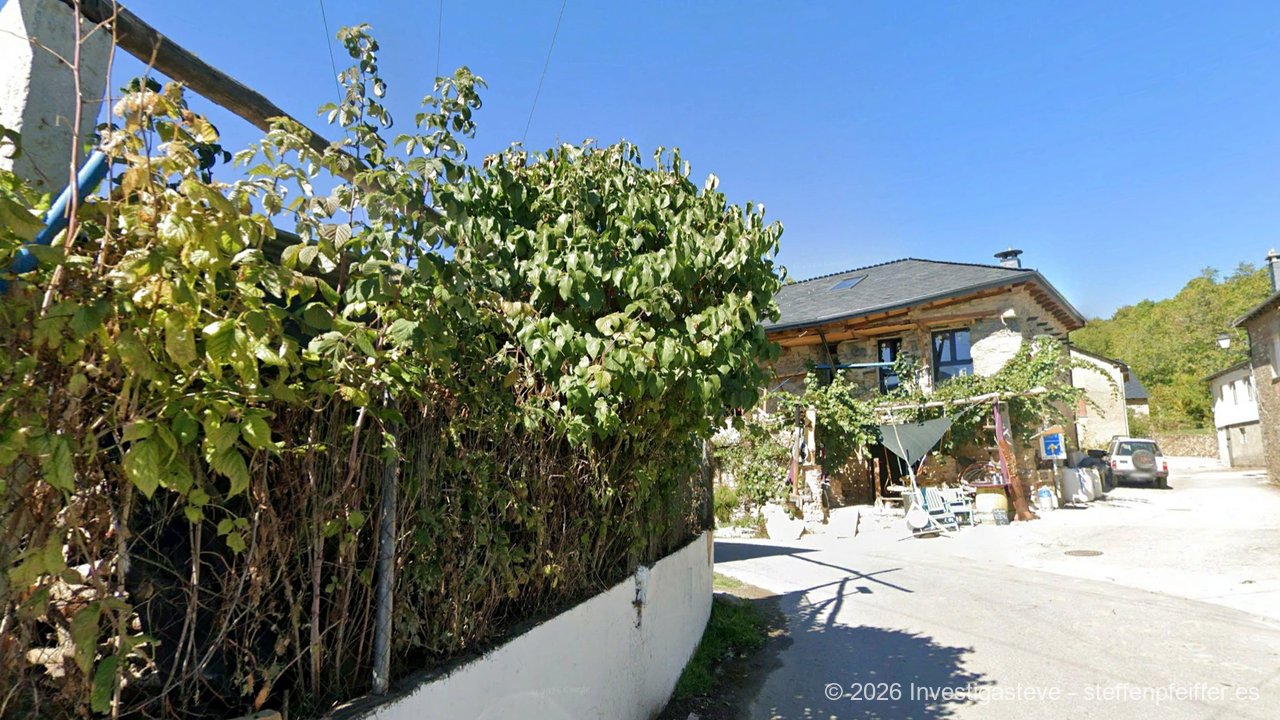
Arriving in La Faba is an act of physical relaxation that almost resembles a ritual cleansing. When you let your backpack slide from your shoulders and the sudden feeling of weightlessness floods your back, the pilgrim’s psychological metamorphosis begins. The Albergue de Peregrinos Ultreia, often simply called the “German hostel,” is a refuge of peace. The building, a carefully restored stone house with thick walls and heavy ceiling beams, radiates a coziness sought in vain in the large cities of the valley. The floorboards creak softly underfoot, and the smell of freshly washed linen mingles with the cool, spicy mountain air filtering through the small window openings.
In the dormitories, there is a concentrated silence. It is not the emptiness of solitude, but the communal exhaustion of a group of people who have the same goal in sight. The haptic experience of walking barefoot over the smooth, cool stone floors or warm wood after hours in sturdy hiking boots is one of the Camino’s greatest rewards. The hospitaleros here are known for their empathy; they know about the blisters on your feet and the doubts in your head. Often, a communal meal is held in the evening or a short prayer service in the small chapel, completely free of denominational constraints, serving only to pause. This hostel is a place where time flows more slowly, a cocoon that protects the pilgrim from the harsh wind tugging at the slate roofs outside. Whoever spends the night here consciously chooses silence over the hustle of the more touristy O Cebreiro.
Eating & Drinking
The cuisine in La Faba is as honest and uncompromising as the landscape itself. In the Bar La Faba, which also serves as the social center of the hamlet, they serve what the body craves after the ascent: energy in its purest form. The local bread is heavy, dark, and has a crust baked in a traditional wood-fired oven – a haptic pleasure when you break it and inhale the scent of yeast and smoke. Particularly noteworthy are the homemade bocadillos, generously topped with regional ham or spicy chorizo from the Bierzo, whose paprika aroma lingers long on the palate.
On cooler days, when the fog presses against the houses like a white wall, the stew is the first choice. A steaming plate of Caldo Gallego – even if we are still officially in the region of Castile and León, the culinary influence of Galicia is already absolute – warms not only the stomach but the soul. The mixture of cabbage, potatoes, beans, and a piece of bacon tastes of earth and hard work. It is often accompanied by a robust red wine from the lower elevations of the Bierzo, whose dark color in the glass recalls the slate rocks surrounding the village. The sensory experience of eating in La Faba is characterized by simplicity: you taste the water of the mountains, the salt of the tears of the ascent, and the sweetness of the intermediate stage reached. There are no superfluous decorations, only pure flavor that revives the spirits.
Supplies & Logistics
Logistically, La Faba is a place of concentration on the essentials. There is no supermarket in the conventional sense, but the hostel and the local bar cover the basic needs of passersby. Here you don’t buy luxury goods, but necessities: blister plasters, a fresh banana for your potassium levels, or a new bottle of water. The drinking water in La Faba is of outstanding quality; it comes directly from the springs of the Sierra and is so cold and mineral-rich that it almost hurts your teeth when drinking – a refreshment that puts any artificial energy drink to shame.
For pilgrims using luggage transport services, La Faba is a fixed stop on the courier lists. Nevertheless, you should keep in mind that the steep access road is a challenge for vehicles, underscoring the place’s seclusion. Medical care is limited to what experienced hospitaleros and your own travel pharmacy can provide; the nearest doctor is far down in the valley. This logistical reduction has a psychological effect: it forces the hiker to take responsibility for themselves. Up here, you learn to make do with what you carry on your body or what the small community offers. In La Faba, logistics become a philosophy of frugality.
Shopping: No larger stores available; small sales points for pilgrim supplies in the hostel and bar.
Gastronomy: Bar La Faba offers hearty regional cuisine, bocadillos, and drinks with a spectacular view.
Accommodation: The Albergue de Peregrinos Ultreia (German-run) and private accommodations offer a total of about 40-50 beds.
Public Facilities: The church of San Andrés is the only public building; no ATM or post office.
La Faba is the last point of true infrastructural consolidation before the path leads into the almost uninhabited high zone of the border. Anyone who doesn’t check their supplies here will regret it on the following kilometers.
Don’t Miss
- The Iglesia de San Andrés: An architectural jewel where Romanesque and Baroque shake hands. The silence inside is almost physically tangible and offers a perfect space for contemplation.
- The Bar’s viewing terrace: From here you have a breathtaking view back into the Valcarce Valley. It is the moment you realize how many meters of elevation you have already left behind.
- The ecumenical prayer: In high season, an evening prayer is often offered, connecting people of all cultures – a deeply emotional experience of the pilgrim community.
- The traditional slate roofs: Pay attention to the technique of how the heavy stone slabs, without mortar, protect the houses solely by their own weight – a masterpiece of vernacular architecture.
- The village fountain: The water is legendarily cold and pure. A ritual washing of your forearms here works wonders against the heat of the ascent.
- The chestnut groves: Around the village stand ancient, gnarled chestnut trees that drop their fruit in autumn, giving the place a fairy-tale frame.
- The “border in the mind”: Just behind La Faba, the vegetation changes; observe how the forest transitions into barren heather – a botanical spectacle of climate change.
Insider Tips & Hidden Places
Off the main alley that marks the Camino, small, almost overgrown paths lead behind the houses directly into the hillside meadows. If you take ten minutes and climb a bit higher, you will find small rock ledges that hang like natural pulpits over the valley. Up here, far from the clatter of hiking poles, you can feel the true essence of the mountains. It is a place for total auditory immersion: the rustling of the wind in the tall grasses, the distant cawing of alpine choughs, and the absolute absence of any civilizational noise create a psychological depth that is almost dizzying.
Another hidden place is the small sacristy of the church when it is open. There, old, handwritten chronicles and objects are often stored that testify to the long tradition of pilgrim care. It smells there of old parchment and cold incense – an olfactory time tunnel into the centuries of the Reconquista. If you look closely, you will find stones in the walls of some stables with carved symbols that could date far back into pre-Christian times; La Faba has always been a place of power, long before the first St. James pilgrims discovered it for themselves. It is also worth observing the animals setting out in the early morning when the mist still clings to the alleys; this brief moment of absolute primitiveness is a gift for anyone who keeps their eyes open.
Moment of Reflection
In La Faba, the pilgrim journey reaches a new quality. It is the place of transformation from the valley hiker to the mountaineer. Psychologically, this hamlet marks the point where external effort turns into inner peace. You have mastered the most difficult part of the ascent, and as you sit on one of the stone walls gazing into the deep blue of the sky, you become aware of the relativity of your everyday problems. The massive presence of the mountains, the indomitability of the slate, and the centuries-old permanence of this place act as a corrective to the human ego.
Perhaps here for the first time you feel that strange melancholy that affects many pilgrims when they realize they will soon reach Galicia – the land of the goal. La Faba is the last bastion of Castile, a farewell greeting from a region that has tested you for weeks. The emotional metamorphosis consists of accepting the pain of La Traviesa and understanding it as part of your own strength. In the silence of the night in La Faba, when only the distant howl of a dog cuts through the air, you recognize that the Way not only leads you to Santiago but to a version of yourself capable of conquering any mountain. It is a moment of deep humility before nature and your own physical existence.
Camino of the Stars
This place lies on the Camino Francés (French Way), on the stage from Villafranca del Bierzo to O Cebreiro. The sequence of locations is:
Villafranca del Bierzo → Pereje → Trabadelo → Ambasmestas → Vega de Valcarce → Ruitelán → Las Herrerías → La Faba → Laguna de Castilla → O Cebreiro
Did you still feel the sweat of “La Traviesa” on your brow when you reached the church of La Faba? Or did you find the strength for the final summit assault in the silence of the German hostel? Share your experiences with us – how did it feel for you when the valley disappeared beneath you and the mountain world embraced you? Your story is a part of the eternal Way!
About the Author