First Glance – Introduction & Atmosphere
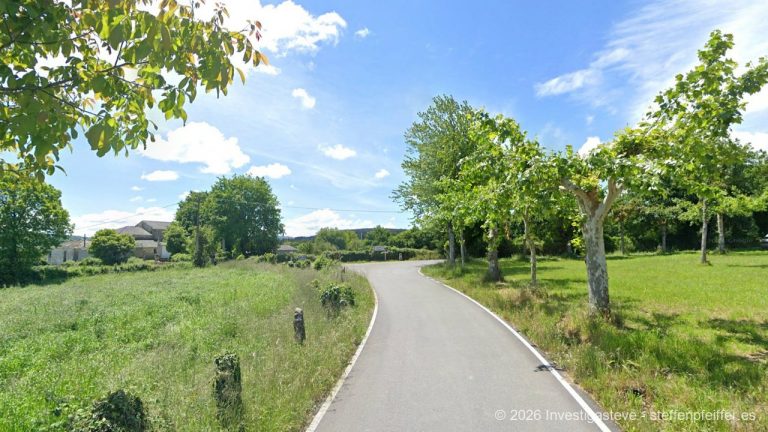
When the wide basin of the Bierzo gradually narrows and the gentle rolling hills become rugged, steep slopes that seem to support the sky like massive stone walls, the pilgrim reaches La Portela de Valcarce. It is a place that carries its name with an almost physical directness: “Portella” – the little gate, the door. Whoever arrives here immediately feels the world condense. The wide light of the Leonese high plateau has given way to a filtered, emerald-green shimmer falling through the dense canopy of ancient chestnut groves. The air in La Portela is saturated with an archaic humidity rising from the nearby Río Valcarce, settling on the hiker’s skin like a cool, invisible film. It smells here of wet slate, the tart aroma of fern and moss, and that metallic, pure scent that only a mountain river exudes as it tumbles over millennia-old pebbles.
Your hearing adjusts to a new frequency in La Portela. The rhythmic tapping of hiking poles on asphalt is often drowned out here by the powerful roar of the river, which acts like a natural amplifier in the narrow passages of the valley. Yet there is another, more modern acoustic layer: the deep hum of vehicles on the A-6 motorway bridge suspended high above the valley creates an almost surreal contrast to the timeless silence of the village alleys. It is a haptic experience of opposites: beneath your feet, the rough, unyielding asphalt or the splintery slate of the side paths, while your fingertips brush against the smooth, cold walls of the Iglesia de San Juan Bautista as you pass. In La Portela de Valcarce, the pilgrim becomes psychologically aware that the time of simple kilometers is over. The place is a bottleneck, a spiritual testing ground that releases you like a portal into a world where the mountains are no longer just a backdrop but relentless teachers. You stand at the threshold, and the valley whispers to you that every step from now on holds a deeper meaning.
What This Place Tells
La Portela de Valcarce is a place whose history is carved in stone and tells of conflict, power, and divine justice. Already in the Codex Calixtinus, the first travel guide of the Middle Ages, this passage was mentioned – though not always with kind words. The name “The Gate” was synonymous for centuries with the infamous “Portazgo,” a toll station ruthlessly operated by the local lords. Imagine you were an 11th-century pilgrim: exhausted from long marches through Castile, feet sore, supplies low, you reach this narrow passage. Here, armed guards blocked the way and demanded a fee merely for passing through the valley. It was a place of psychological oppression, where the greed of the worldly clashed with the humility of the seekers.
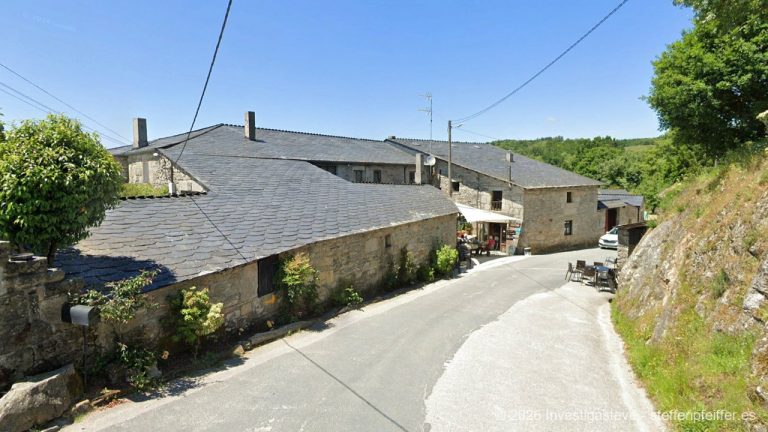
This historical causality eventually led to one of the most significant ecclesiastical-political interventions in pilgrim history. It was King Alfonso VI who put an end to the abuse in 1072 by abolishing the toll at La Portela – an act that forever marked the place as a symbol of freedom and the protection of pilgrim rights. The architecture of the village reflects this seriousness. The houses huddle deep into the slope, as if wanting to defy both wind and history. The Iglesia de San Juan Bautista, the spiritual heart, is a defiant building whose walls are so thick they seem to have enclosed the prayers of generations. When you stand before the altar, it smells of centuries-old incense and cold stone – an olfactory echo of a time when faith was the only currency that truly mattered at this gate.
Beyond the official chronicles, La Portela also tells of the hard work of charcoal burners and blacksmiths who used the valley’s resources. The iron extracted here in the mountains shaped the fate of the people just as much as the Way of St. James. In the ruins of the old forges, you can still sense the heat of the hearth that once shaped steel for horseshoes and tools. The metamorphosis of the place from a feared customs post to a hospitable refuge is one of the most impressive narratives of the Camino Francés. It is a story of purification: from a place of coercion to a place of voluntary reflection. Those who walk through La Portela today tread not only on asphalt but on layers of fates, all of whom had to pass through this bottleneck to reach distant Santiago. The valley is so narrow here that you can almost grasp history with your hands – it vibrates in every slate slab and every murmur of the Valcarce River.
Addresses & tips in La Portela
Camino Distances
In this table you will find the distances to the immediate neighboring villages. Please note that the conditions in this section of the valley are characterized by the increasing incline and the narrow path layout.
| Previous Location | Distance (km) | Next Location | Distance (km) |
|---|---|---|---|
| Trabadelo | approx. 4.5 km | Ambasmestas | approx. 1.5 km |
| Pereje | approx. 8.5 km | Vega de Valcarce | approx. 3.3 km |
| Villafranca del Bierzo | approx. 13.0 km | O Cebreiro | approx. 12.0 km |
Sleeping & Arriving
Arriving in La Portela de Valcarce is a moment of haptic relief. When you let your backpack slide from your shoulders, you feel that strange phenomenon of weightlessness as your body still carries the vibrations of the long road. The hostels here, such as the Vagabond Vieiras, are places that radiate a very own, almost familial warmth. It is an atmosphere of security, standing in stark contrast to the wild, untamed nature of the Valcarce Valley. The smell in the sleeping quarters is a mix of fresh wood, dried leather, and the distant scent of coffee brewing in the communal kitchen. It is an olfactory signal of: “You are safe here.”
Psychologically, spending the night in La Portela is a wise choice for those wishing to escape the hustle of larger stage destinations. You feel the soft creaking of the old floorboards under your feet, a sound that seems almost meditative in the silence of the night. The light in the rooms is often soft and muted, reflected by the massive stone walls that keep the coolness of the mountain night outside. Arriving in La Portela also means reducing yourself to the essentials. There is no unnecessary noise, only the steady, soothing murmur of the river outside the window, accompanying you to sleep like an archaic lullaby. Those who set up camp here seek not the comfort of a hotel, but the essence of pilgrimage: a roof, a bed, and the community of like-minded souls.
The pilgrim’s metamorphosis becomes particularly clear here in the evening. When you sit together at the wooden table, sharing the day’s experiences while the fog sinks deep into the valley outside, the boundaries between nationalities and social classes blur. You feel the roughness of your own hands, the warmth of the soup bowl, and the deep satisfaction of having mastered another day at this historic gate. La Portela gives you the grounding you need before you face the “giant” O Cebreiro tomorrow. The feeling of sleeping in a house that may have hosted pilgrims hundreds of years ago creates a deep historical connection, giving you the mental strength needed for the upcoming ascent.
Eating & Drinking
The cuisine in La Portela de Valcarce is an honest homage to the hearty cooking of the Bierzo. When you sit down at a heavy wooden table in one of the local mesóns, the first sensory impression is often the scent of homemade chorizo and Pimentón de la Vera wafting through the rooms. Here, cooking is still done with fire and passion. An absolute must is the trout from the Valcarce River. Prepared fresh, often only dusted with flour and fried in olive oil, it offers a mineral, pure taste that directly reflects the freshness of the mountain streams. The texture of the fish meat is firm and tender at the same time – a haptic pleasure that replenishes the day’s spent proteins.
It is accompanied by a robust red wine of the Mencía variety, whose deep, ruby-red color in the candlelight appears almost black. The wine carries the aroma of wild blackberries and a fine note of slate, perfectly harmonizing with the hearty meat dishes of the region. It is a meal for border crossers. Those who prefer meatless should try the local cheese, often creamy with a fine acidic note. Breaking the freshly baked, rustic bread, whose crust cracks loudly, is a ritual act of fortification. In La Portela, you taste the earth, the rain, and the sun of the Bierzo in every bite.
For dessert, chestnuts in syrup or a simple almond cake often beckon. The nutty, slightly sweet taste is the perfect end to a meal that not only fills the stomach but also warms the soul. In La Portela’s bars, there is a lively bustle; the clinking of glasses and the laughter of the locals form an acoustic backdrop that immerses you deeply in Spanish village life. Here, you don’t just eat; you absorb the power of the valley to be prepared for the meters of elevation to come. Every dish tells of the frugality and at the same time the richness of this barren mountain region.
Supplies & Logistics
The logistical infrastructure in La Portela de Valcarce is reduced to the essentials, which has its own charm. There is no large supermarket, but small sales points that keep what is necessary for daily pilgrim life. Here you don’t buy luxury items, but what ensures your survival in the mountains: blister plasters, sunscreen, a fresh banana, or a pack of nuts. Logistics here is an act of foresight. Those who check their supplies in La Portela do so with meditative care, knowing that the next major supply station will only be reached after the hard ascent. The psychological security of being able to get everything necessary here one last time takes the pressure off the upcoming mountain stage.
A special logistical highlight is the water supply. The village fountain offers water of a purity that puts any purchased energy drink to shame. It is a haptic pleasure to fill your drinking bottle in the ice-cold stream and feel the tingling of the cold on your skin. This water comes directly from the mountain springs and tastes as mineral and fresh as only possible at this altitude. For pilgrims using luggage transport services, La Portela is a reliable fixed point. The coordination between transport services and accommodations works smoothly here, relieving the hiker of the psychological burden of organization.
Shopping: Small shops for pilgrim supplies and basic foodstuffs cover daily needs.
Gastronomy: Several bars and restaurants offer hearty pilgrim meals and local specialties such as trout and Mencía wine.
Accommodation: A selection of authentic hostels and guesthouses offers peace and shelter before the great ascent.
Public Facilities: No banks or larger medical centers; the nearest pharmacy is in nearby Vega de Valcarce.
In summary, La Portela de Valcarce is the logistical lock before the Galician highlands. Those who do their homework here and sort their gear start the most demanding part of the way with a feeling of security. The place radiates a professional calm that rubs off on the pilgrim and gives him the necessary confidence in his own preparation.
Don’t Miss
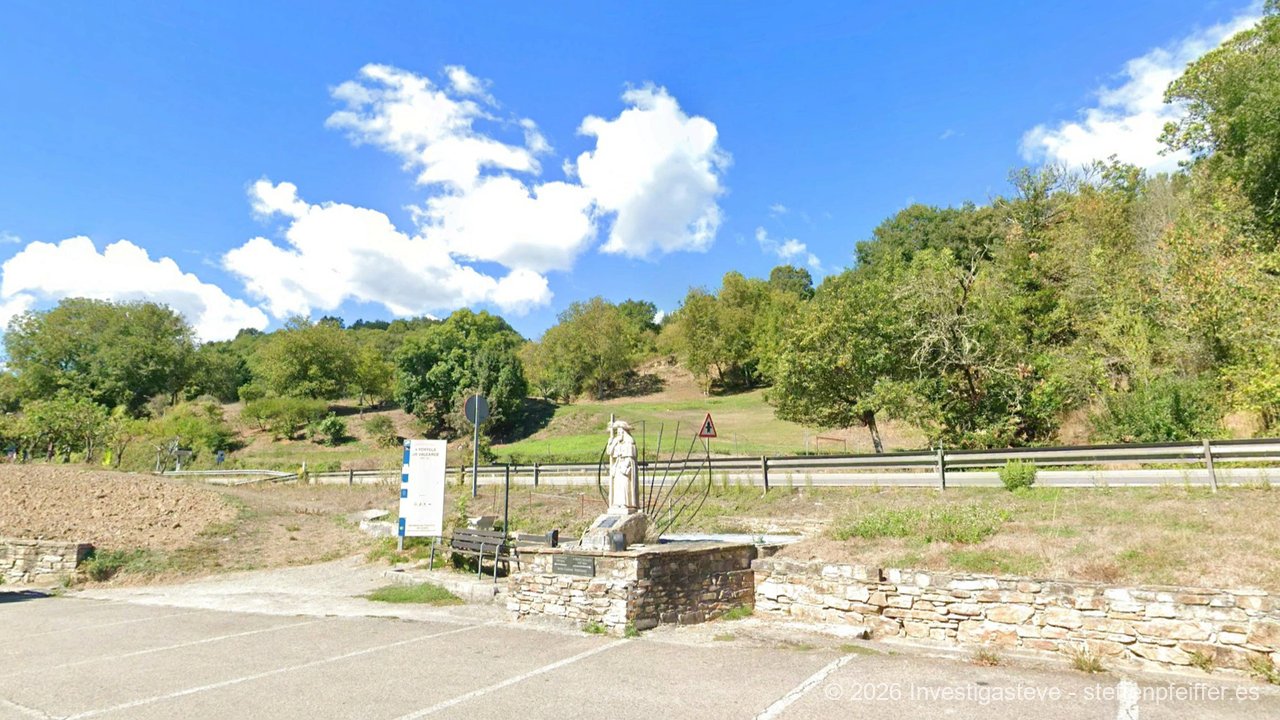
– The Iglesia de San Juan Bautista: A defiant building that impresses with its simplicity and centuries-old stone walls – a place for a moment of inner reflection. – The Roman bridge: A massive stone monument spanning the Valcarce, illustrating the historical continuity of the Way. – The “toll tradition”: Pay attention to the information boards about the Portazgo to better understand the historical significance of the place as a customs post. – The murmur of the river: Find a spot directly on the bank of the Río Valcarce to cool your feet in the ice-cold water – a haptic revelation. – The slate roofs: Observe how the light changes the color of the stone roofs from deep blue to light gray over the course of the day. – The chestnut groves on the edge of the village: Walk a few hundred meters out of the village and admire the gigantic, gnarled trunks of the ancient trees. – The A-6 motorway bridge: A fascinating architectural contrast between the medieval pilgrim path and modern engineering. – The local honey: Try the dark, strong forest honey from the locals – a true energy provider for the mountain.
Insider Tips & Hidden Places
Off the main road, where a small, almost overgrown path behind the church of San Juan Bautista leads steeply upward, a place of absolute silence hides. If you take ten minutes and climb the path, you will be rewarded with a view that reveals the entire strategic location of La Portela. From up here, you see how the village nestles protectively into the valley fold, while the river winds through the valley, gleaming silver. It is a place of total auditory immersion: the distant roar of the water becomes a gentle hum up here, and you feel the majesty of the mountains surrounding the “gate” like a natural fortress. It smells up here of wild thyme and dry slate – a scent that promises freedom and adventure.
Another hidden treasure is a small, stone passage at the southern end of the village, leading directly to an old, abandoned mill. There, where the water wheel once loudly ground grain, an almost mysterious silence reigns today. The walls are thick with ivy, and you can literally breathe the moisture and coolness of the past. It is a haptic experience to touch the moss-covered stones and imagine how daily bread was earned here over generations. This place is an insider tip for photographers, as the light falls particularly softly here in the afternoon, perfectly capturing the mystical mood of the Valcarce Valley. Those who look closely often find small, hand-carved symbols in the crevices of the old barn walls, left there by the craftsmen of times past – a silent communication across the centuries.
Moment of Reflection
In La Portela de Valcarce, you stand at a psychological threshold. The narrowness of the valley and the historical weight of the toll station challenge you to overcome your inner limits. Psychologically, this place is a transit space. You have left the Meseta far behind, the first mountains of the Bierzo are conquered, but the actual transformation – the ascent to Galicia – lies immediately ahead. This situation creates a productive tension. In La Portela, you learn that strength does not arise from noise but from accepting the narrowness. The valley gives you no alternatives; it forces you to focus on the next step.
As you sit in the evening perhaps on one of the stone benches in front of the church, you reflect on the metamorphosis you have already undergone. What have you left behind so far? Which unnecessary worries have you shed by the wayside? The historical causality of your being here – millions of pilgrims before you have passed exactly this point – gives you a deep humility. You recognize that you are not alone, even if you walk physically alone. La Portela puts the tool of contemplation in your hands. Use the night here to rid yourself of all ballast, so that tomorrow, when the path screws itself steeply into the sky, you are light enough to pass through the gate to the Galician heavenly kingdom. The silence of La Portela is not a lack of sound, but the presence of peace before the great effort.
Camino of the Stars
This place lies on the French Way, on the stage from Villafranca del Bierzo to O Cebreiro. The sequence of locations is:
Villafranca del Bierzo → Pereje → Trabadelo → La Portela de Valcarce → Ambasmestas → Vega de Valcarce → Ruitelán → Las Herrerías → La Faba → Laguna de Castilla → O Cebreiro
Did you also feel that moment of pause in La Portela de Valcarce before the narrow valley finally swallowed you? Was it the murmur of the Valcarce or the defiant silence of the church of San Juan Bautista that gave you the necessary strength for the upcoming ascent? Share your experiences of this historic “gate” with us. Perhaps you found a very personal lucky charm in the old alleys or heard a story that changed your way? We look forward to your tale of the Camino!
About the Author